
Arctic Willow
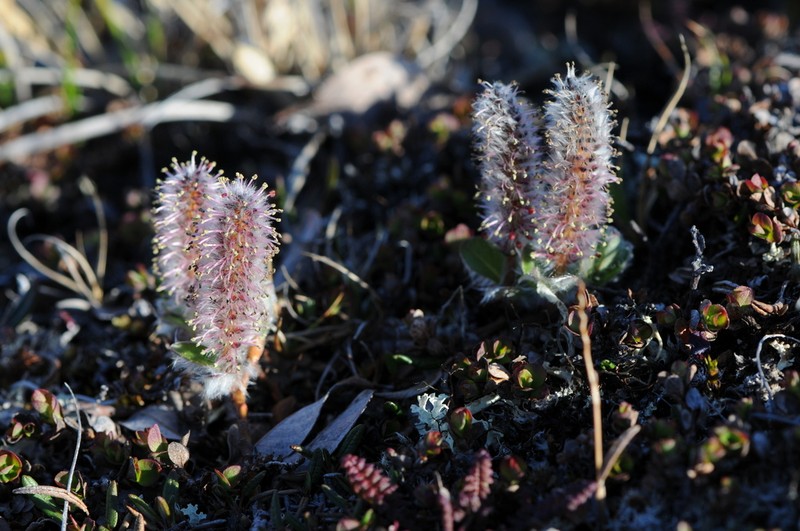
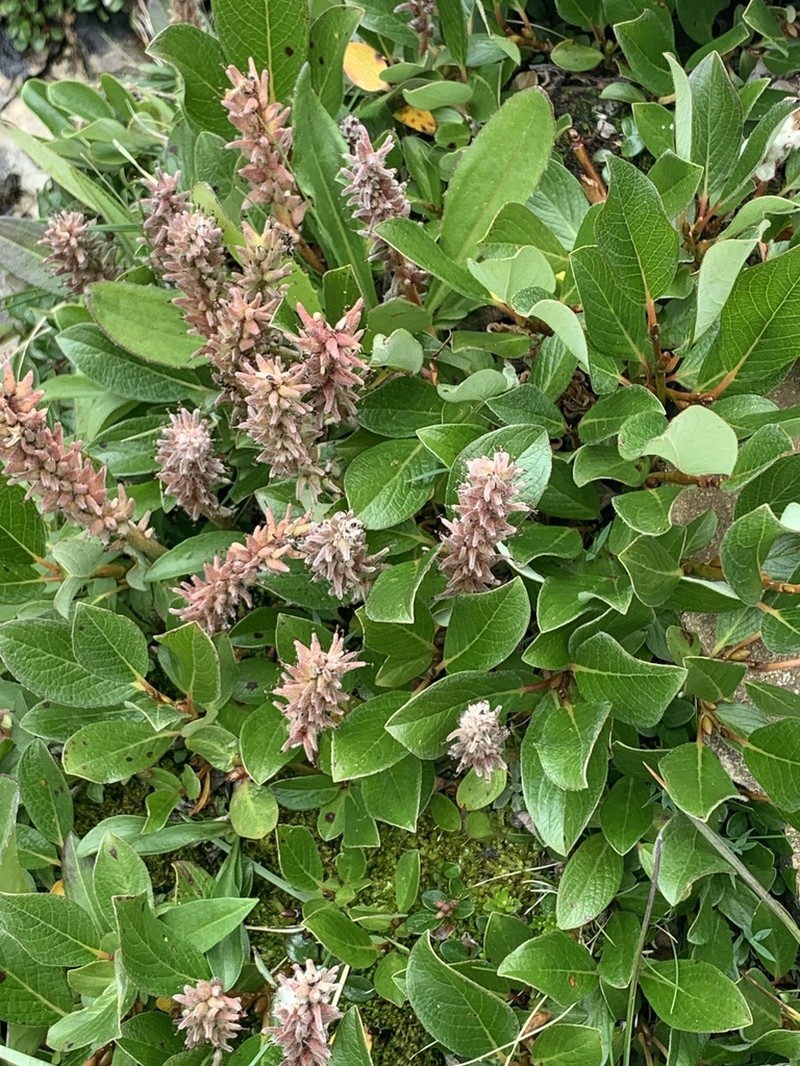
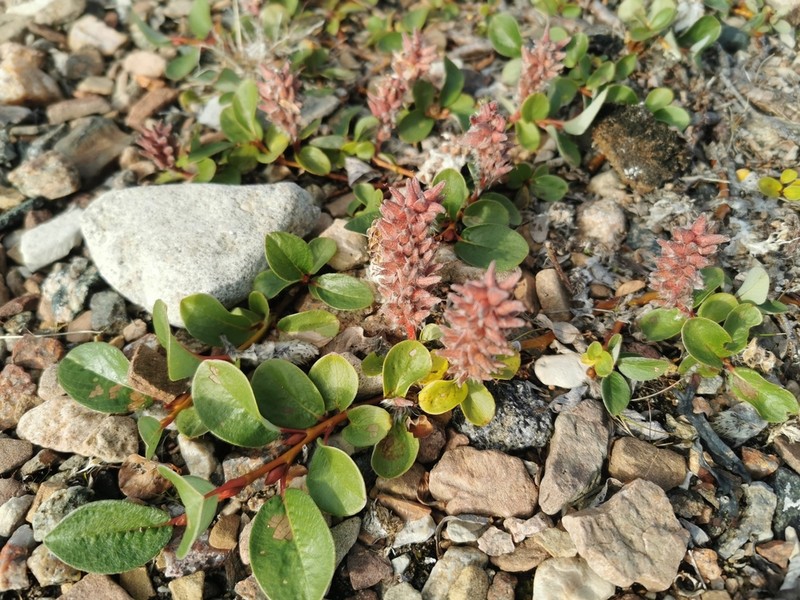
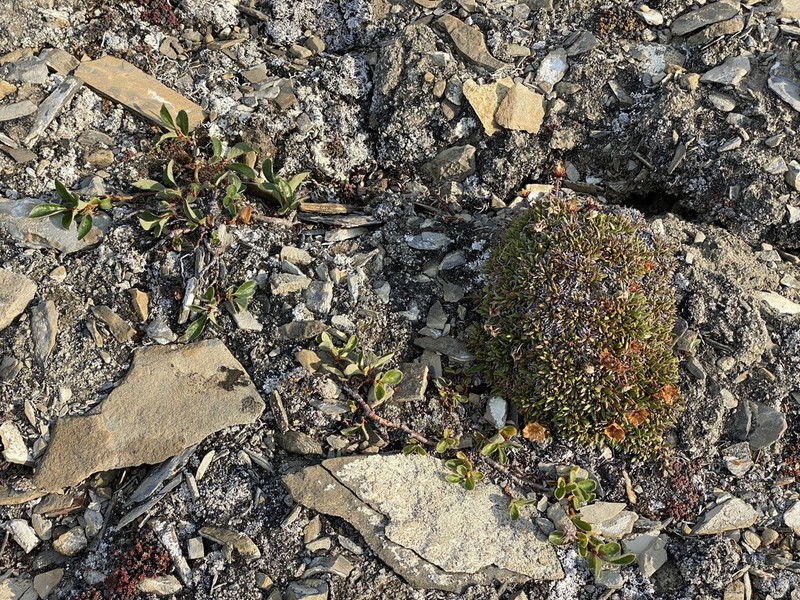
Salix arctica
- Native to:
- Aleutian Is., Canada, China, Føroyar, Greenland, Iceland, Kazakhstan, Labrador, Russia, United States
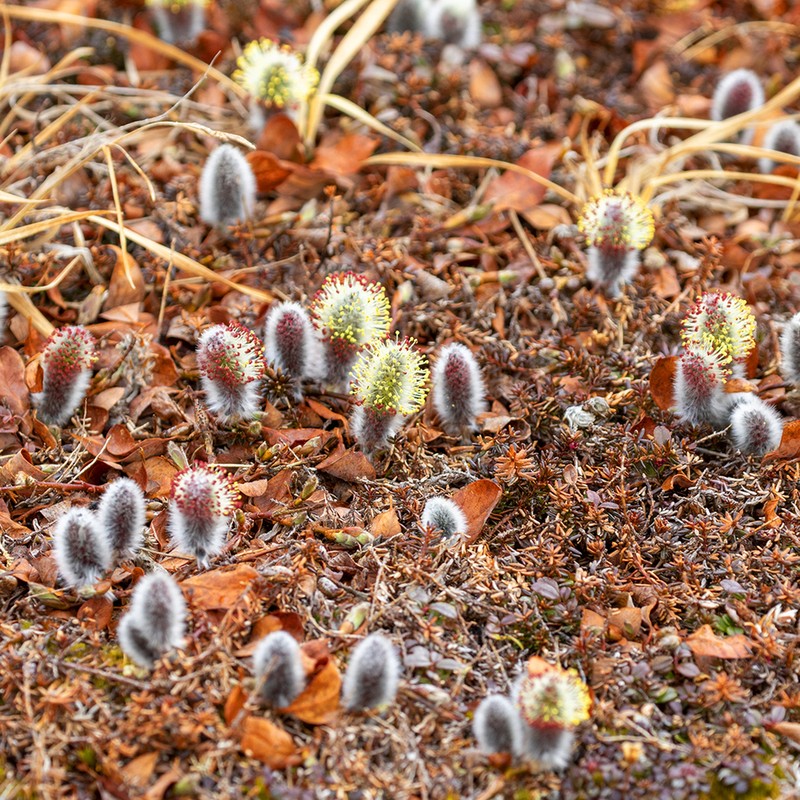
iNaturalist: © kodiakgarden (iNaturalist #256104859)
Taxonomy
- Division:
- Magnoliophyta | - Flowering plants
- Family:
- Salicaceae
- Genus:
- Salix
- Species:
- Salix arctica
- USDA Symbol:
- SAAR27
Growth Characteristics
- Life Cycle:
- Perennial
- Growth Habit:
- Shrub , Subshrub
- Height:
- 100 cm
- Light Requirements:
- Full Sun
- Drought Tolerance:
- Low
- Bloom Months:
- may,jun
- Bloom Colors:
- yellow, green
Wildlife Benefits
- Bees:
- ★★★★☆ Documented bee visitation (GBIF)
- Butterflies & Moths:
- ★★★★☆ Documented Lepidoptera association (GBIF)
- Caterpillars:
- ★☆☆☆☆ Recorded caterpillar host plant (HOSTS Database)
Keystone Species Ranking
- Caterpillar Keystone:
- ★★★★★ Butterfly & moth species supported by this genus (NWF)
- Pollen Specialist Bee Keystone:
- ★★★★★ Native pollen specialist bee species supported by this genus (NWF)
Host Plant for Caterpillars
Arctic woolly bear moth (Gynaephora groenlandica), Ross's tussock moth (Gynaephora rossii), Frigga fritillary (Clossiana frigga), Hecla sulphur (Colias hecla), Mountain Clouded Yellow (Colias nastes)
Garden & Ecology Notes
- Wildlife Value:
- birds, small mammals, butterflies
Soil Requirements
- Soil Type:
- rocky, well-drained, nutrient-poor soil
- pH:
- 5.5 - 7.5 (slightly acidic to neutral)
- Drainage:
- excellent drainage required
- Moisture:
- consistently moist
- Notes:
- thrives in cold, tundra environments
Propagation & Germination
- Stratification:
- Cold/moist stratification required — 30–60 days
- Germination Time:
- 14–30 days
- Notes:
- Seeds require cold stratification for 30-60 days; sow on moist surface and keep cool.
Pre-treatment: Seeds are placed in cold moist stratification for 30 days. Cuttings are 4 to 6 cm in length and 5 mm in caliper and are treated with 1000 ppm IBA powder.
Establishment: S. arctica is a circumpolar species found from Alaska south to Montana, Idaho, and Oregon and east to Newfoundland. It is also a circumboreal species, occurring south in North America through the Cascades and Rocky Mountains to California and New Mexico in alpine and subalpine zones. Propagation can be achieved both through seeds and cuttings, with cuttings showing a high germination rate of 95-98%.
Source: npn.rngr.net