
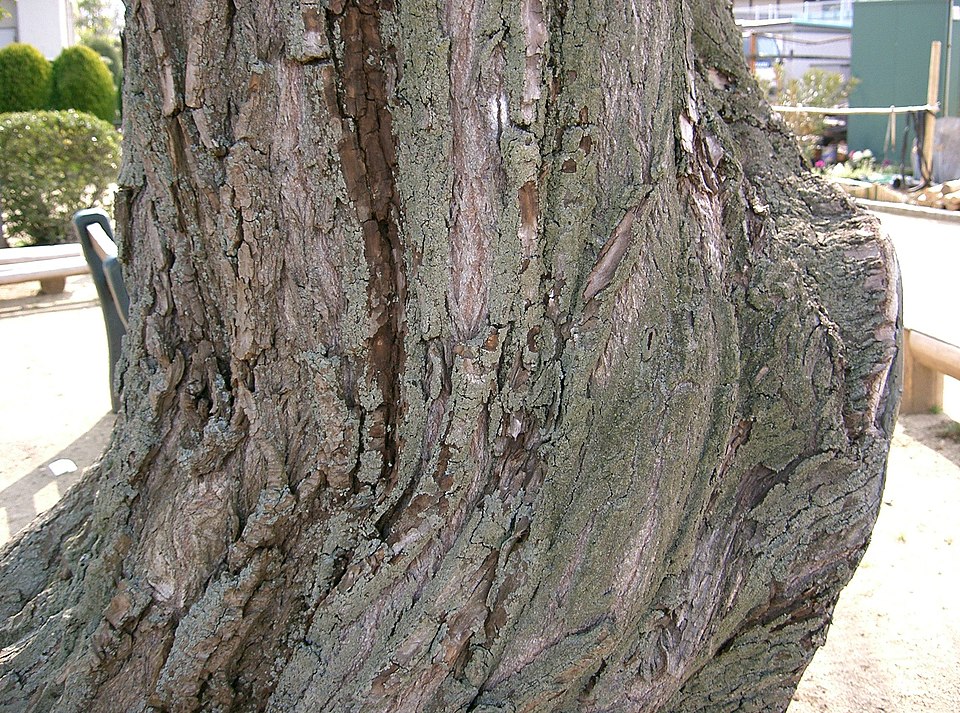
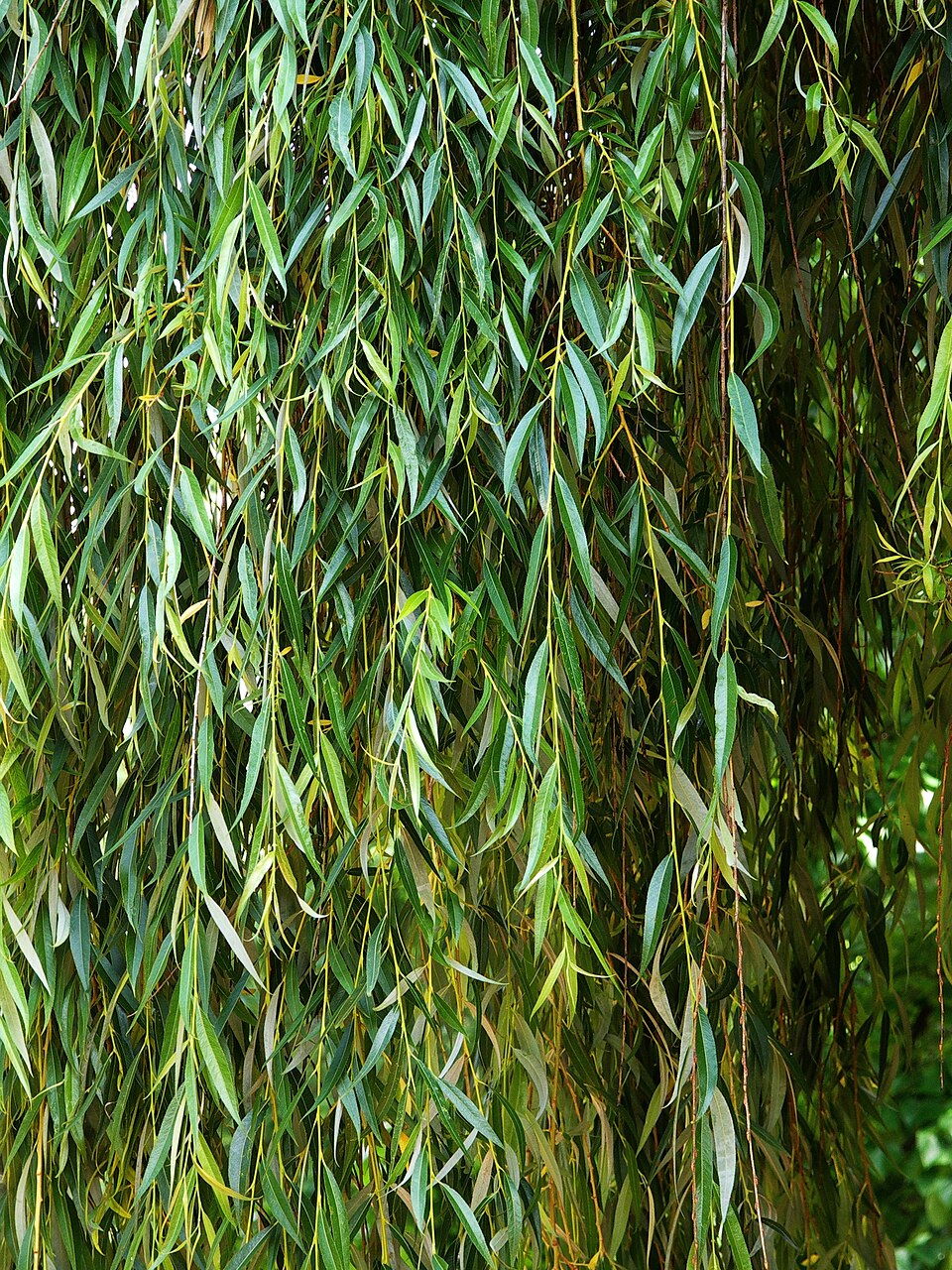
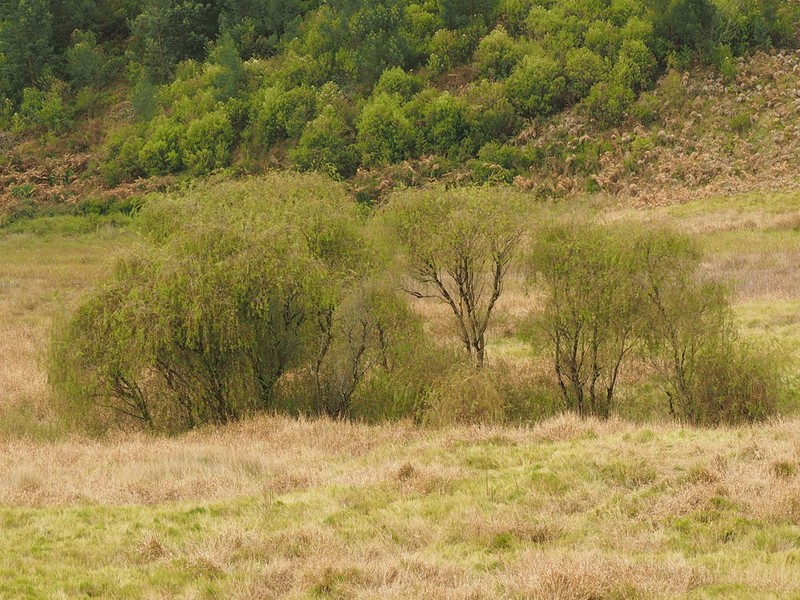
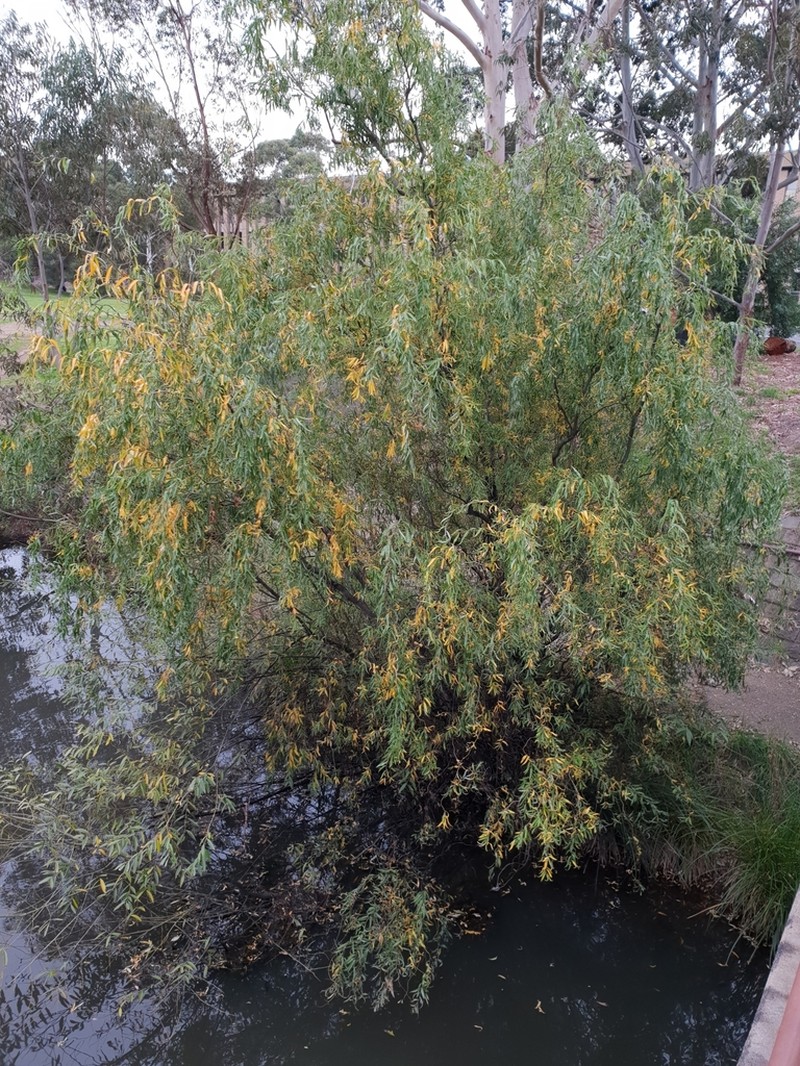
Weeping Willow
Salix babylonica
- Native to:
- China, Korea

Taken by Fanghong
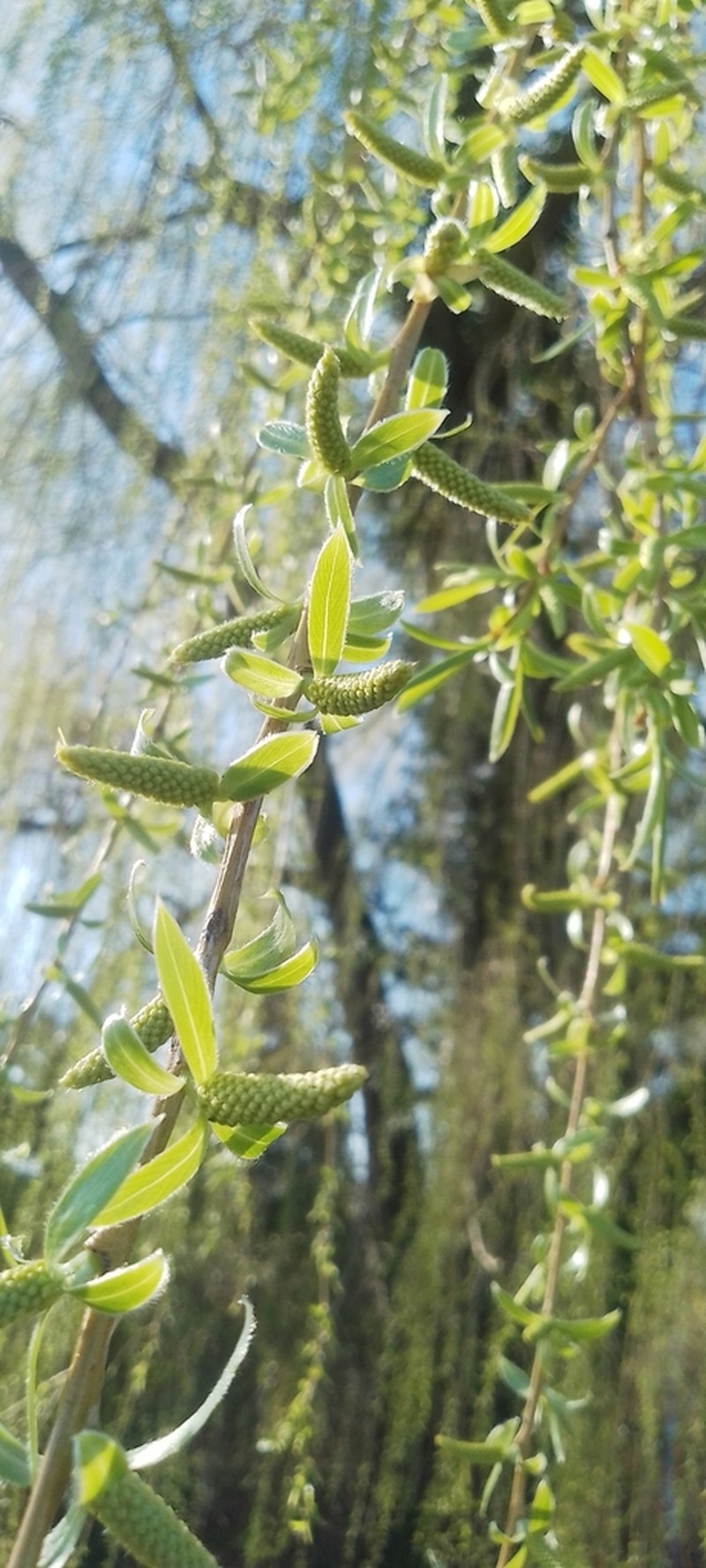

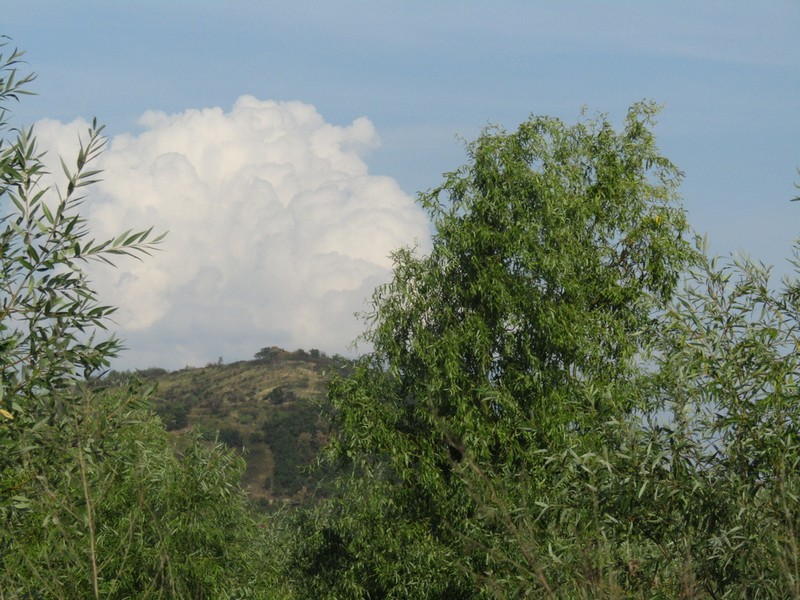
Taxonomy
- Division:
- Magnoliophyta | - Flowering plants
- Family:
- Salicaceae
- Genus:
- Salix
- Species:
- Salix babylonica
- USDA Symbol:
- SABA
Growth Characteristics
- Life Cycle:
- Perennial
- Growth Habit:
- Tree
- Height:
- 1500 cm
- Light Requirements:
- Full Sun
- Drought Tolerance:
- Low
- Bloom Months:
- mar,apr
- Bloom Colors:
- yellow, green
Wildlife Benefits
- Bees:
- ★☆☆☆☆ Documented bee visitation (GBIF)
- Butterflies & Moths:
- ★★★★☆ Documented Lepidoptera association (GBIF)
- Caterpillars:
- ★★★☆☆ Recorded caterpillar host plant (HOSTS Database)
- Hummingbirds:
- ★☆☆☆☆ Documented hummingbird visits (GBIF)
Keystone Species Ranking
- Caterpillar Keystone:
- ★★★★★ Butterfly & moth species supported by this genus (NWF)
- Pollen Specialist Bee Keystone:
- ★★★★★ Native pollen specialist bee species supported by this genus (NWF)
Host Plant for Caterpillars
Acleris hastiana, Automeris zephyria, Brown-tail moth (Euproctis chrysorrhoea), Buck Moth (Hemileuca maia), Calleta silkmoth (Eupackardia calleta), Ceanothus Silkmoth (Hyalophora euryalus), Cecropia moth (Hyalophora cecropia), Clostera apicalis, Clostera cupreata, Columbia silk moth (Hyalophora columbia), Io moth (Automeris io), Louisiana eyed silkmoth (Automeris louisiana), Micrurapteryx salicifoliella, Mother Underwing (Catocala parta), Nevada buck moth (Hemileuca nevadensis), Phyllonorycter salicifoliella, Phyllonorycter scudderella, Polyphemus moth (Antheraea polyphemus), Red-humped caterpillar moth (Schizura concinna), Viceroy (Basilarchia archippus), Western Tiger Swallowtail (Papilio rutulus)
Garden & Ecology Notes
- Wildlife Value:
- birds, butterflies, small mammals
Soil Requirements
- Soil Type:
- fertile, moisture-retentive loam
- pH:
- 5.5 - 7.5 (slightly acidic to neutral)
- Drainage:
- tolerates poor drainage
- Moisture:
- consistently moist
- Notes:
- Prefers riverbanks and wetland areas
Propagation & Germination
- Stratification:
- Cold/moist stratification required — 30–60 days
- Germination Time:
- 14–30 days
- Notes:
- Seeds are short-lived; sow fresh or stratify at 4°C for 30-60 days.