
Bebb Willow
Salix bebbiana
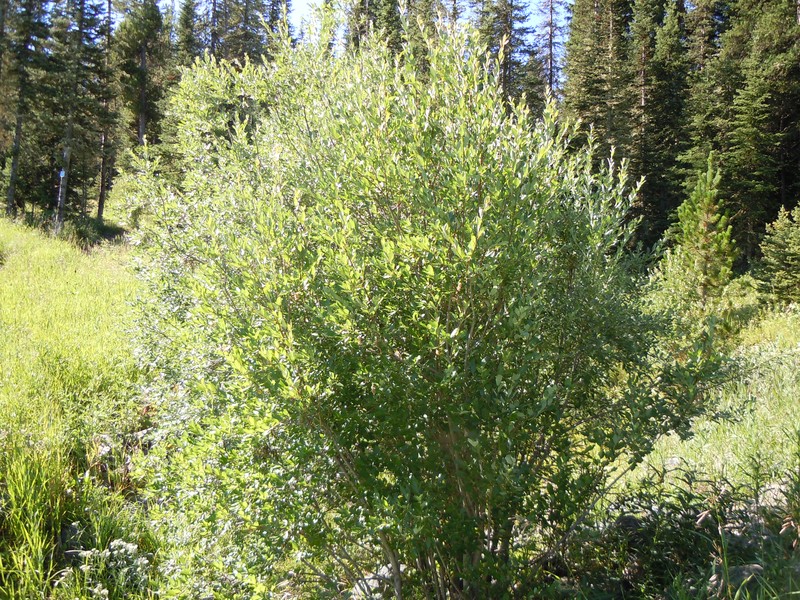
Matt Lavin from Bozeman, Montana, USA
Taxonomy
- Division:
- Magnoliophyta | - Flowering plants
- Family:
- Salicaceae
- Genus:
- Salix
- Species:
- Salix bebbiana
Growth Characteristics
- Life Cycle:
- Perennial
- Growth Habit:
- Shrub , Tree
- Height:
- 20-40 ft
- Light Requirements:
- Full Sun, Part Shade, Shade
- Drought Tolerance:
- High
- Bloom Months:
- apr, may, jun
- Bloom Colors:
- White, Green, Brown
Native Range
United States: Alaska, Arizona, California, Colorado, Connecticut, Iowa, Idaho, Illinois, Indiana, Massachusetts, Maryland, Maine, Michigan, Minnesota, Montana, North Dakota, Nebraska, New Hampshire, New Jersey, New Mexico, Nevada, New York, Ohio, Oregon, Pennsylvania, Rhode Island, South Dakota, Utah, Vermont, Washington, Wisconsin, Wyoming, Canada: Alberta, British Columbia, Manitoba, New Brunswick, Nova Scotia, Northwest Territories, Nunavut, Ontario, Prince Edward Island, Quebec, Saskatchewan, Yukon
Keystone Species Ranking
- Caterpillar Keystone:
- ★☆☆☆☆ Based on number of butterfly and moth species using this genus as host plant (Source: National Wildlife Federation)
- Bee Keystone:
- ★☆☆☆☆ Based on number of native bee species using this genus for pollen and nectar (Source: National Wildlife Federation)
Host Plant for Caterpillars
Reported Fauna Sightings
Soil Requirements
- Soil Type:
- moist, nutrient-rich loamy soil
- pH:
- 5.5 - 7.5 (slightly acidic to neutral)
- Drainage:
- tolerates poor drainage
- Moisture:
- consistently moist
- Notes:
- Commonly found in wetlands and along stream banks
Germination Information
Pre-treatment: Sow cleaned seeds as soon as possible after collection. No stratification required.
Establishment: Identification of female clones is needed for wildland collections. The most critical factor in collection of viable Salix seed is frequent observation of catkin development. Harvest should coincide with the appearance of cotton emerging from partially opened capsules. Seed dispersal usually only takes a few days in a room with dry air and normal working temperatures.
Source: npn.rngr.net