
Bebb Willow
Salix bebbiana
- Native to:
- Canada, China, Finland, Kazakhstan, Korea, Labrador, Norway, Prince Edward I., Russia, Sweden, United States
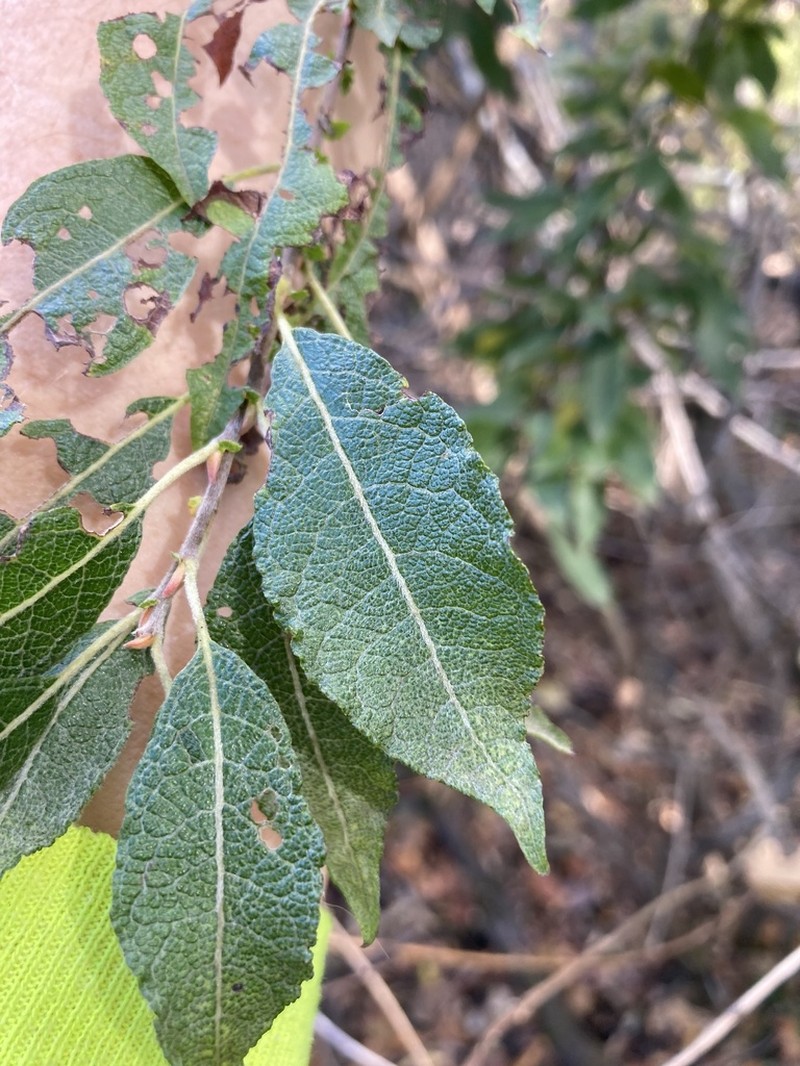
Matt Lavin (www.flickr.com) from Bozeman, Montana, USA
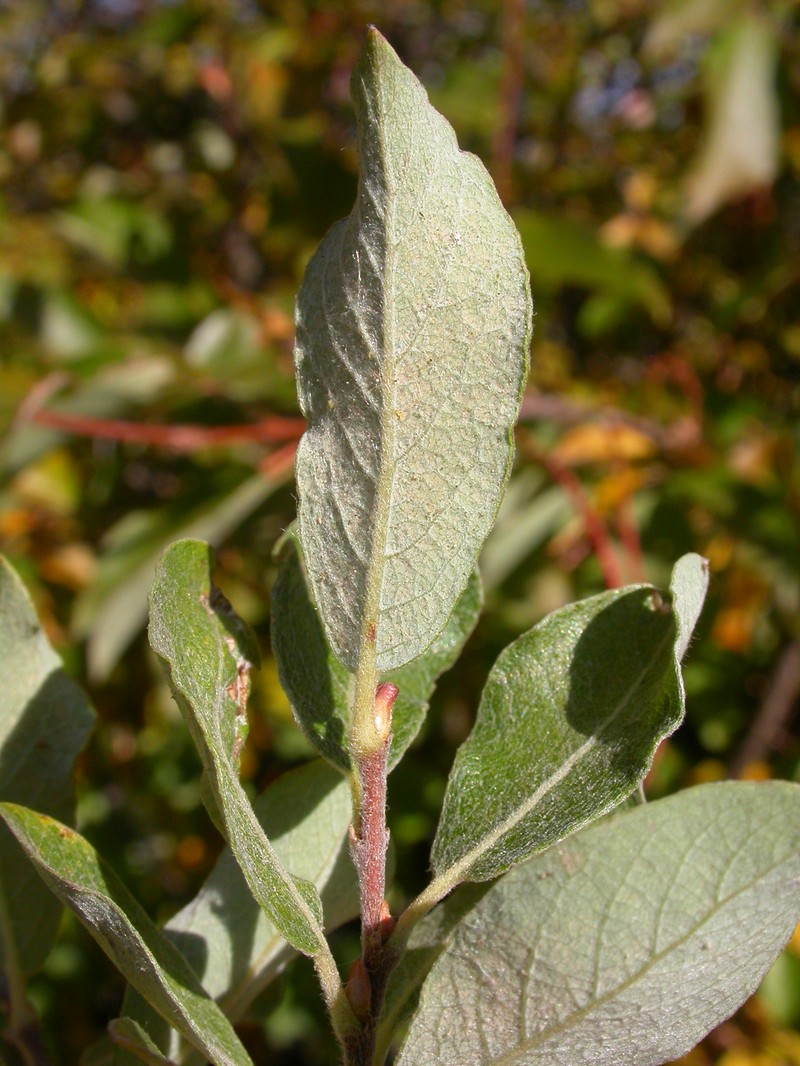
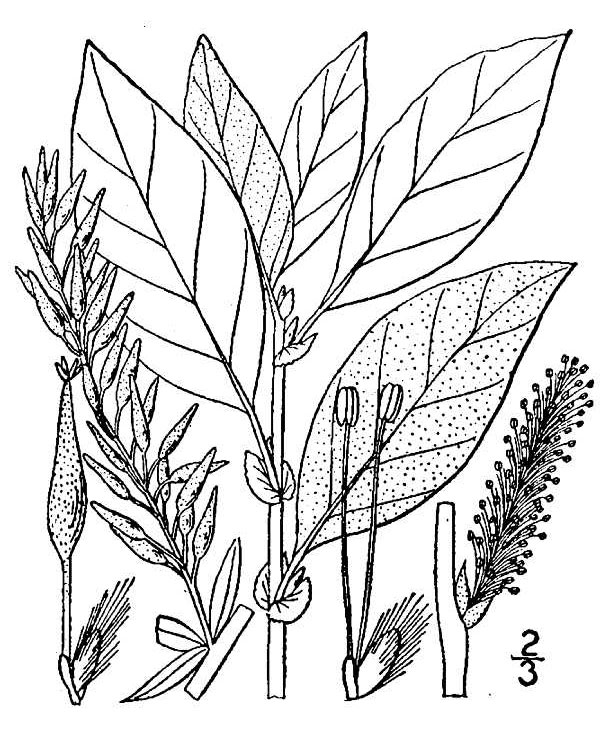
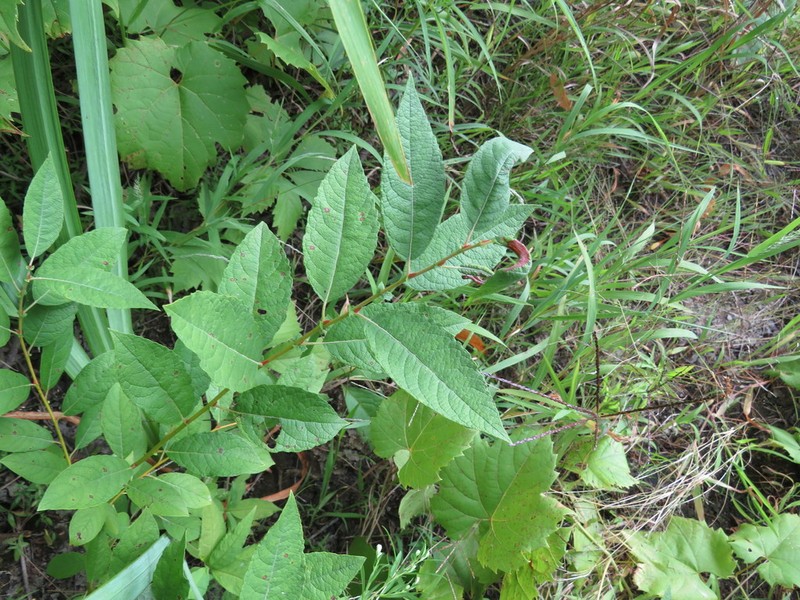
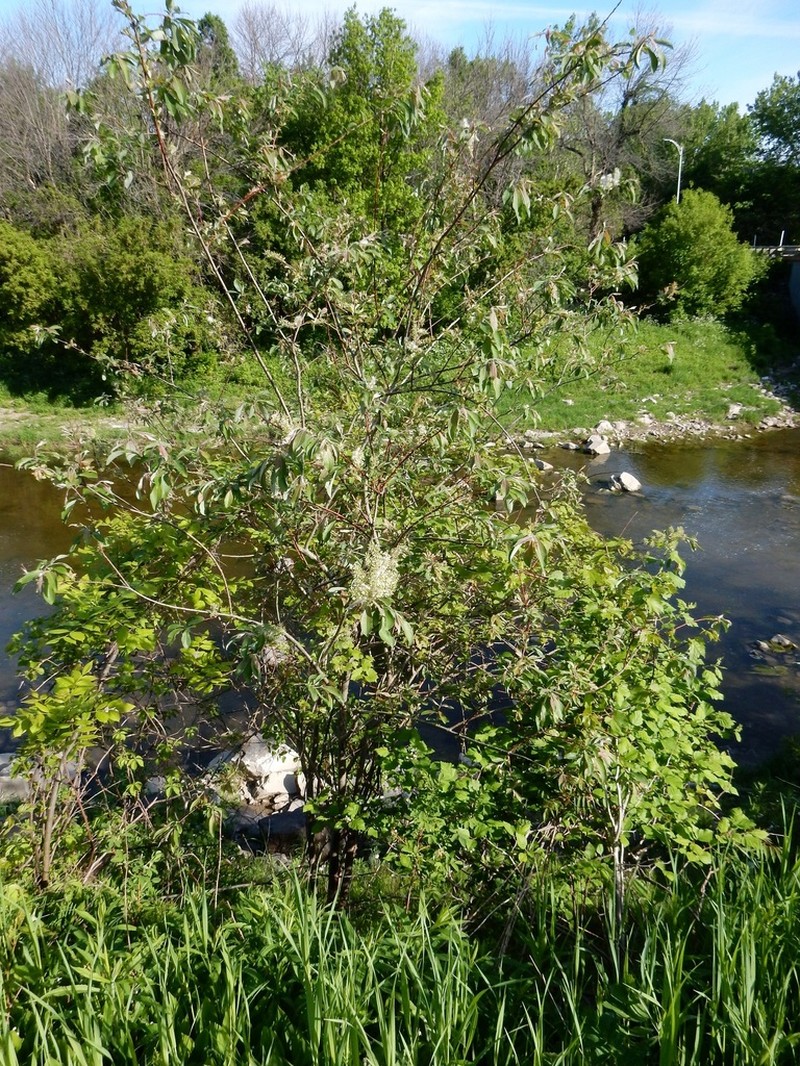
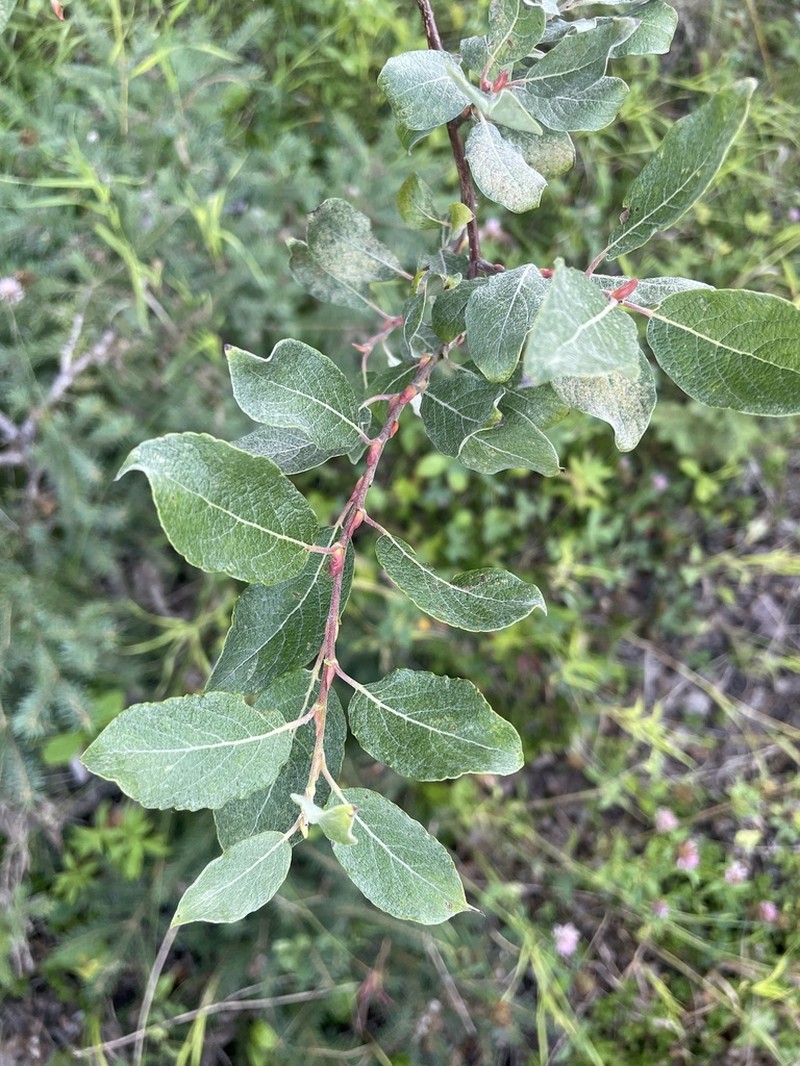
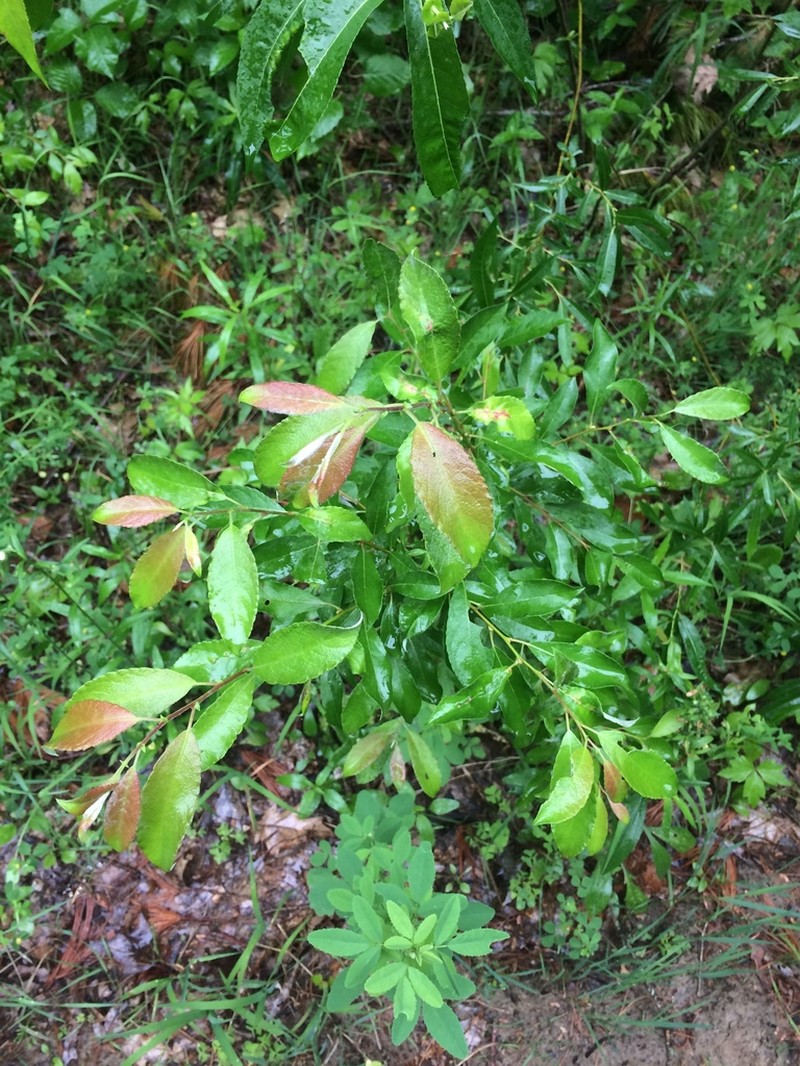
Taxonomy
- Division:
- Magnoliophyta | - Flowering plants
- Family:
- Salicaceae
- Genus:
- Salix
- Species:
- Salix bebbiana
- USDA Symbol:
- SABE2
Growth Characteristics
- Life Cycle:
- Perennial
- Growth Habit:
- Shrub , Tree
- Height:
- 900 cm
- Light Requirements:
- Full Sun,Part Shade,Shade
- Drought Tolerance:
- Low
- Bloom Months:
- apr,may
- Bloom Colors:
- yellow, green
Wildlife Benefits
- Bees:
- ★☆☆☆☆ Documented bee visitation (GBIF)
- Butterflies & Moths:
- ★★★★★ Documented Lepidoptera association (GBIF)
- Caterpillars:
- ★★★★☆ Recorded caterpillar host plant (HOSTS Database)
Keystone Species Ranking
- Caterpillar Keystone:
- ★★★★★ Butterfly & moth species supported by this genus (NWF)
- Pollen Specialist Bee Keystone:
- ★★★★★ Native pollen specialist bee species supported by this genus (NWF)
Host Plant for Caterpillars
Acronicta dactylina, Acronicta noctivaga, Agonopterix argillacea, Amanda's Pinion (Lithophane amanda), Angle-lined Prominent (Clostera inclusa), Archips mortuana, Archips myricana, Coleophora atlantica, common eupithecia (Eupithecia miserulata), Eueretagrotis perattentus, fruit-tree leafroller (Archips argyrospila), Goldilocks moth (Lithomoia solidaginis), Gray Furcula (Furcula cinerea), Gypsonoma salicicolana, Herald (Scoliopteryx libatrix), Lace-winged zale (Zale minerea), large looper moth (Autographa ampla), Melanchra assimilis, Mesothea incertata, Nevada buckmoth (Hemileuca nevadensis-complex), One-eyed sphinx (Smerinthus cerisyi), Pale beauty (Campaea perlata), Phyllonorycter salicifoliella, Phyllonorycter scudderella, Polyphemus moth (Antheraea polyphemus), Rusty Tussock Moth (Orgyia antiqua), Spiramater lutra, Striped Garden Caterpillar Moth (Trichordestra legitima), Twin-spotted sphinx (Smerinthus jamaicensis), Western furcula moth (Furcula occidentalis), wheatear sallow (Lithophane fagina), Xestia oblata, Dreamy Duskywing (Erynnis icelus), Red-spotted Purple (Basilarchia arthemis)
Garden & Ecology Notes
- Wildlife Value:
- birds, butterflies, small mammals, beaver
- Fall Color:
- yellow
- Fire Ecology:
- Fire adapted — tolerates or benefits from fire
- Fire Notes:
- Suckers vigorously after top-kill by fire; often colonizes burned or disturbed wet sites.
Soil Requirements
- Soil Type:
- moist, nutrient-rich loamy soil
- pH:
- 5.5 - 7.5 (slightly acidic to neutral)
- Drainage:
- tolerates poor drainage
- Moisture:
- consistently moist
- Notes:
- Commonly found in wetlands and along stream banks
Propagation & Germination
- Stratification:
- Cold/moist stratification required — 30–60 days
- Germination Time:
- 14–30 days
- Notes:
- Seeds are short-lived; sow fresh on moist soil surface without covering. Cold stratification improves germination of stored seed.
Pre-treatment: Sow cleaned seeds as soon as possible after collection. No stratification required.
Establishment: Identification of female clones is needed for wildland collections. The most critical factor in collection of viable Salix seed is frequent observation of catkin development. Harvest should coincide with the appearance of cotton emerging from partially opened capsules. Seed dispersal usually only takes a few days in a room with dry air and normal working temperatures.
Source: npn.rngr.net