
Booth's Willow
Salix boothii
- Native to:
- Canada, United States
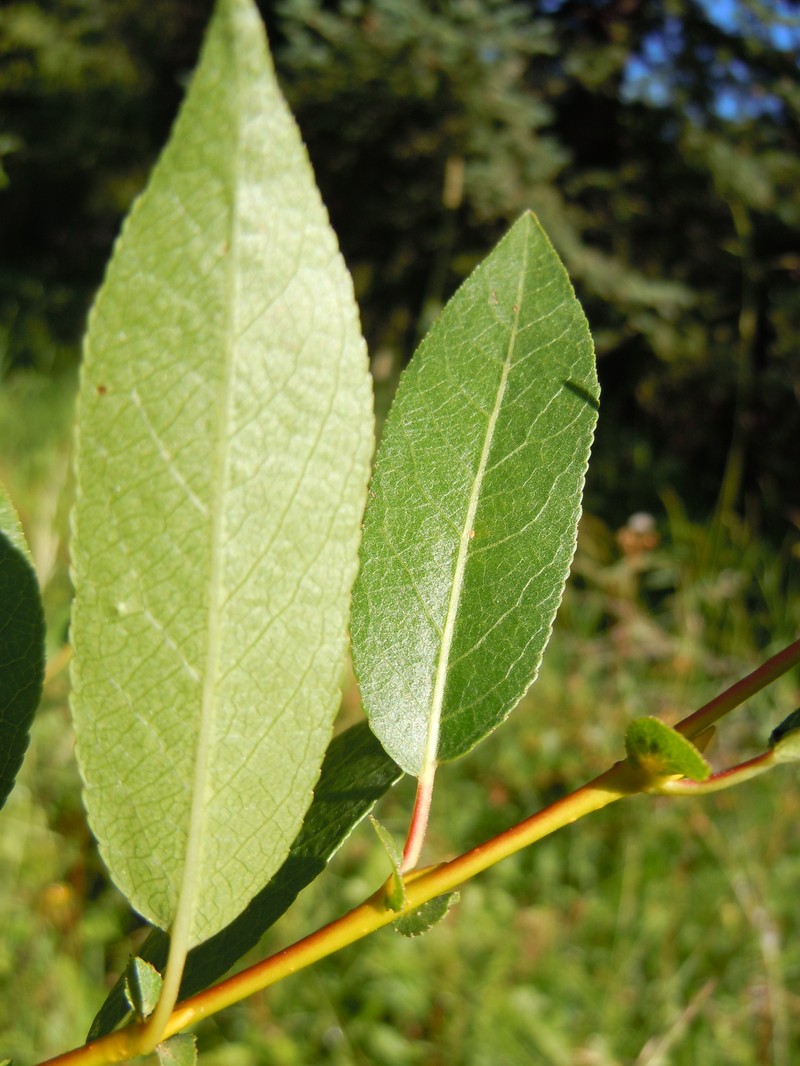
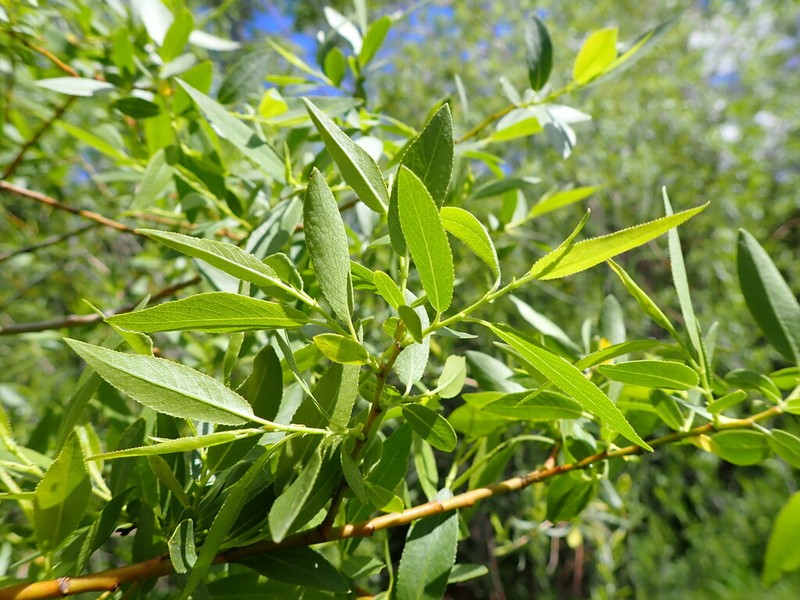
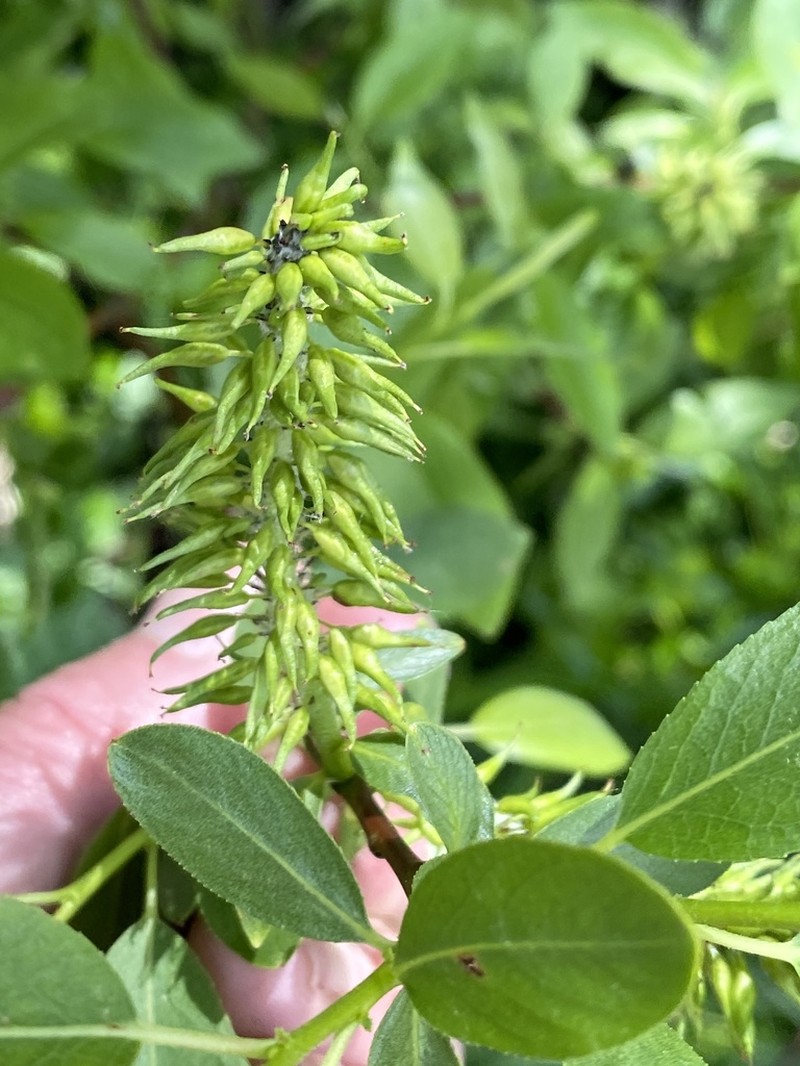
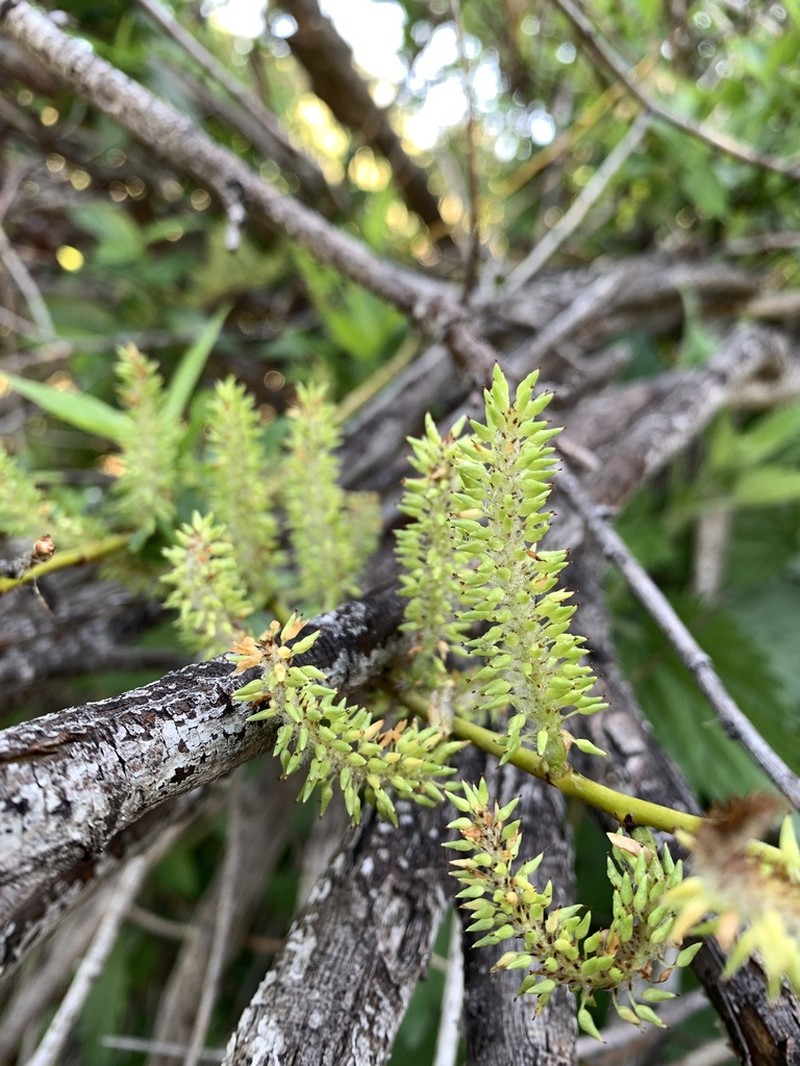
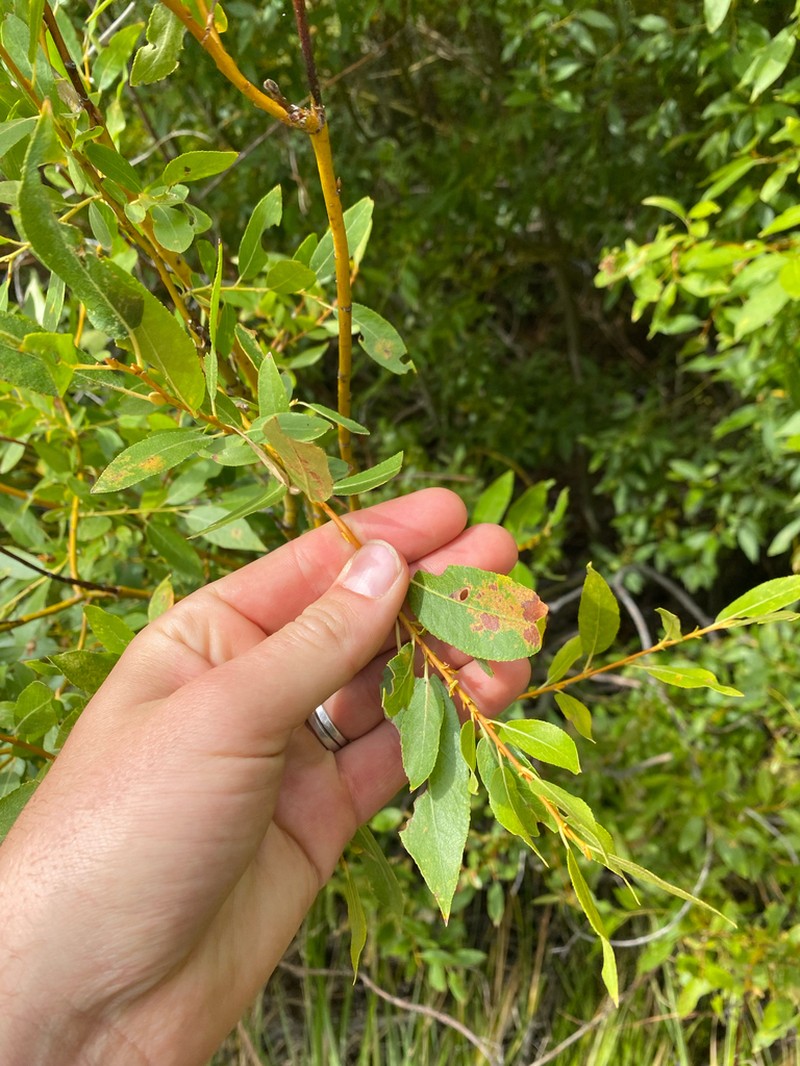
Matt Lavin (www.flickr.com)
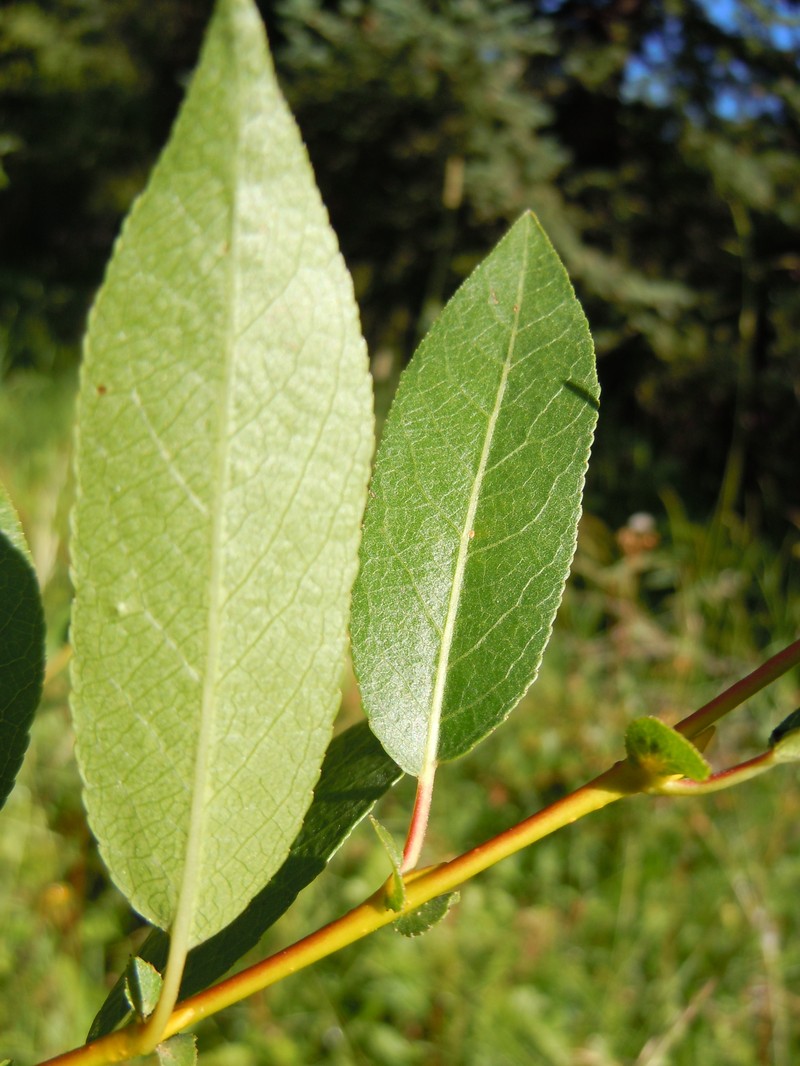
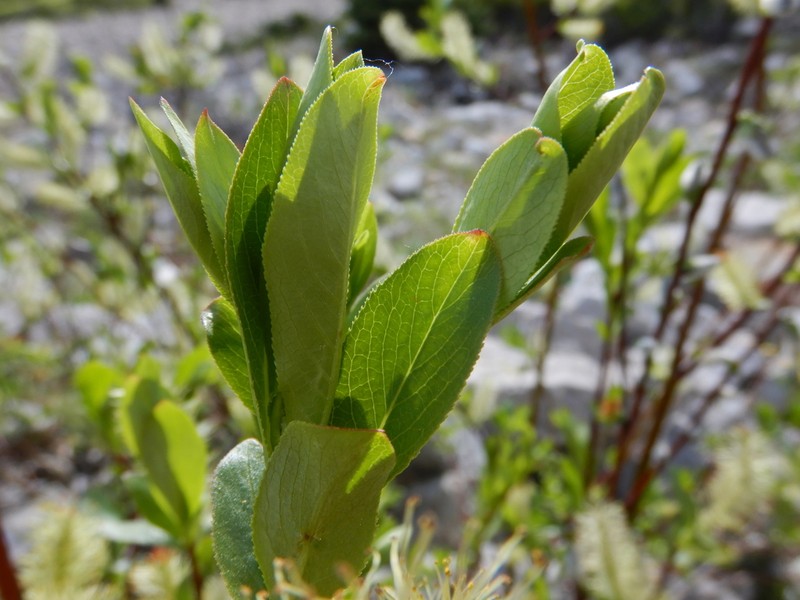
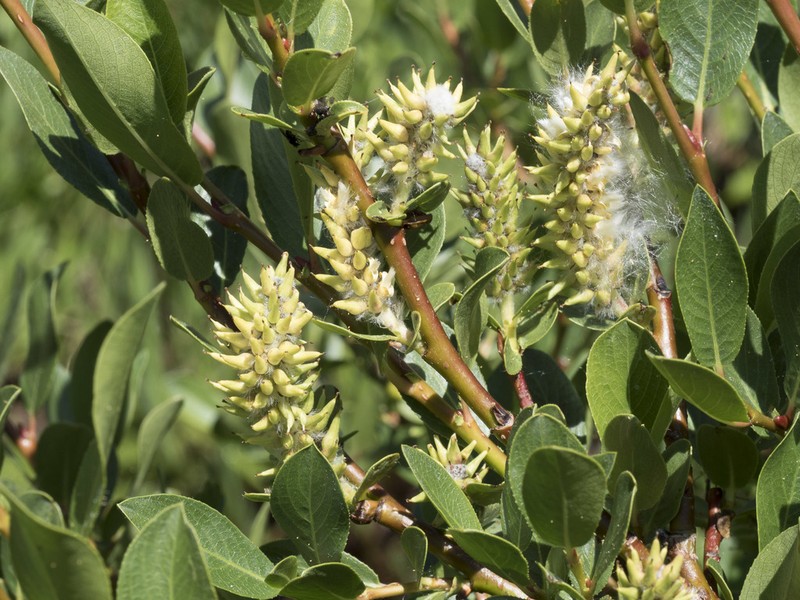
Taxonomy
- Division:
- Magnoliophyta | - Flowering plants
- Family:
- Salicaceae
- Genus:
- Salix
- Species:
- Salix boothii
- USDA Symbol:
- SABO2
Growth Characteristics
- Life Cycle:
- Perennial
- Growth Habit:
- Shrub
- Height:
- 500 cm
- Light Requirements:
- Full Sun
- Drought Tolerance:
- Low
- Bloom Months:
- apr,may,jun
- Bloom Colors:
- yellow, green
Wildlife Benefits
- Bees:
- ★☆☆☆☆ Documented bee visitation (GBIF)
- Butterflies & Moths:
- ★☆☆☆☆ Documented Lepidoptera association (GBIF)
- Caterpillars:
- ★☆☆☆☆ Recorded caterpillar host plant (HOSTS Database)
Keystone Species Ranking
- Caterpillar Keystone:
- ★★★★★ Butterfly & moth species supported by this genus (NWF)
- Pollen Specialist Bee Keystone:
- ★★★★★ Native pollen specialist bee species supported by this genus (NWF)
Host Plant for Caterpillars
Eastern Tiger Swallowtail (Papilio glaucus)
Garden & Ecology Notes
- Wildlife Value:
- bees, butterflies, birds, small mammals
- Fire Ecology:
- Fire adapted — tolerates or benefits from fire
- Fire Notes:
- Resprouts vigorously from root crowns after fire; often colonizes burned riparian areas.
Soil Requirements
- Soil Type:
- moist, nutrient-rich, loamy soil
- pH:
- 5.5 - 7.5 (slightly acidic to neutral)
- Drainage:
- tolerates poor drainage
- Moisture:
- consistently moist
- Notes:
- Commonly found in riparian zones and wetlands.
Propagation & Germination
- Stratification:
- Cold/moist stratification required — 30–60 days
- Germination Time:
- 14–30 days
- Notes:
- Seeds are short-lived and should be sown fresh; no pretreatment needed if sown immediately.
Pre-treatment: None required
Establishment: S. boothii is found throughout western United States and Canada in montane and subalpine riparian areas. Cuttings are collected from stooling beds that are hedged to maintain juvenile wood that is straight and for ease of handling and sticking in field beds. Wild collections are also grown at our nursery and kept separated according to source.
Source: npn.rngr.net