
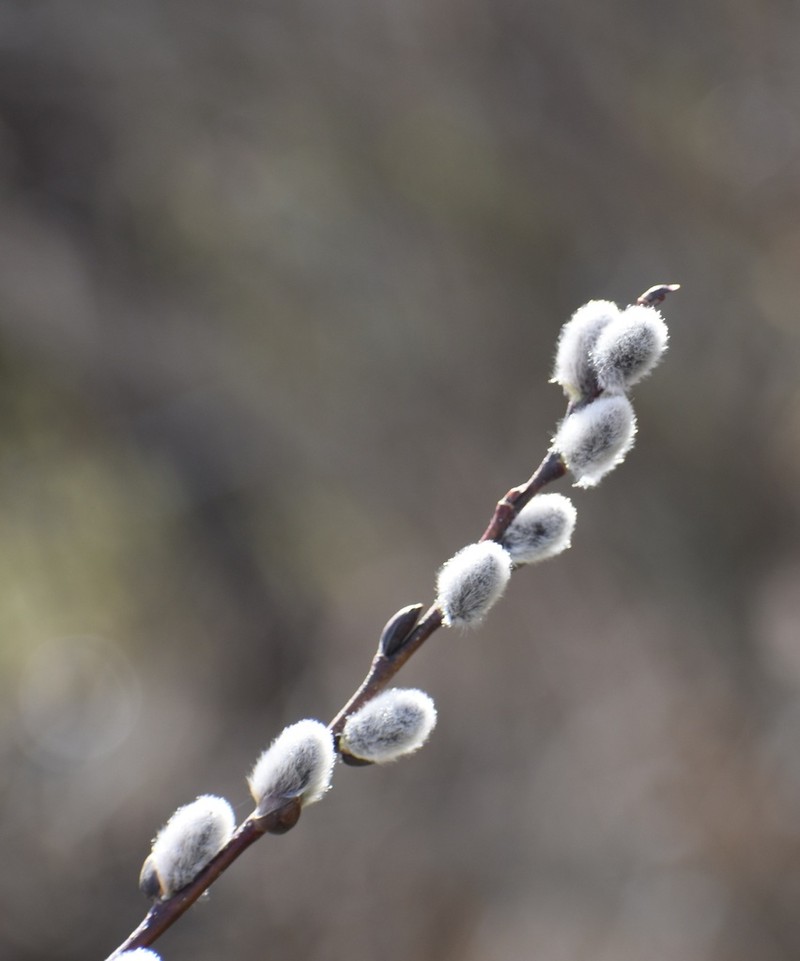
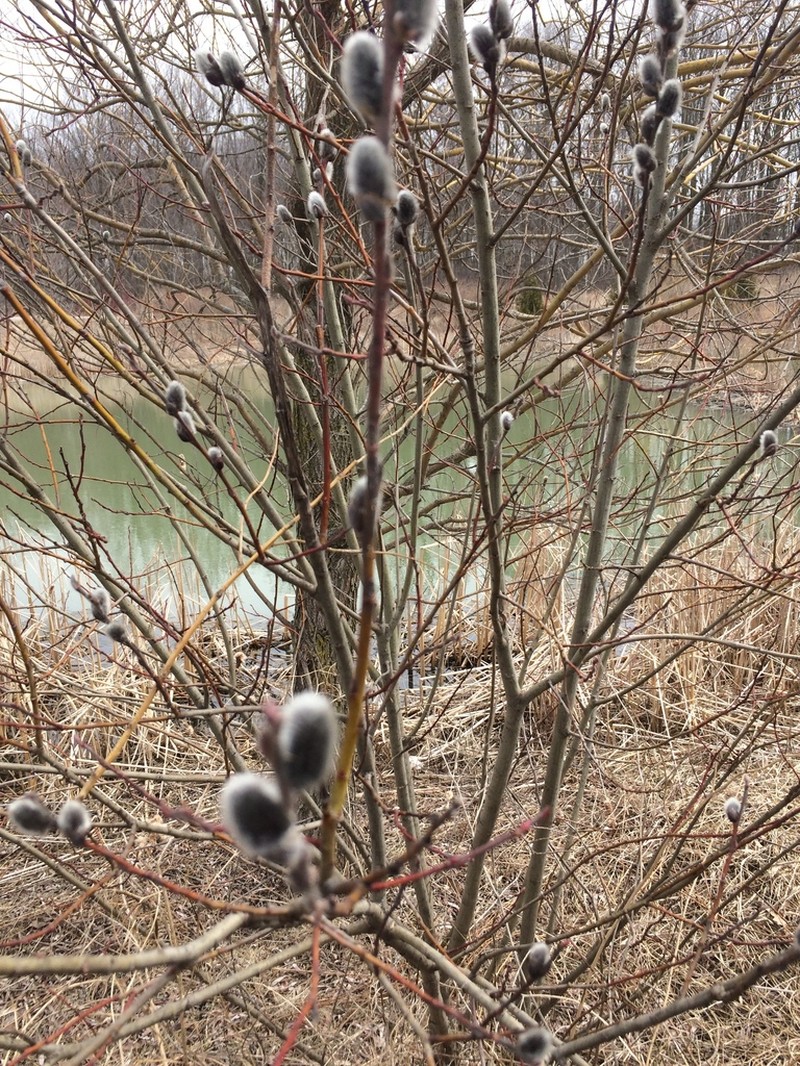
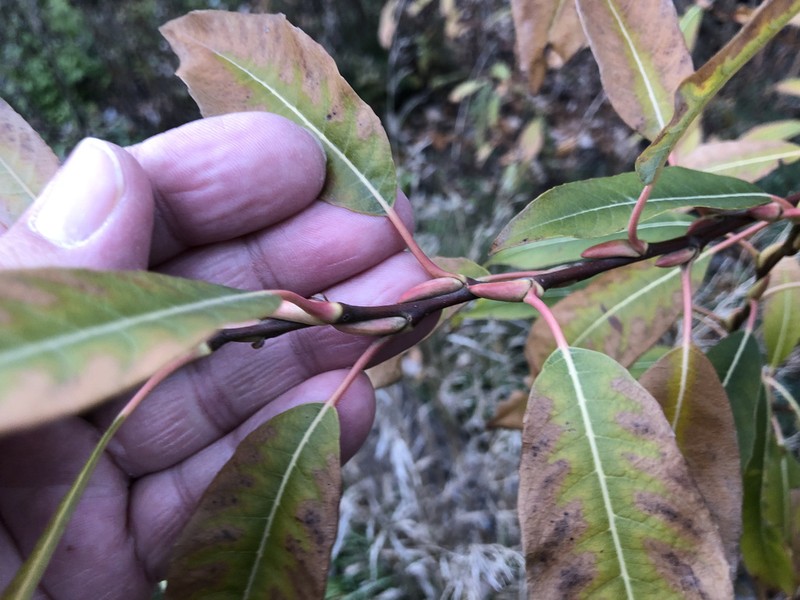
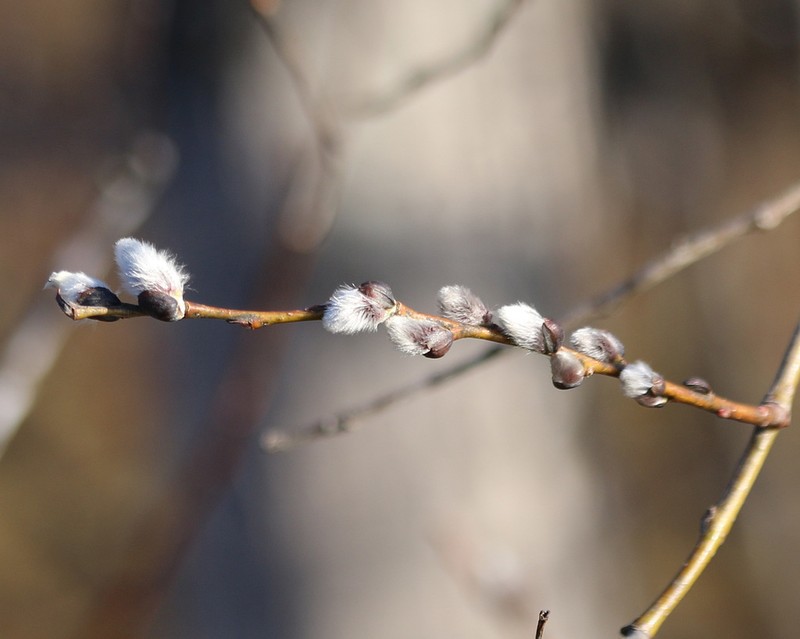
Pussy Willow
Salix discolor
- Native to:
- Canada, Labrador, Prince Edward I., United States
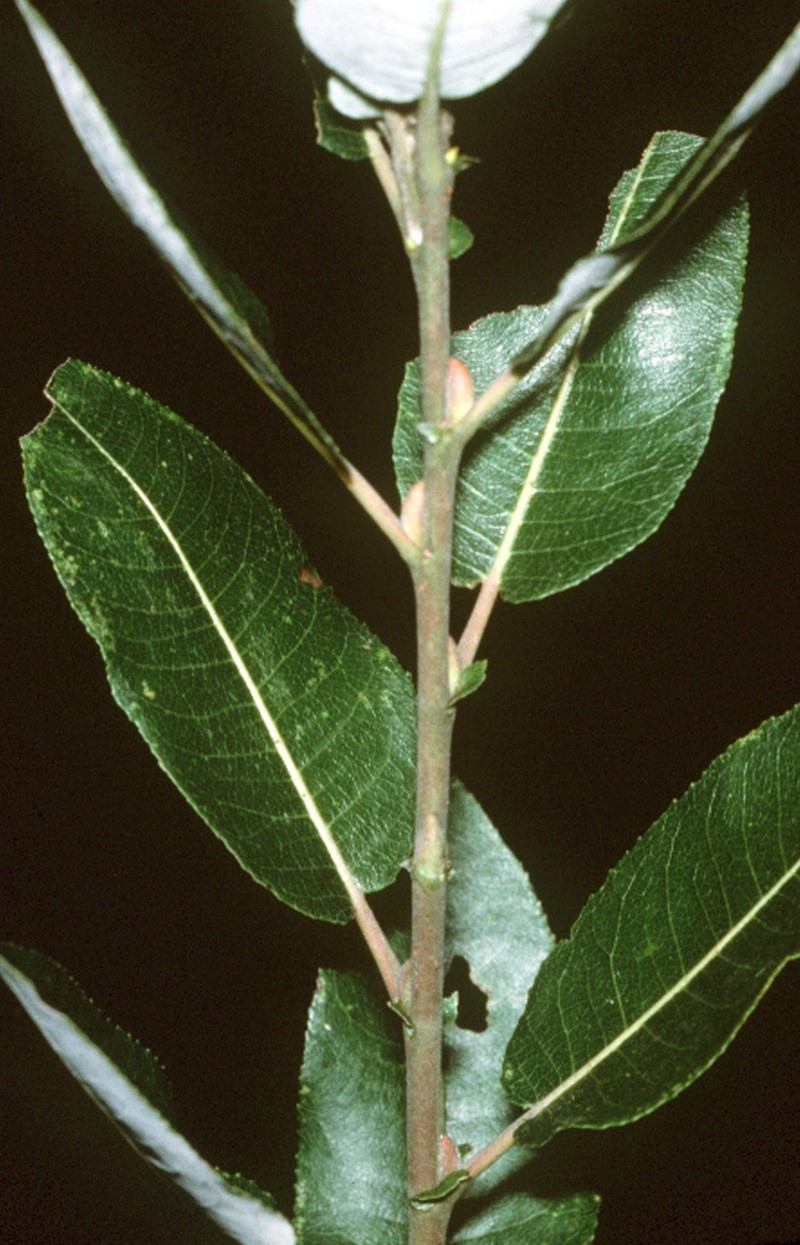
iNaturalist: © akilee (iNaturalist #152328115)
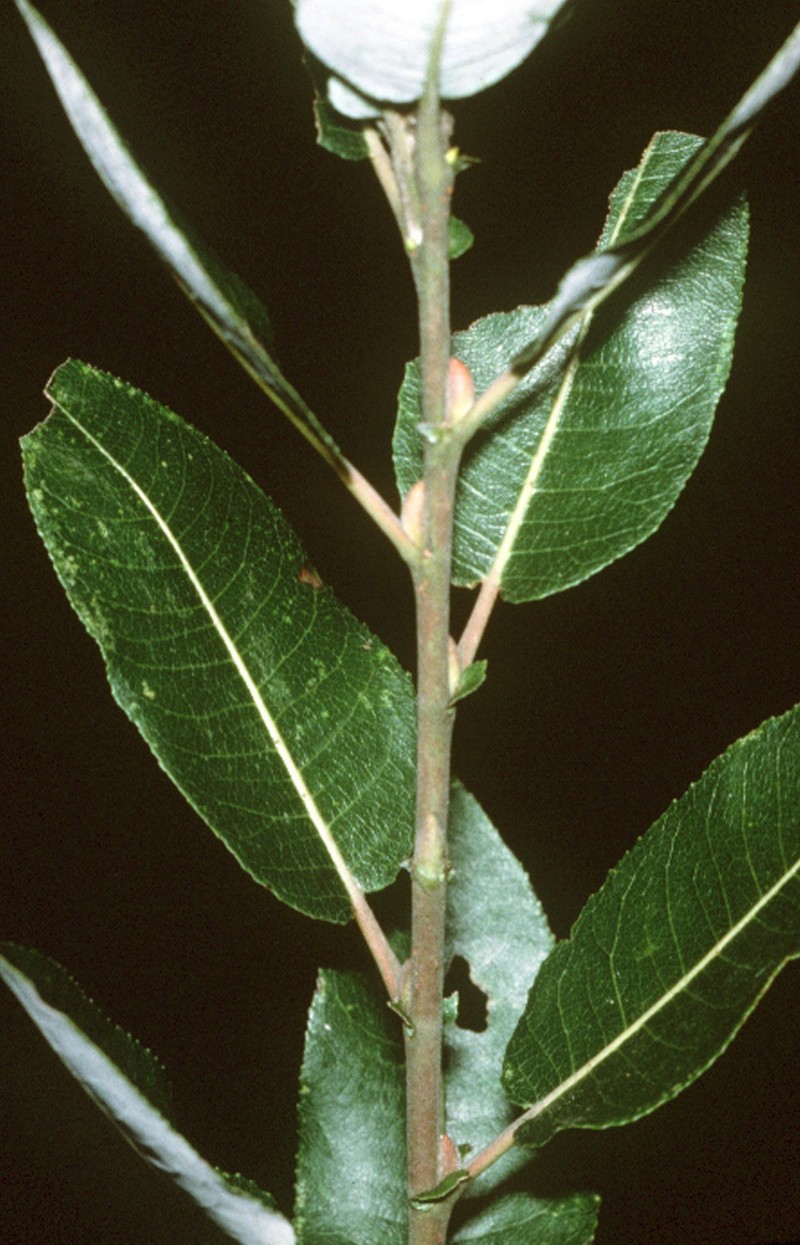
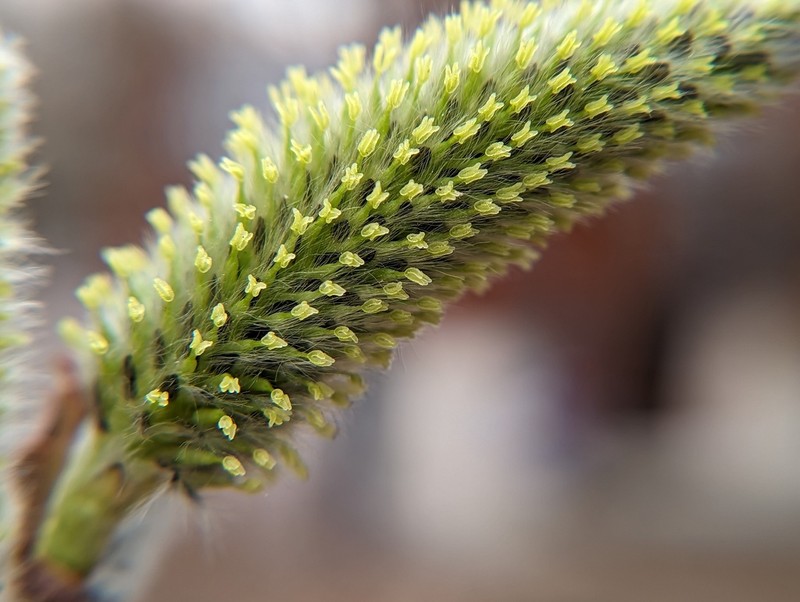
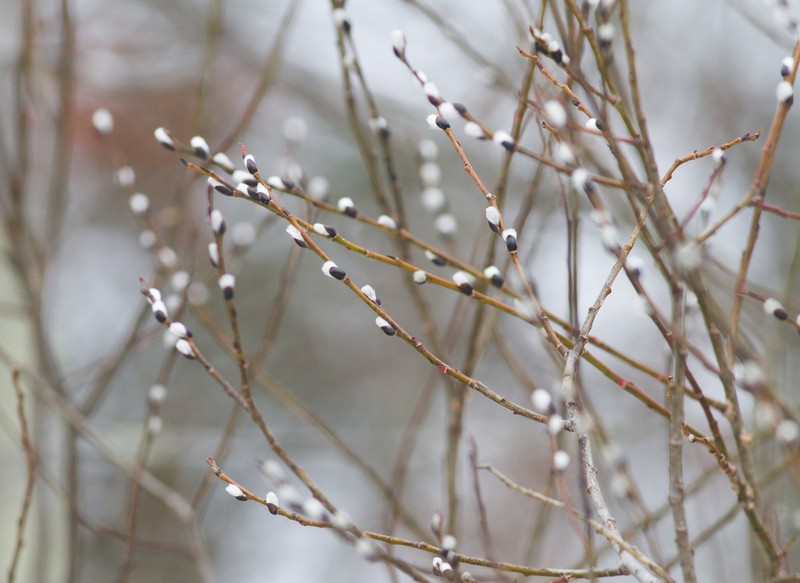
Taxonomy
- Division:
- Magnoliophyta | - Flowering plants
- Family:
- Salicaceae
- Genus:
- Salix
- Species:
- Salix discolor
- USDA Symbol:
- SADI
Growth Characteristics
- Life Cycle:
- Perennial
- Growth Habit:
- Shrub , Tree
- Height:
- 900 cm
- Light Requirements:
- Full Sun
- Drought Tolerance:
- Low
- Bloom Months:
- mar,apr
- Bloom Colors:
- yellow, green
- Landscaping Shrub:
- Yes
Wildlife Benefits
- Bees:
- ★★☆☆☆ Documented bee visitation (GBIF)
- Butterflies & Moths:
- ★★★★★ Documented Lepidoptera association (GBIF)
- Caterpillars:
- ★★★☆☆ Recorded caterpillar host plant (HOSTS Database)
Keystone Species Ranking
- Caterpillar Keystone:
- ★★★★★ Butterfly & moth species supported by this genus (NWF)
- Pollen Specialist Bee Keystone:
- ★★★★★ Native pollen specialist bee species supported by this genus (NWF)
Host Plant for Caterpillars
Acleris implexana, Acleris walkerana, Ceanothus Silkmoth (Hyalophora euryalus), Cecropia moth (Hyalophora cecropia), Clematis Sphinx (Sphinx luscitiosa), Columbia silk moth (Hyalophora columbia), Elegant Sheep Moth (Hemileuca eglanterina), Gypsy moth (Lymantria dispar), Lebeau's silk moth (Rothschildia lebeau), Mesothea incertata, Nevada buck moth (Hemileuca nevadensis), Nevada buckmoth (Hemileuca nevadensis-complex), Phyllonorycter scudderella, Rothschildia jorulla, Stigmella fuscotibiella, Acadian Hairstreak (Satyrium acadicum)
Reported Fauna Sightings
Bees: Tri-colored bumble bee (Bombus ternarius), ⚠️Western honey bee (Apis mellifera) Moths:Gray Furcula (Furcula cinerea) Butterflies:Mourning Cloak (Nymphalis antiopa), Red Admiral (Vanessa atalanta), Viceroy butterfly (Limenitis archippus)
Garden & Ecology Notes
- Wildlife Value:
- bees, butterflies, birds, small mammals
- Fall Color:
- yellow
Soil Requirements
- Soil Type:
- moist, fertile, well-drained loam
- pH:
- 5.5 - 7.5 (slightly acidic to neutral)
- Drainage:
- tolerates poor drainage
- Moisture:
- consistently moist
- Notes:
- Often found in wetlands and along streams
Propagation & Germination
- Stratification:
- Cold/moist stratification required — 30–60 days
- Germination Time:
- 14–30 days
- Notes:
- Seeds are short-lived and should be sown fresh; no pretreatment needed if sown immediately.
Where to Buy
Nationwide Seller
- Prairie Moon Nursery (nursery and seeds)
- Native Plants Nursery (nursery)