
Missouri River Willow
Salix eriocephala
- Native to:
- Canada, Prince Edward I., United States, Virgin Islands
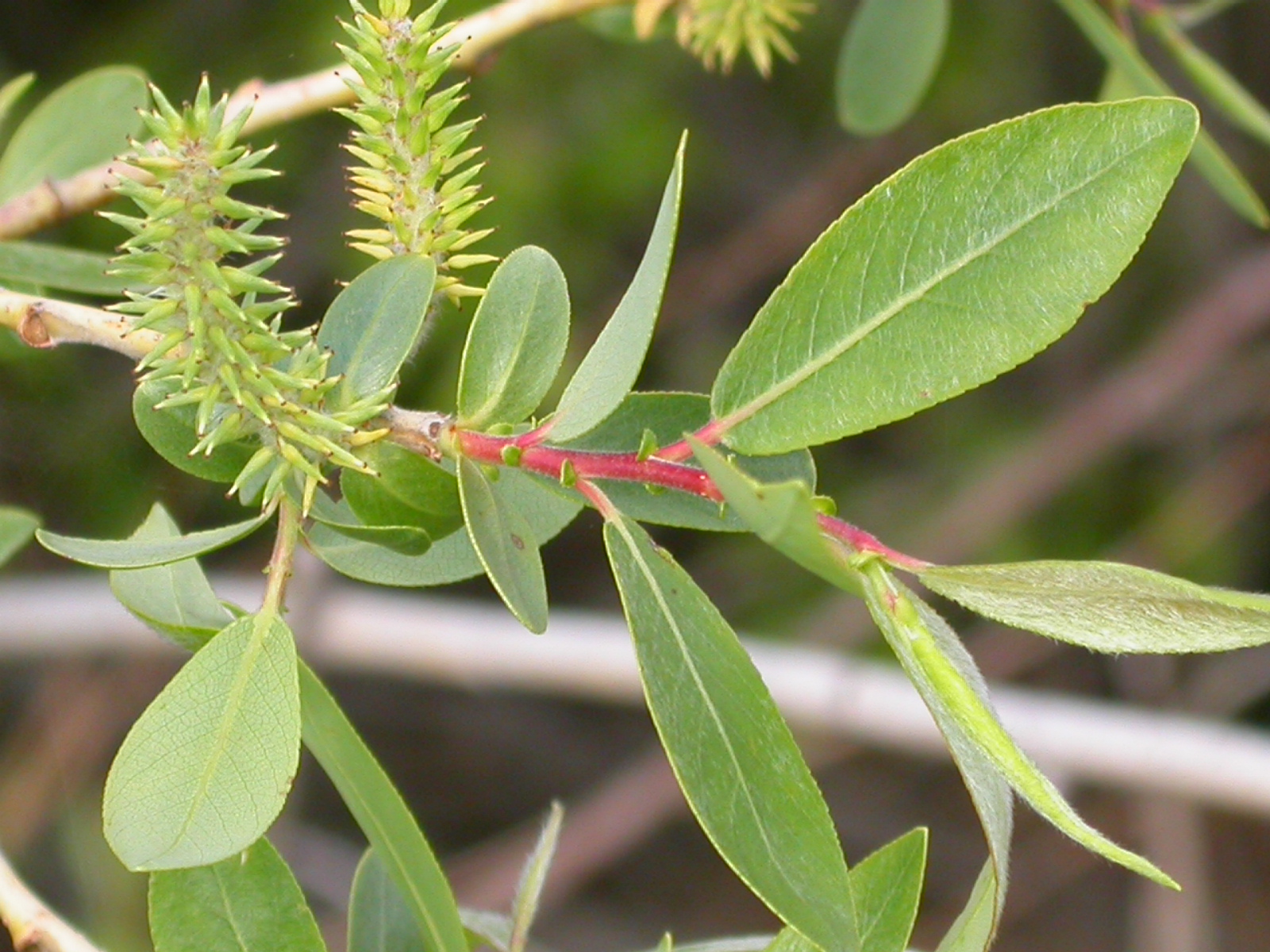
Matt Lavin (www.flickr.com)
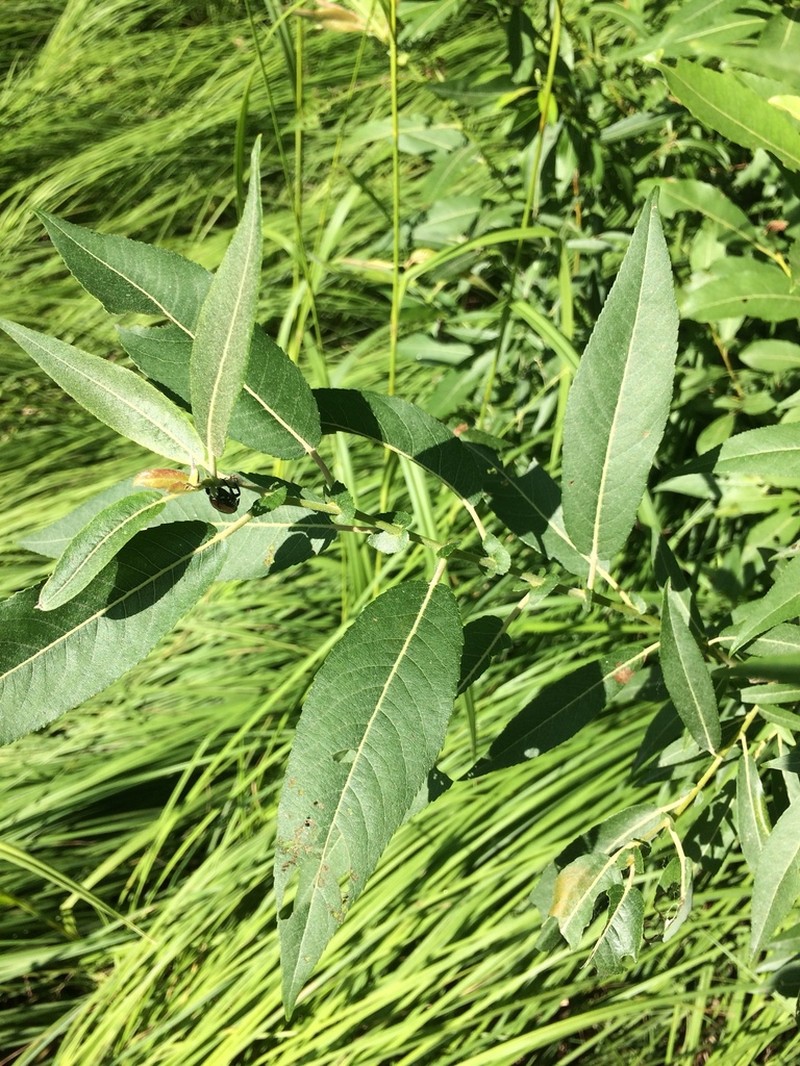
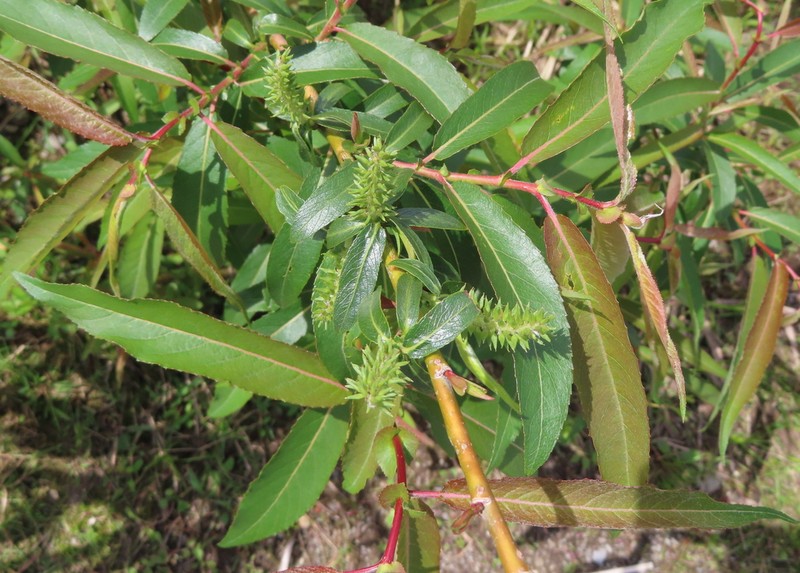
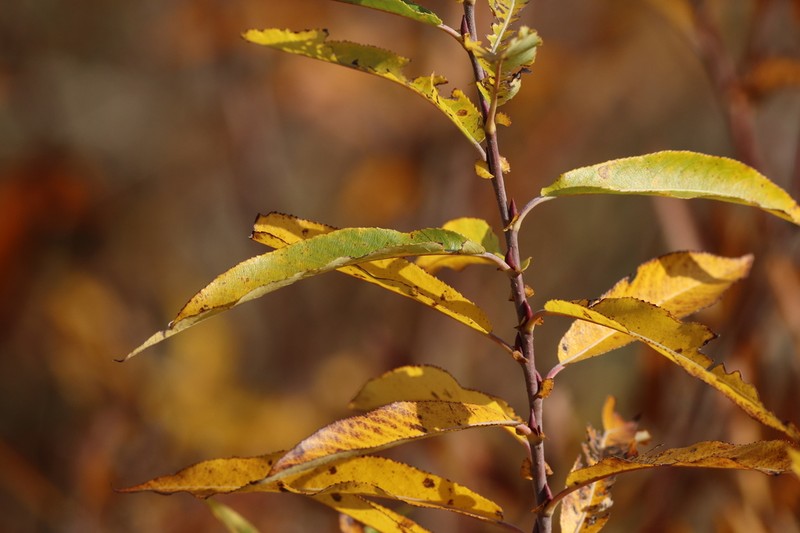
Taxonomy
- Division:
- Magnoliophyta | - Flowering plants
- Family:
- Salicaceae
- Genus:
- Salix
- Species:
- Salix eriocephala
- USDA Symbol:
- SAER
Growth Characteristics
- Life Cycle:
- Perennial
- Growth Habit:
- Shrub , Tree
- Height:
- 900 cm
- Light Requirements:
- Full Sun
- Drought Tolerance:
- Low
- Bloom Months:
- mar,apr,may
- Bloom Colors:
- yellow, green
Wildlife Benefits
- Bees:
- ★☆☆☆☆ Documented bee visitation (GBIF)
- Butterflies & Moths:
- ★☆☆☆☆ Documented Lepidoptera association (GBIF)
- Caterpillars:
- ★☆☆☆☆ Recorded caterpillar host plant (HOSTS Database)
Keystone Species Ranking
- Caterpillar Keystone:
- ★★★★★ Butterfly & moth species supported by this genus (NWF)
- Pollen Specialist Bee Keystone:
- ★★★★★ Native pollen specialist bee species supported by this genus (NWF)
Host Plant for Caterpillars
large looper moth (Autographa ampla), Melanchra assimilis, modest furcula (Furcula modesta), Spiramater lutra, White Underwing (Catocala relicta)
Garden & Ecology Notes
- Wildlife Value:
- bees, butterflies, birds, small mammals
- Fall Color:
- yellow
Soil Requirements
- Soil Type:
- moist, fertile, well-drained loamy soil
- pH:
- 5.5 - 7.5 (slightly acidic to neutral)
- Drainage:
- tolerates poor drainage
- Moisture:
- consistently moist
- Notes:
- Commonly found near streams and wetlands
Propagation & Germination
- Stratification:
- Cold/moist stratification required — 30–60 days
- Germination Time:
- 14–30 days
- Notes:
- Seeds are short-lived; sow fresh on moist soil surface. Cold stratification may improve germination of stored seed.