
Goodding's Willow
Salix gooddingii
- Native to:
- Mexico, United States
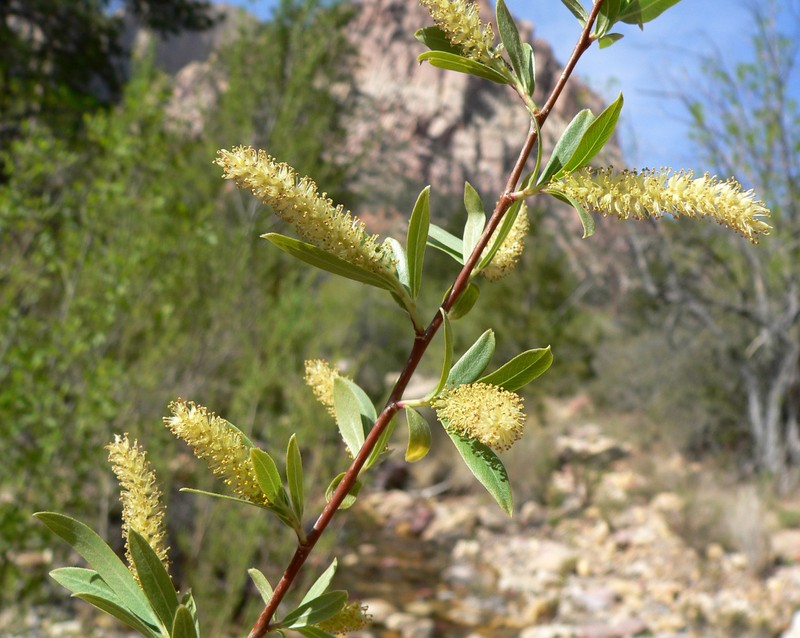
Stan Shebs
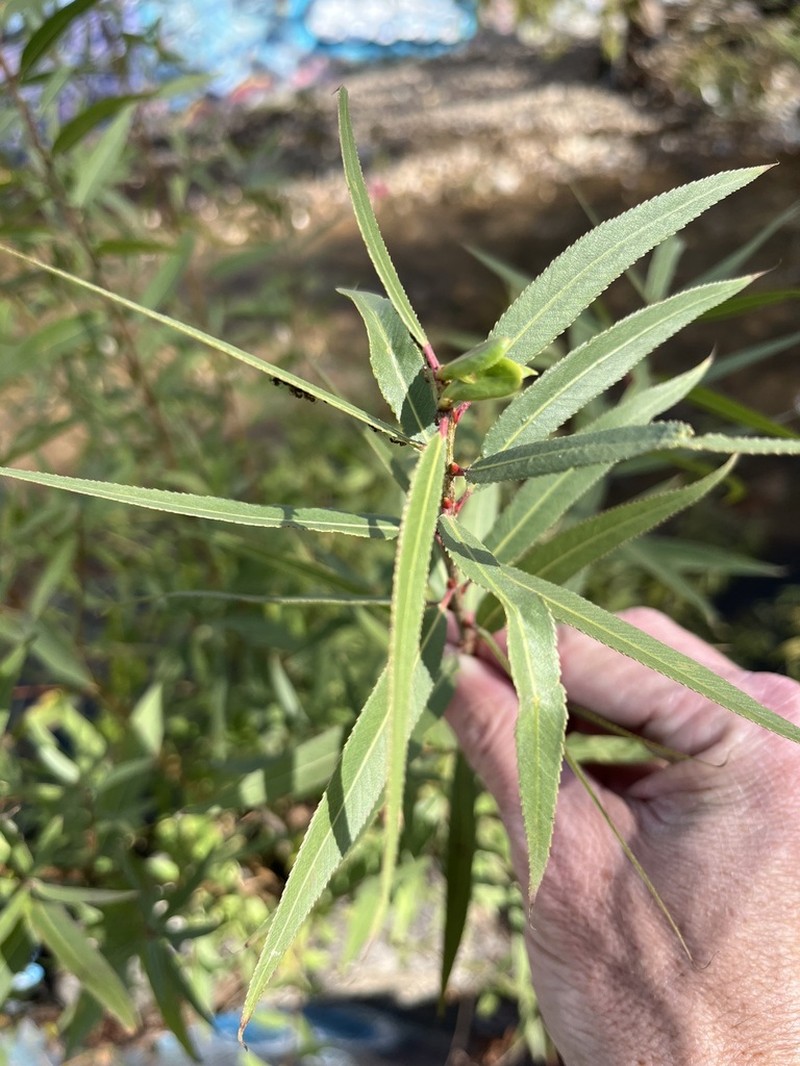
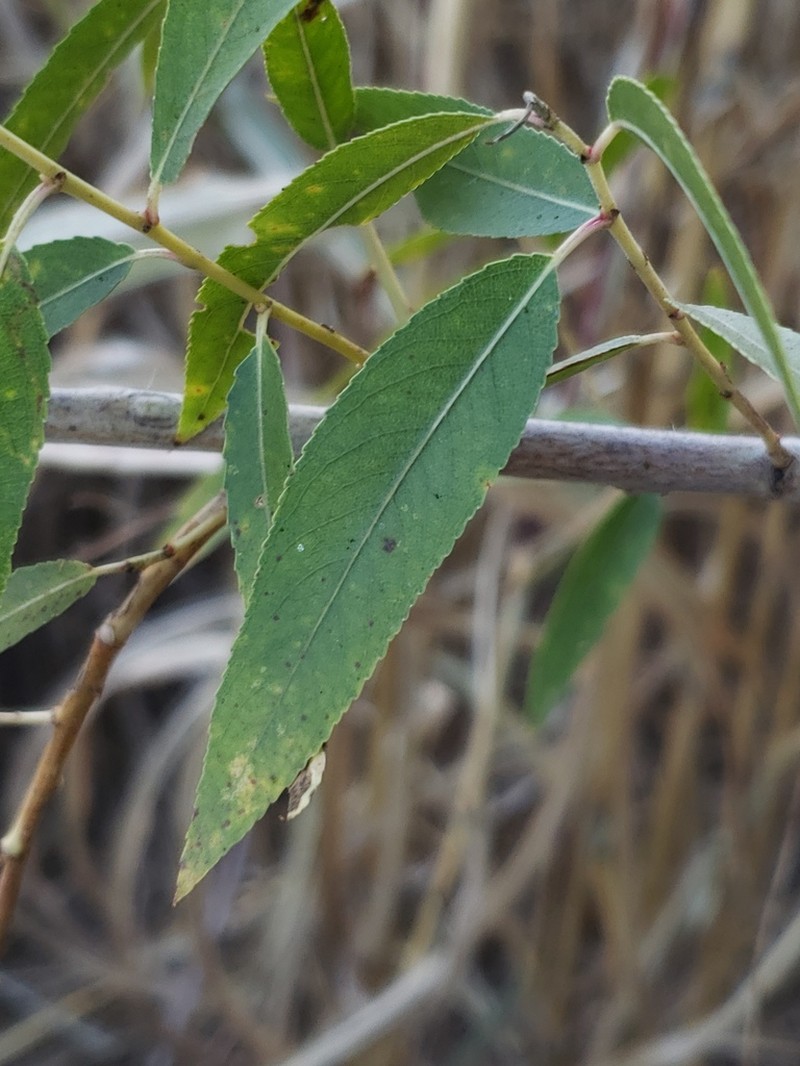
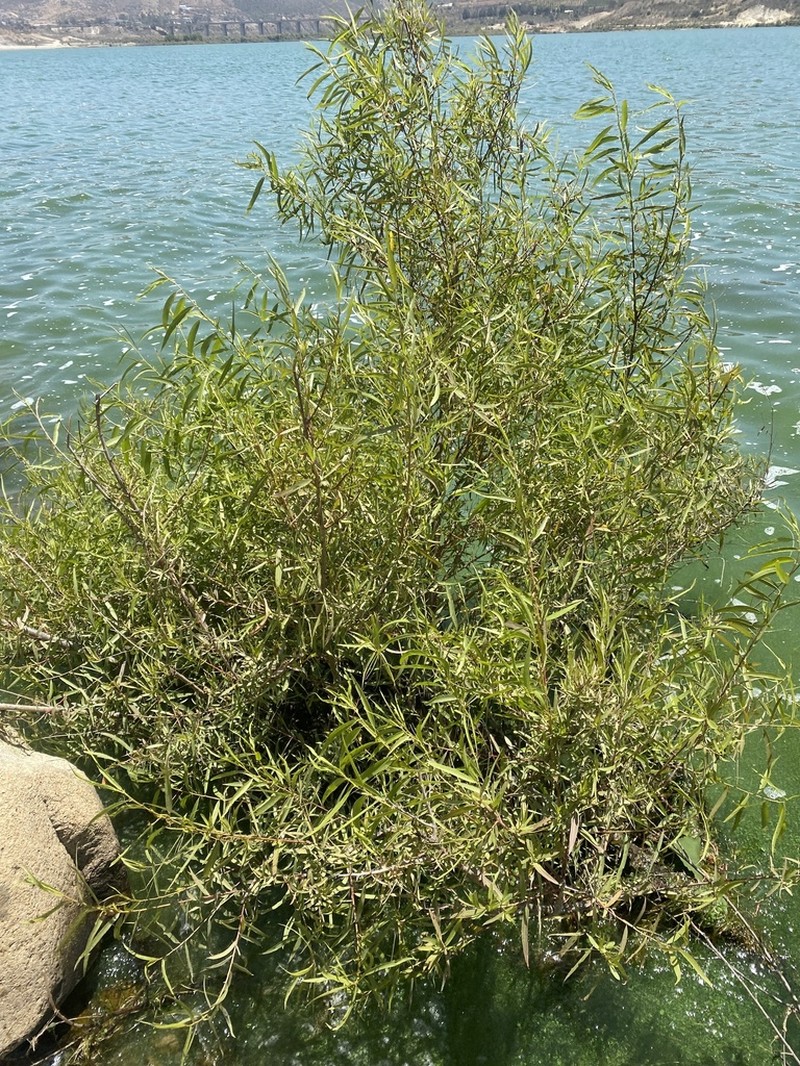
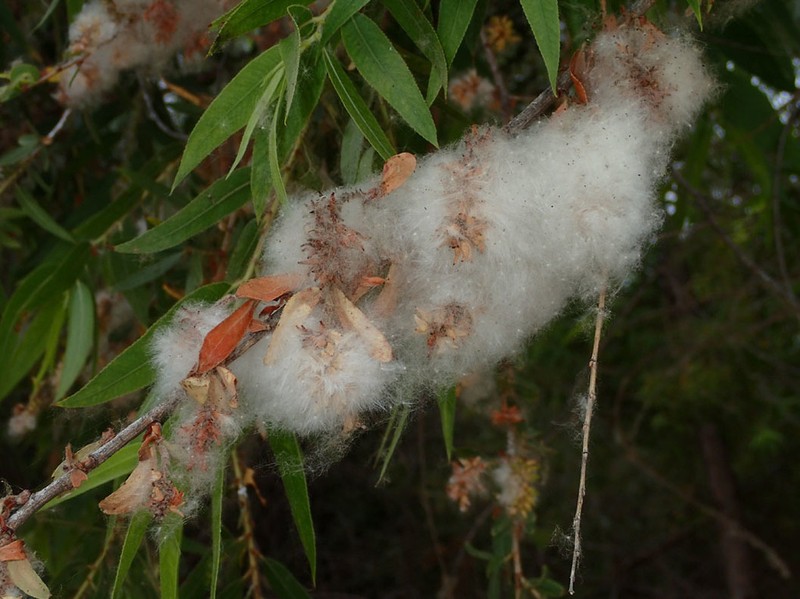
Taxonomy
- Division:
- Magnoliophyta | - Flowering plants
- Family:
- Salicaceae
- Genus:
- Salix
- Species:
- Salix gooddingii
- USDA Symbol:
- SAGO
Growth Characteristics
- Life Cycle:
- Perennial
- Growth Habit:
- Tree
- Height:
- 1500 cm
- Light Requirements:
- Part Shade
- Drought Tolerance:
- Low
- Bloom Months:
- feb,mar,apr
- Bloom Colors:
- yellow-green
Wildlife Benefits
- Bees:
- ★☆☆☆☆ Documented bee visitation (GBIF)
- Butterflies & Moths:
- ★☆☆☆☆ Documented Lepidoptera association (GBIF)
Keystone Species Ranking
- Caterpillar Keystone:
- ★★★★★ Butterfly & moth species supported by this genus (NWF)
- Pollen Specialist Bee Keystone:
- ★★★★★ Native pollen specialist bee species supported by this genus (NWF)
Host Plant for Caterpillars
Garden & Ecology Notes
- Wildlife Value:
- birds, butterflies, small mammals
- Fall Color:
- yellow
- Fire Ecology:
- Fire adapted — tolerates or benefits from fire
- Fire Notes:
- Resprouts vigorously from root crown after fire; seedlings establish on bare, moist soil.
Soil Requirements
- Soil Type:
- rich, moisture-retentive alluvial soil
- pH:
- 6.0 - 8.0 (slightly acidic to neutral)
- Drainage:
- tolerates poor drainage
- Moisture:
- consistently moist
- Notes:
- commonly found along riverbanks and floodplains
Propagation & Germination
- Stratification:
- Cold/moist stratification required — 30–60 days
- Germination Time:
- 7–21 days
- Notes:
- Seeds are short-lived; sow fresh on moist soil surface without covering.
Pre-treatment: For seeds, germinate at 27 C. For cuttings, stick to a depth of 10 cm in a 2:1:1 peat:perlite:vermiculite mixture. Incorporate a 14-14-14 controlled release fertilizer into the media at a rate of 4 kg/m3. Water in cuttings and keep moist throughout the rooting period using an intermittent misting schedule.
Establishment: Cuttings are taken from dormant plants grown in the middle Rio Grande Valley, New Mexico. The earlier the cuttings are taken, the longer they can be stored before bud burst occurs. Once bud burst occurs, rooting success drops quickly. Once placed in a growing environment, these propagules grow to target height specifications quickly, so holding dormant cuttings as late as possible helps reduce the occurrence of 'oversized' seedlings.
Source: npn.rngr.net