
Prairie Willow
Salix humilis
- Native to:
- Canada, Labrador, Prince Edward I., United States, Virgin Islands
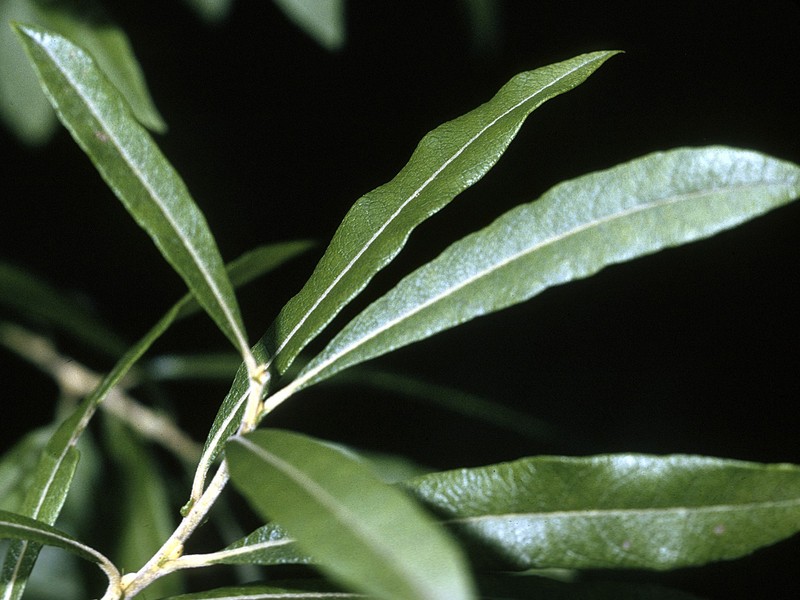
Robert H. Mohlenbrock. USDA NRCS. 1995. Northeast wetland flora: Field office guide to plant species. Northeast National Technical Center, Chester. Courtesy of USDA NRCS Wetland Science Institute.
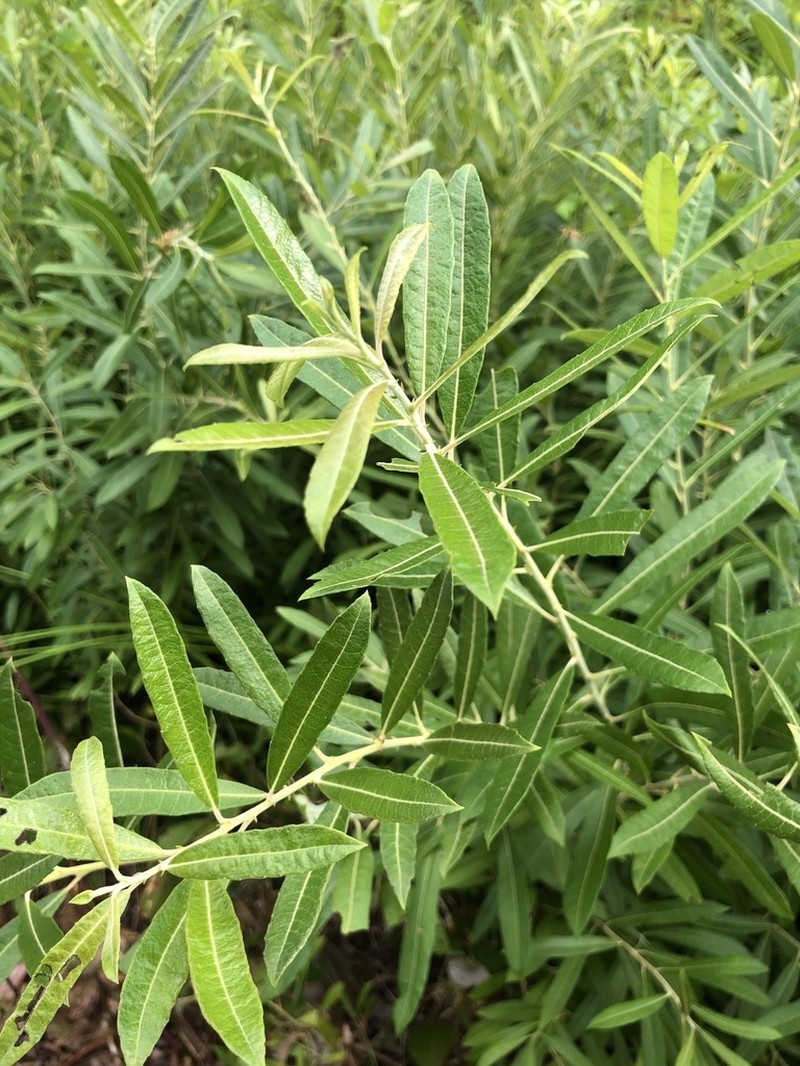
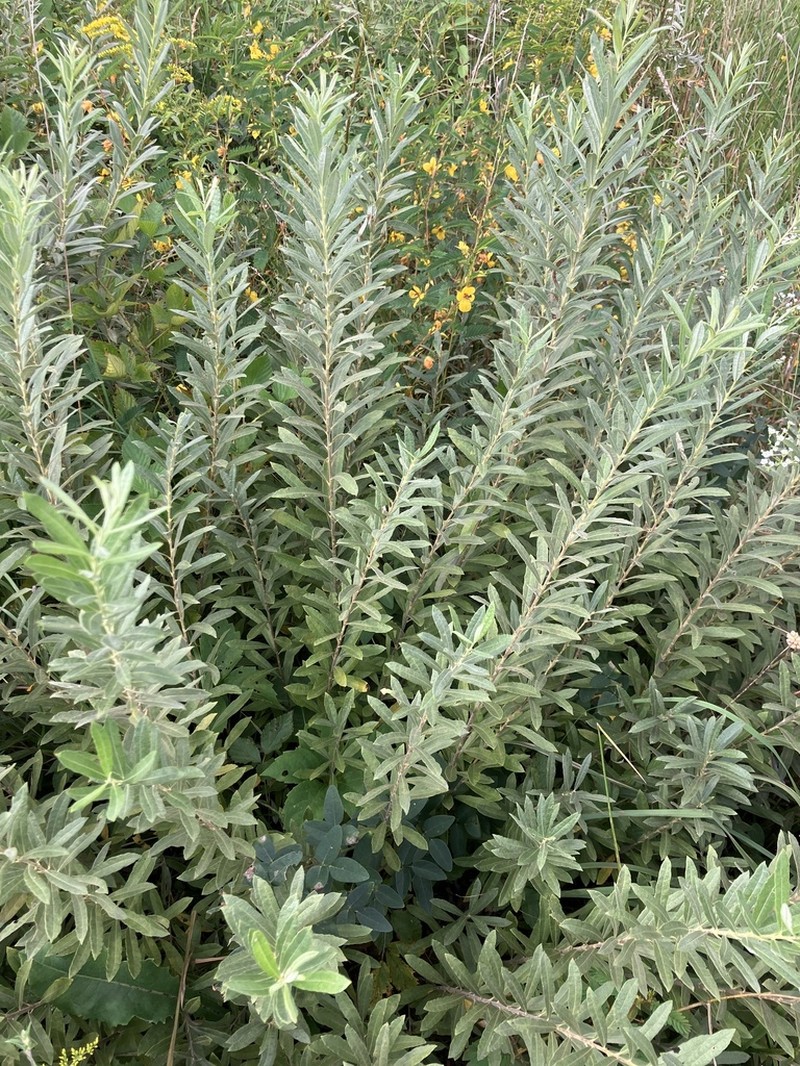
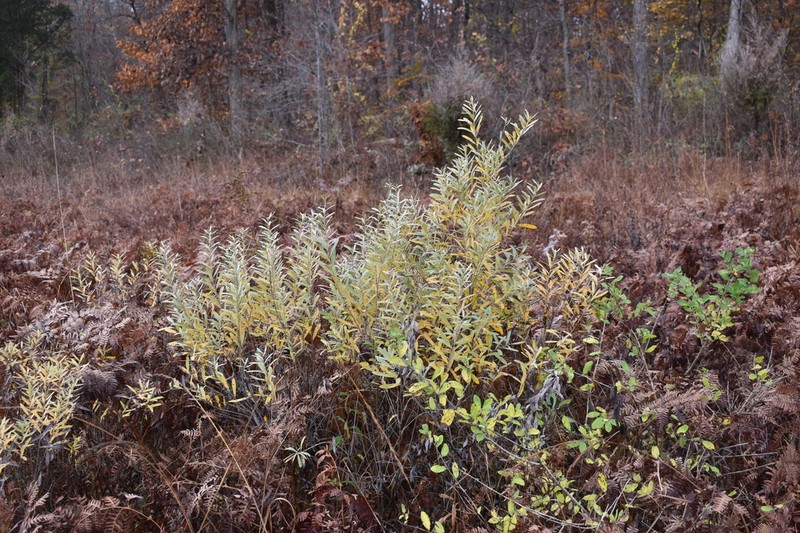
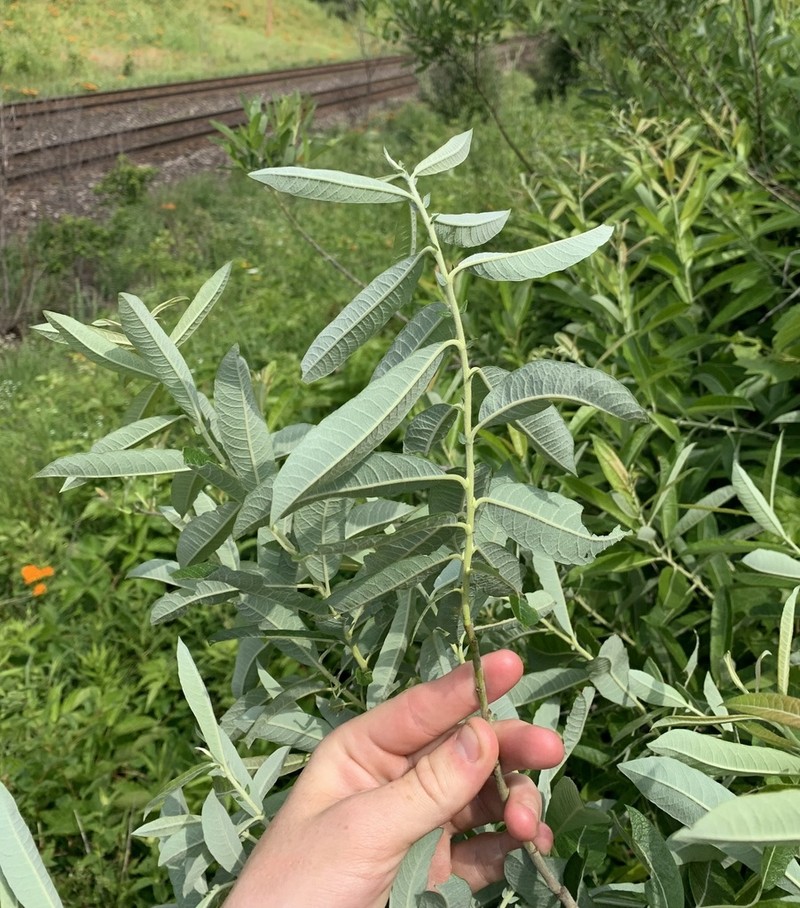
Taxonomy
- Division:
- Magnoliophyta | - Flowering plants
- Family:
- Salicaceae
- Genus:
- Salix
- Species:
- Salix humilis
- USDA Symbol:
- SAHU2
Growth Characteristics
- Life Cycle:
- Perennial
- Growth Habit:
- Shrub
- Height:
- 400 cm
- Light Requirements:
- Full Sun
- Drought Tolerance:
- Low
- Bloom Months:
- mar,apr,may
- Bloom Colors:
- yellow, green
Wildlife Benefits
- Bees:
- ★☆☆☆☆ Documented bee visitation (GBIF)
- Butterflies & Moths:
- ★★☆☆☆ Documented Lepidoptera association (GBIF)
- Caterpillars:
- ★★☆☆☆ Recorded caterpillar host plant (HOSTS Database)
Keystone Species Ranking
- Caterpillar Keystone:
- ★★★★★ Butterfly & moth species supported by this genus (NWF)
- Pollen Specialist Bee Keystone:
- ★★★★★ Native pollen specialist bee species supported by this genus (NWF)
Host Plant for Caterpillars
Buck Moth (Hemileuca maia), Cecropia moth (Hyalophora cecropia), frigid owlet moth (Nycteola frigidana), Gypsonoma salicicolana, Herald (Scoliopteryx libatrix), Pyreferra citrombra, Striped Garden Caterpillar Moth (Trichordestra legitima), Synanthedon sigmoidea, Green Comma (Polygonia faunus), ⚠️Persius duskywing (Erynnis persius)
Garden & Ecology Notes
- Wildlife Value:
- birds, butterflies, small mammals
- Fall Color:
- yellow
- Fire Ecology:
- Fire adapted — tolerates or benefits from fire
- Fire Notes:
- Resprouts vigorously from root crown after fire; often colonizes burned or disturbed moist sites.
Soil Requirements
- Soil Type:
- sandy, well-drained, nutrient-poor soil
- pH:
- 5.5 - 7.5 (slightly acidic to neutral)
- Drainage:
- excellent drainage required
- Moisture:
- dry to moderate
- Notes:
- Commonly found in open, sandy areas.
Propagation & Germination
- Stratification:
- Cold/moist stratification required — 60–90 days
- Germination Time:
- 14–30 days
- Notes:
- Seeds are short-lived and should be sown fresh; no pretreatment needed if sown immediately after collection.
Where to Buy
Nationwide Seller
- Prairie Moon Nursery (nursery and seeds)