
Dewystem Willow
Salix irrorata
- Native to:
- Mexico, United States
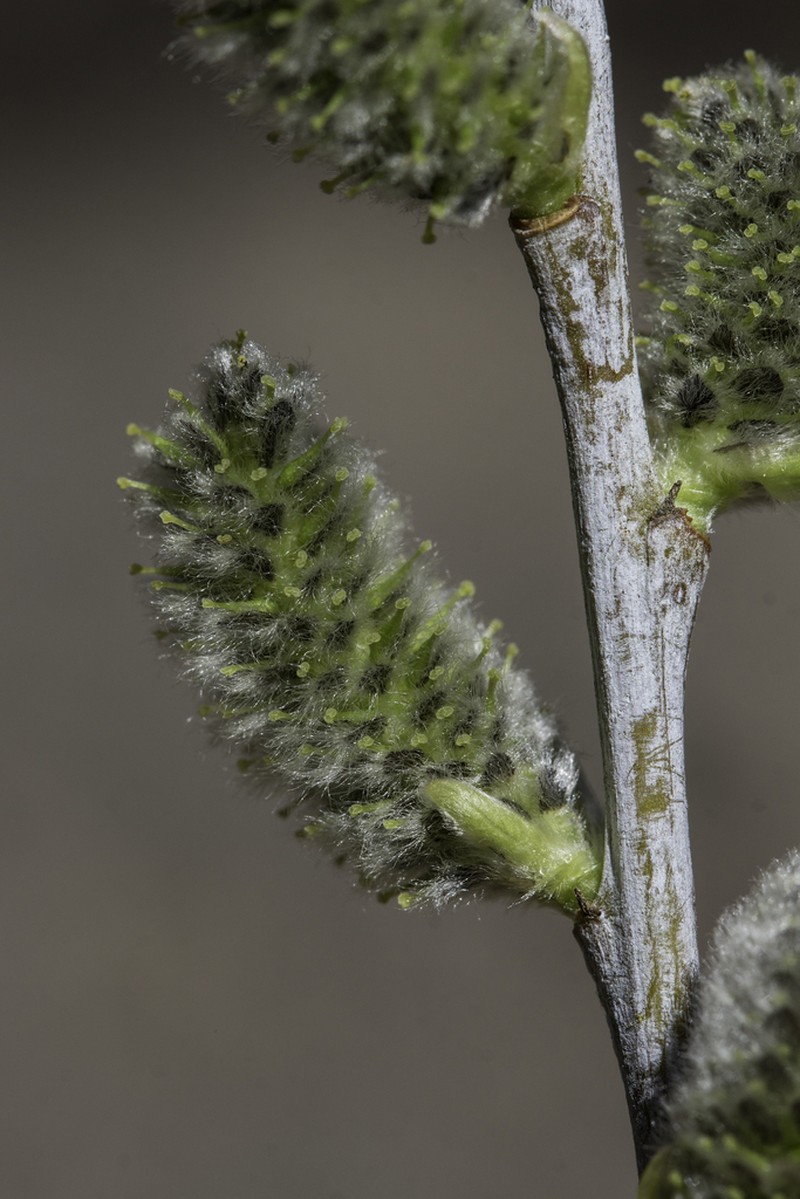
craigmartin
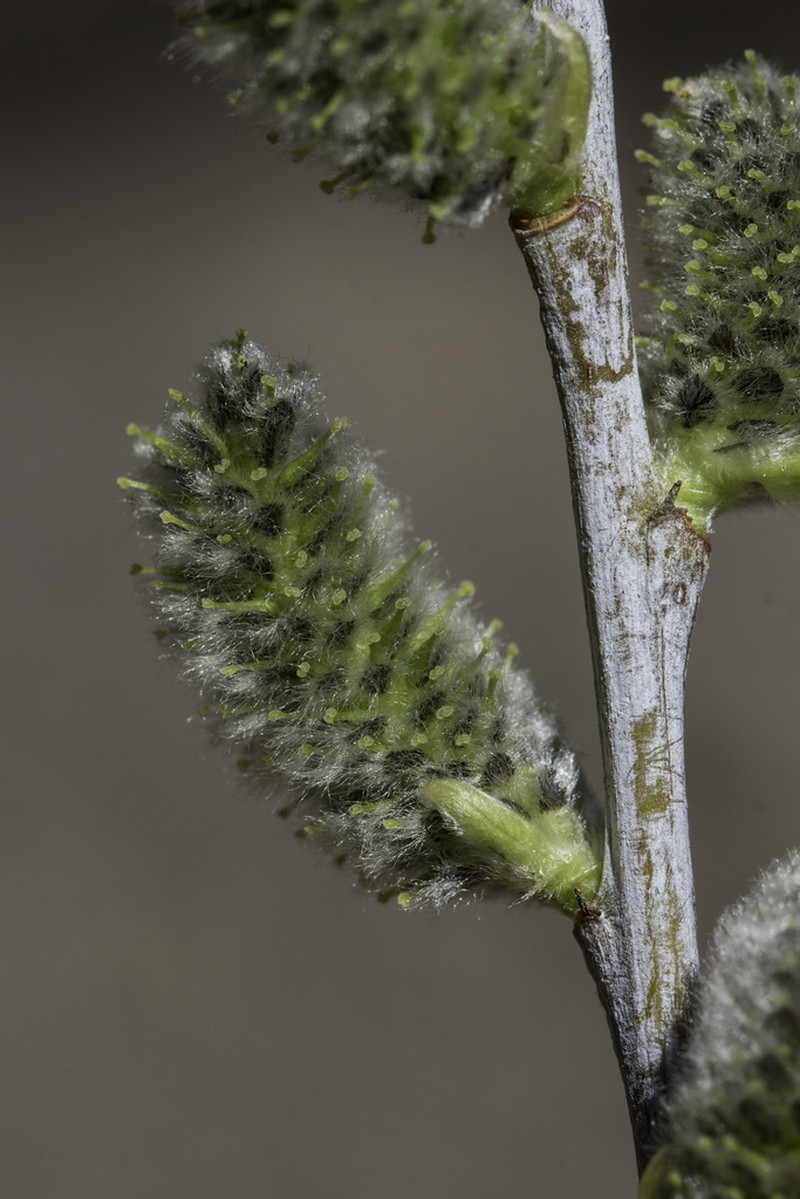
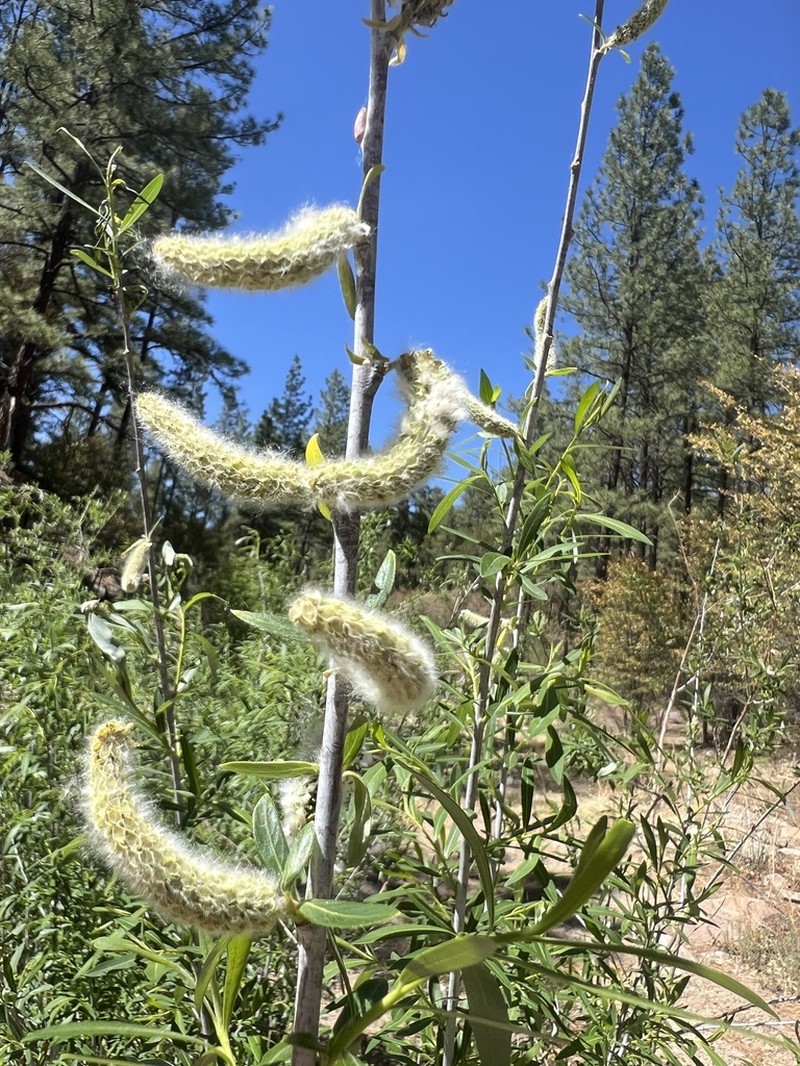
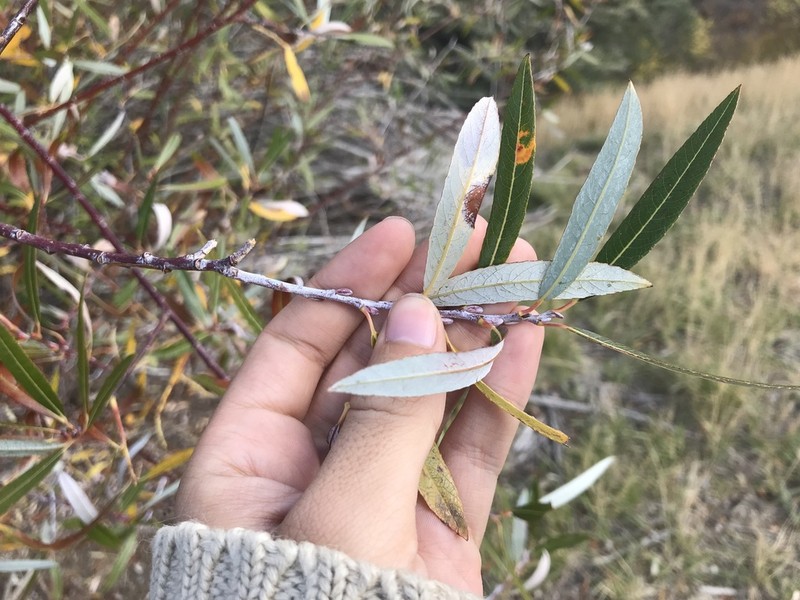
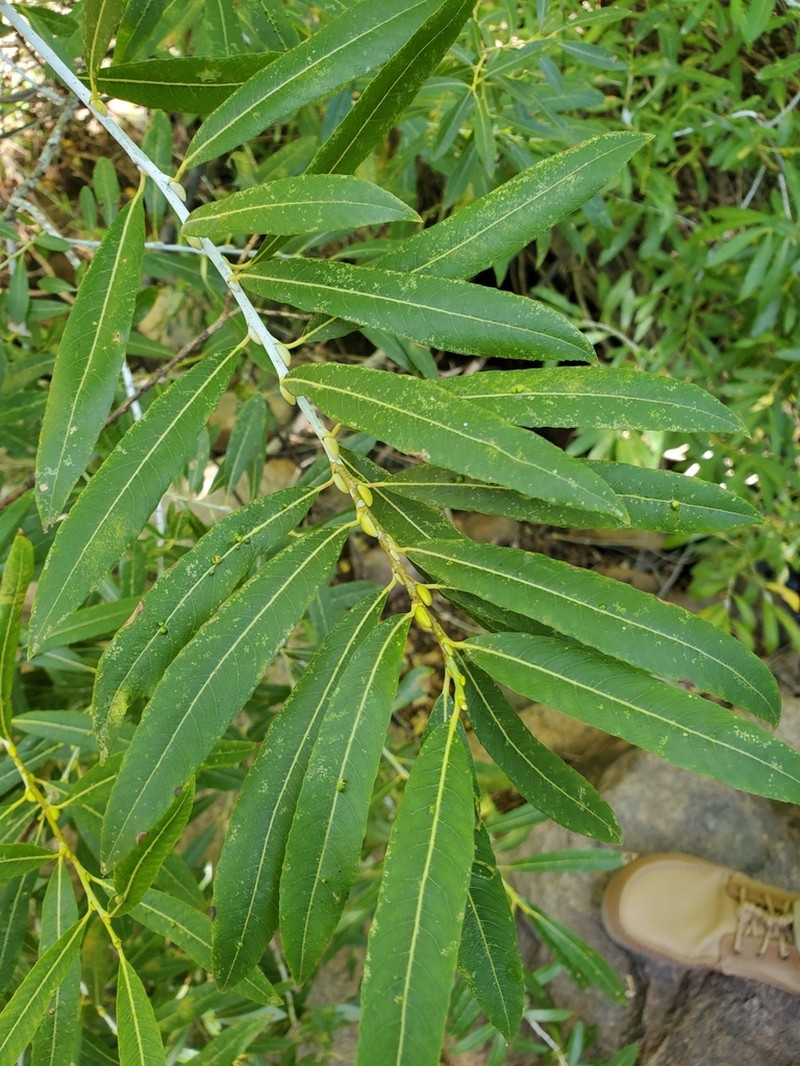
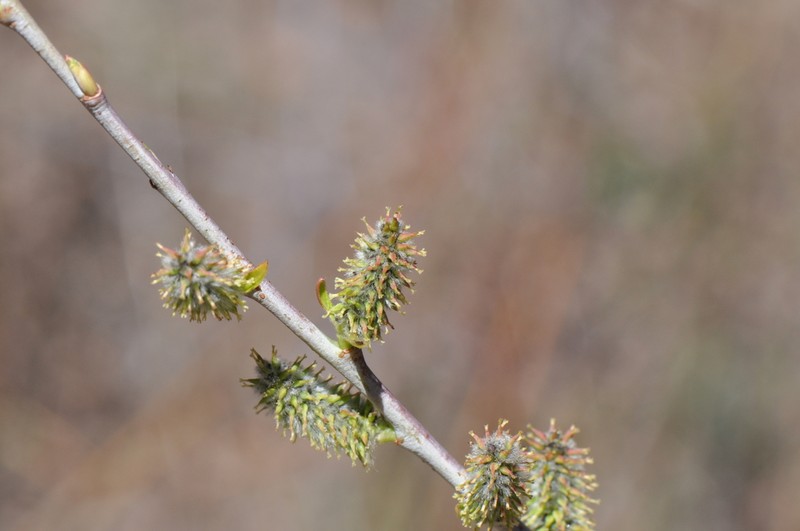
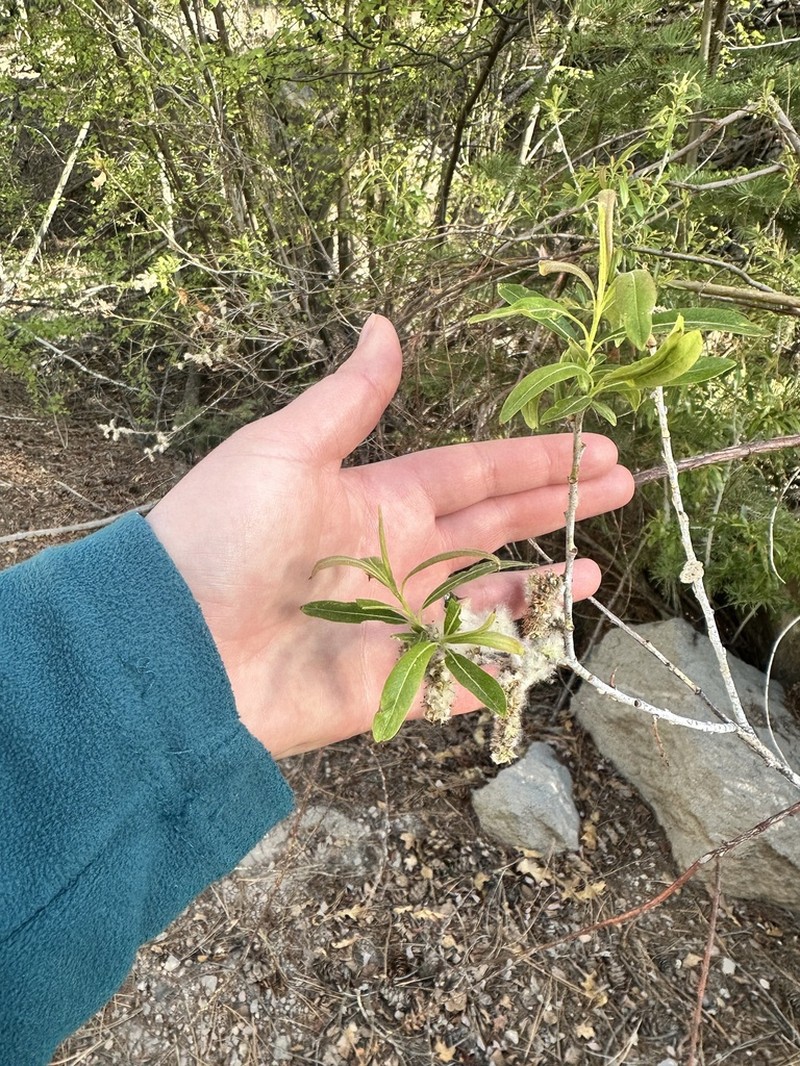
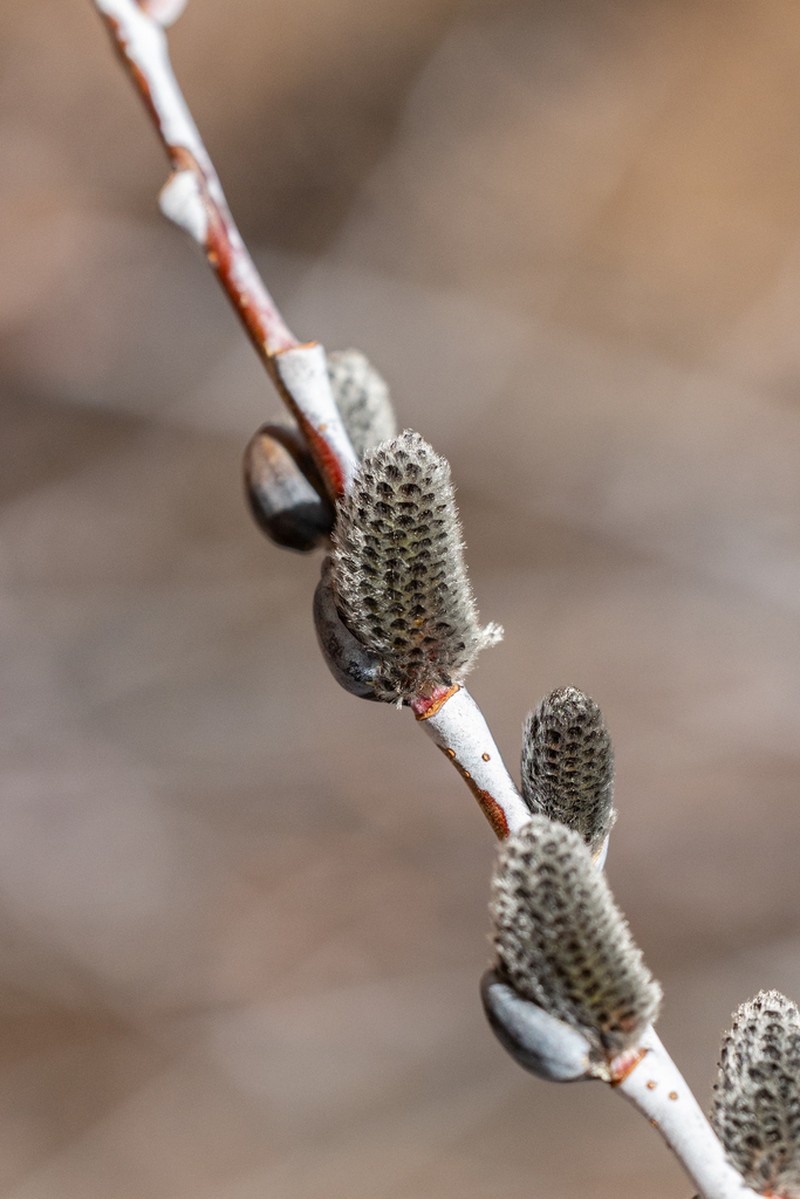
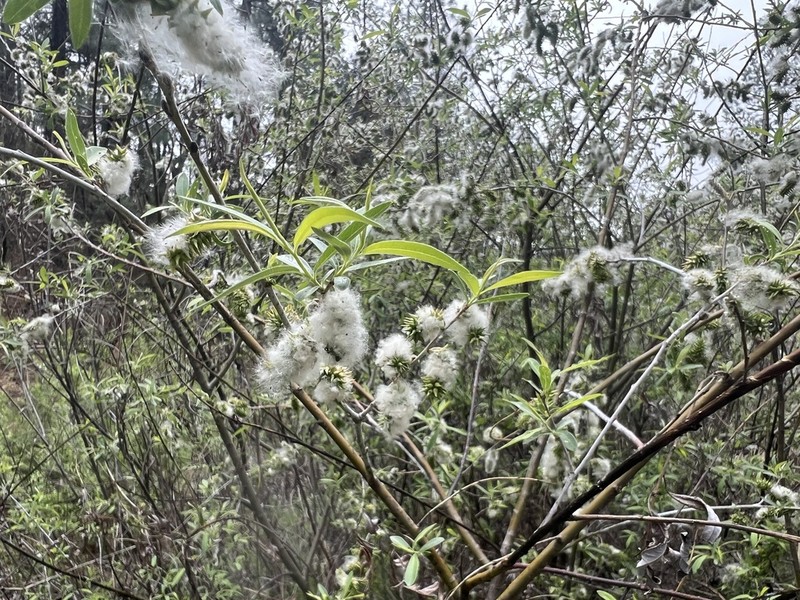
Taxonomy
- Division:
- Magnoliophyta | - Flowering plants
- Family:
- Salicaceae
- Genus:
- Salix
- Species:
- Salix irrorata
- USDA Symbol:
- SAIR
Growth Characteristics
- Life Cycle:
- Perennial
- Growth Habit:
- Shrub
- Height:
- 600 cm
- Light Requirements:
- Full Sun
- Drought Tolerance:
- Low
- Bloom Months:
- mar,apr
- Bloom Colors:
- yellow, green
Wildlife Benefits
- Butterflies & Moths:
- ★☆☆☆☆ Documented Lepidoptera association (GBIF)
Keystone Species Ranking
- Caterpillar Keystone:
- ★★★★★ Butterfly & moth species supported by this genus (NWF)
- Pollen Specialist Bee Keystone:
- ★★★★★ Native pollen specialist bee species supported by this genus (NWF)
Garden & Ecology Notes
- Wildlife Value:
- birds, butterflies, small mammals
Soil Requirements
- Soil Type:
- moist, fertile, well-drained loam
- pH:
- 6.0 - 8.0 (neutral to slightly alkaline)
- Drainage:
- tolerates poor drainage
- Moisture:
- consistently moist
- Notes:
- Commonly found along streambanks and wetlands
Propagation & Germination
- Stratification:
- Cold/moist stratification required — 30–60 days
- Germination Time:
- 14–30 days
- Notes:
- Seeds are short-lived and should be sown fresh; no pretreatment needed if sown immediately.
Pre-treatment: None required
Establishment: The most critical factor in the collection of viable Salix seed is frequent observation of catkin development. Harvest catkins when cotton emerges from partially opened capsules. Store catkins in paper sacks to capture seed as the capsules open during drying. Seed dispersal usually only takes a few days in a room with dry air and normal working temperatures.
Source: npn.rngr.net