
Arroyo Willow
Salix lasiolepis
- Native to:
- Mexico, United States
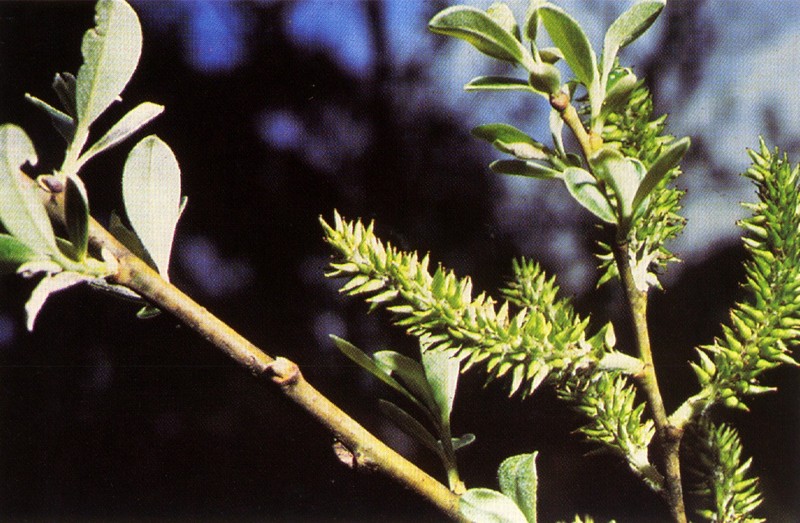
William & Wilma Follette @ USDA-NRCS PLANTS Database / USDA NRCS. Western wetland flora: Field office guide to plant species. West Region, Sacramento, CA.
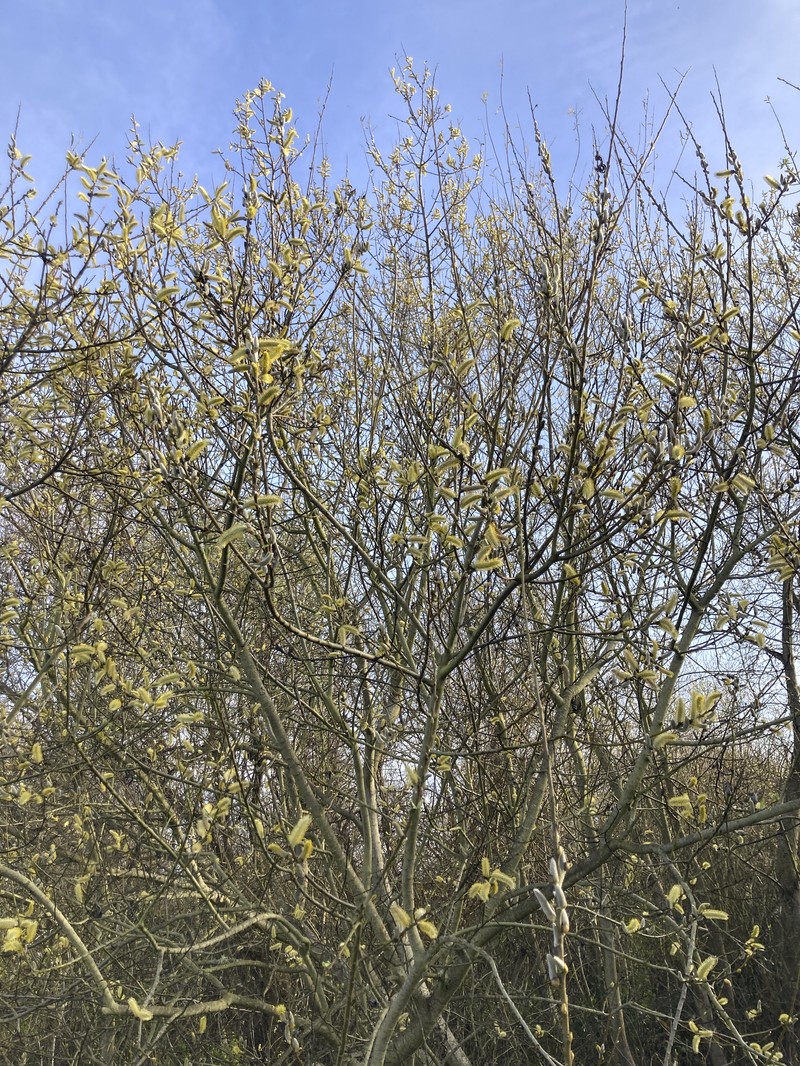
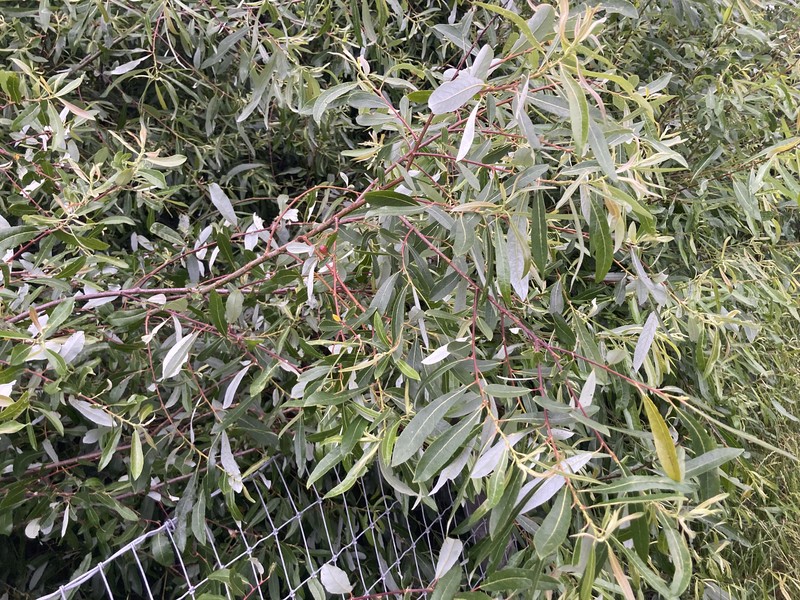
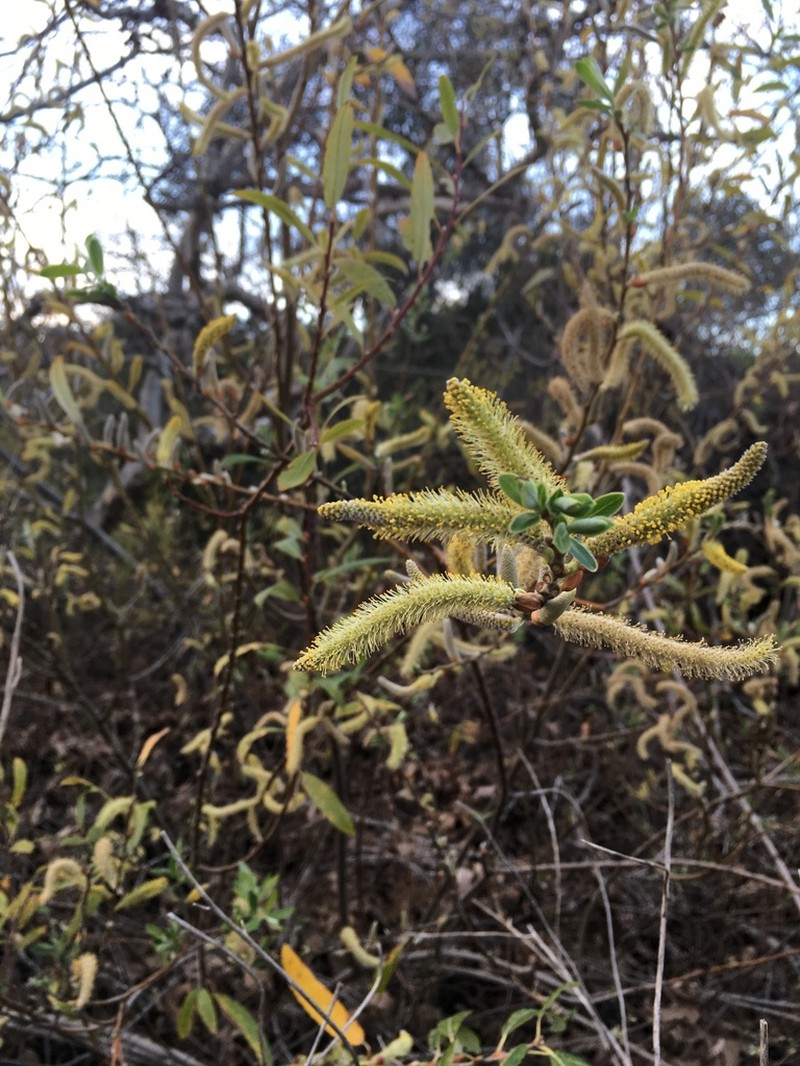
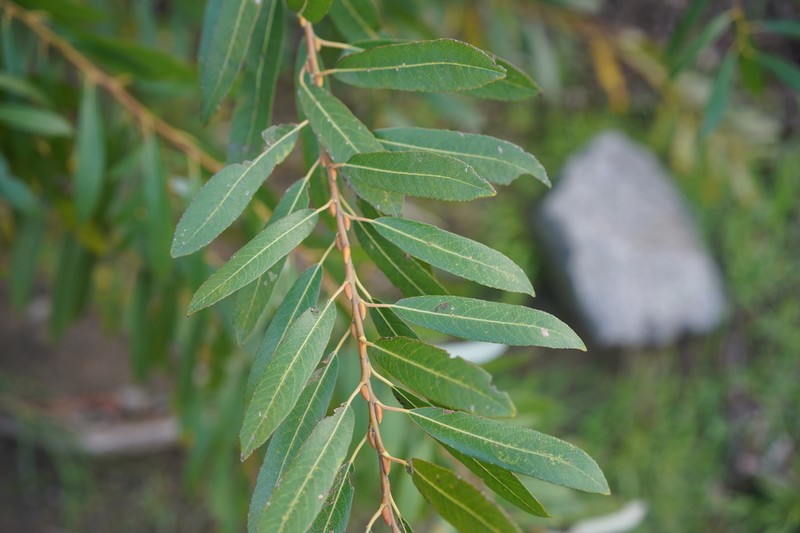
Taxonomy
- Division:
- Magnoliophyta | - Flowering plants
- Family:
- Salicaceae
- Genus:
- Salix
- Species:
- Salix lasiolepis
- USDA Symbol:
- SALA6
Growth Characteristics
- Life Cycle:
- Perennial
- Growth Habit:
- Shrub , Tree
- Height:
- 1500 cm
- Light Requirements:
- Full Sun
- Drought Tolerance:
- Low
- Bloom Months:
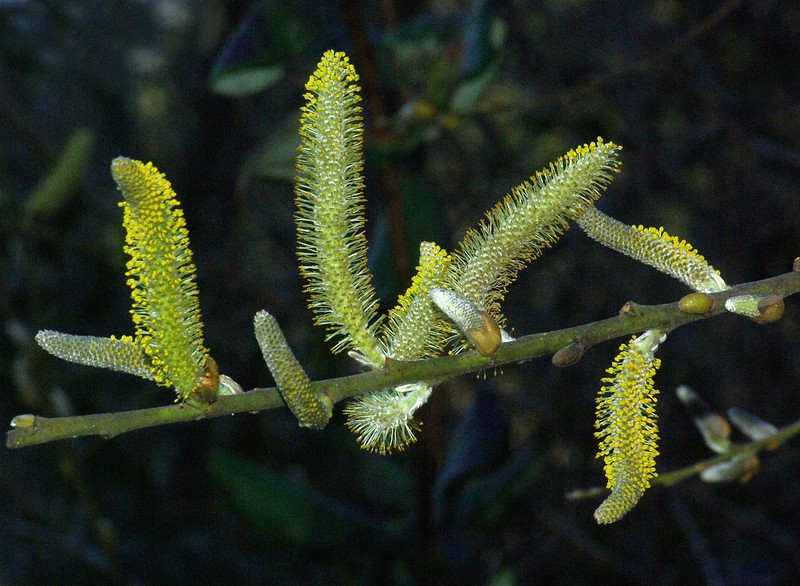
- feb,mar,apr
- Bloom Colors:
- yellow, green
Wildlife Benefits
- Bees:
- ★☆☆☆☆ Documented bee visitation (GBIF)
- Butterflies & Moths:
- ★★★★★ Documented Lepidoptera association (GBIF)
- Caterpillars:
- ★★★☆☆ Recorded caterpillar host plant (HOSTS Database)
- Hummingbirds:
- ★☆☆☆☆ Documented hummingbird visits (GBIF)
Keystone Species Ranking
- Caterpillar Keystone:
- ★★★★★ Butterfly & moth species supported by this genus (NWF)
- Pollen Specialist Bee Keystone:
- ★★★★★ Native pollen specialist bee species supported by this genus (NWF)
Host Plant for Caterpillars
Acleris hastiana, Acleris senescens, Agonopterix argillacea, Argyresthia sp., Batrachedra salicipomonella, Batrachedra striolata, Caloptilia palustriella, Coleophora sp. A, Coleotechnites gallicola, Coptodisca saliciella, Epinotia columbia, Epinotia keiferana, fruit-tree leafroller (Archips argyrospila), Marmara salictella, Nevada buck moth (Hemileuca nevadensis), Obliquebanded leafroller (Choristoneura rosaceana), orange tortrix moth (Argyrotaenia franciscana), Pandemis leafroller (Pandemis pyrusana), Phyllonorycter apicinigrella, Stigmella sp. C, Lorquin's admiral (Basilarchia lorquini), Sylvan Hairstreak (Satyrium sylvinum), Western Tiger Swallowtail (Papilio rutulus)
Reported Fauna Sightings
Bees: ⚠️Western honey bee (Apis mellifera) Hummingbirds: Anna's Hummingbird (Calypte anna) Moths:locust borer (Paranthrene robiniae), Smerinthus ophthalmica, Spotted Tussock Moth (Lophocampa maculata) Butterflies:Lorquin's Admiral (Limenitis lorquini), Mourning Cloak (Nymphalis antiopa)
Garden & Ecology Notes
- Wildlife Value:
- birds, butterflies, small mammals, beavers
- Fall Color:
- yellow
- Fire Ecology:
- Fire adapted — tolerates or benefits from fire
- Fire Notes:
- Resprouts vigorously from root crown after fire; often colonizes burned riparian areas.
Soil Requirements
- Soil Type:
- rich, moisture-retentive loamy soil
- pH:
- 5.5 - 7.5 (slightly acidic to neutral)
- Drainage:
- tolerates poor drainage
- Moisture:
- consistently moist
- Notes:
- Commonly found in riparian zones and wetlands
Propagation & Germination
- Stratification:
- Cold/moist stratification required — 30–60 days
- Germination Time:
- 7–21 days
- Notes:
- Seeds are short-lived; sow fresh on moist surface without covering. No pretreatment needed if sown immediately.
Pre-treatment: Cuttings are dipped in a mild bleach solution for 30 seconds, recut to include 3 nodes (5 inches long), treated with Hormex (3000 ppm IBA) rooting powder, and struck in flats containing 3:1 Perlite/Vermiculite.
Establishment: Hardwood cuttings are collected between December 15th and January 31st. Cutting diameter is 3/8 inch to 1/2 inch and length is 10 inches. S. lasiolepis is found below 7,000 feet elevation and is common along streams, from Washington south to California and east to Idaho and New Mexico.
Source: npn.rngr.net