
Myrsine-Leaved Willow
Salix myrsinifolia
- Native to:
- Austria, Baltic States, Bulgaria, Corse, Czechia-Slovakia, Denmark, Finland, France, Germany, Great Britain, Hungary, Italy, Norway, NW. Balkan Pen., Poland, Russia, Sweden, Switzerland, Ukraine
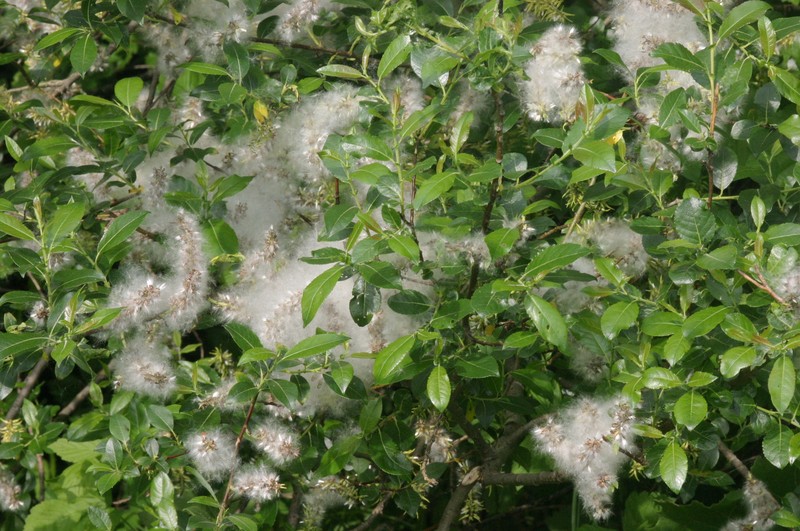
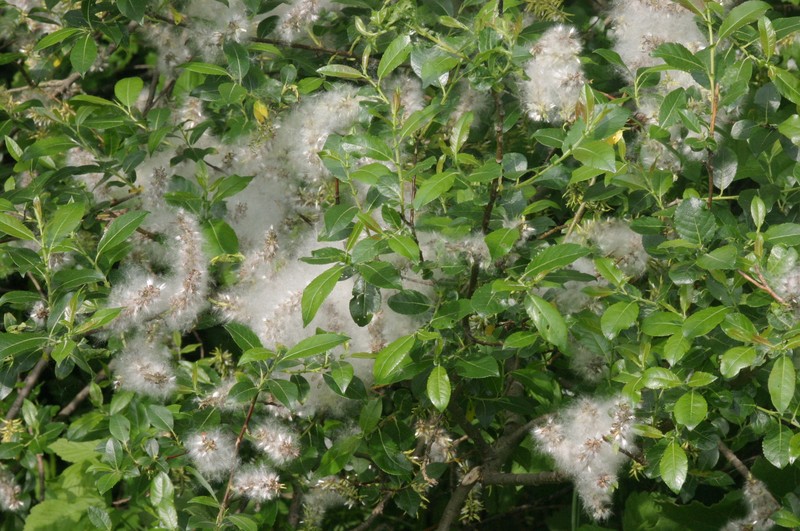
HermannSchachner
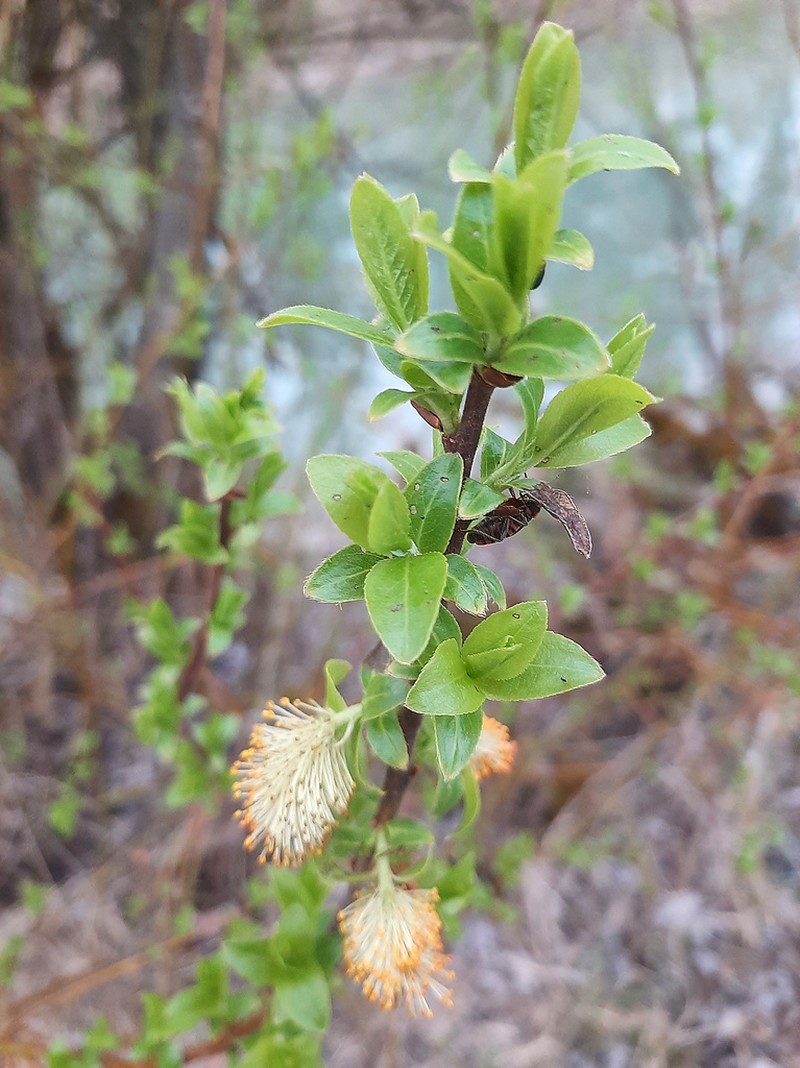
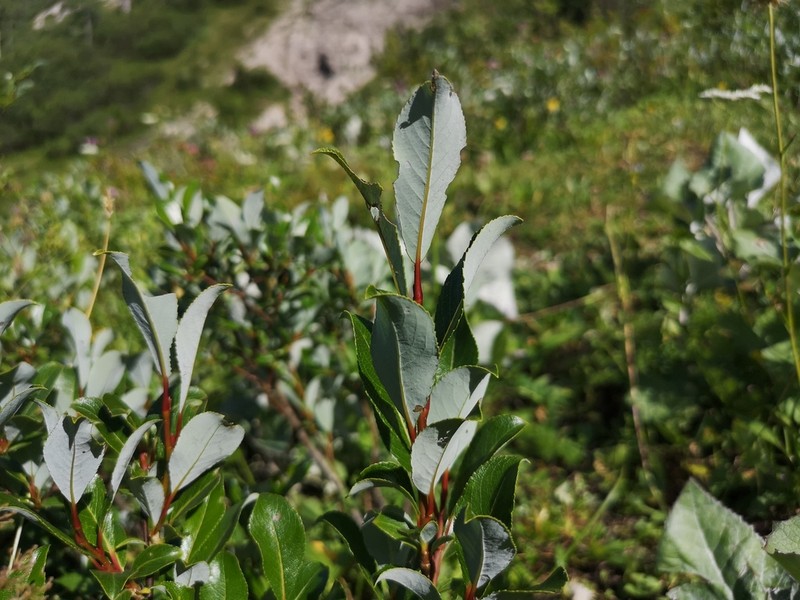
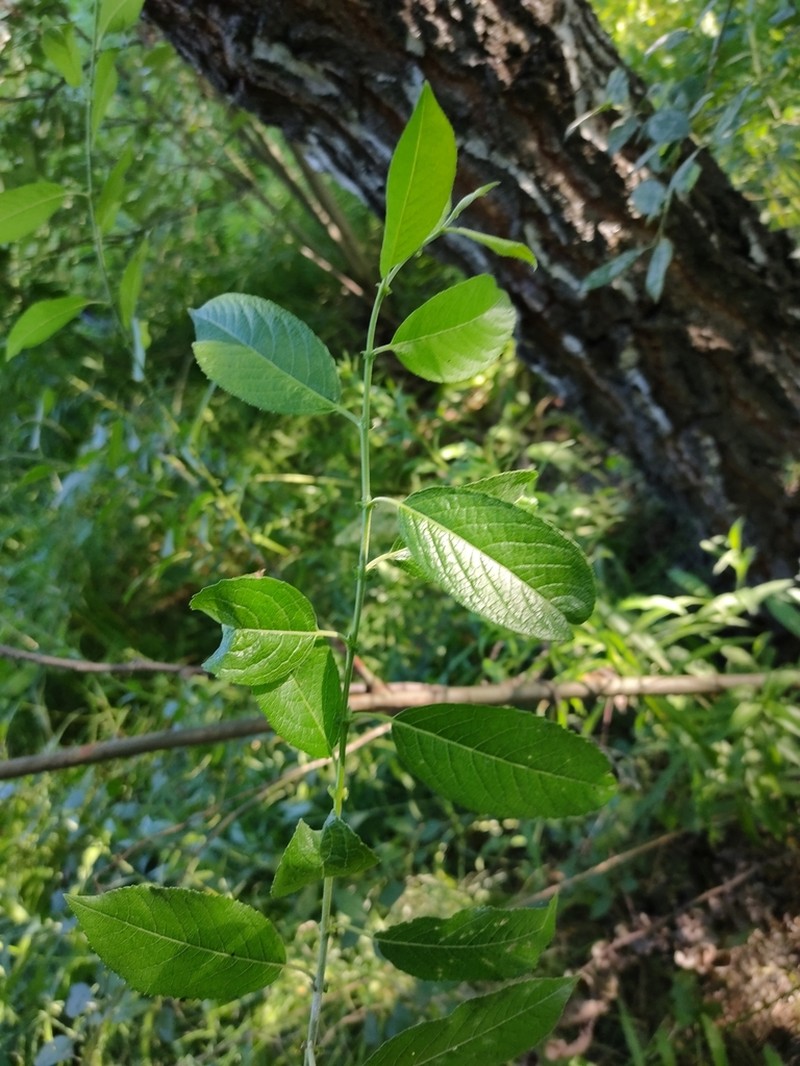
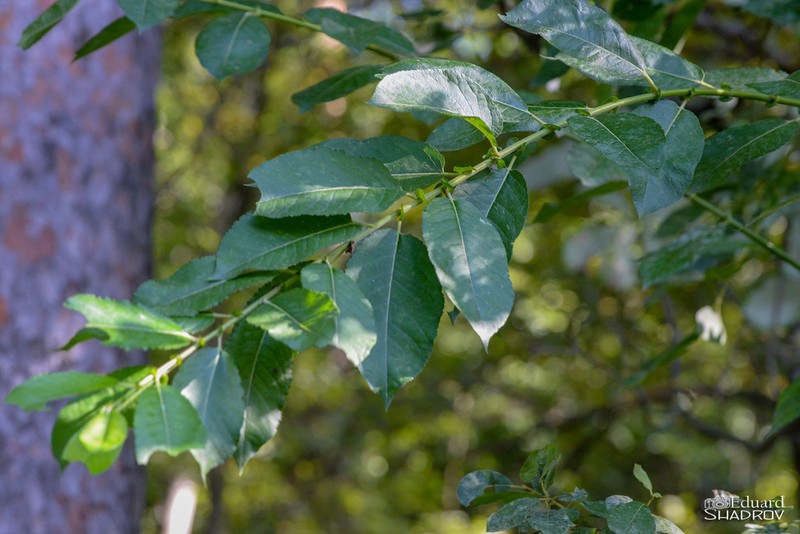
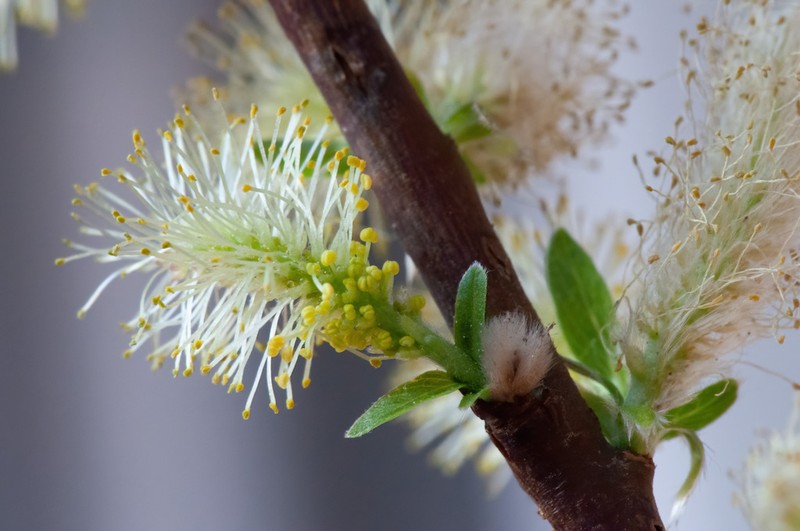
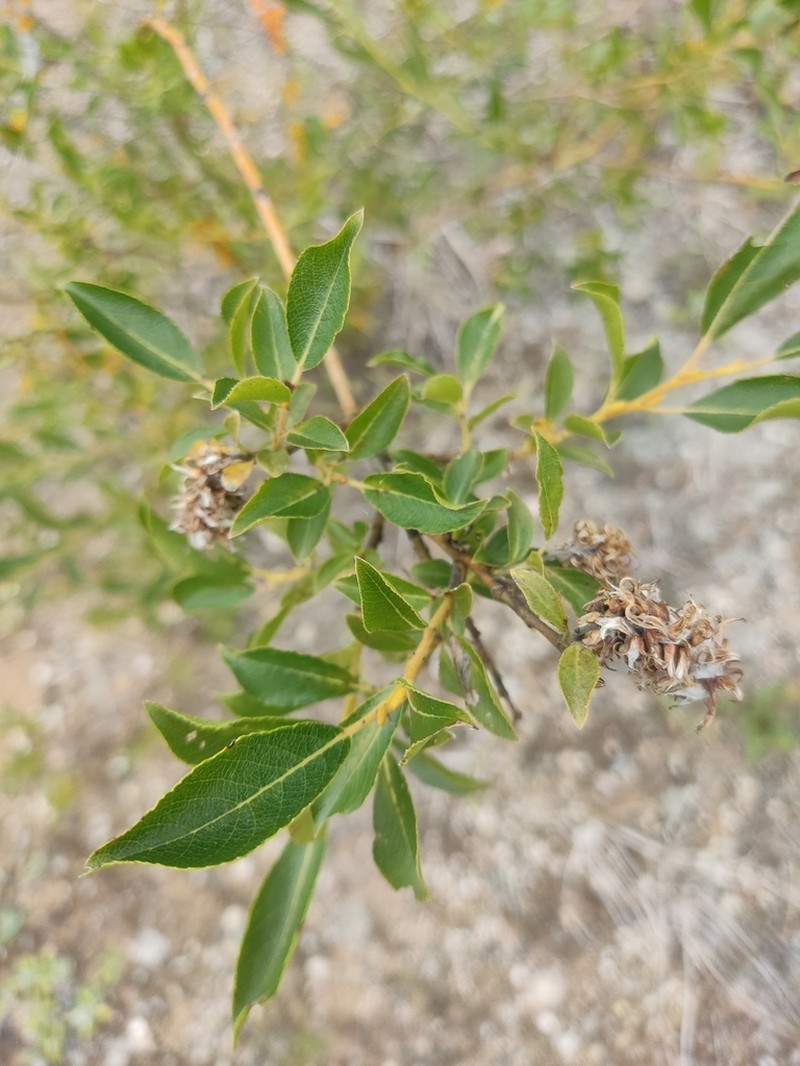
Taxonomy
- Division:
- Magnoliophyta | - Flowering plants
- Family:
- Salicaceae
- Genus:
- Salix
- Species:
- Salix myrsinifolia
- USDA Symbol:
- SAMY9
Growth Characteristics
- Life Cycle:
- Perennial
- Growth Habit:
- Shrub
- Height:
- 600 cm
- Light Requirements:
- Full Sun
- Drought Tolerance:
- Low
- Bloom Months:
- apr,may
- Bloom Colors:
- yellow, green
Keystone Species Ranking
- Caterpillar Keystone:
- ★★★★★ Butterfly & moth species supported by this genus (NWF)
- Pollen Specialist Bee Keystone:
- ★★★★★ Native pollen specialist bee species supported by this genus (NWF)
Garden & Ecology Notes
- Wildlife Value:
- bees, butterflies, birds, small mammals
Soil Requirements
- Soil Type:
- moist, fertile, well-drained loamy soil
- pH:
- 5.5 - 7.0 (slightly acidic to neutral)
- Drainage:
- tolerates poor drainage
- Moisture:
- consistently moist
- Notes:
- Commonly found in riparian zones and wetlands
Propagation & Germination
- Stratification:
- Cold/moist stratification required — 30–60 days
- Germination Time:
- 14–30 days
- Notes:
- Seeds are short-lived and should be sown fresh; cold stratification improves germination.