
Purpleosier Willow
Salix purpurea
- Native to:
- Albania, Algeria, Austria, Baltic States, Belarus, Belgium, Bulgaria, Corse, Czechia-Slovakia, France, Germany, Great Britain, Greece, Hungary, Ireland, Italy, Krym, Morocco, Netherlands, North Caucasus, NW. Balkan Pen., Poland, Portugal, Romania, Russia, Sardegna, Sicilia, Spain, Switzerland, Transcaucasus, Tunisia, Türkiye, Ukraine
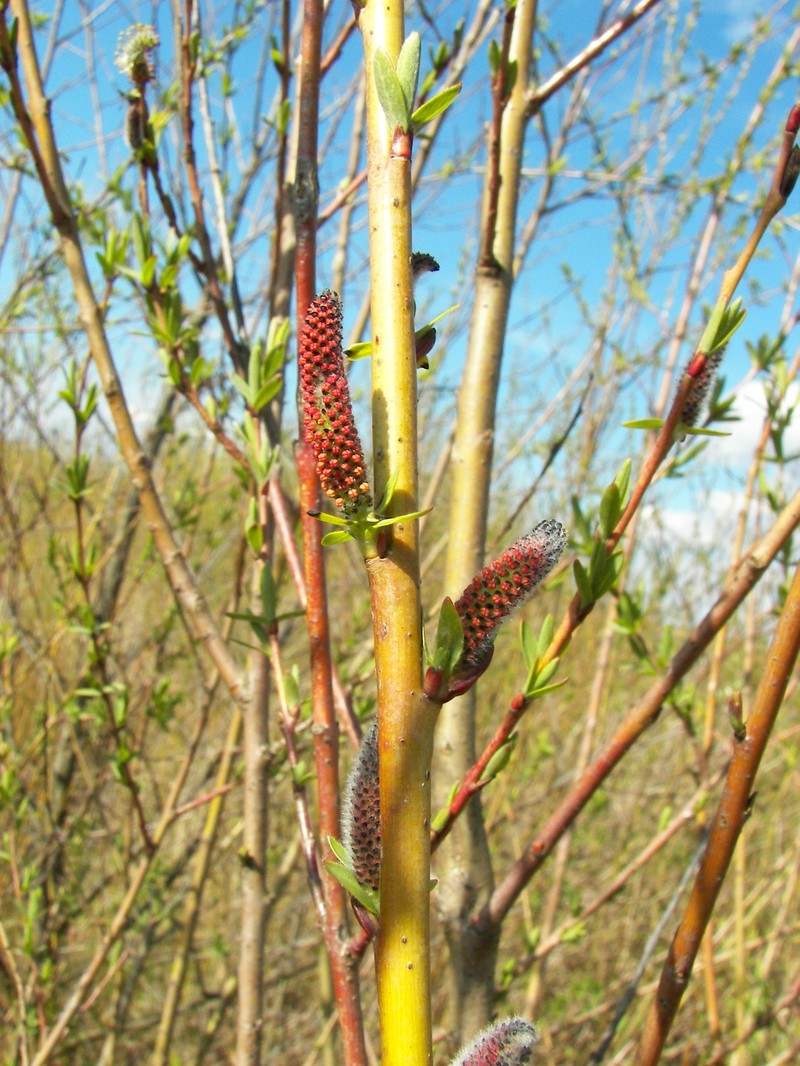
Willow
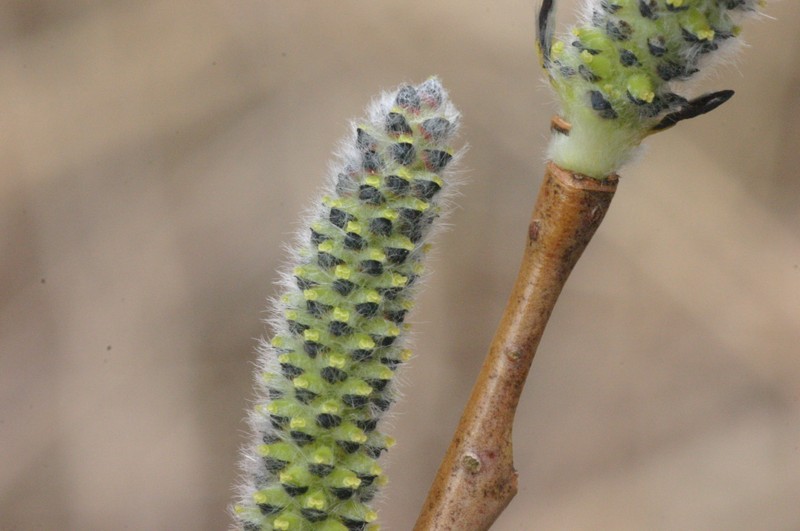
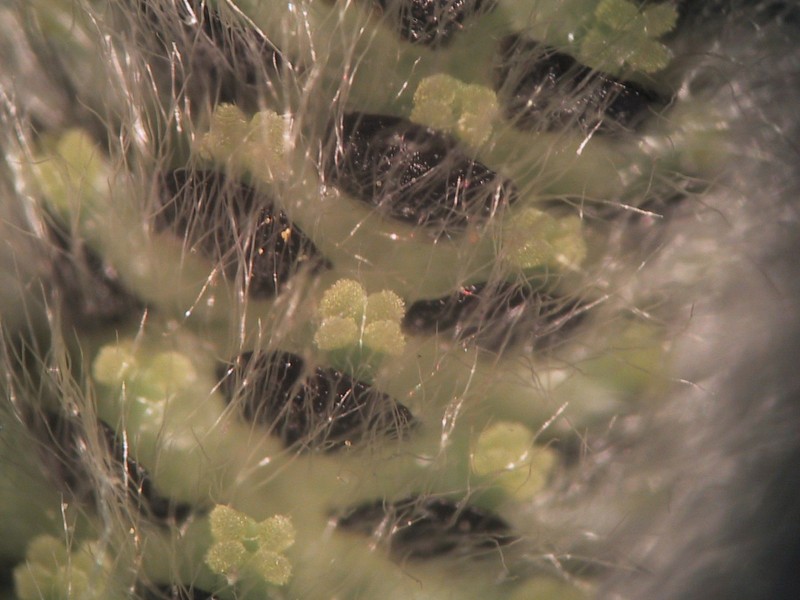
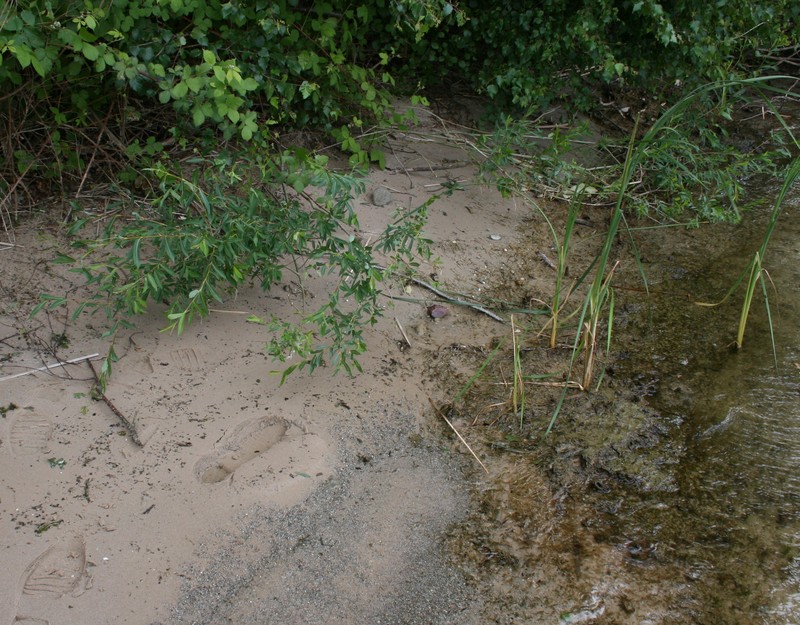
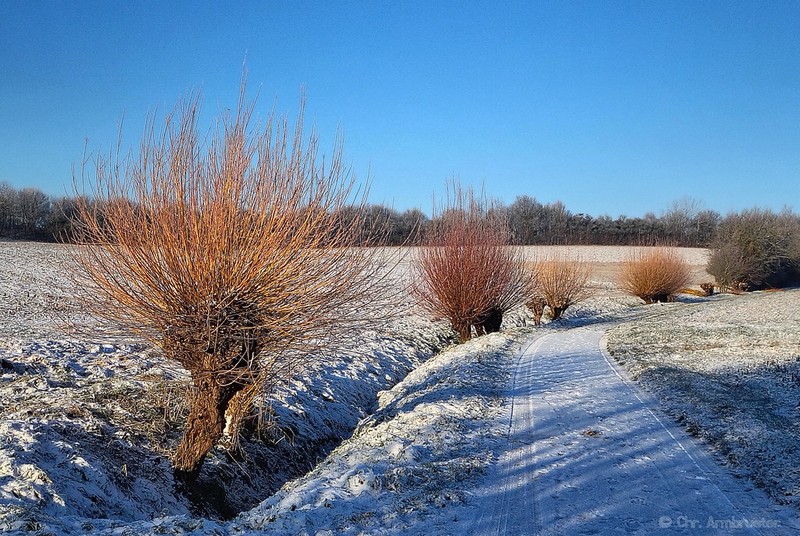
Taxonomy
- Division:
- Magnoliophyta | - Flowering plants
- Family:
- Salicaceae
- Genus:
- Salix
- Species:
- Salix purpurea
- USDA Symbol:
- SAPU2
Growth Characteristics
- Life Cycle:
- Perennial
- Growth Habit:
- Shrub , Tree
- Height:
- 600 cm
- Light Requirements:
- Full Sun
- Drought Tolerance:
- Low
- Bloom Months:
- mar,apr,may
- Bloom Colors:
- yellow, green
- Landscaping Shrub:
- Yes
Wildlife Benefits
- Bees:
- ★★★☆☆ Documented bee visitation (GBIF)
- Butterflies & Moths:
- ★★★★★ Documented Lepidoptera association (GBIF)
- Caterpillars:
- ★☆☆☆☆ Recorded caterpillar host plant (HOSTS Database)
Keystone Species Ranking
- Caterpillar Keystone:
- ★★★★★ Butterfly & moth species supported by this genus (NWF)
- Pollen Specialist Bee Keystone:
- ★★★★★ Native pollen specialist bee species supported by this genus (NWF)
Host Plant for Caterpillars
Clematis Sphinx (Sphinx luscitiosa), Nephopterix carneella
Garden & Ecology Notes
- Wildlife Value:
- bees, butterflies, birds, small mammals
- Salt Tolerant:
- Yes
Soil Requirements
- Soil Type:
- moist, fertile, well-drained loamy soil
- pH:
- 5.5 - 7.5 (slightly acidic to neutral)
- Drainage:
- tolerates poor drainage
- Moisture:
- consistently moist
- Notes:
- Commonly found along riverbanks and wetlands
Propagation & Germination
- Stratification:
- Cold/moist stratification required — 30–60 days
- Germination Time:
- 14–30 days
- Notes:
- Seeds are short-lived; sow fresh or stratify at 4°C for 30-60 days.