
Vine Maple
Acer circinatum
- Native to:
- Canada, United States
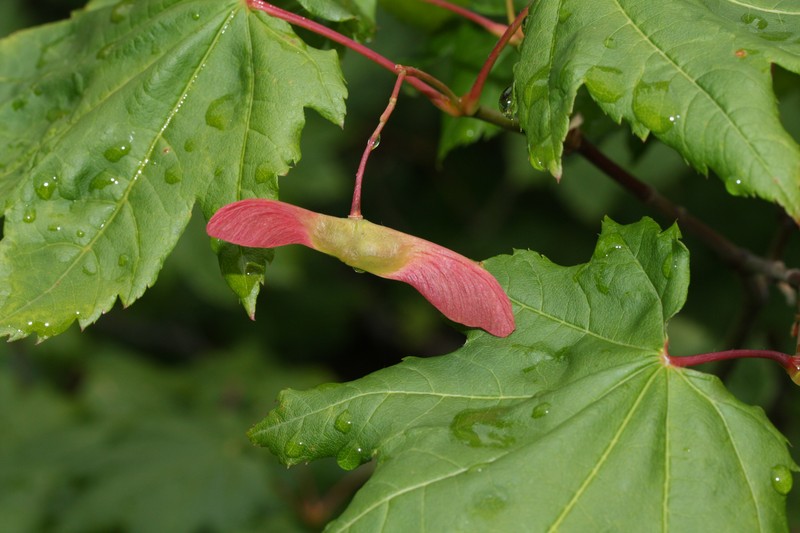
Walter Siegmund (talk)
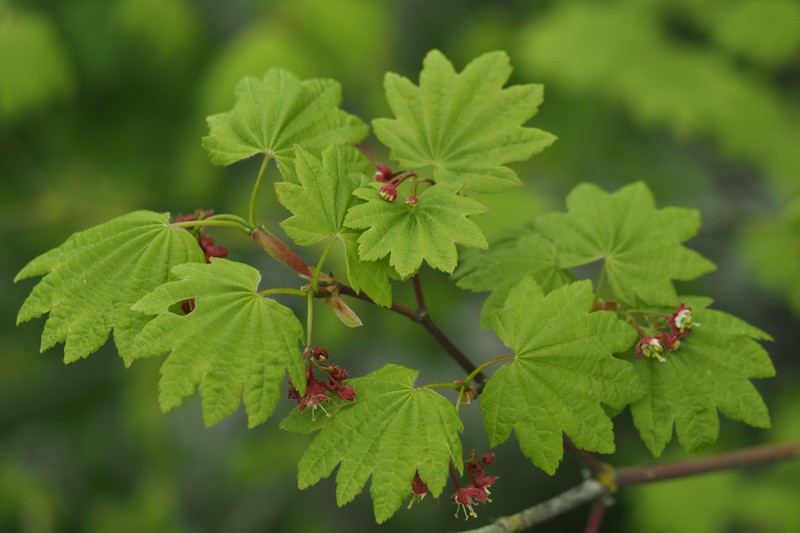
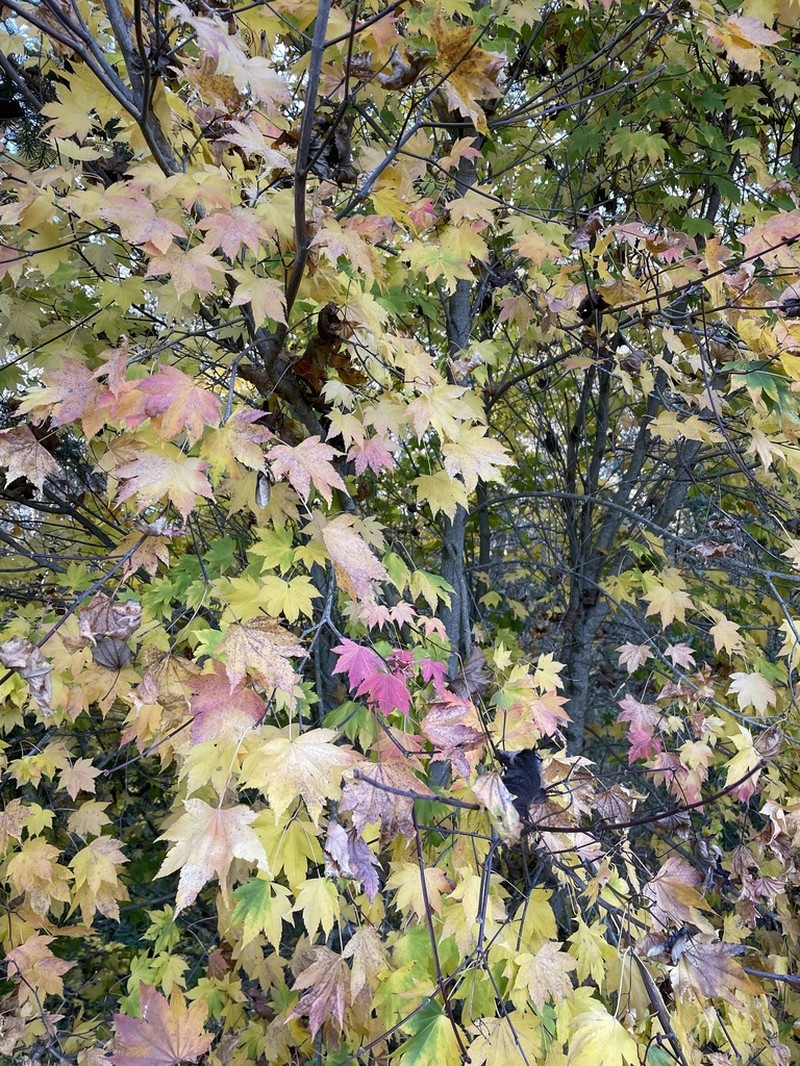
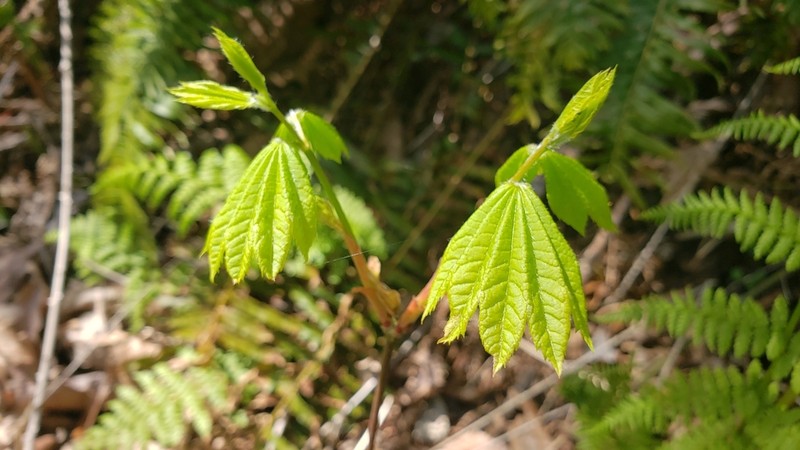
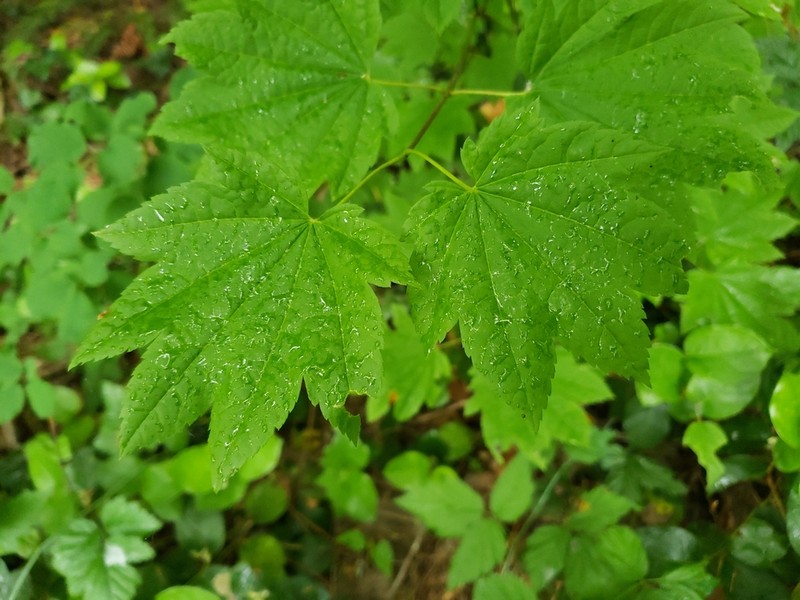
Taxonomy
- Division:
- Magnoliophyta | - Flowering plants
- Family:
- Sapindaceae
- Genus:
- Acer
- Species:
- Acer circinatum
- USDA Symbol:
- ACCI
Growth Characteristics
- Life Cycle:
- Perennial
- Growth Habit:
- Shrub , Tree , Vine
- Height:
- 1200 cm
- Light Requirements:
- Part Shade,Shade
- Drought Tolerance:
- Medium
- Bloom Months:
- apr,may
- Bloom Colors:
- red, purple
- Landscaping Shrub:
- Yes
Wildlife Benefits
- Bees:
- ★☆☆☆☆ Documented bee visitation (GBIF)
- Butterflies & Moths:
- ★★★☆☆ Documented Lepidoptera association (GBIF)
- Caterpillars:
- ★★☆☆☆ Recorded caterpillar host plant (HOSTS Database)
- Hummingbirds:
- ★☆☆☆☆ Documented hummingbird visits (GBIF)
Keystone Species Ranking
- Caterpillar Keystone:
- ★★★★★ Butterfly & moth species supported by this genus (NWF)
Host Plant for Caterpillars
Reported Fauna Sightings
Garden & Ecology Notes
- Wildlife Value:
- birds, small mammals
- Fall Color:
- red, orange, yellow
Soil Requirements
- Soil Type:
- rich, well-drained loamy soil
- pH:
- 5.5 - 7.0 (slightly acidic to neutral)
- Drainage:
- good drainage preferred
- Moisture:
- consistently moist
- Notes:
- Thrives in understory of moist forests
Propagation & Germination
- Stratification:
- Cold/moist stratification required — 60–90 days
- Germination Time:
- 30–60 days
- Notes:
- Seeds require cold stratification for 60-90 days to break dormancy; germination occurs in spring.
Pre-treatment: Collected seeds with attached samaras immediately placed in damp peat moss for 150+ days of cold moist stratification; or sown directly into flats with a rich propagation medium (high in peat moss) and placed in lathhouse at Corvallis OR in September for natural stratification.
Establishment: Ripened samaras collected at fall color-change from late August to early September - seeds allowed to dry out on tree may be harder to germinate, though viable. Plants occur both in understory of mixed conifers as a small tree, or in openings and cut-over clearings as multistem shrubs. Northwestern US, including Alaska and northern California, mostly west of the Cascade Mountain Range.
Source: npn.rngr.net
Where to Buy
Nationwide Seller
- Sheffield's Seed (seeds)