
Rocky Mountain Maple
Acer glabrum
Also known as: Greene's maple, New Mexico maple, Rocky Mountain maple, Torrey maple
- Native to:
- Canada, Mexico, United States
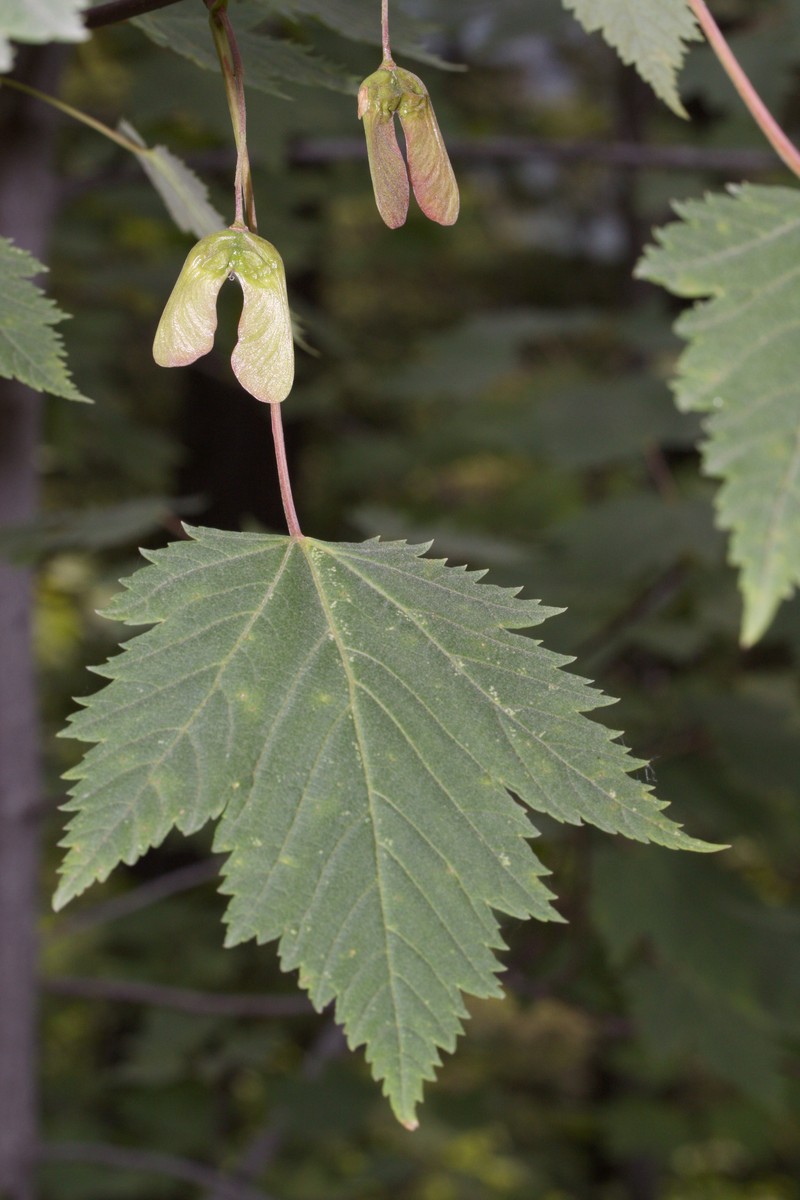
Walter Siegmund (talk)
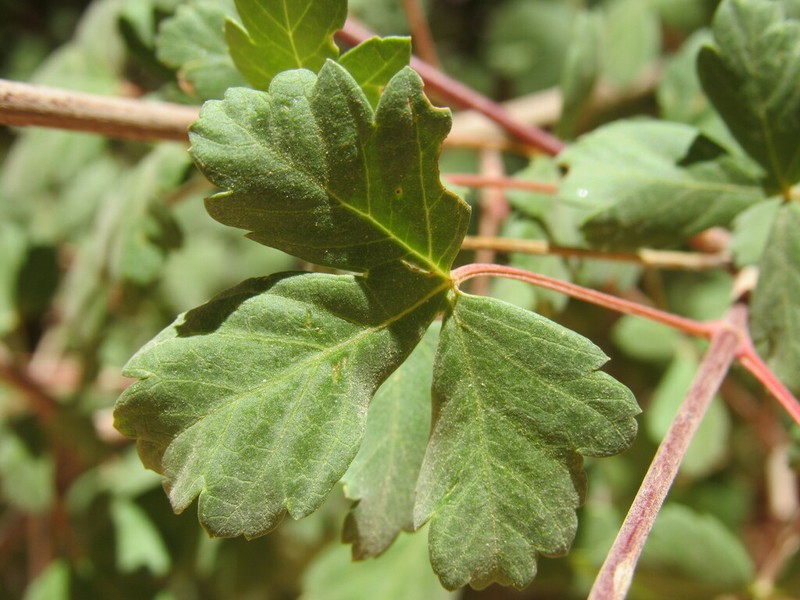
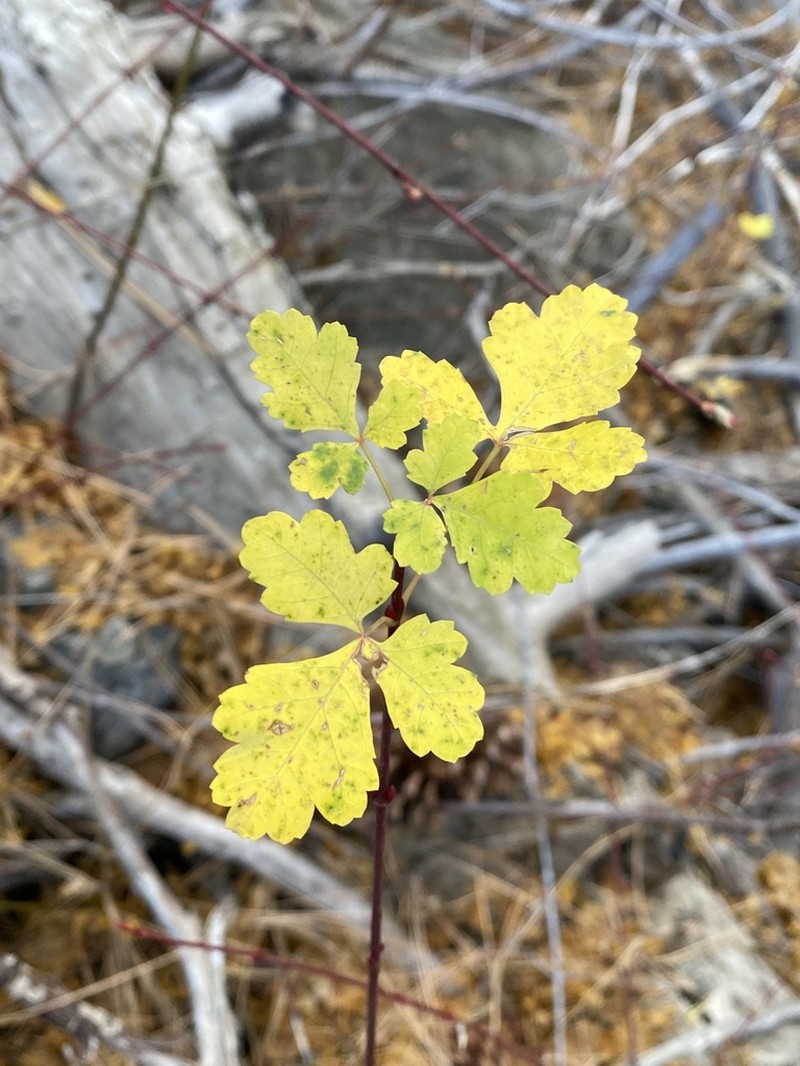
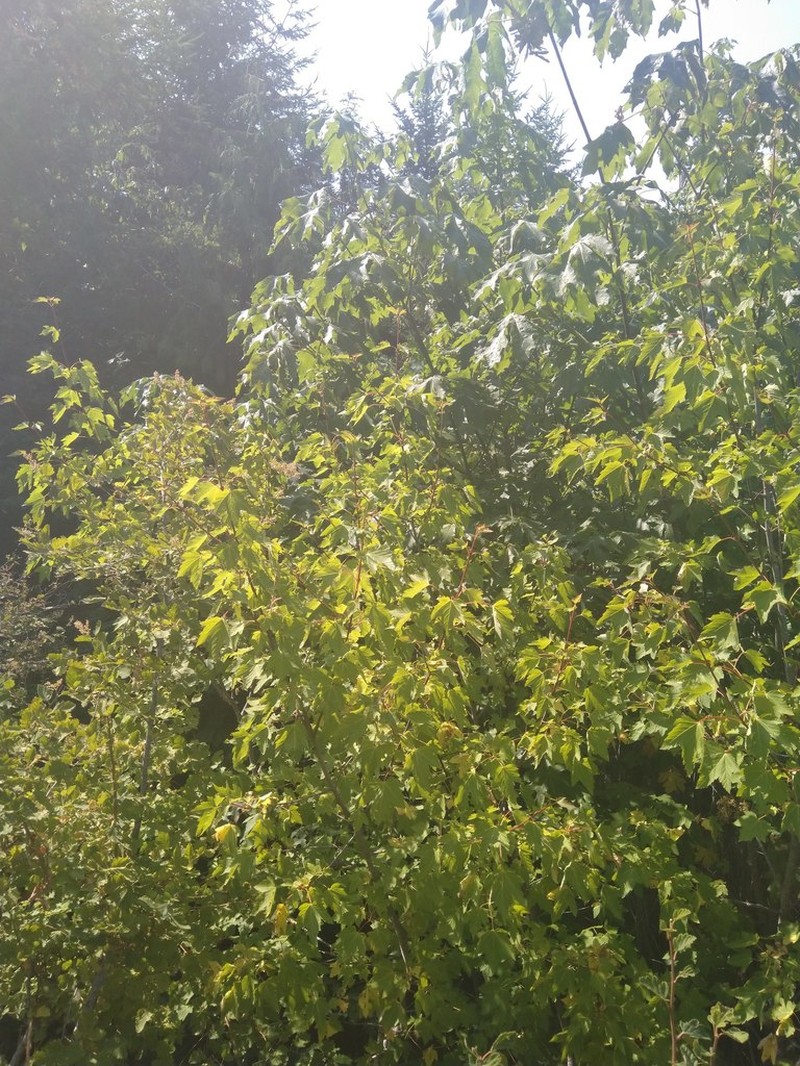
Taxonomy
- Division:
- Magnoliophyta | - Flowering plants
- Family:
- Sapindaceae
- Genus:
- Acer
- Species:
- Acer glabrum
- USDA Symbol:
- ACGL
Growth Characteristics
- Life Cycle:
- Perennial
- Growth Habit:
- Shrub , Tree
- Height:
- 1200 cm
- Light Requirements:
- Full Sun
- Drought Tolerance:
- Medium
- Bloom Months:
- apr,may
- Bloom Colors:
- yellow-green
Wildlife Benefits
- Bees:
- ★☆☆☆☆ Documented bee visitation (GBIF)
- Butterflies & Moths:
- ★☆☆☆☆ Documented Lepidoptera association (GBIF)
- Caterpillars:
- ★☆☆☆☆ Recorded caterpillar host plant (HOSTS Database)
Keystone Species Ranking
- Caterpillar Keystone:
- ★★★★★ Butterfly & moth species supported by this genus (NWF)
Host Plant for Caterpillars
Garden & Ecology Notes
- Wildlife Value:
- birds, small mammals
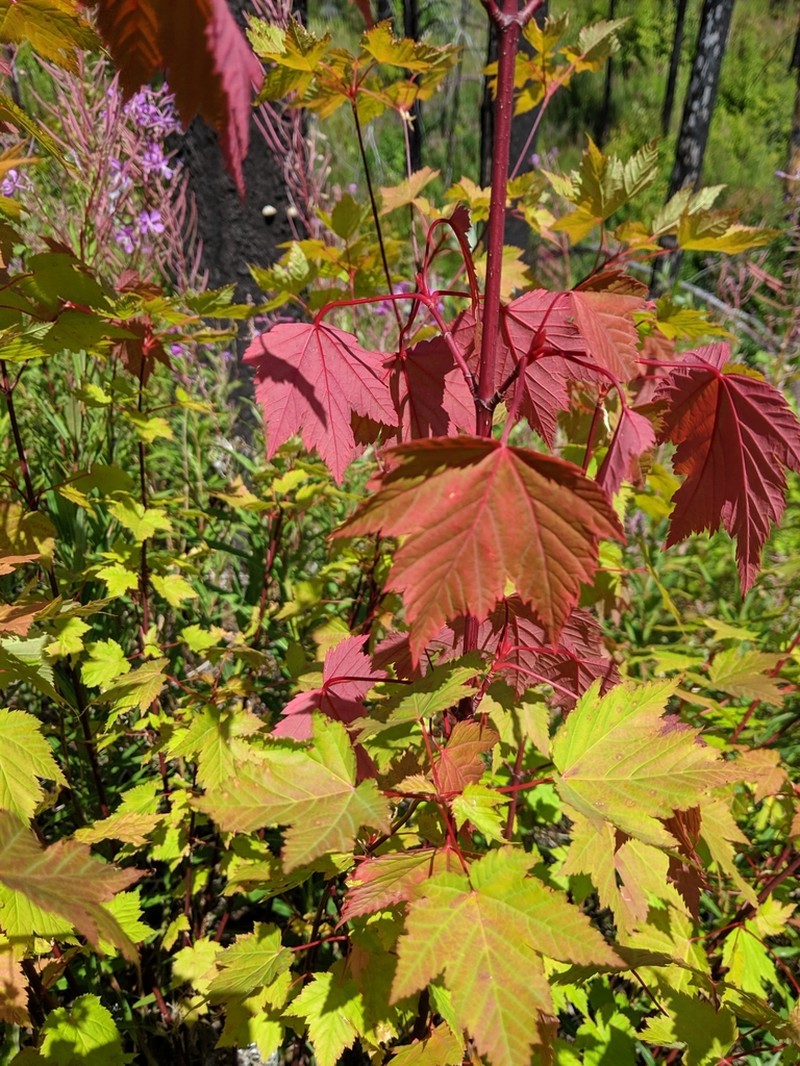
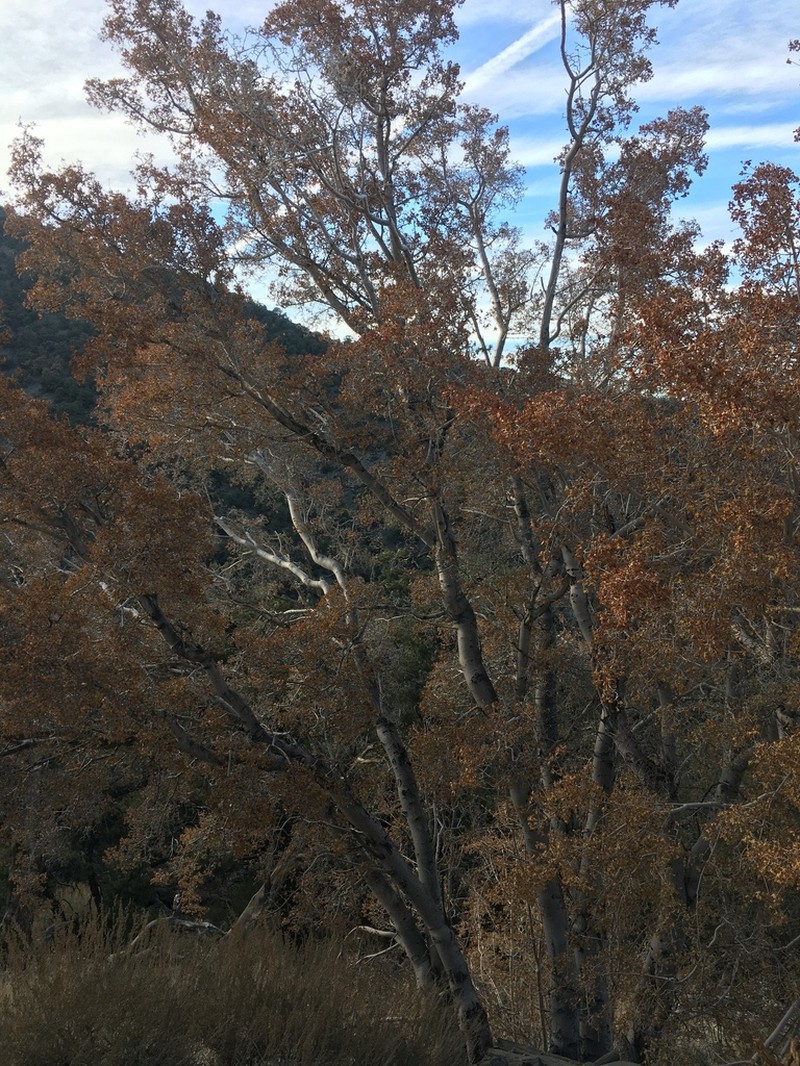
- Fall Color:
- red, orange
- Fire Ecology:
- Fire adapted — tolerates or benefits from fire
- Fire Notes:
- Can resprout from root crown after low to moderate severity fire.
Soil Requirements
- Soil Type:
- rich, well-drained loamy soil
- pH:
- 5.5 - 7.5 (slightly acidic to neutral)
- Drainage:
- excellent drainage required
- Moisture:
- consistently moist
- Notes:
- Prefers riparian zones and mountainous regions
Propagation & Germination
- Stratification:
- Cold/moist stratification required — 60–90 days
- Germination Time:
- 30–60 days
- Notes:
- Seeds require cold stratification for 60-90 days to break dormancy.
Pre-treatment: Seeds are placed in water immediately after collection for 3 days to 1 week, changing water once or twice per day. Then, seeds are placed in a 90 day warm, moist stratification (73.4 to 77°F) followed by 120 day cold, moist stratification at 33.8 to 37.4°F. Alternatively, seeds can be placed in cold moist stratification for 180 days or stratified naturally by planting them in the fall in a thin layer of sand on mulched field beds.
Establishment: Timing of seed collection plays an important role in germination success. Ripe samaras are greenish to light brown and still somewhat leathery. Mature samaras are firm with yellow cotyledons completely filling the seed cavity. Generally, seeds are at the optimum stage for collection in early August at moderate elevations and early September at higher elevations. Samaras must be collected before the pericarp becomes withered, dry and hard. Samaras with hardened pericarps collected in late fall germinate poorly.
Source: npn.rngr.net
ORGHPS Germination Guide: Repeated cycles of 4C then 20C, 3 months each. Very prolonged. Requires soaking 24-48 hrs; discard floaters.
Where to Buy
Nationwide Seller
- Native Seed Group (seeds)
- Sheffield's Seed (seeds)