
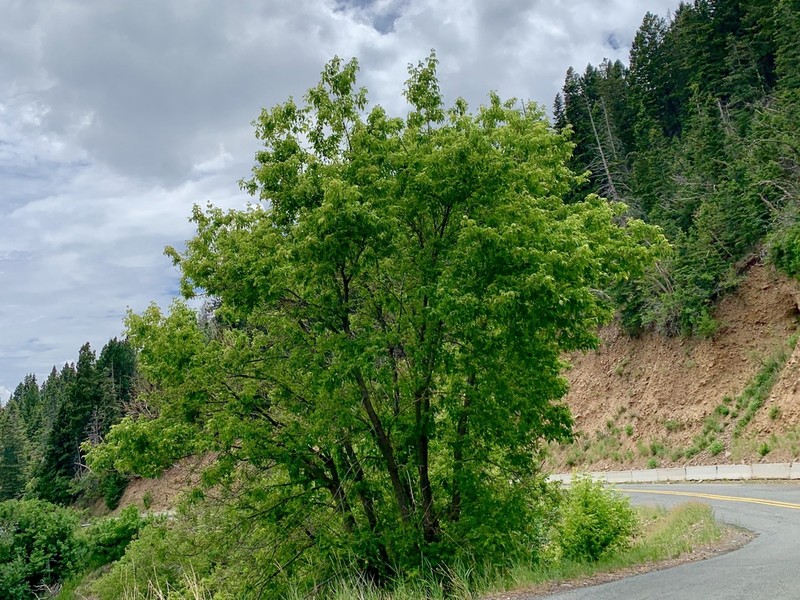
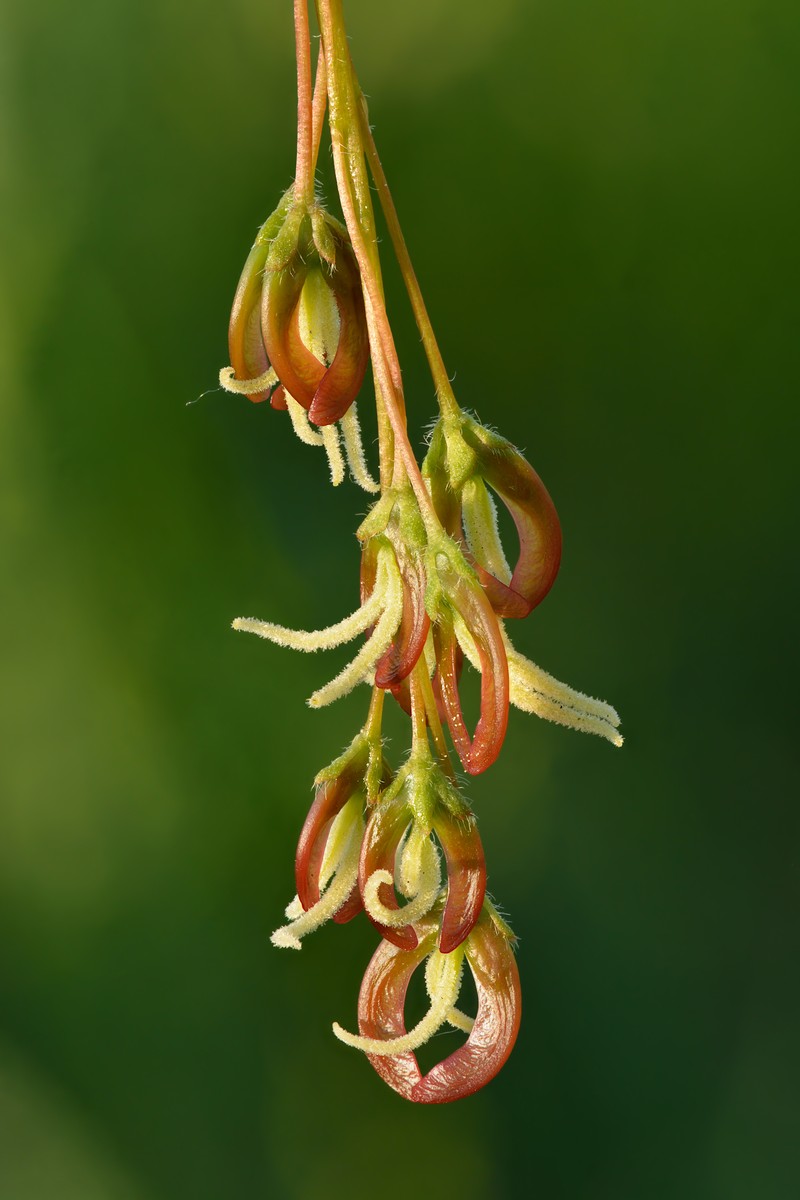
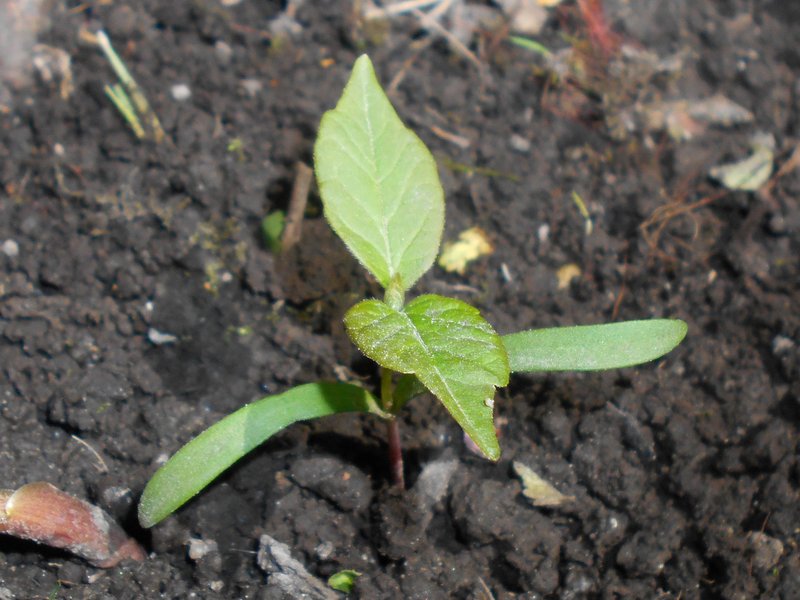
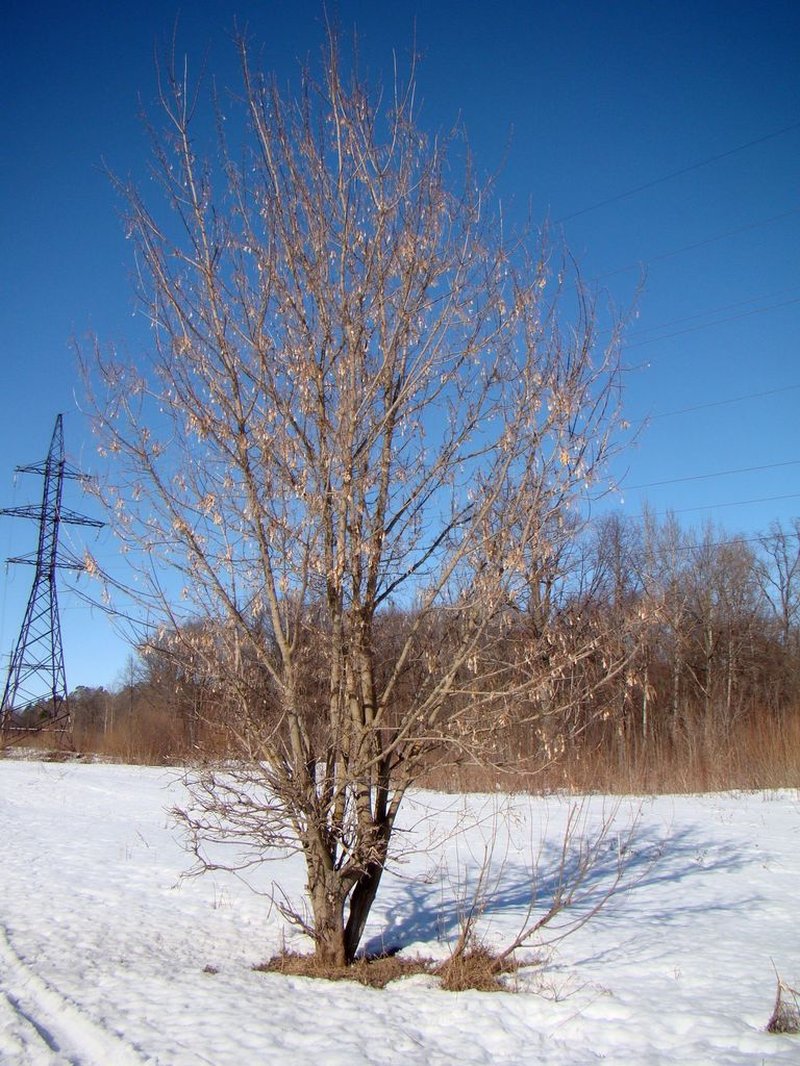
Boxelder
Acer negundo
Also known as: California boxelder, boxelder
- Native to:
- Canada, Guam, Guatemala, Honduras, Mexico, Prince Edward I., United States, Virgin Islands
Ivar Leidus
Taxonomy
- Division:
- Magnoliophyta | - Flowering plants
- Family:
- Sapindaceae
- Genus:
- Acer
- Species:
- Acer negundo
- USDA Symbol:
- ACNE2
Growth Characteristics
- Life Cycle:
- Perennial
- Growth Habit:
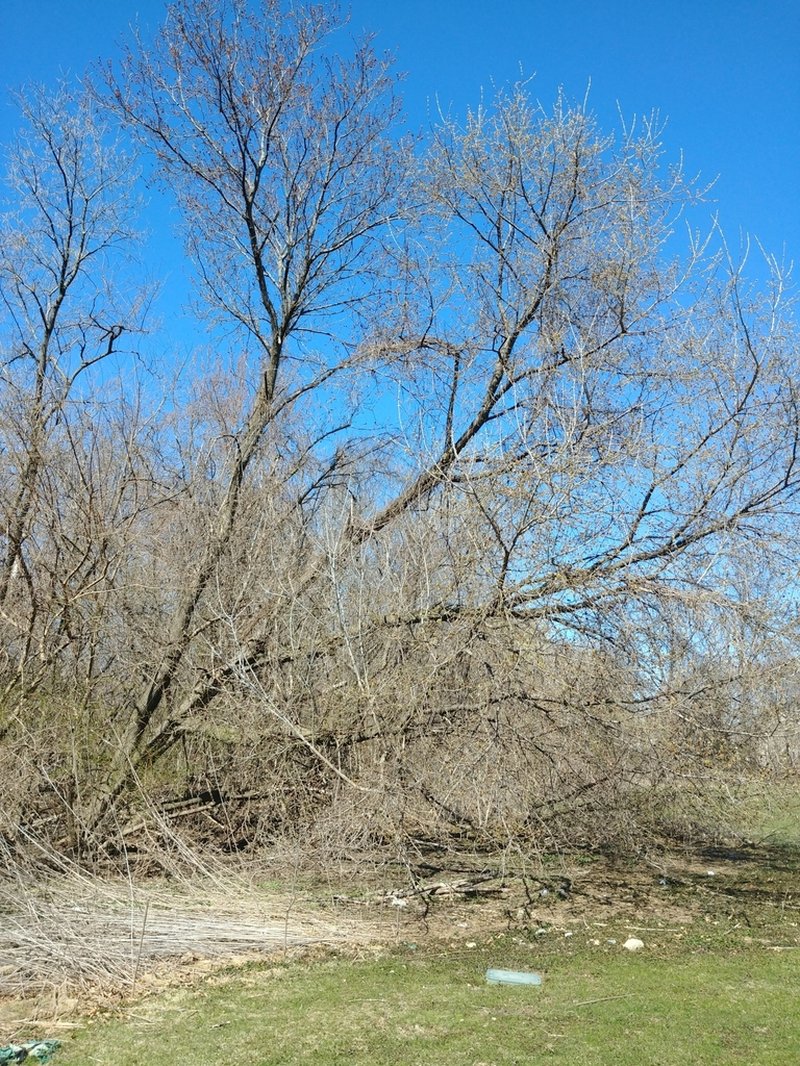
- Tree
- Height:
- 2000 cm
- Light Requirements:
- Full Sun
- Drought Tolerance:
- Medium
- Bloom Months:
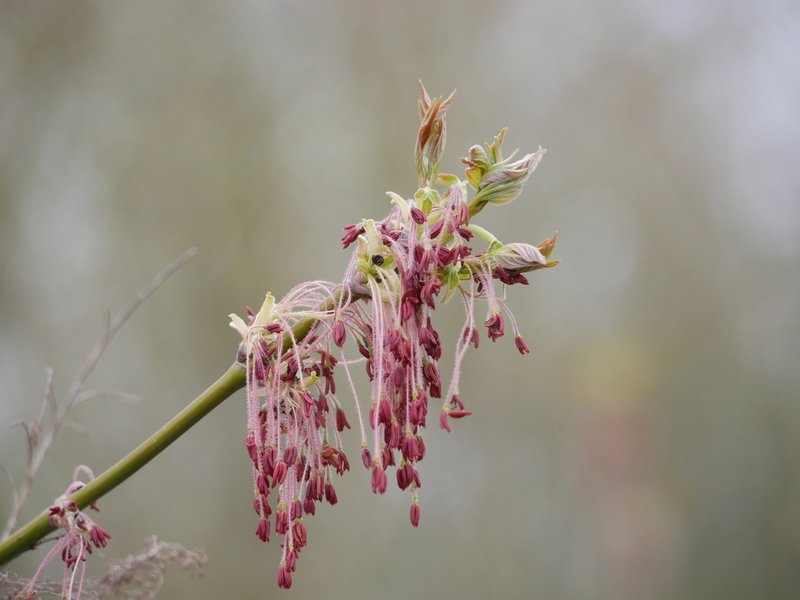
- mar,apr,may
- Bloom Colors:
- greenish-yellow
Wildlife Benefits
- Bees:
- ★☆☆☆☆ Documented bee visitation (GBIF)
- Butterflies & Moths:
- ★★★★☆ Documented Lepidoptera association (GBIF)
- Caterpillars:
- ★★★★★ Recorded caterpillar host plant (HOSTS Database)
- Hummingbirds:
- ★☆☆☆☆ Documented hummingbird visits (GBIF)
Keystone Species Ranking
- Caterpillar Keystone:
- ★★★★★ Butterfly & moth species supported by this genus (NWF)
Host Plant for Caterpillars
Grote's Pinion (Lithophane grotei), Abagrotis reedi, Abbot's Bagworm Moth (Oiketicus abbotii), American Dagger Moth (Acronicta americana), Ashen Pinion (Lithophane antennata), Banded Tussock Moth (Halysidota tessellaris), Barnes' dart moth (Abagrotis barnesi), Bethune's Pinion (Lithophane bethunei), boxelder leafroller moth (Caloptilia negundella), Burdock Borer (Papaipema cataphracta), Cactus Moth (Laetilia coccidivora), Carpenterworm Moth (Prionoxystus robiniae), Cecropia moth (Hyalophora cecropia), Chionodes negundella, clandestine dart (Spaelotis clandestina), Colocasia propinquilinea, Columbia silk moth (Hyalophora columbia), Copper Underwing (Amphipyra pyramidoides), Euxoa tessellata, Eversmann's rustic (Actebia fennica), fall cankerworm (Alsophila pometaria), Fall webworm (Hyphantria cunea), Festive Midget (Elaphria festivoides), Forest Tent Caterpillar (Malacosoma disstria), fruit-tree leafroller (Archips argyrospila), Gypsy moth (Lymantria dispar), Hemina Pinion (Lithophane hemina), hibiscus Quaker (Orthosia hibisci), Hickory Tussock Moth (Lophocampa caryae), Imperial Moth (Eacles imperialis), Io moth (Automeris io), larger boxelder leafroller (Archips negundana), larger boxelder leafroller (Adoxophyes negundana), Leconte's haploa (Haploa lecontei), 🛑Leuschner's tussock moth (Orgyia leuschneri), Linden looper (Erannis tiliaria), Luna moth (Actias luna), maple twig borer (Proteoteras aesculana), maple-basswood leafroller (Sparganothis pettitana), Nematocampa sp., Norman's Quaker (Crocigrapha normani), oak leafroller (Archips semiferanus), Obliquebanded leafroller (Choristoneura rosaceana), One-spotted variant moth (Hypagyrtis unipunctata), Orbis Dart (Abagrotis orbis), Oslar's oakworm moth (Anisota oslari), Polyphemus moth (Antheraea polyphemus), Proteoteras arizonae, Proteoteras crescentana, Proteoteras willingana, Rosy Maple Moth (Dryocampa rubicunda), Sabulodes caberata, speckled acleris moth (Acleris negundana), Spotted Tussock Moth (Lophocampa maculata), Spring cankerworm (Paleacrita vernata), Stigmella apicialbella, Straight-toothed Sallow (Eupsilia vinulenta), tawny brown carpet moth (Anacamptodes ephyraria), three-lined leafroller (Pandemis limitata), Variegated cutworm (Peridroma saucia), White-marked Tussock Moth (Orgyia leucostigma), Zale galbanata, Banded Hairstreak (Satyrium calanus)
Reported Fauna Sightings
Hummingbirds: Anna's Hummingbird (Calypte anna) Moths:American Dagger Moth (Acronicta americana), Bagworm moth (Thyridopteryx ephemeraeformis), Banded Tussock Moth (Halysidota tessellaris), boxelder leafroller moth (Caloptilia negundella), Cecrita biundata, Fall webworm (Hyphantria cunea), retarded dagger moth (Acronicta retardata), White-marked Tussock Moth (Orgyia leucostigma), Zale galbanata
Garden & Ecology Notes
- Wildlife Value:
- birds, small mammals
- Salt Tolerant:
- Yes
- Fall Color:
- yellow
Soil Requirements
- Soil Type:
- fertile, moist, well-drained loam
- pH:
- 6.0 - 8.0 (slightly acidic to neutral)
- Drainage:
- tolerates poor drainage
- Moisture:
- consistently moist
- Notes:
- Commonly found in riparian zones and floodplains
Propagation & Germination
- Stratification:
- Cold/moist stratification required — 30–90 days
- Germination Time:
- 14–30 days
- Notes:
- Seeds benefit from cold stratification for 30-90 days to break dormancy.
Pre-treatment: Seeds are imbibed in water overnight and dusted with fungicide prior to planting outdoors in the fall for natural stratification. Alternatively, seeds can be mixed with perlite or vermiculite, kept at room temperature for 2-3 months, then stored in a cold environment (33-42 degrees F) for 3-6 months.
Establishment: Seeds are collected from late September to late October or in late June. The plant is found throughout North America and is a common component of riparian areas. It can be propagated as a bareroot (field grown) or in a container (plug).
Source: npn.rngr.net
Where to Buy
Nationwide Seller
- Sheffield's Seed (seeds)