
Red Maple
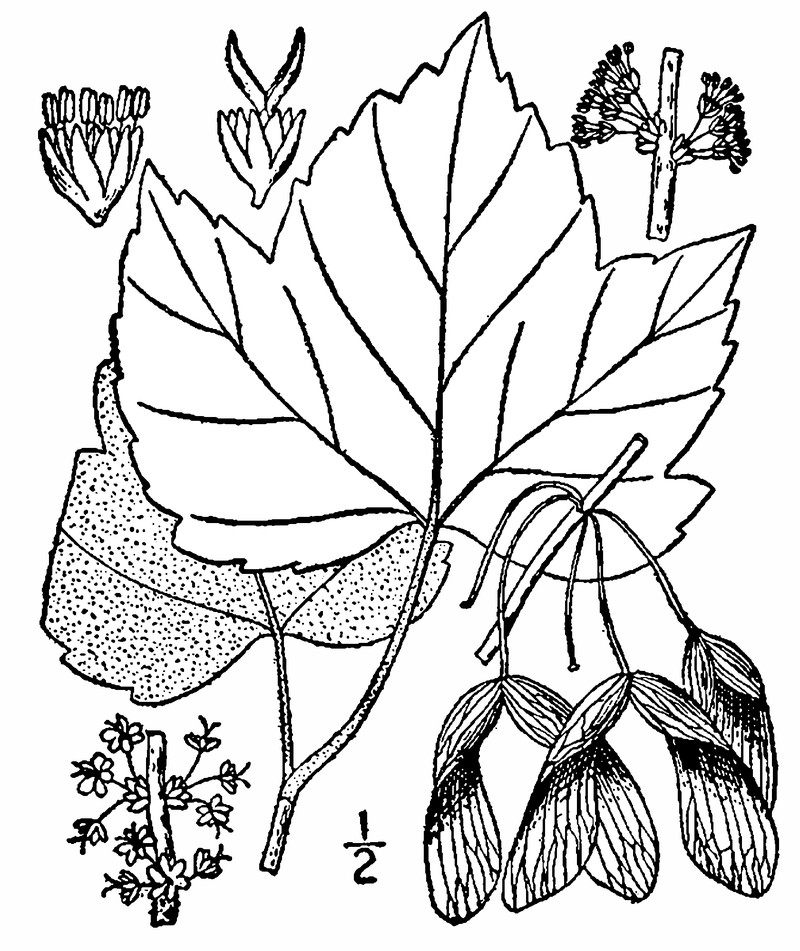
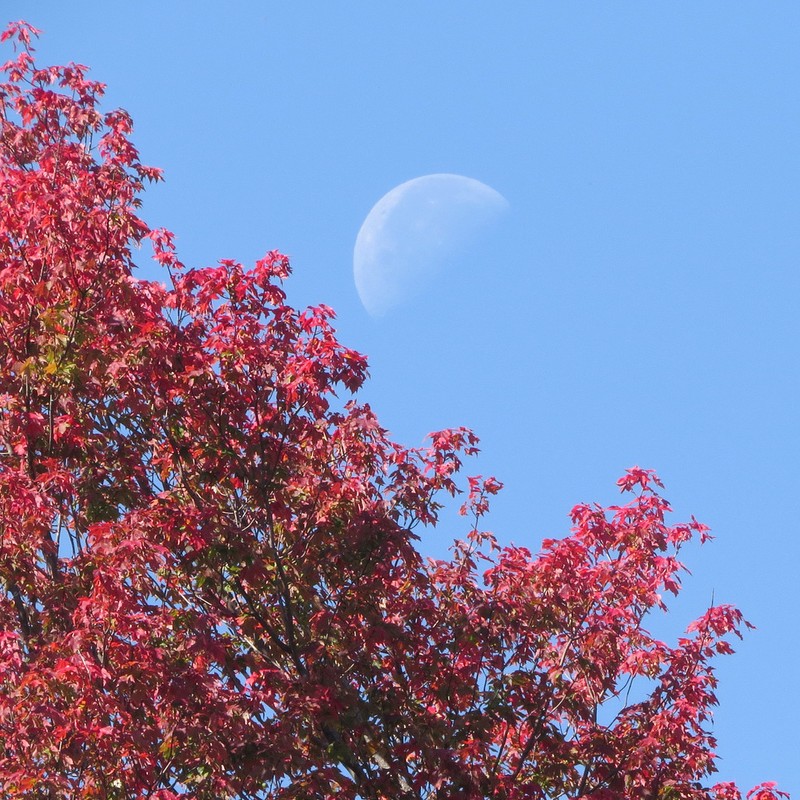
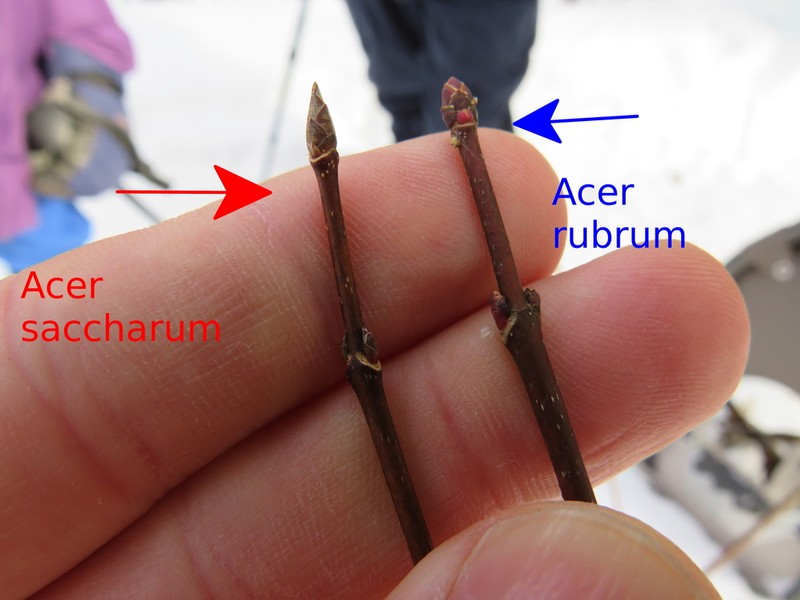
Acer rubrum
Also known as: southern sugar maple
- Native to:
- Canada, Prince Edward I., United States, Virgin Islands
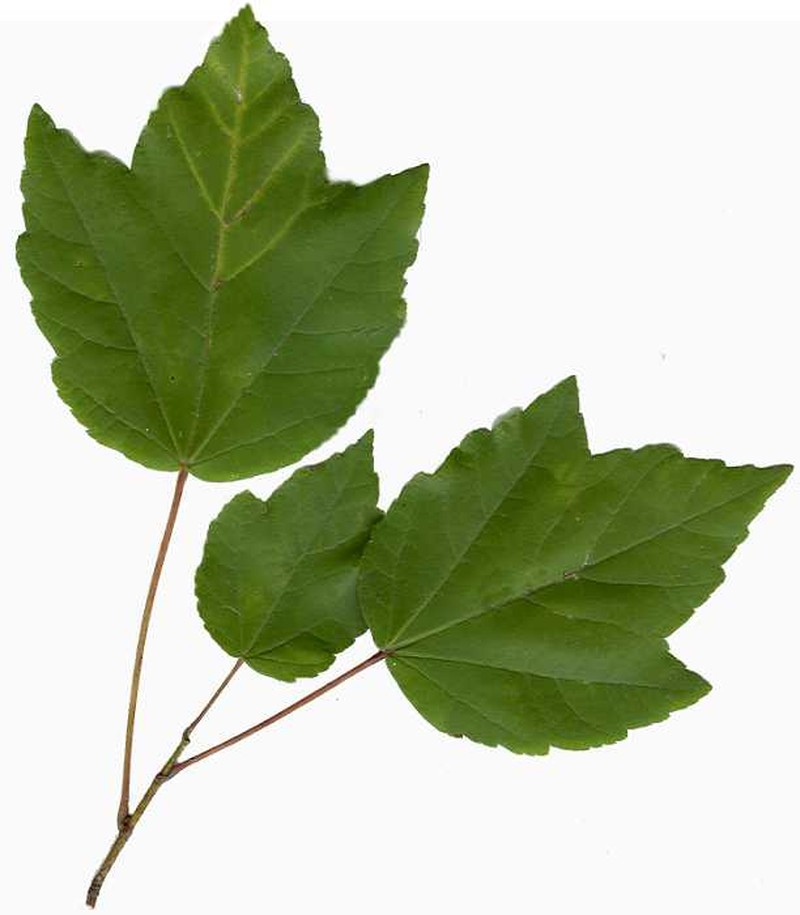
No machine-readable author provided. Noles1984~commonswiki assumed (based on copyright claims).
Taxonomy
- Division:
- Magnoliophyta | - Flowering plants
- Family:
- Sapindaceae
- Genus:
- Acer
- Species:
- Acer rubrum
- USDA Symbol:
- ACRU
Growth Characteristics
- Life Cycle:
- Perennial
- Growth Habit:
- Tree
- Height:
- 3000 cm
- Light Requirements:
- Full Sun,Part Shade
- Drought Tolerance:
- Low
- Bloom Months:
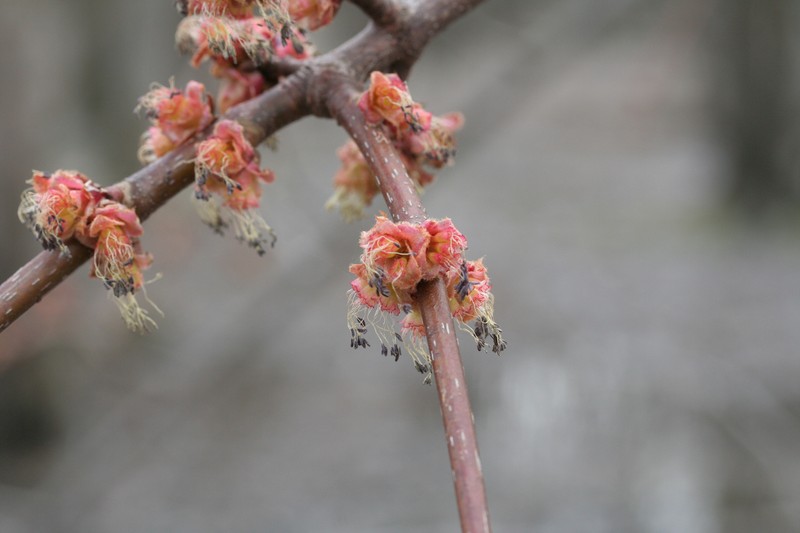
- mar,apr
- Bloom Colors:
- red
Wildlife Benefits
- Bees:
- ★☆☆☆☆ Documented bee visitation (GBIF)
- Butterflies & Moths:
- ★★★★★ Documented Lepidoptera association (GBIF)
- Caterpillars:
- ★★★★★ Recorded caterpillar host plant (HOSTS Database)
- Hummingbirds:
- ★☆☆☆☆ Documented hummingbird visits (GBIF)
Keystone Species Ranking
- Caterpillar Keystone:
- ★★★★★ Butterfly & moth species supported by this genus (NWF)
Host Plant for Caterpillars
alien probole (Probole alienaria), American Dagger Moth (Acronicta americana), Baltimore bomolocha moth (Hypena baltimoralis), Banded Tussock Moth (Halysidota tessellaris), Bethune's Pinion (Lithophane bethunei), broken-banded leafroller (Choristoneura fractivittana), Brown angle shades (Phlogophora periculosa), Caloptilia aceriella, Caloptilia bimaculatella, Caloptilia speciosella, Caloptilia umbratella, Canadian Melanolophia (Melanolophia canadaria), Cecropia moth (Hyalophora cecropia), Chain-lined geometer moth (Cingilia catenaria), chalybeana leafroller moth (Acleris chalybeana), Colocasia flavicornis, Confused Morrisonia (Morrisonia confusa), crispate flannel moth (Megalopyge crispata), Crocus Geometer (Xanthotype sospeta), Dafa formosella, dark metanema (Metanema determinata), Definite Tussock Moth (Orgyia definita), elm spanworm moth (Ennomos subsignaria), fall cankerworm (Alsophila pometaria), Fall webworm (Hyphantria cunea), Gypsy moth (Lymantria dispar), Heterocampa biundata, Hickory Tussock Moth (Lophocampa caryae), Imperial Moth (Eacles imperialis), Io moth (Automeris io), Itame pustularia, Kent's Thorn (Selenia kentaria), Lace-winged zale (Zale minerea), lemon plagodis (Plagodis serinaria), Linden looper (Erannis tiliaria), Luna moth (Actias luna), maple borer (Synanthedon acerni), Maple leaf blotch miner (Cameraria aceriella), maple leafcutter moth (Paraclemensia acerifoliella), maple looper moth (Parallelia bistriaris), Maple tip borer moth (Episimus tyrius), maple trumpet skeletonizer (Catastega aceriella), maple twig borer (Proteoteras aesculana), maple-basswood leafroller (Sparganothis pettitana), Morning-glory prominent moth (Schizura ipomoeae), Morrisonia latex, Mournful Thorn (Lambdina fiscellaria), Nameless Pinion (Lithophane innominata), Nevada buckmoth (Hemileuca nevadensis-complex), Nites betulella, Norman's Quaker (Crocigrapha normani), Obliquebanded leafroller (Choristoneura rosaceana), One-spotted variant moth (Hypagyrtis unipunctata), Orthosia revicta, Oslar's oakworm moth (Anisota oslari), parallel-banded leafroller (Choristoneura parallela), Phyllonorycter trinotella, Polyphemus moth (Antheraea polyphemus), Porcelain Gray (Protoboarmia porcelaria), Proteoteras moffatiana, Proteoteras willingana, Red Maple Borer (Synanthedon acerrubri), retarded dagger moth (Acronicta retardata), Rosy Maple Moth (Dryocampa rubicunda), Saddled Prominent (Heterocampa guttivitta), Sidus sallow (Eupsilia sidus), Sparganothis acerivorana, sugarcane leafminer (Cameraria saccharella), Symmerista leucitys, tawny brown carpet moth (Anacamptodes ephyraria), White-marked Tussock Moth (Orgyia leucostigma), Winter moth (Operophtera brumata), woodland leafroller (Pandemis lamprosana), Yellow-banded Underwing (Catocala cerogama), Zale galbanata
Reported Fauna Sightings
Bees: Common eastern (Bombus impatiens), Eastern Carpenter Bee (Xylocopa virginica), ⚠️Western honey bee (Apis mellifera) Hummingbirds: Ruby-throated Hummingbird (Archilochus colubris) Moths:American Dagger Moth (Acronicta americana), Angulose Prominent (Peridea angulosa), Arogalea cristifasciella, Banded Tussock Moth (Halysidota tessellaris), Copper Underwing (Amphipyra pyramidoides), Definite Tussock Moth (Orgyia definita), fall cankerworm (Alsophila pometaria), Fall webworm (Hyphantria cunea), Gypsy moth (Lymantria dispar), Macaria pustularia, Maple leaf blotch miner (Cameraria aceriella), maple leafcutter moth (Paraclemensia acerifoliella), maple looper moth (Parallelia bistriaris), maple trumpet skeletonizer (Catastega aceriella), One-spotted variant moth (Hypagyrtis unipunctata), Phyllonorycter trinotella, Polyphemus moth (Antheraea polyphemus), retarded dagger moth (Acronicta retardata), Rosy Maple Moth (Dryocampa rubicunda), sugarcane leafminer (Cameraria saccharella), sugarcane leafminer (Glaucolepis saccharella) Butterflies:American snout butterfly (Libytheana carinenta), Appalachian Eyed (Lethe appalachia)
Garden & Ecology Notes
- Wildlife Value:
- birds, small mammals, butterflies
- Salt Tolerant:
- Yes
- Fall Color:
- red, orange, yellow
Soil Requirements
- Soil Type:
- moist, well-drained loamy soil
- pH:
- 4.5 - 7.0 (acidic to neutral)
- Drainage:
- tolerates poor drainage
- Moisture:
- consistently moist
- Notes:
- Adaptable to a wide range of soil types
Propagation & Germination
- Stratification:
- Cold/moist stratification required — 60–90 days
- Germination Time:
- 14–30 days
- Notes:
- Seeds require cold stratification for 60-90 days; germination occurs in spring.
Pre-treatment: None required
Establishment: Seeds exhibit physiological dormancy. Planting depth appears important, as deeper planted seedlings do not grow as fast as those more shallowly sown. The plant is found within temperate deciduous forests of North America and grows under a wide variety of conditions, from dry mountain tops to moist woods and swamps.
Source: npn.rngr.net
Where to Buy
Nationwide Seller
- Sheffield's Seed (seeds)