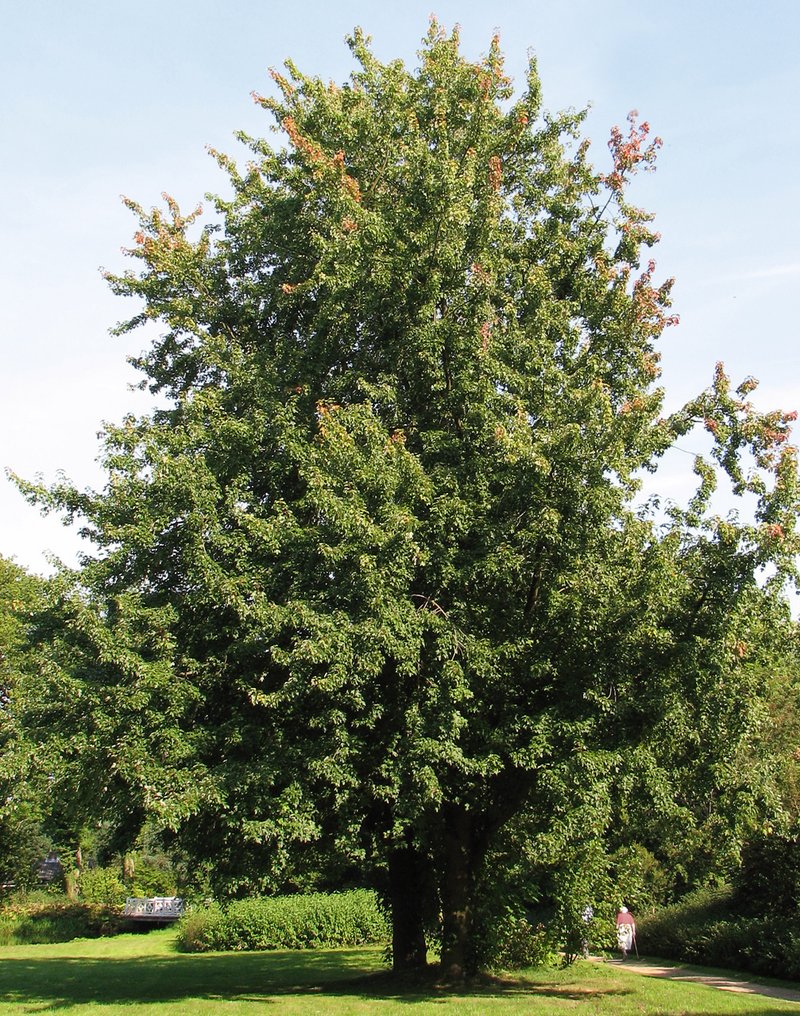
Taxonomy
- Division:
- Magnoliophyta | - Flowering plants
- Family:
- Sapindaceae
- Genus:
- Acer
- Species:
- Acer saccharinum
Growth Characteristics
- Life Cycle:
- Perennial
- Growth Habit:
- Tree
- Height:
- More than 40 ft
- Light Requirements:
- Full Sun, Part Shade, Shade
- Drought Tolerance:
- High
- Bloom Months:
- mar, apr
- Bloom Colors:
- White, Red, Yellow
Native Range
United States: Alabama, Arkansas, California, Connecticut, District of Columbia, Delaware, Florida, Georgia, Iowa, Illinois, Indiana, Kansas, Kentucky, Louisiana, Massachusetts, Maryland, Maine, Michigan, Minnesota, Missouri, Mississippi, North Carolina, North Dakota, Nebraska, New Hampshire, New Jersey, New Mexico, New York, Ohio, Oklahoma, Pennsylvania, Rhode Island, South Carolina, South Dakota, Tennessee, Texas, Virginia, Vermont, Washington, Wisconsin, West Virginia, Canada: New Brunswick, Ontario, Quebec, Saskatchewan
Keystone Species Ranking
- Caterpillar Keystone:
- ★☆☆☆☆
Based on number of butterfly and moth species using this genus as host plant (Source: National Wildlife Federation)
Host Plant for Caterpillars
Grote's Pinion (Lithophane grotei), American Dagger Moth (Acronicta americana), Ashen Pinion (Lithophane antennata), Baltimore bomolocha moth (Hypena baltimoralis), Banded Tussock Moth (Halysidota tessellaris), Bethune's Pinion (Lithophane bethunei), bicolored sallow (Sunira bicolorago), Brown-tail moth (Euproctis chrysorrhoea), Cecropia moth (Hyalophora cecropia), Chain-lined geometer moth (Cingilia catenaria), clandestine dart (Spaelotis clandestina), Colocasia flavicornis, Colocasia propinquilinea, Confused Morrisonia (Morrisonia confusa), Curve-lined looper (Lambdina fervidaria), darksided cutworm (Euxoa messoria), fall cankerworm (Alsophila pometaria), Fall webworm (Hyphantria cunea), Gypsy moth (Lymantria dispar), Heterocampa biundata, hibiscus Quaker (Orthosia hibisci), Hickory Tussock Moth (Lophocampa caryae), Imperial Moth (Eacles imperialis), Io moth (Automeris io), Lithophane laticinerea, maple borer (Synanthedon acerni), Maple leaf blotch miner (Cameraria aceriella), maple looper moth (Parallelia bistriaris), Maple tip borer moth (Episimus tyrius), maple twig borer (Proteoteras aesculana), maple-basswood leafroller (Sparganothis pettitana), Morrisonia latex, Mournful Thorn (Lambdina fiscellaria), Oslar's oakworm moth (Anisota oslari), Packard's Caloptilia Moth (Caloptilia packardella), Phyllonorycter clemensella, Phyllonorycter lucidicostella, Phyllonorycter trinotella, Polyphemus moth (Antheraea polyphemus), Proteoteras moffatiana, Rosy Maple Moth (Dryocampa rubicunda), Saddled Prominent (Heterocampa guttivitta), Smeared Dagger Moth (Acronicta oblinita), Sparganothis acerivorana, Spring cankerworm (Paleacrita vernata), stalk borer moth (Papaipema nebris), sugarcane leafminer (Cameraria saccharella), Variegated cutworm (Peridroma saucia), White-marked Tussock Moth (Orgyia leucostigma)
Reported Fauna Sightings
Bees: Bombus bimaculatus (Bombus bimaculatus), Bombus bimaculatus (Bombus bimaculatus), Bombus impatiens (Bombus impatiens), Bombus impatiens (Bombus impatiens), Xylocopa virginica (Xylocopa virginica), Xylocopa virginica (Xylocopa virginica)
Soil Requirements
- Soil Type:
- rich, moist, well-drained loamy soil
- pH:
- 5.5 - 7.5 (slightly acidic to neutral)
- Drainage:
- tolerates poor drainage
- Moisture:
- consistently moist
- Notes:
- prefers floodplains and riverbanks
Germination Information
Pre-treatment: None required
Establishment: Seeds are either collected from Cumberland Gap National Historical Park, LMU Campus, Cumberland Mt. Research Center or purchased from local people who collect within a 50 mile radius of the nursery. The fruit is two fused samaras that mature from April to June. The Silver maple is found in moist or wet soil, especially along river banks.
Source: npn.rngr.net