
Florida Hopbush
Dodonaea viscosa
- Native to:
- Afghanistan, Aldabra, American Samoa, Andaman Is., Angola, Argentina, Australia, Bahamas, Bangladesh, Belize, Benin, Bermuda, Bismarck Archipelago, Bolivia, Borneo, Botswana, Brazil, Burundi, Cameroon, Cape Verde, Caroline Is., Cayman Is., Central African Republic, Chatham Is., Chile, China, Christmas I., Cocos (Keeling) Is., Colombia, Comoros, Congo, Cook Is., Costa Rica, Cuba, Djibouti, Dominican Republic, DR Congo, Ecuador, El Salvador, Eritrea, Eswatini, Ethiopia, Federated States of Micronesia, Fiji, French Guiana, Gabon, Galápagos, Gambia, Ghana, Gilbert Is., Guam, Guatemala, Guinea, Guinea-Bissau, Gulf States, Guyana, Hainan, Haiti, Honduras, India, Iran, Ivory Coast, Jamaica, Jawa, Kazan-retto, Kenya, Laccadive Is., Leeward Is., Lesser Sunda Is., Liberia, Madagascar, Malawi, Malaya, Maldives, Maluku, Marianas, Marquesas, Marshall Is., Marshall Islands, Mauritius, Mexican Pacific Is., Mexico, Mozambique, Myanmar, Nansei-shoto, Nauru, Nepal, New Caledonia, New Guinea, New Zealand, Nicaragua, Nicobar Is
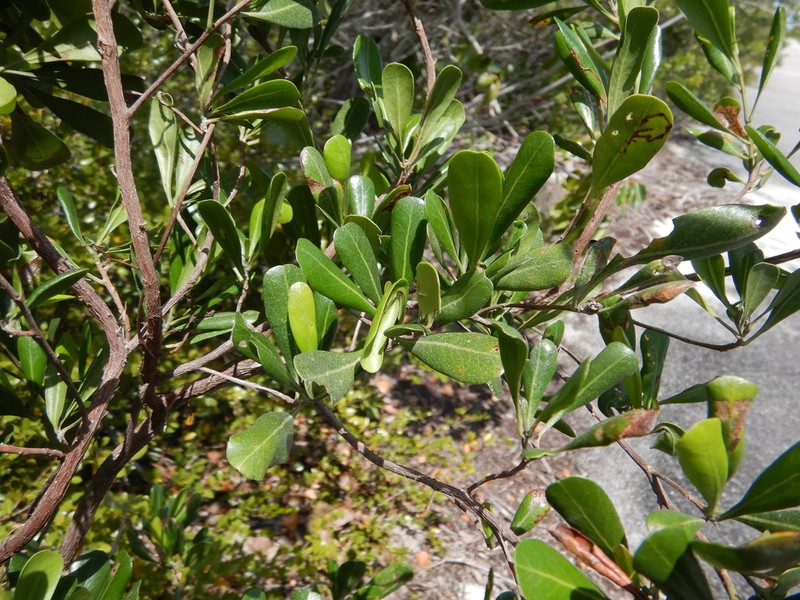
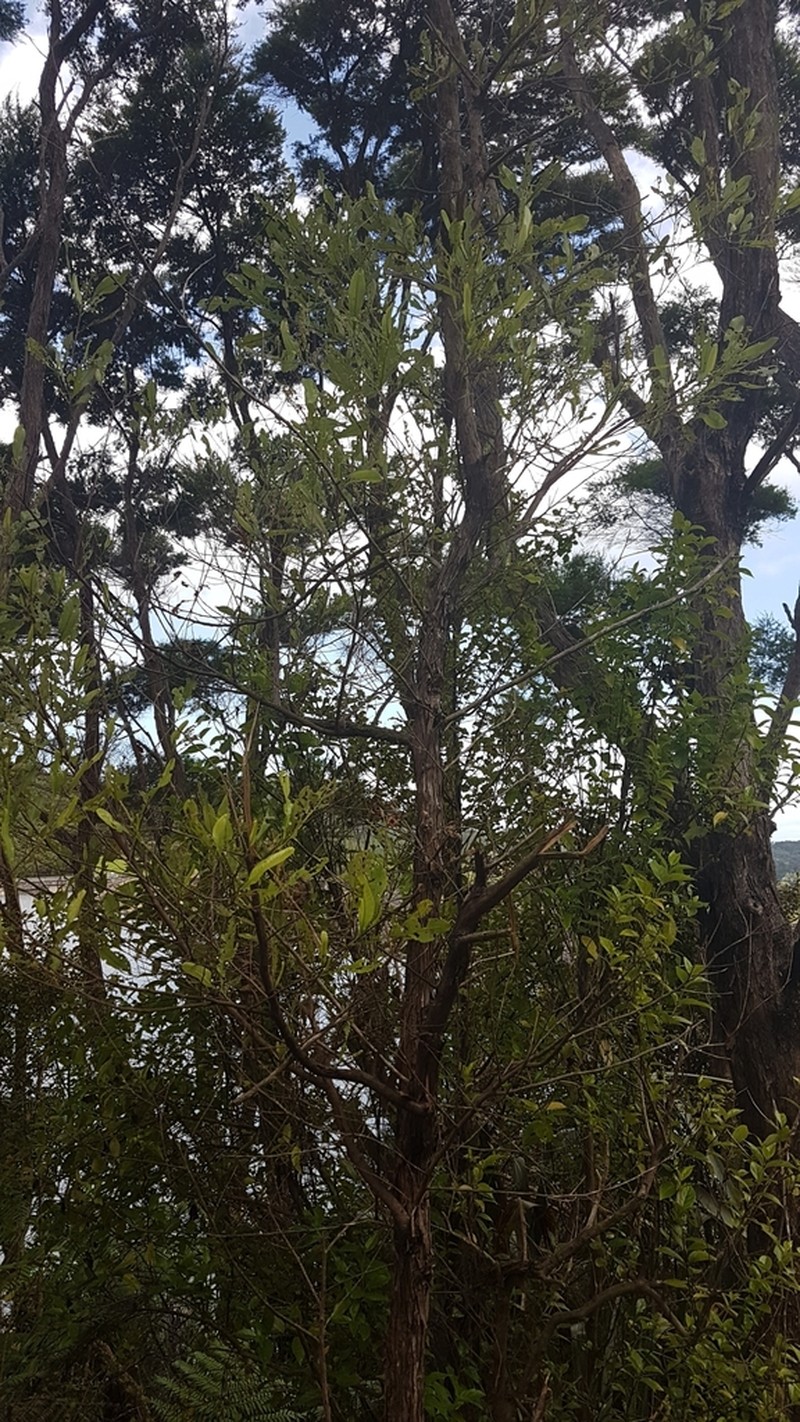
iNaturalist: © j-stauffer (iNaturalist #124653244)
Taxonomy
- Division:
- Magnoliophyta | - Flowering plants
- Family:
- Sapindaceae
- Genus:
- Dodonaea
- Species:
- Dodonaea viscosa
- USDA Symbol:
- DOVI
Growth Characteristics
- Life Cycle:
- Perennial
- Growth Habit:
- Shrub , Tree
- Height:
- 500 cm
- Light Requirements:
- Full Sun
- Drought Tolerance:
- High
- Bloom Months:
- mar,apr,may,jun,jul,aug
- Bloom Colors:
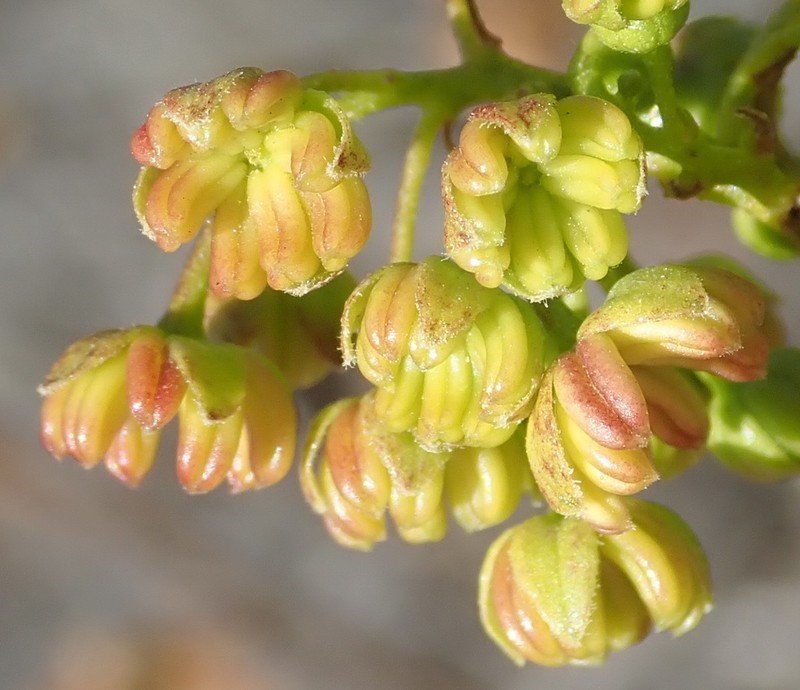
- greenish-yellow
- Evergreen Shrub:
- Yes
- Landscaping Shrub:
- Yes
Wildlife Benefits
- Bees:
- ★☆☆☆☆ Documented bee visitation (GBIF)
- Butterflies & Moths:
- ★★★★★ Documented Lepidoptera association (GBIF)
- Caterpillars:
- ★☆☆☆☆ Recorded caterpillar host plant (HOSTS Database)
Garden & Ecology Notes
- Wildlife Value:
- birds, butterflies
- Deer Resistant:
- Yes
- Salt Tolerant:
- Yes
- Fire Ecology:
- Fire adapted — tolerates or benefits from fire
- Fire Notes:
- Resprouts vigorously after fire; seeds germinate readily in post-fire conditions.
Soil Requirements
- Soil Type:
- well-drained, sandy or rocky soil
- pH:
- 5.5 - 7.5 (slightly acidic to neutral)
- Drainage:
- excellent drainage required
- Moisture:
- dry to moderate
- Notes:
- adaptable to various soil types; drought-tolerant
Propagation & Germination
Pre-treatment: Fresh seeds require no pretreatment to germinate. However, germination may be faster if seeds are pretreated with hot water (3 parts near boiling water) and soaked for 24 hours. Discard floaters. Germination may be increased for certain seedlots by first soaking the seeds in a 1 part bleach to 9 parts water solution for 2-3 minutes, then rinse.
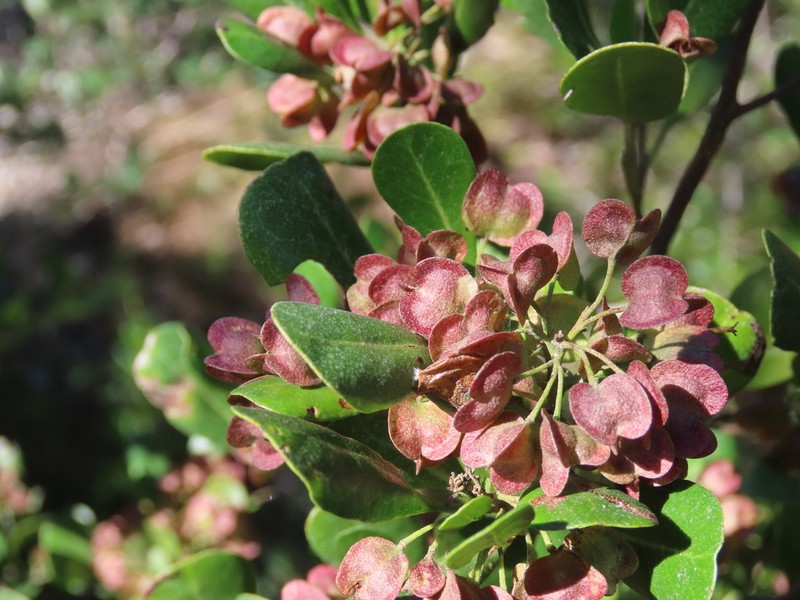
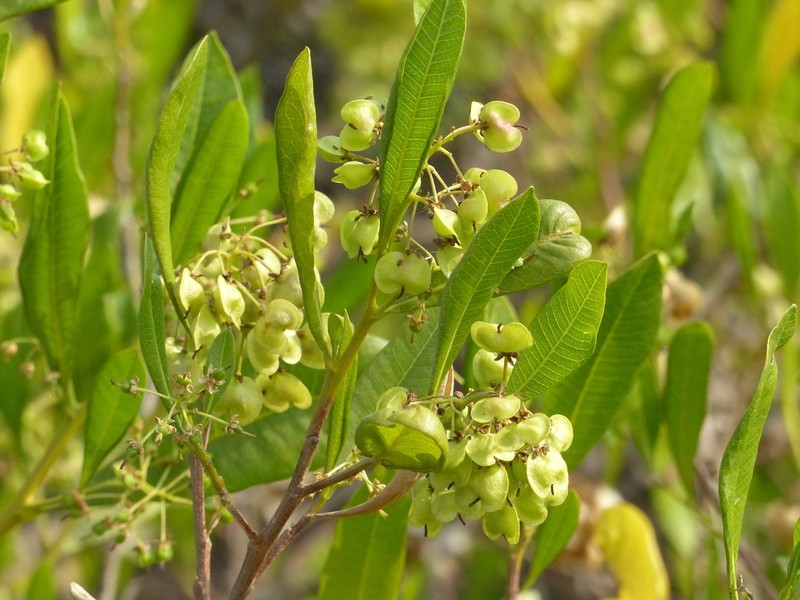
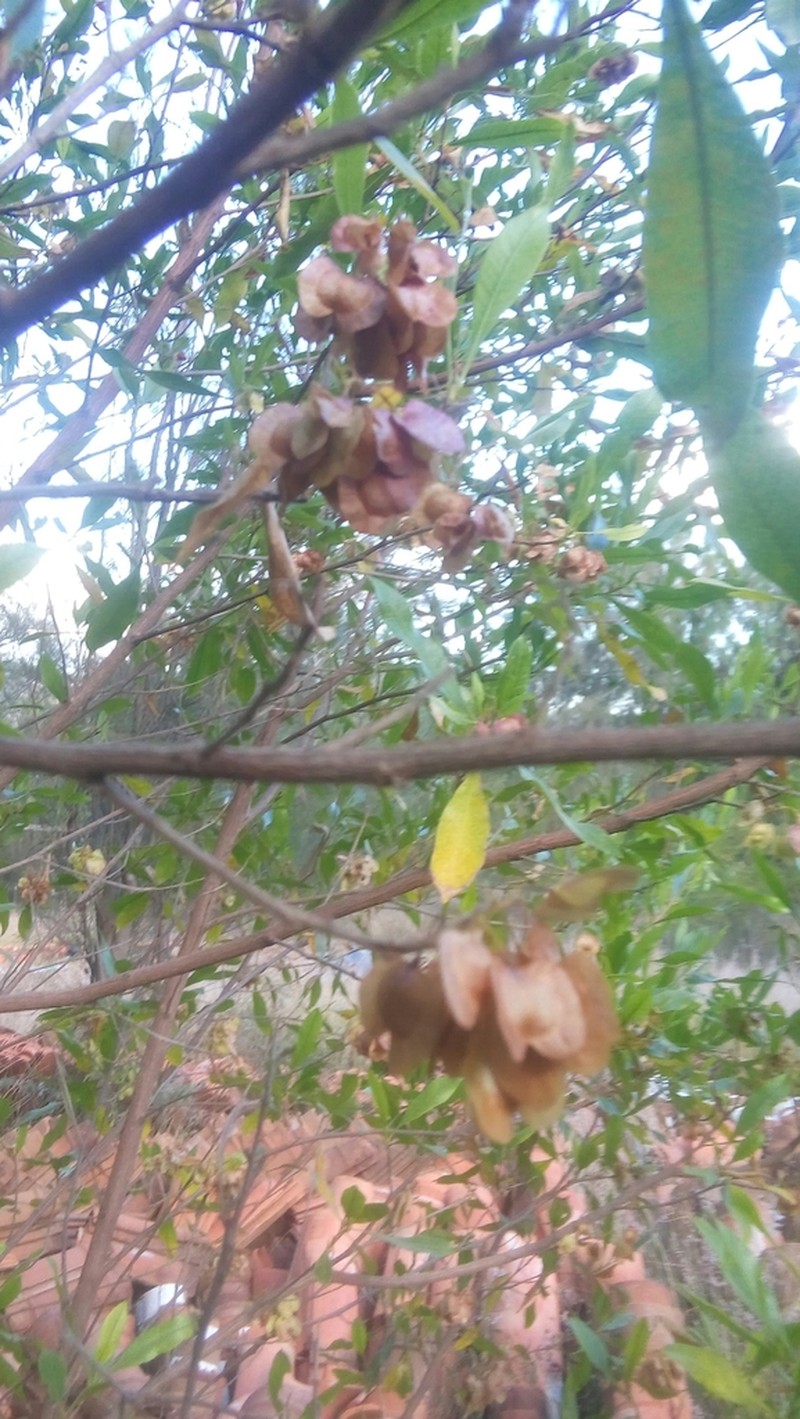
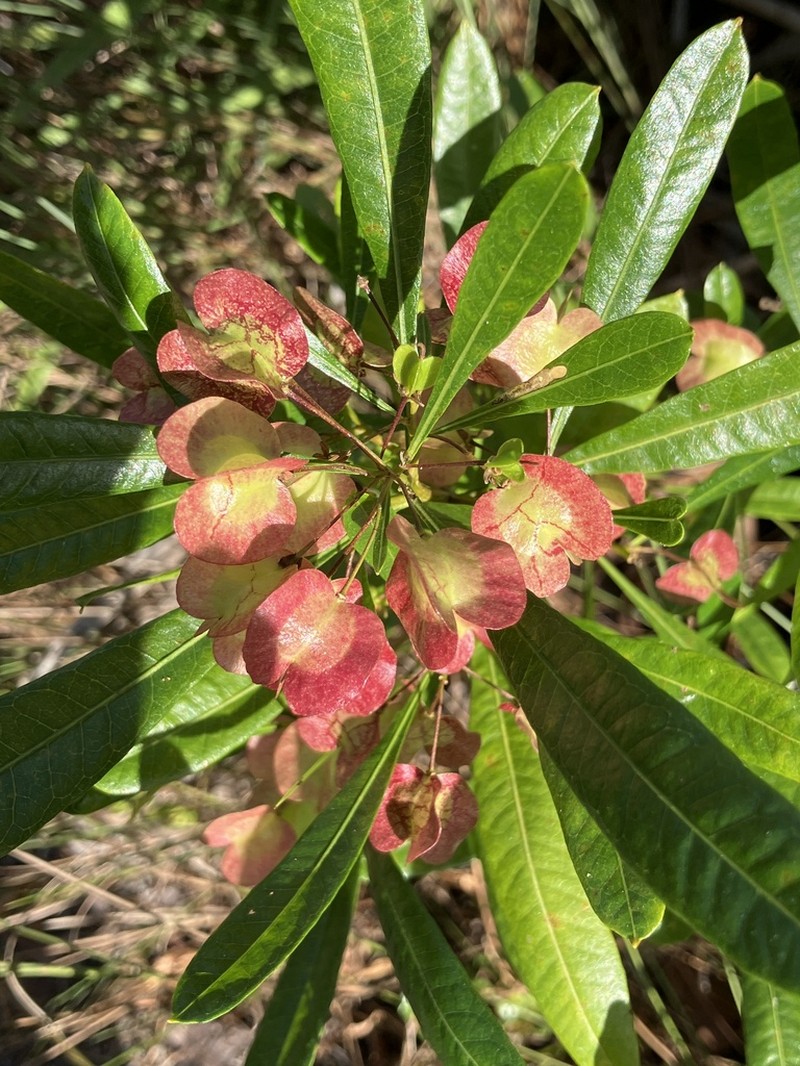
Establishment: Seeds are contained in papery winged capsules. Mature seeds are small, round and black, about 2 mm in diameter. Although not true to seed, it is best to collect seed from the same bioregion as where the planting stock will be planted. Indigenous to all Hawaiian Islands except Kaho'olawe.
Source: npn.rngr.net
ORGHPS Germination Guide: Sow @ 20C. Germinates within 3 months.
Where to Buy
Nationwide Seller
- Sheffield's Seed (seeds)