
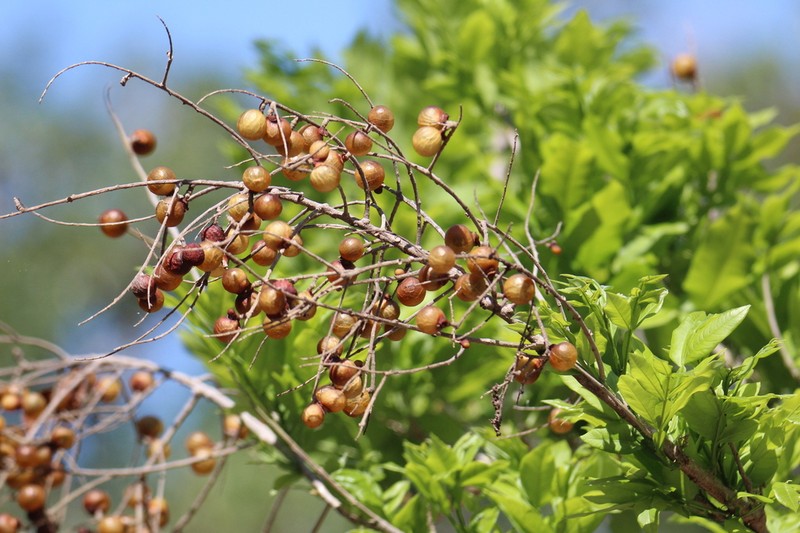
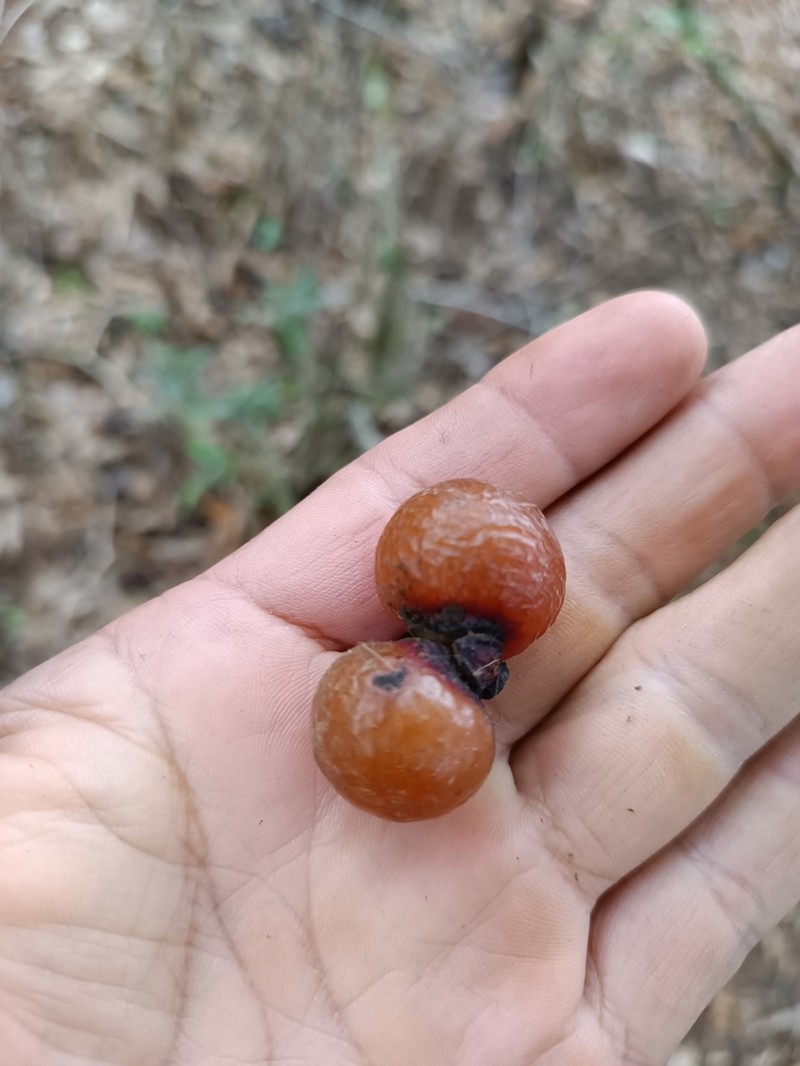
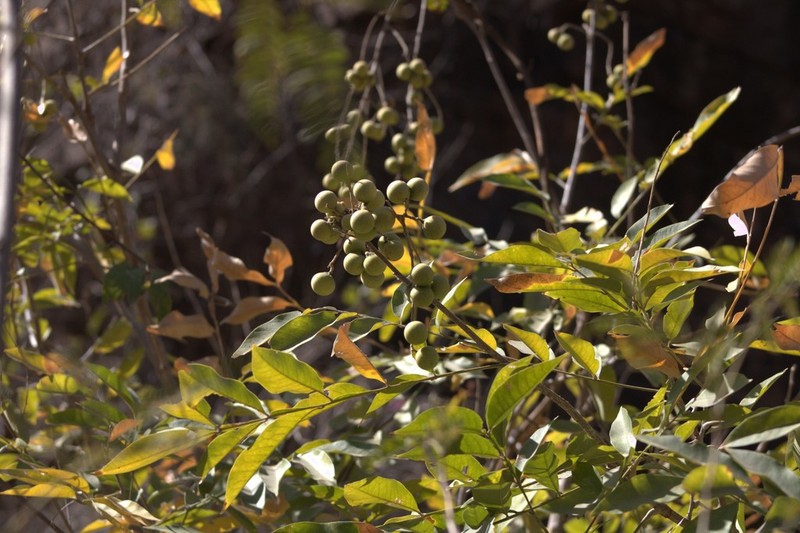
Wingleaf Soapberry
Sapindus saponaria
- Native to:
- Argentina, Bahamas, Belize, Bolivia, Brazil, Cayman Is., Colombia, Cook Is., Costa Rica, Cuba, Dominican Republic, Ecuador, El Salvador, French Guiana, Guam, Guatemala, Guyana, Haiti, Hawaii, Honduras, Jamaica, Leeward Is., Marquesas, Mexico, Nicaragua, Panamá, Paraguay, Peru, Puerto Rico, Society Is., Southwest Caribbean, Suriname, Trinidad-Tobago, Tuamotu, United States, Venezuela, Virgin Islands, Windward Is.
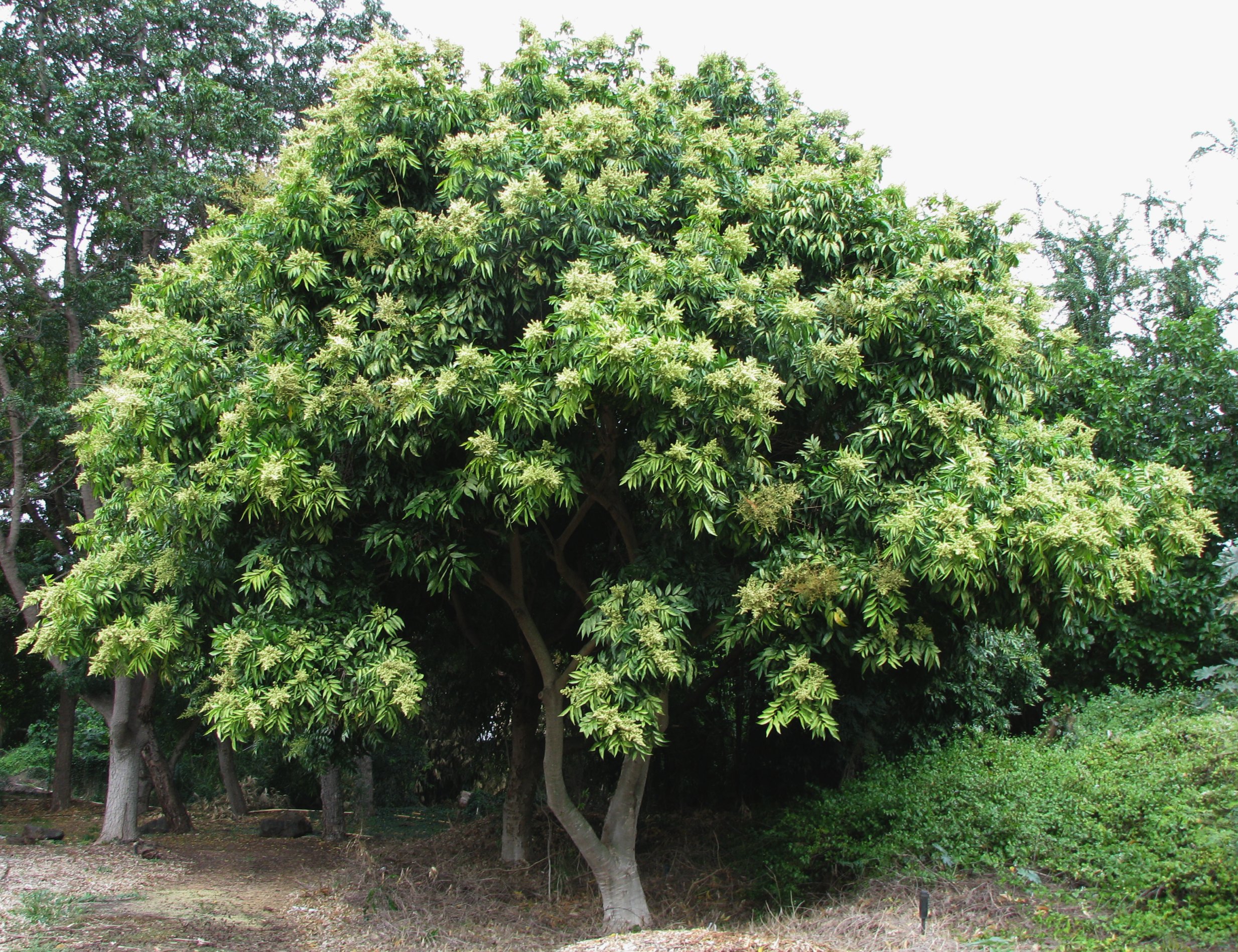
David Eickhoff (www.flickr.com) from Pearl City, Hawaii, USA
Taxonomy
- Division:
- Magnoliophyta | - Flowering plants
- Family:
- Sapindaceae
- Genus:
- Sapindus
- Species:
- Sapindus saponaria
- USDA Symbol:
- SASA4
Growth Characteristics
- Life Cycle:
- Perennial
- Growth Habit:
- Shrub , Tree
- Height:
- 1524 cm
- Light Requirements:
- Full Sun
- Drought Tolerance:
- High
- Bloom Months:
- may,jun
- Bloom Colors:
- white
Wildlife Benefits
- Butterflies & Moths:
- ★★★★★ Documented Lepidoptera association (GBIF)
- Caterpillars:
- ★☆☆☆☆ Recorded caterpillar host plant (HOSTS Database)
Host Plant for Caterpillars
Imperial Moth (Eacles imperialis), navel orangeworm (Amyelois transitella), Oslar's eacles (Eacles oslari), Phaeostrymon alcestis
Garden & Ecology Notes
- Wildlife Value:
- birds, butterflies
- Deer Resistant:
- Yes
- Salt Tolerant:
- Yes
- Fall Color:
- yellow
Soil Requirements
- Soil Type:
- well-drained, sandy or loamy soil
- pH:
- 6.0 - 7.5 (slightly acidic to neutral)
- Drainage:
- excellent drainage required
- Moisture:
- dry to moderate
- Notes:
- native to tropical and subtropical regions
Propagation & Germination
- Stratification:
- Cold/moist stratification required — 60–90 days
- Scarification:
- Seed coat scarification required before sowing
- Germination Time:
- 30–60 days
- Notes:
- Seeds require scarification (nicking or hot water treatment) followed by cold stratification for 60-90 days.
Pre-treatment: Seeds are planted in 72 cell trays using a commercial potting medium.
Establishment: Fruits are collected from the ground and should rattle when shaken, indicating that the mesocarp has released the seeds. Seeds were collected from all four known trees in both locations. S. saponaria is common and widely distributed in tropical America and spread further in cultivation. On the island of St. Croix, only 4 individuals are known.
Source: npn.rngr.net
Where to Buy
Nationwide Seller
- Sheffield's Seed (seeds)