
Roundleaf Alumroot
Heuchera cylindrica
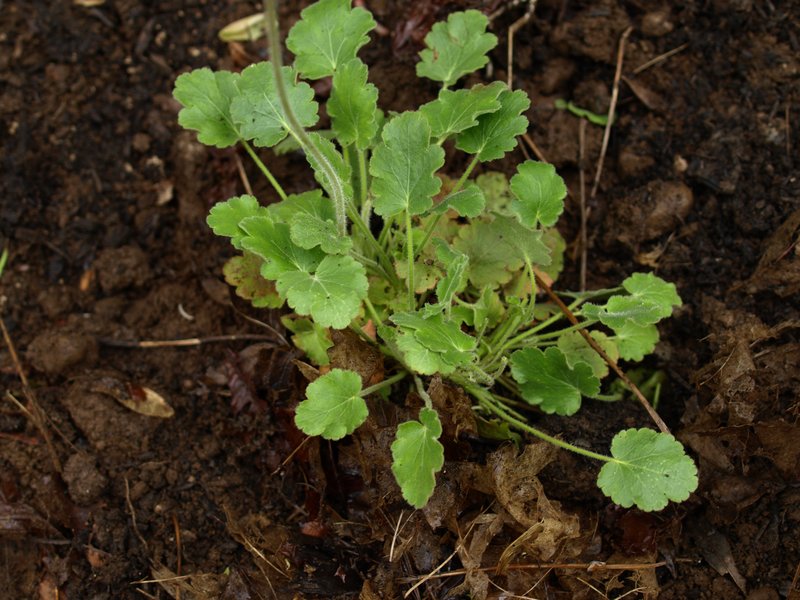
Taxonomy
- Division:
- Magnoliophyta | - Flowering plants
- Family:
- Saxifragaceae
- Genus:
- Heuchera
- Species:
- Heuchera cylindrica
Growth Characteristics
- Life Cycle:
- Perennial
- Growth Habit:
- Forb/herb
- Height:
- 3-4 ft
- Light Requirements:
- Part Shade, Shade
- Drought Tolerance:
- High
- Bloom Months:
- apr, may, jun, jul, aug
- Bloom Colors:
- White
Native Range
United States: California, Idaho, Montana, Nevada, Oregon, Washington, Wyoming, Canada: Alberta, British Columbia
Keystone Species Ranking
- Caterpillar Keystone:
- ★★★★★ Based on number of butterfly and moth species using this genus as host plant (Source: National Wildlife Federation)
Host Plant for Caterpillars
Greya enchrysa, Greya piperella
Reported Fauna Sightings
Bees: Black-tailed bumble bee (Bombus melanopygus), Black-tailed bumble bee (Bombus melanopygus), Central bumble bee (Bombus centralis), Central bumble bee (Bombus centralis), Fuzzy-horned bumble bee (Bombus mixtus), Fuzzy-horned bumble bee (Bombus mixtus), Half-black bumble bee (Bombus vagans), Half-black bumble bee (Bombus vagans), Indiscriminate cuckoo bumble bee (Bombus insularis), Indiscriminate cuckoo bumble bee (Bombus insularis), Red-belted bumble bee (Bombus rufocinctus), Red-belted bumble bee (Bombus rufocinctus), Sitka bumble bee (Bombus sitkensis), Sitka bumble bee (Bombus sitkensis), Two-form bumble bee (Bombus bifarius), Two-form bumble bee (Bombus bifarius), van Dyke bumble bee (Bombus vandykei), van Dyke bumble bee (Bombus vandykei), Western bumble bee (Bombus occidentalis), Western bumble bee (Bombus occidentalis), White-shouldered bumble bee (Bombus appositus), White-shouldered bumble bee (Bombus appositus), Yellow head bumble bee (Bombus flavifrons), Yellow head bumble bee (Bombus flavifrons)
Soil Requirements
- Soil Type:
- rocky, well-drained loamy soil
- pH:
- 6.0 - 7.5 (slightly acidic to neutral)
- Drainage:
- excellent drainage required
- Moisture:
- dry to moderate
- Notes:
- native to rocky slopes and open woodlands
Germination Information
Pre-treatment: Seeds require cold, moist stratification for 60-90 days. Imbibing seeds in water for 1 hour prior to stratification may improve results. Light treatment during stratification may increase germination rates.
Establishment: Germination rates vary significantly based on stratification and light conditions. Seeds are very small and collected when capsules begin to split. They are stored in paper bags or envelopes at room temperature until cleaned.
Source: npn.rngr.net