
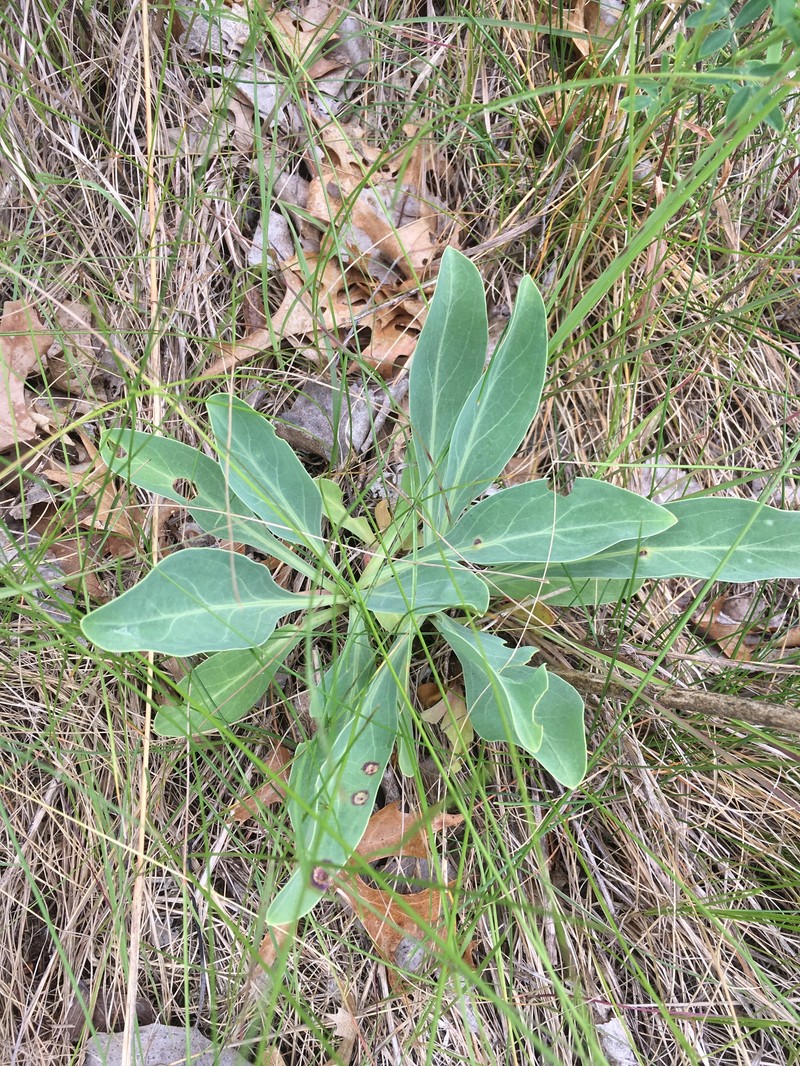
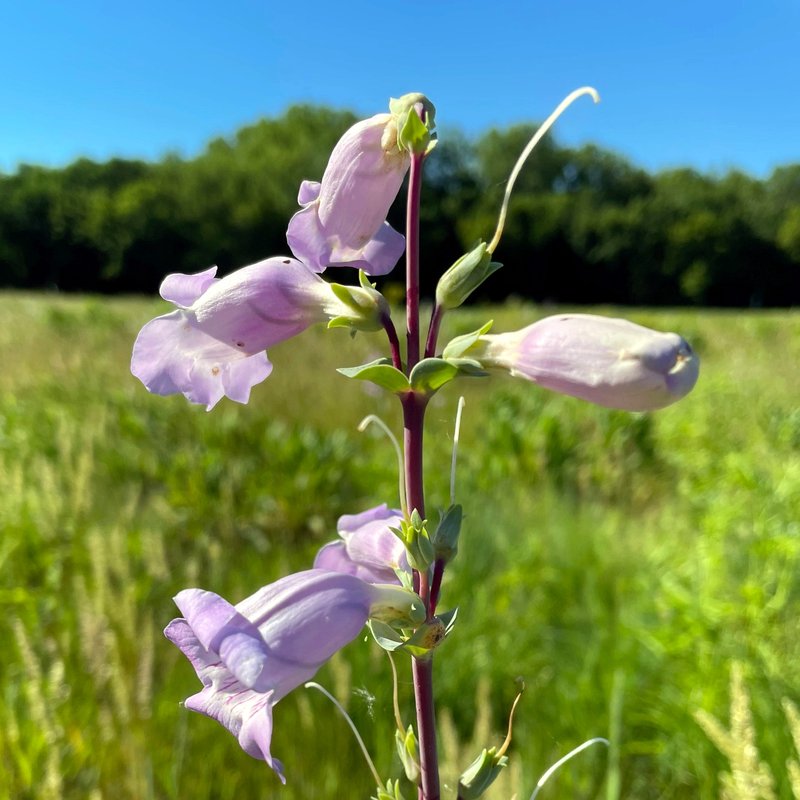
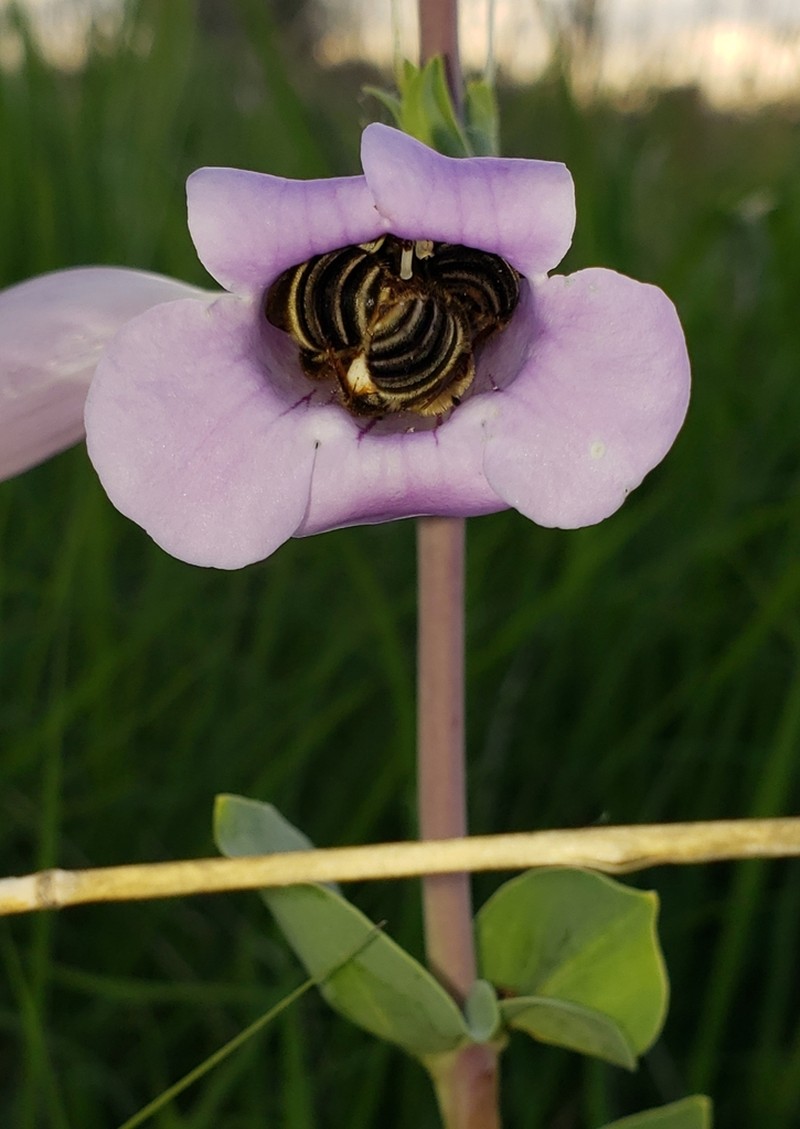
Large Beardtongue
Penstemon grandiflorus
- Native to:
- United States
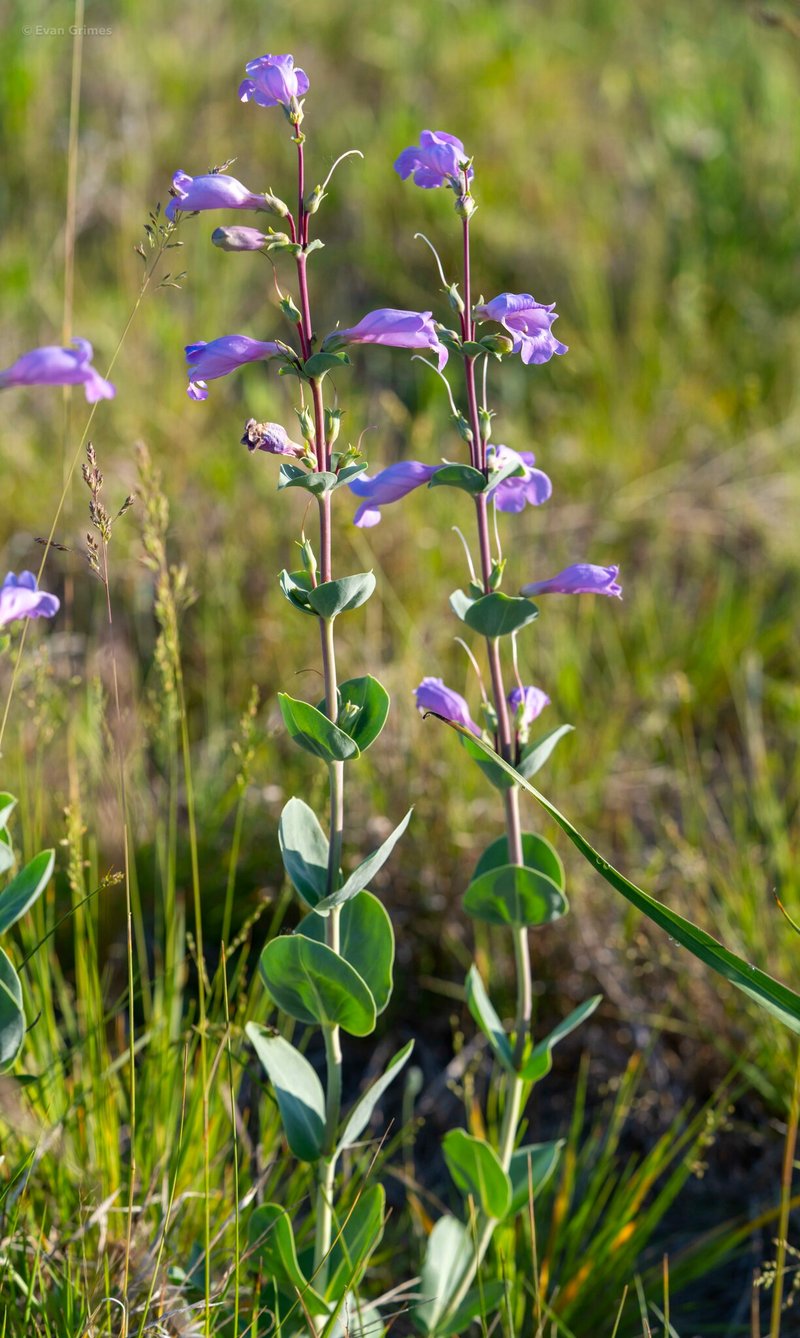
Mathew Zappa https://www.inaturalist.org/people/gonodactylus (www.inaturalist.org)
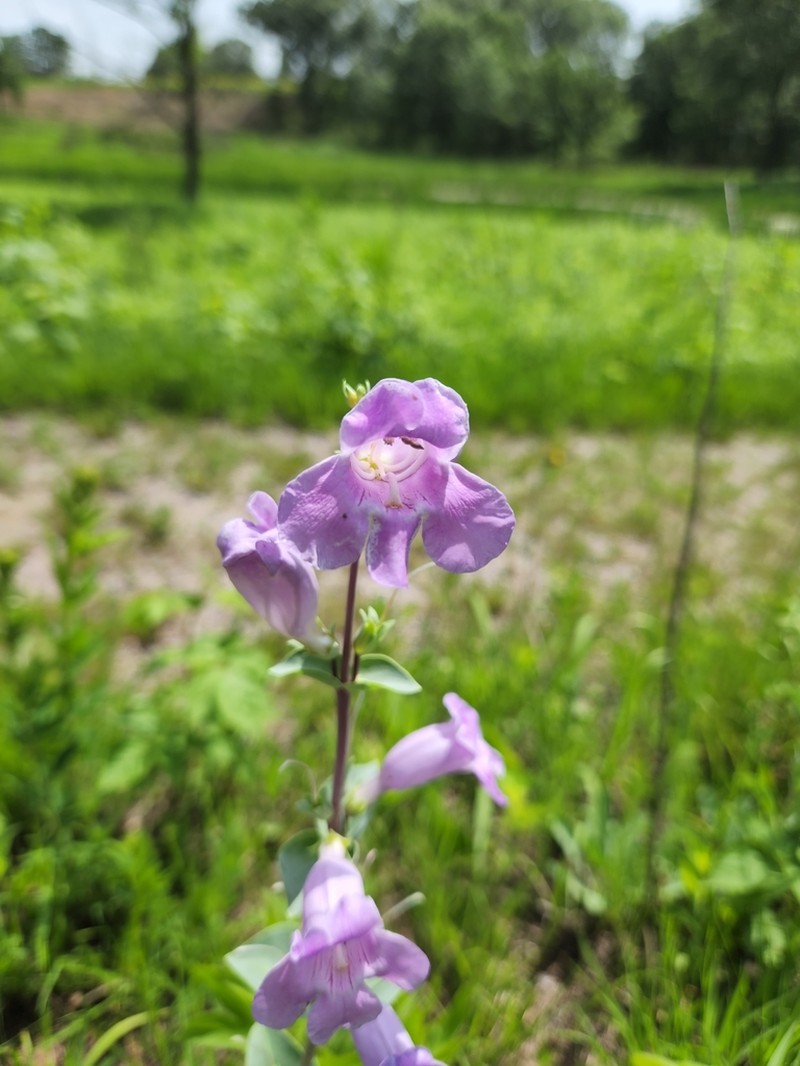
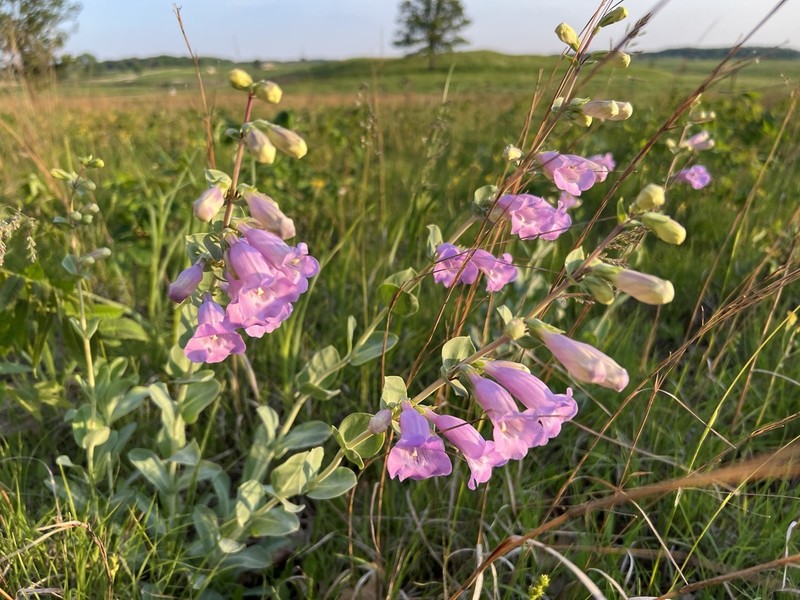
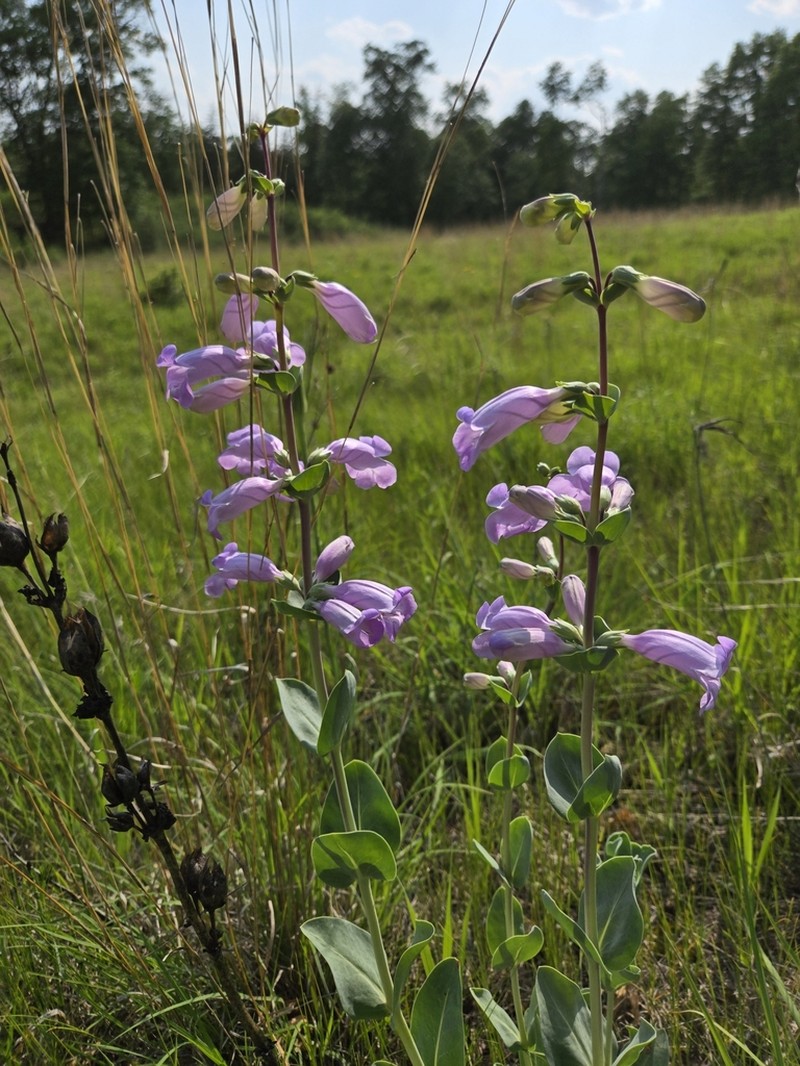
Taxonomy
- Division:
- Magnoliophyta | - Flowering plants
- Family:
- Scrophulariaceae
- Genus:
- Penstemon
- Species:
- Penstemon grandiflorus
- USDA Symbol:
- PEGR7
Growth Characteristics
- Life Cycle:
- Perennial
- Growth Habit:
- Forb/herb
- Height:
- 90 cm
- Light Requirements:
- Full Sun
- Drought Tolerance:
- High
- Bloom Months:
- may,jun,jul
- Bloom Colors:
- pink, lavender, purple
Wildlife Benefits
- Bees:
- ★☆☆☆☆ Documented bee visitation (GBIF)
- Butterflies & Moths:
- ★★☆☆☆ Documented Lepidoptera association (GBIF)
Reported Fauna Sightings
Bees: American bumble bee (Bombus pensylvanicus), Black and (Bombus auricomus), Brown-belted bumble bee (Bombus griseocollis), Common eastern bumble bee (Bombus impatiens), Half-black bumble bee (Bombus vagans), Two-spotted bumble bee (Bombus bimaculatus), Yellow bumble bee (Bombus fervidus)
Garden & Ecology Notes
- Wildlife Value:
- bees, butterflies
- Deer Resistant:
- Yes
Soil Requirements
- Soil Type:
- sandy, well-drained, nutrient-poor soil
- pH:
- 6.0 - 7.5 (slightly acidic to neutral)
- Drainage:
- excellent drainage required
- Moisture:
- dry to moderate
- Notes:
- Native to prairies and open woodlands
Propagation & Germination
- Stratification:
- Cold/moist stratification required — 30–60 days
- Germination Time:
- 14–30 days
- Notes:
- Seeds benefit from cold stratification for 30-60 days; surface sow on moist soil and keep at 20-25°C.
Pre-treatment: Seeds are placed in cold moist stratification for 105 days.
Establishment: P. grandiflorus is found from Indiana west to North Dakota and Wyoming and south to central Texas. It grows in sandy and loamy soils in prairies.
Source: npn.rngr.net
ORGHPS Germination Guide: Sow @ 4C for 3 weeks, then place @ 20C.
Where to Buy
Nationwide Seller
- Prairie Moon Nursery (nursery and seeds)
- Sheffield's Seed (seeds)