
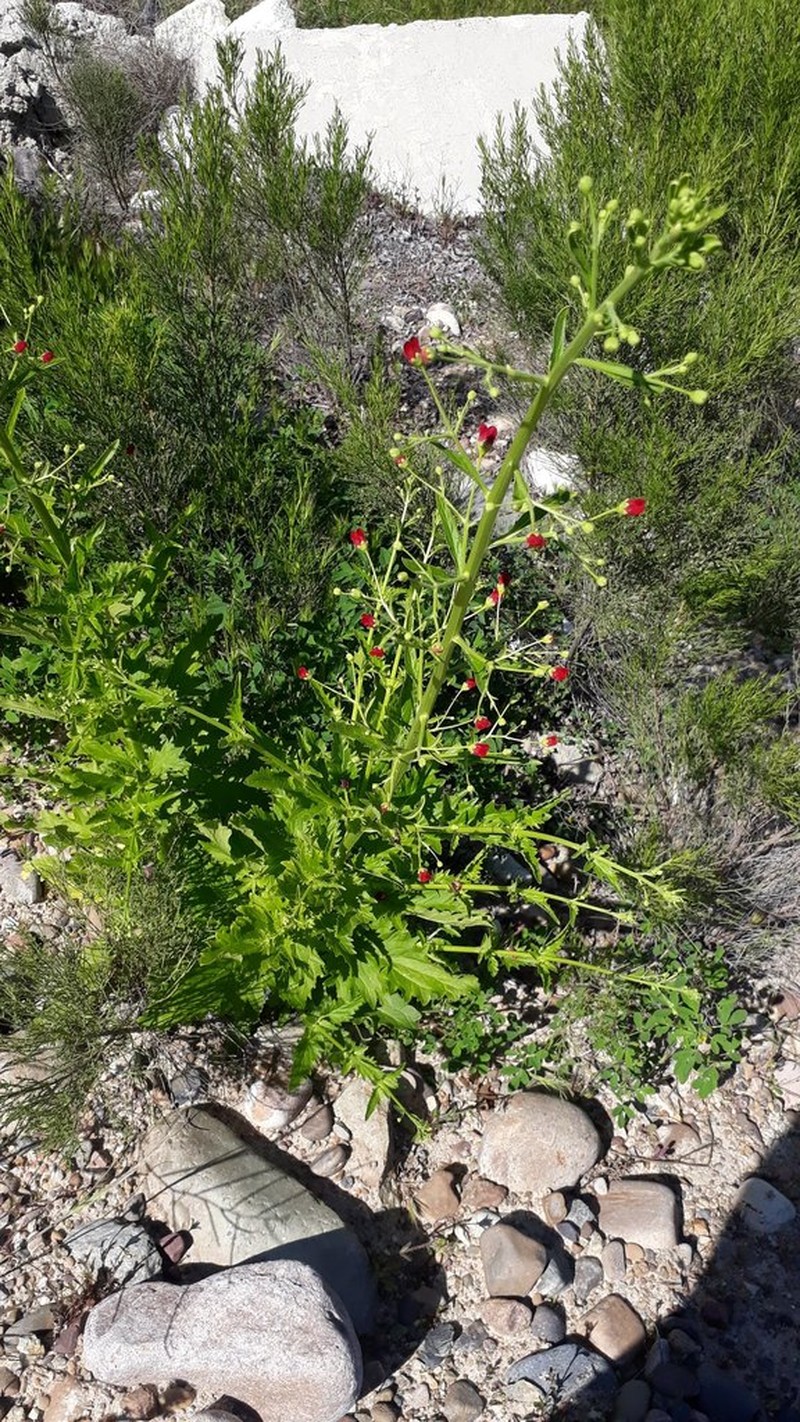
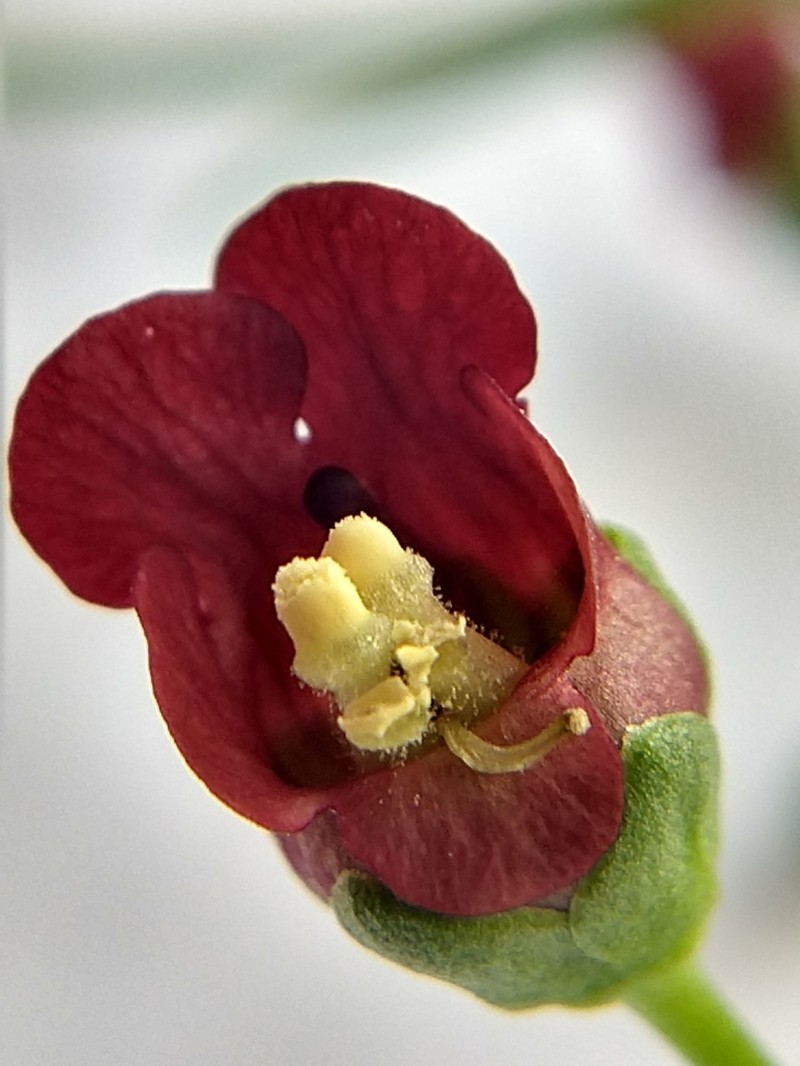
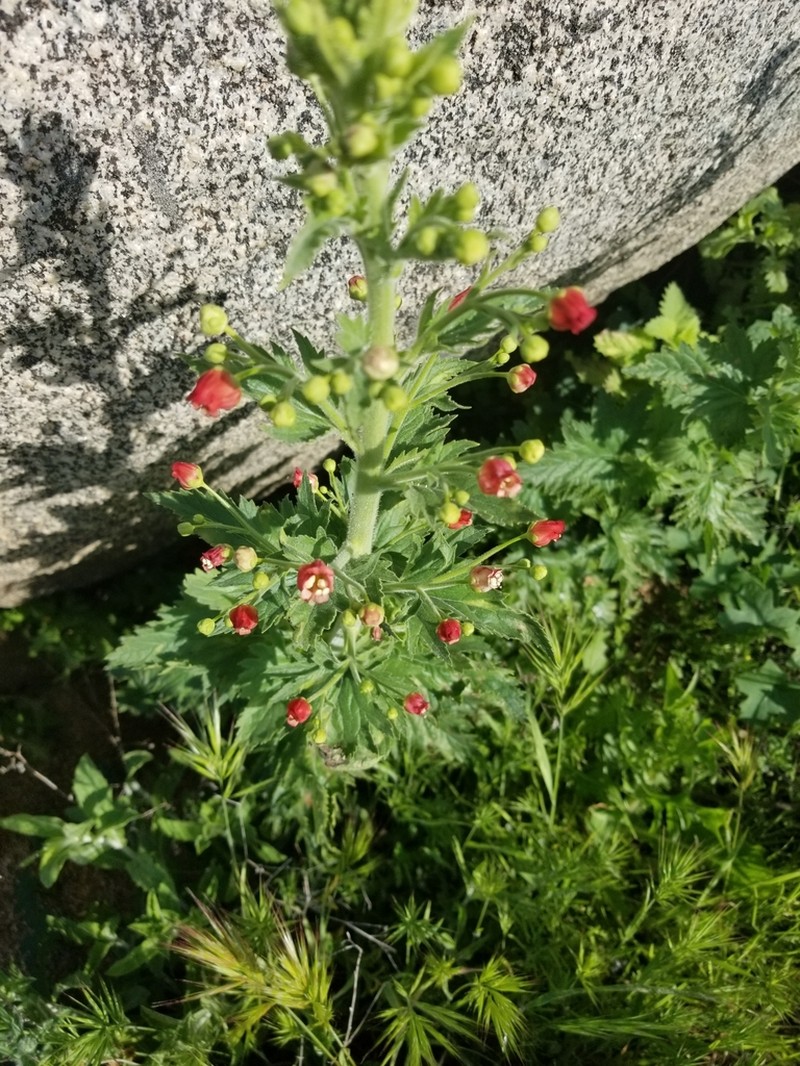
California Figwort
Scrophularia californica
Also known as: Oregon Figwort
- Native to:
- Canada, Mexico, United States
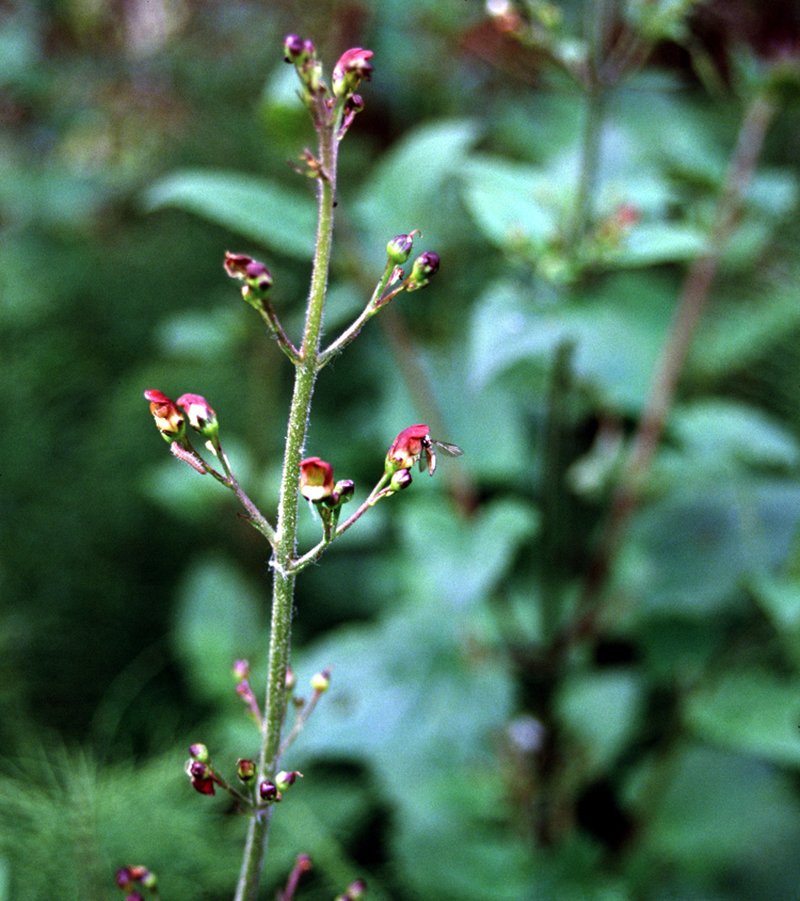
Gordon Leppig & Andrea J. Pickart
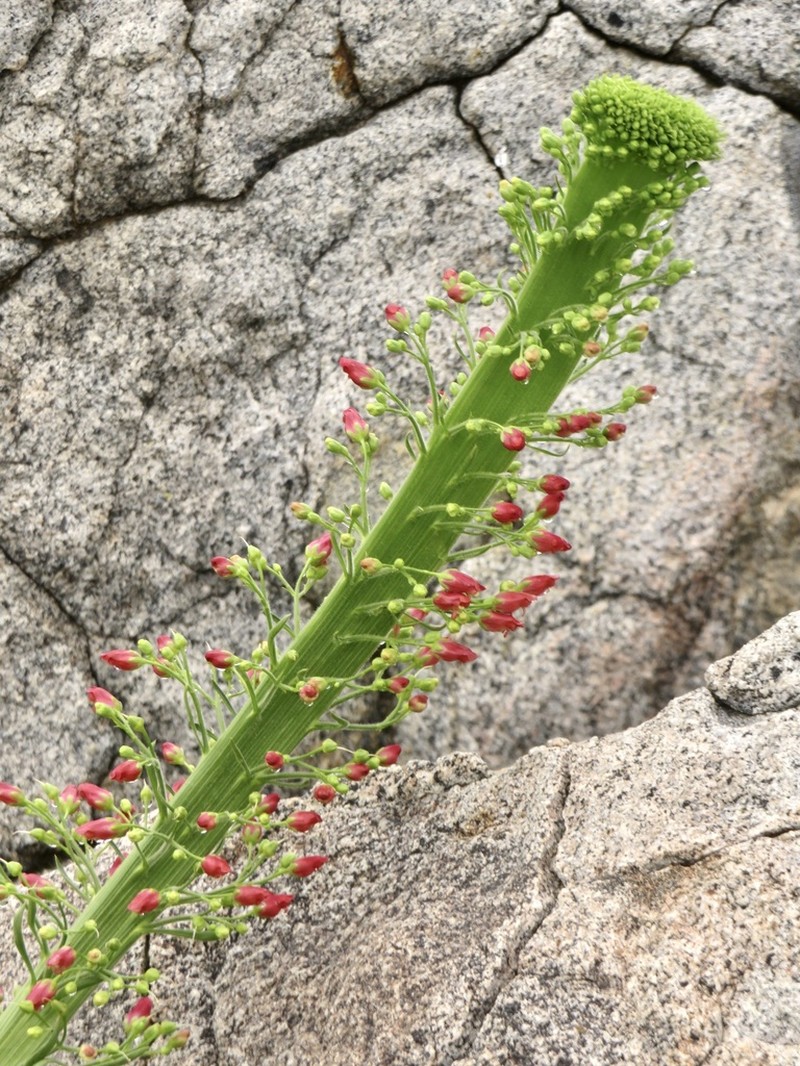
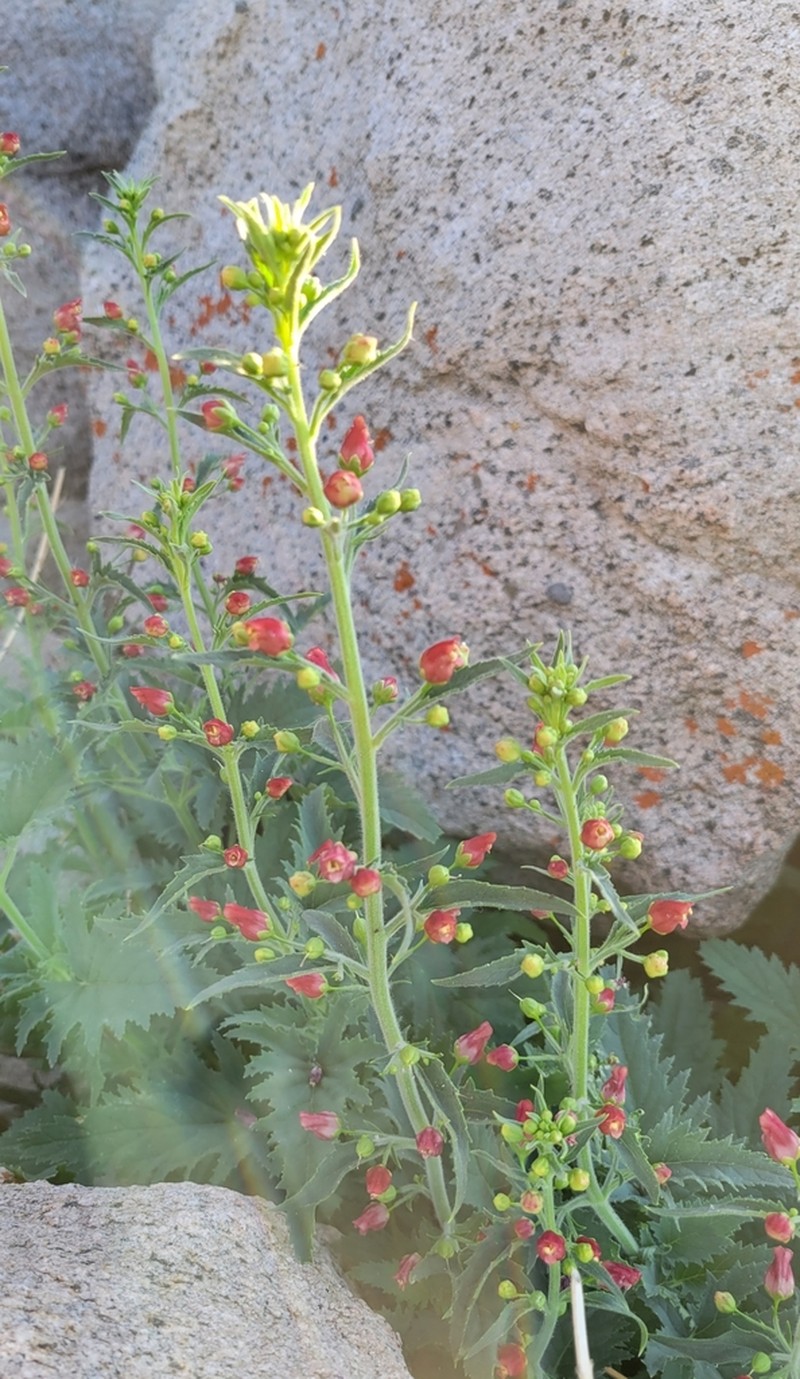
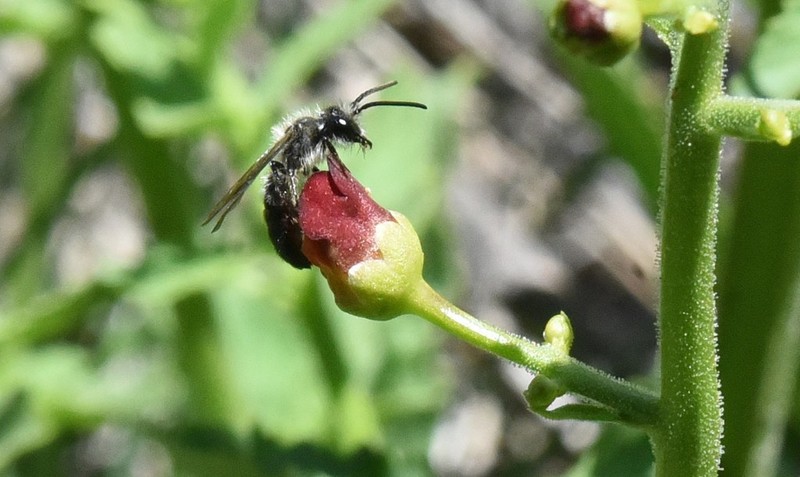
Taxonomy
- Division:
- Magnoliophyta | - Flowering plants
- Family:
- Scrophulariaceae
- Genus:
- Scrophularia
- Species:
- Scrophularia californica
- USDA Symbol:
- SCCA2
Growth Characteristics
- Life Cycle:
- Perennial
- Growth Habit:
- Forb/herb
- Height:
- 150 cm
- Light Requirements:
- Full Sun
- Drought Tolerance:
- Medium
- Bloom Months:
- apr,may,jun,jul
- Bloom Colors:
- maroon, red
Wildlife Benefits
- Bees:
- ★☆☆☆☆ Documented bee visitation (GBIF)
- Butterflies & Moths:
- ★★☆☆☆ Documented Lepidoptera association (GBIF)
- Caterpillars:
- ★★☆☆☆ Recorded caterpillar host plant (HOSTS Database)
- Hummingbirds:
- ★☆☆☆☆ Documented hummingbird visits (GBIF)
Host Plant for Caterpillars
Amblyptilia pica, Autographa labrosa, chalcedony midget (Elaphria chalcedonia), Clepsis fucana, omnivorous leaftier (Cnephasia longana), orange tortrix moth (Argyrotaenia citrana), orange tortrix moth (Argyrotaenia franciscana), Phymatopus hectoides, white-shouldered fruit moth (Ptycholoma peritana), Variable checkerspot (Euphydryas chalcedona)
Reported Fauna Sightings
Bees: Crotch bumble bee (Bombus crotchii), ⚠️Western honey bee (Apis mellifera), Yellow-faced bumble bee (Bombus vosnesenskii) Hummingbirds: Anna's Hummingbird (Calypte anna) Moths:Autographa labrosa Butterflies:Variable checkerspot (Euphydryas chalcedona)
Garden & Ecology Notes
- Wildlife Value:
- bees, butterflies, hummingbirds
Soil Requirements
- Soil Type:
- rich, well-drained loamy soil
- pH:
- 5.5 - 7.5 (slightly acidic to neutral)
- Drainage:
- excellent drainage required
- Moisture:
- consistently moist
- Notes:
- thrives in coastal and woodland areas
Propagation & Germination
- Stratification:
- Cold/moist stratification required — 30–60 days
- Germination Time:
- 14–30 days
- Notes:
- Seeds benefit from cold stratification for 4-8 weeks; surface sow on moist soil and keep warm after stratification.
Pre-treatment: None required
Establishment: Seeds are collected between May 15th and September 15th. Mature inflorescences are brown. Seed is tiny. S. californica is found in damp places and brushy thickets from the Santa Monica mountains, California, north to British Columbia.
Source: npn.rngr.net