
California Greenbrier
Smilax californica
- Native to:
- United States
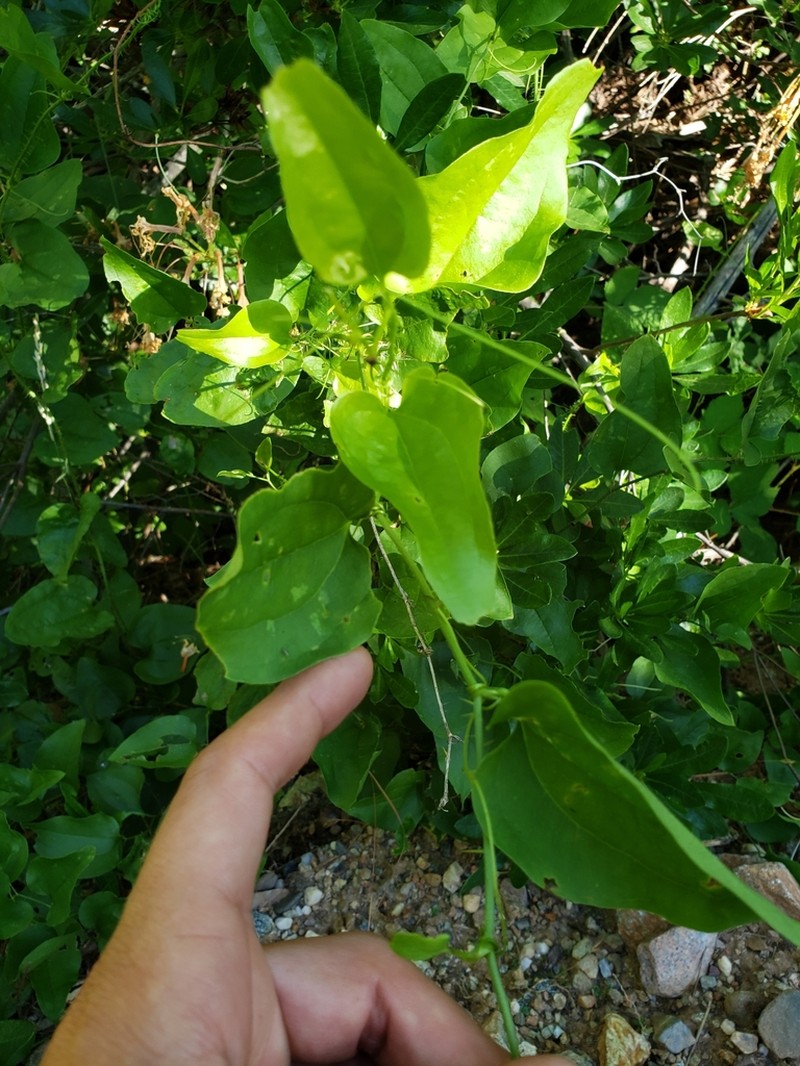
iNaturalist: © sapienshane (iNaturalist #27286890)
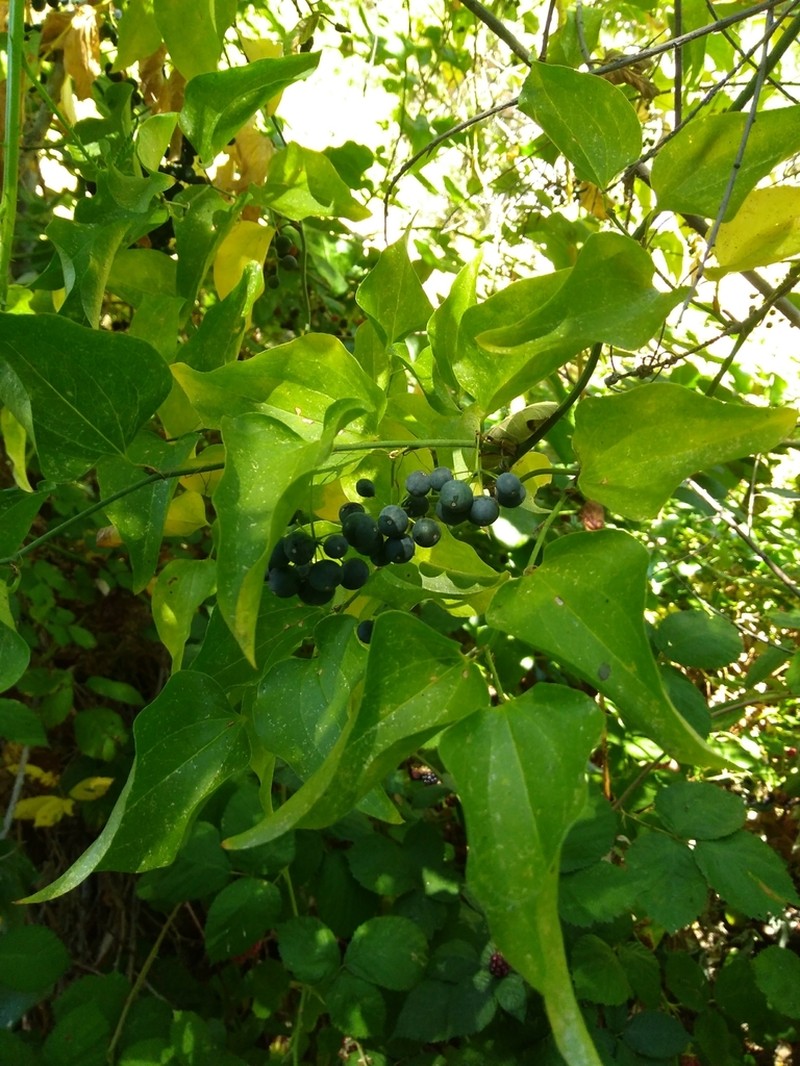
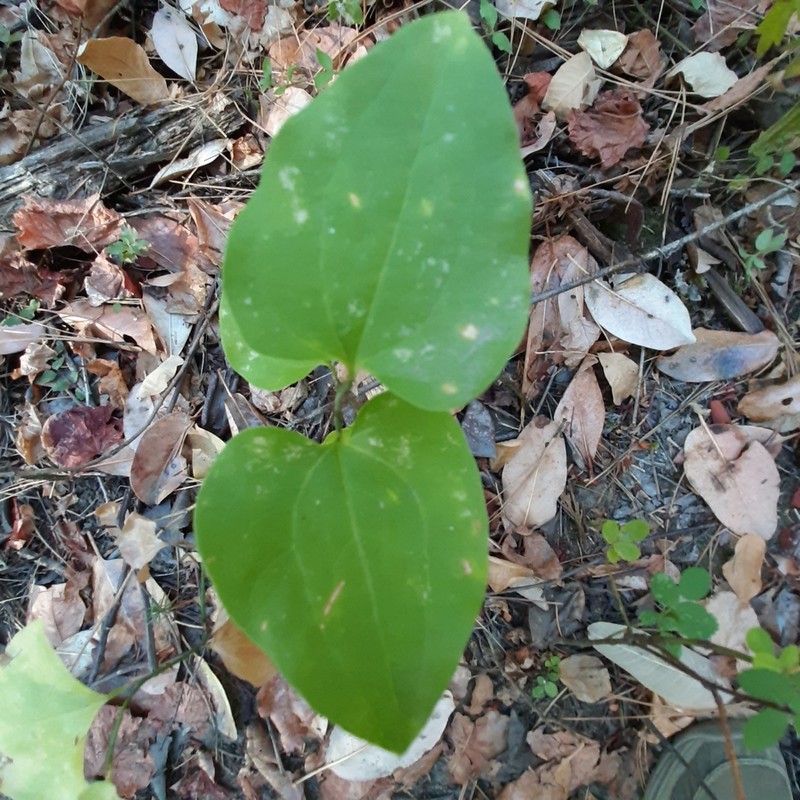
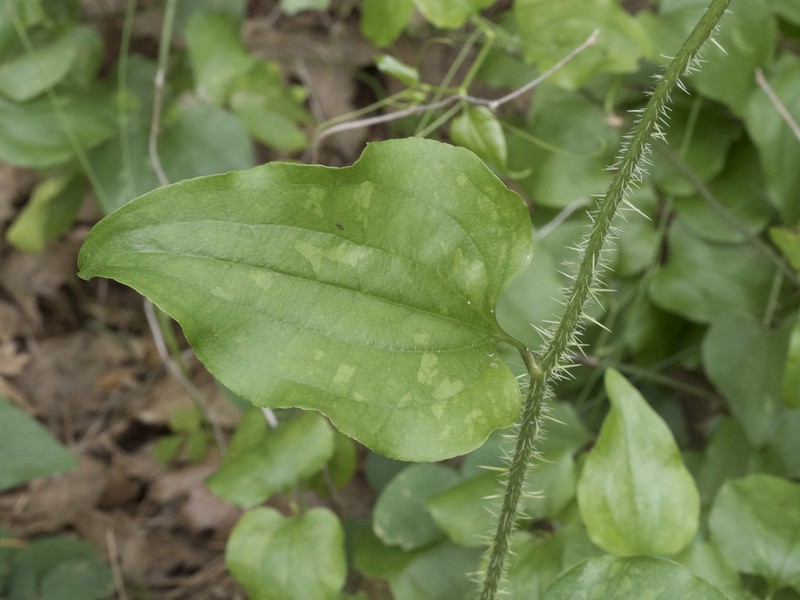
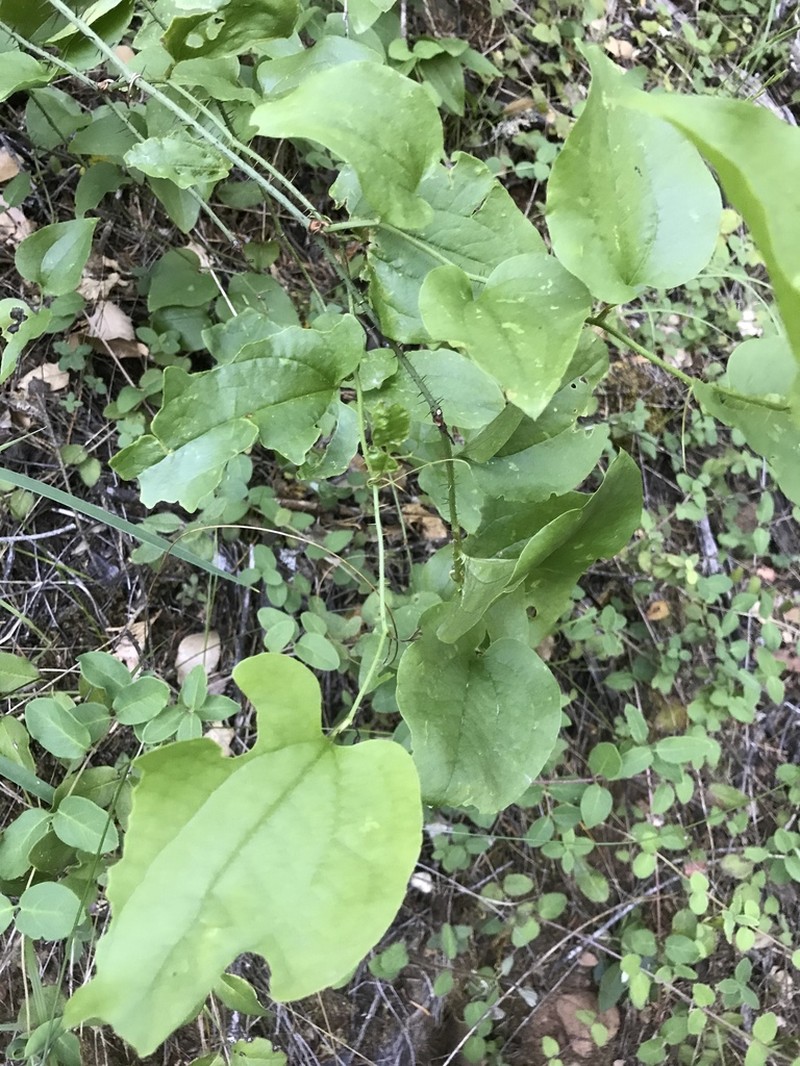
Taxonomy
- Division:
- Magnoliophyta | - Flowering plants
- Family:
- Smilacaceae
- Genus:
- Smilax
- Species:
- Smilax californica
- USDA Symbol:
- SMCA2
Growth Characteristics
- Life Cycle:
- Perennial
- Growth Habit:
- Shrub , Vine
- Height:
- 600 cm
- Light Requirements:
- Full Sun
- Drought Tolerance:
- Low
- Bloom Months:
- apr,may,jun
- Bloom Colors:
- greenish-white
Wildlife Benefits
- Caterpillars:
- ★☆☆☆☆ Recorded caterpillar host plant (HOSTS Database)
Host Plant for Caterpillars
Western yellowstriped armyworm (Spodoptera praefica)
Garden & Ecology Notes
- Wildlife Value:
- birds, small mammals
Soil Requirements
- Soil Type:
- rich, well-drained loamy soil
- pH:
- 5.5 - 7.5 (slightly acidic to neutral)
- Drainage:
- good drainage required
- Moisture:
- moderate moisture
Propagation & Germination
- Stratification:
- Cold/moist stratification required — 60–90 days
- Scarification:
- Seed coat scarification required before sowing
- Germination Time:
- 30–90 days
- Notes:
- Seeds require scarification (nicking or hot water) followed by cold stratification for 60-90 days.