
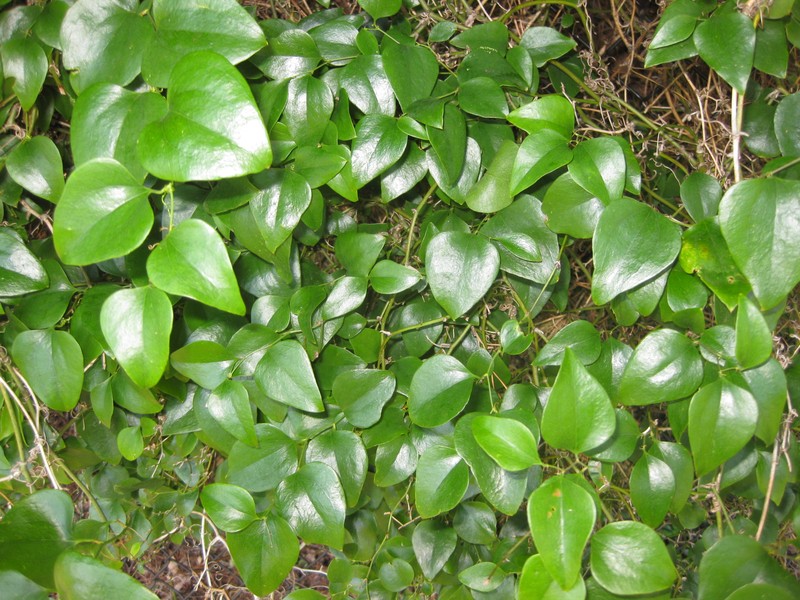
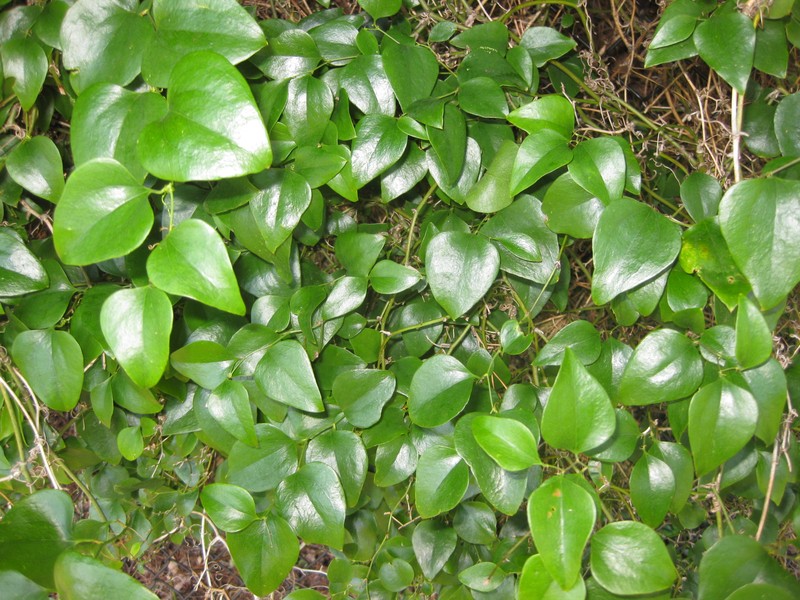
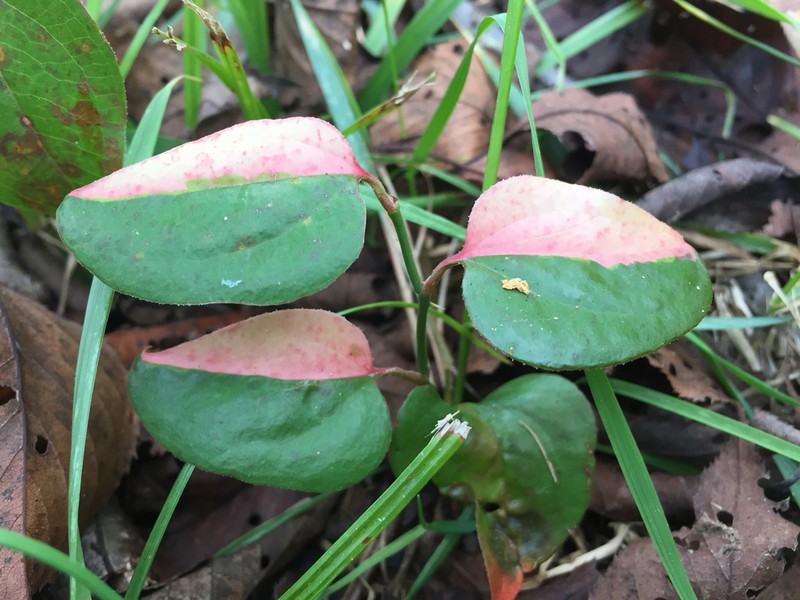
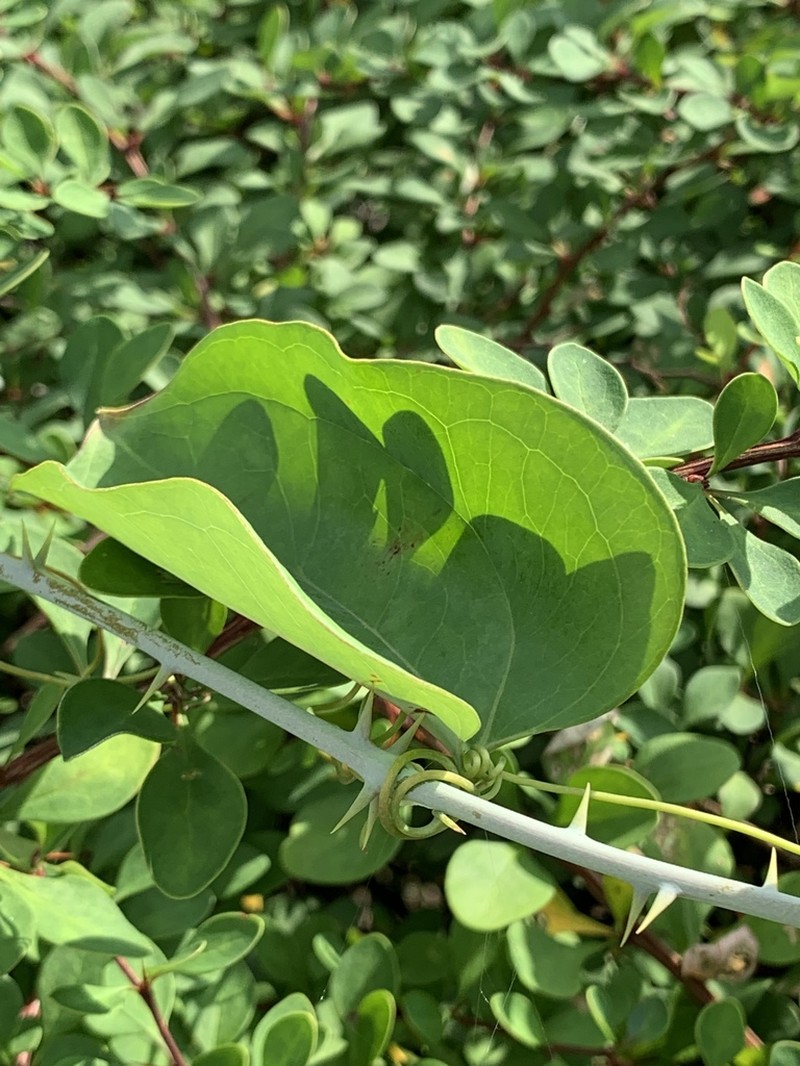
Roundleaf Greenbrier
Smilax rotundifolia
- Native to:
- Canada, United States, Virgin Islands
Fepup
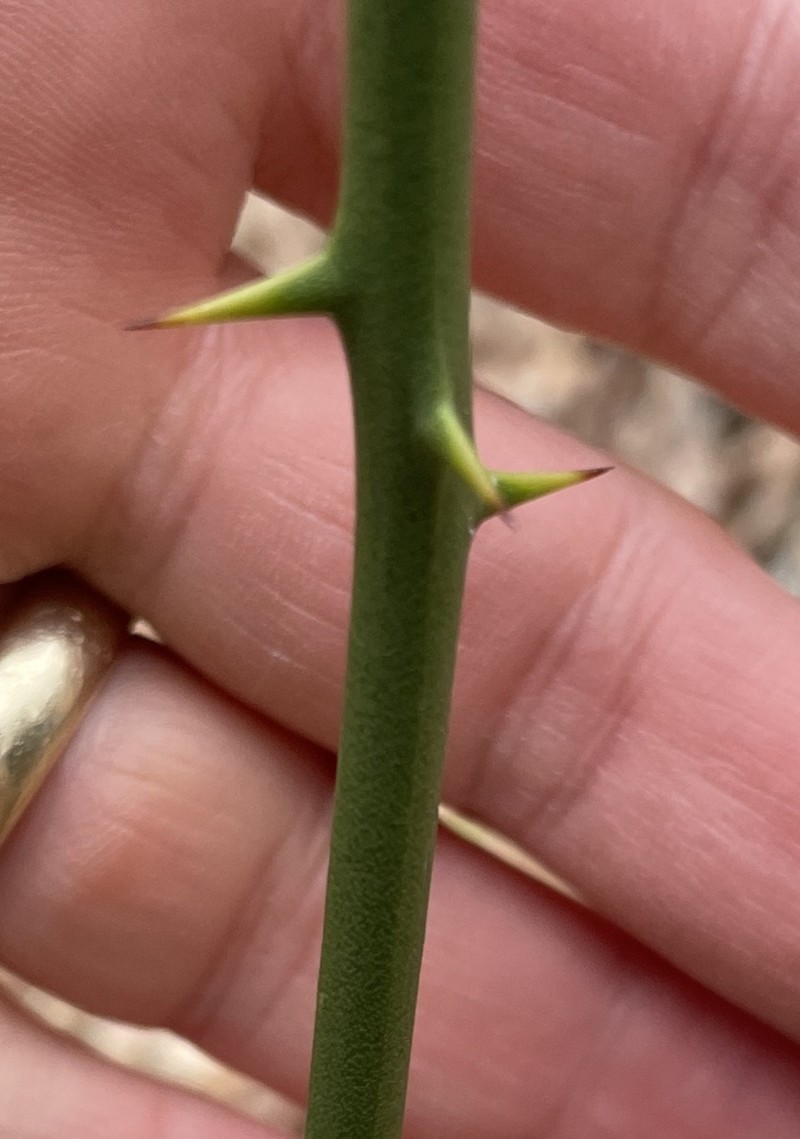
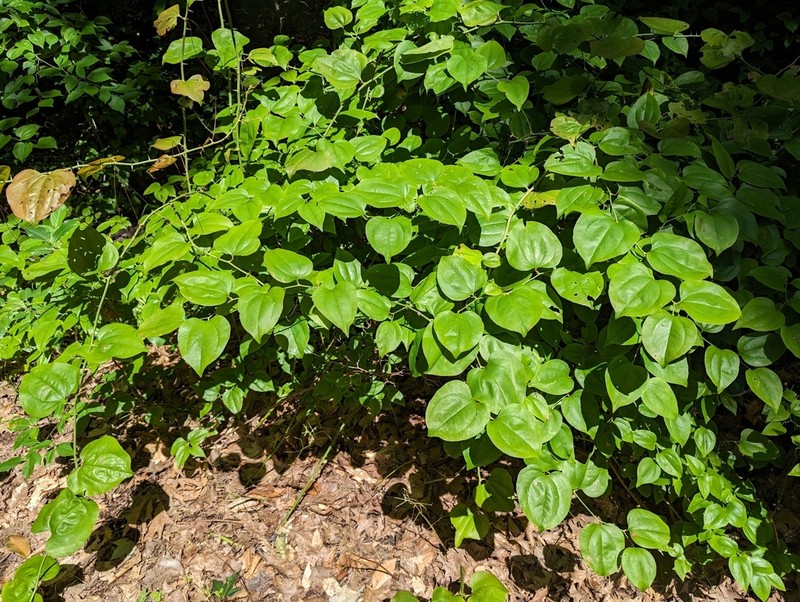
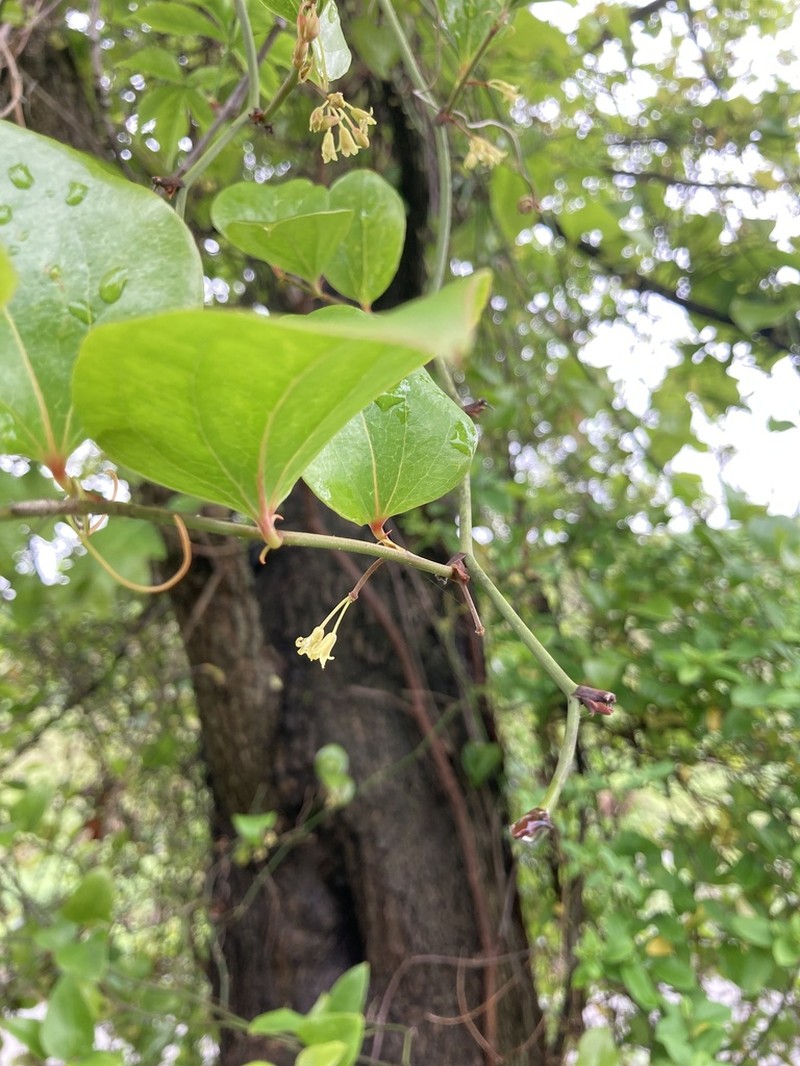
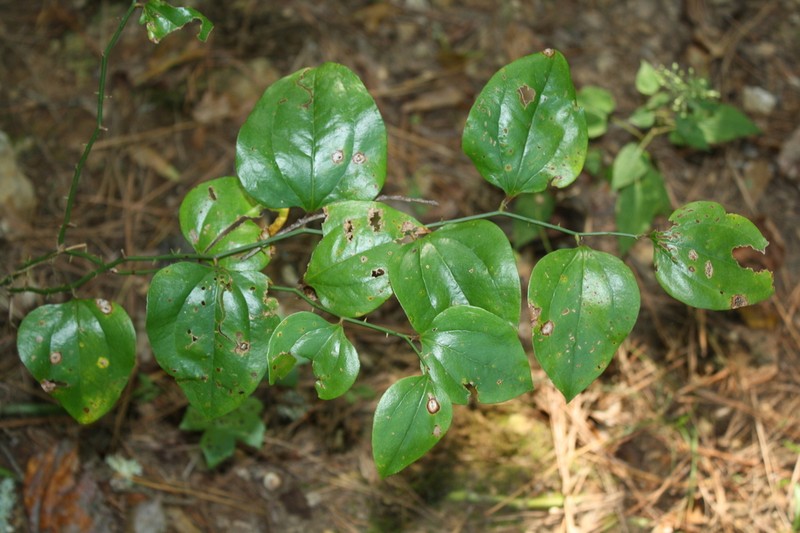
Taxonomy
- Division:
- Magnoliophyta | - Flowering plants
- Family:
- Smilacaceae
- Genus:
- Smilax
- Species:
- Smilax rotundifolia
- USDA Symbol:
- SMRO
Growth Characteristics
- Life Cycle:
- Perennial
- Growth Habit:
- Shrub , Vine
- Height:
- 600 cm
- Light Requirements:
- Full Sun,Part Shade,Shade
- Drought Tolerance:
- Low
- Bloom Months:
- apr,may,jun
- Bloom Colors:
- greenish-yellow
Wildlife Benefits
- Butterflies & Moths:
- ★★★★☆ Documented Lepidoptera association (GBIF)
- Caterpillars:
- ★★☆☆☆ Recorded caterpillar host plant (HOSTS Database)
Host Plant for Caterpillars
black-banded datana (Cymatophora approximaria), Cabbage looper (Trichoplusia ni), Ephestiodes infimella, Florida fern moth (Callopistria floridensis), Gypsy moth (Lymantria dispar), Phyprosopus callitrichoides, Smilax leaf miner moth (Proleucoptera smilaciella), Spotted Phosphila (Phosphila miselioides), turbulent phosphila (Phosphila turbulenta), Variegated cutworm (Peridroma saucia)
Reported Fauna Sightings
Moths:Marmara smilacisella, turbulent phosphila (Phosphila turbulenta)
Garden & Ecology Notes
- Wildlife Value:
- birds, small mammals
Soil Requirements
- Soil Type:
- rich, well-drained loamy soil
- pH:
- 5.5 - 7.0 (slightly acidic to neutral)
- Drainage:
- tolerates poor drainage
- Moisture:
- consistently moist
- Notes:
- prefers shaded or semi-shaded areas
Propagation & Germination
- Stratification:
- Cold/moist stratification required — 60–90 days
- Scarification:
- Seed coat scarification required before sowing
- Germination Time:
- 30–90 days
- Notes:
- Seeds require scarification (nicking or hot water) followed by cold stratification for 2-3 months.