
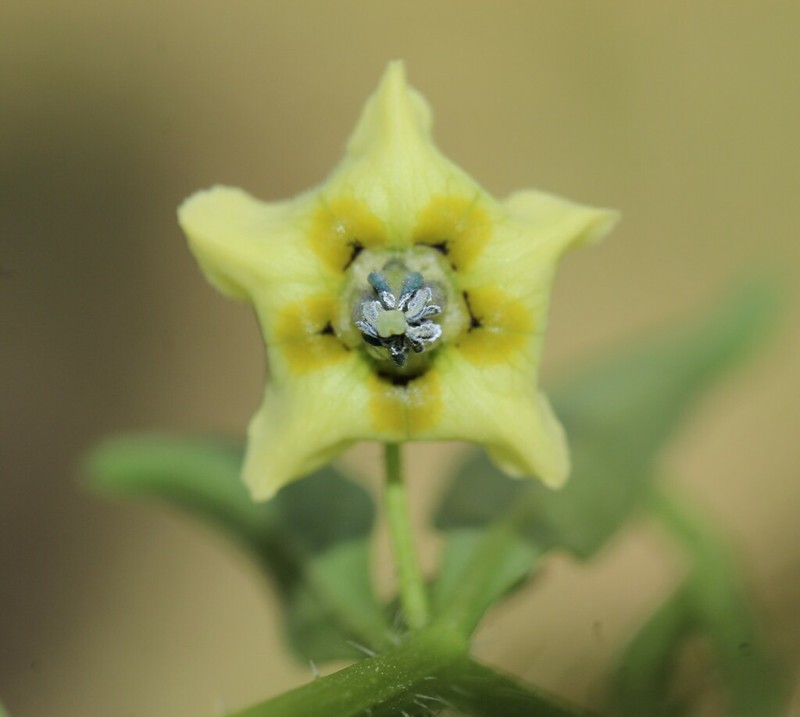
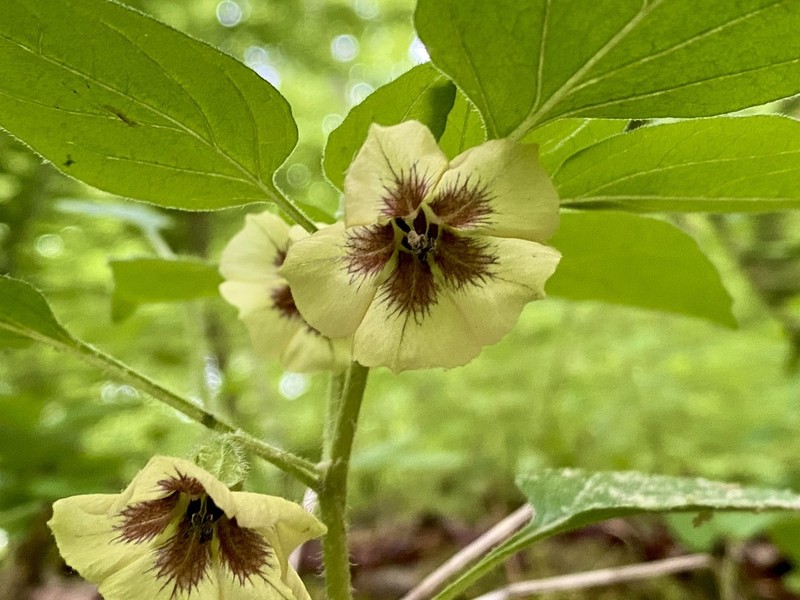
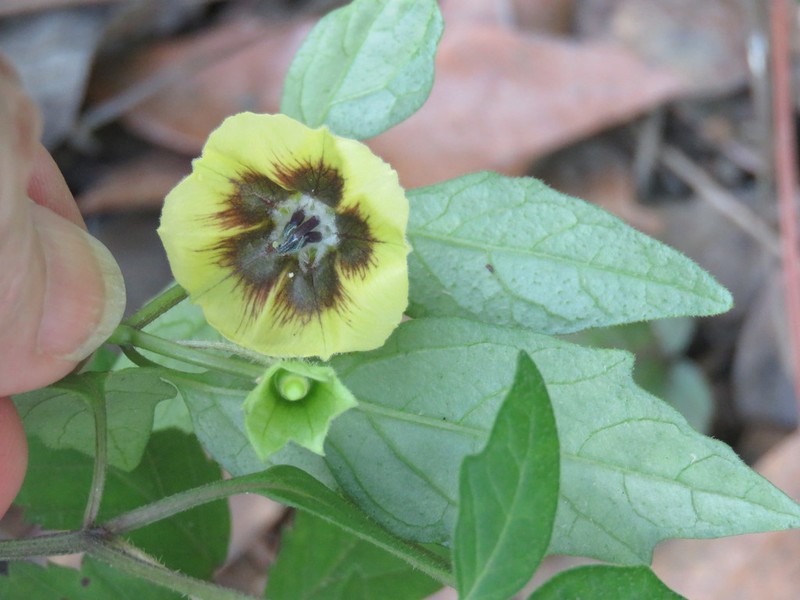
Virginia Groundcherry
Physalis virginiana
- Native to:
- Canada, Mexico, United States, Virgin Islands
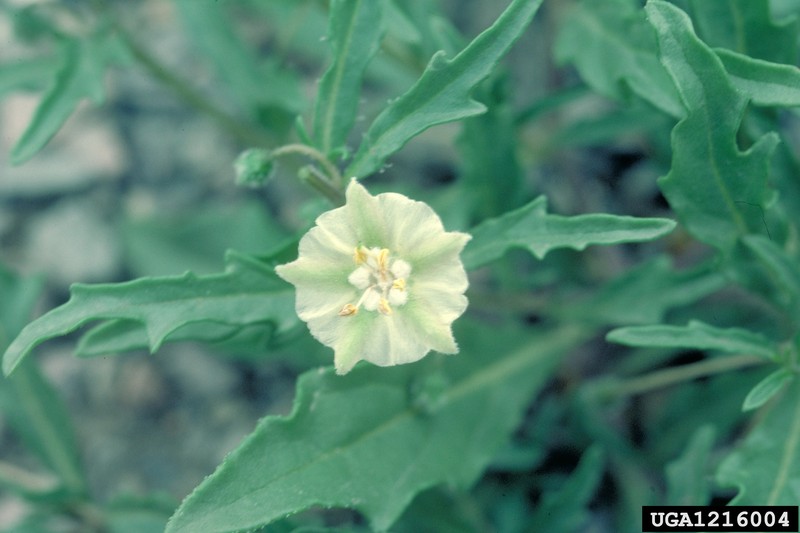
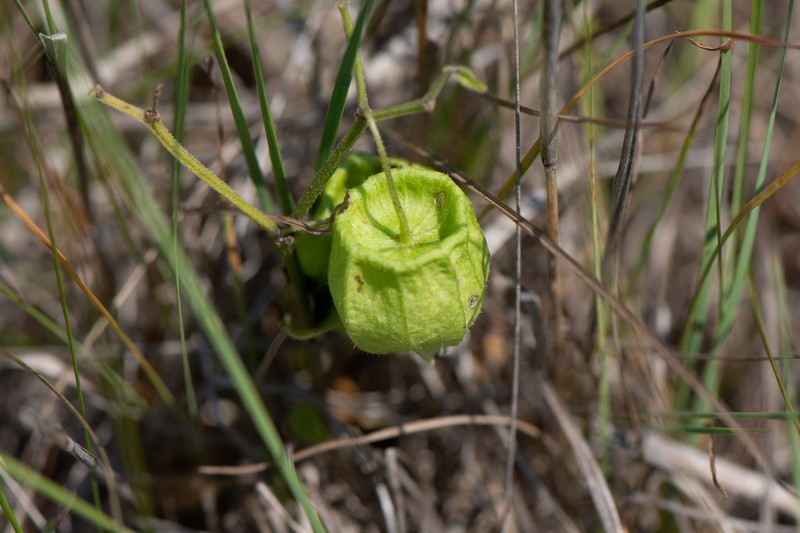
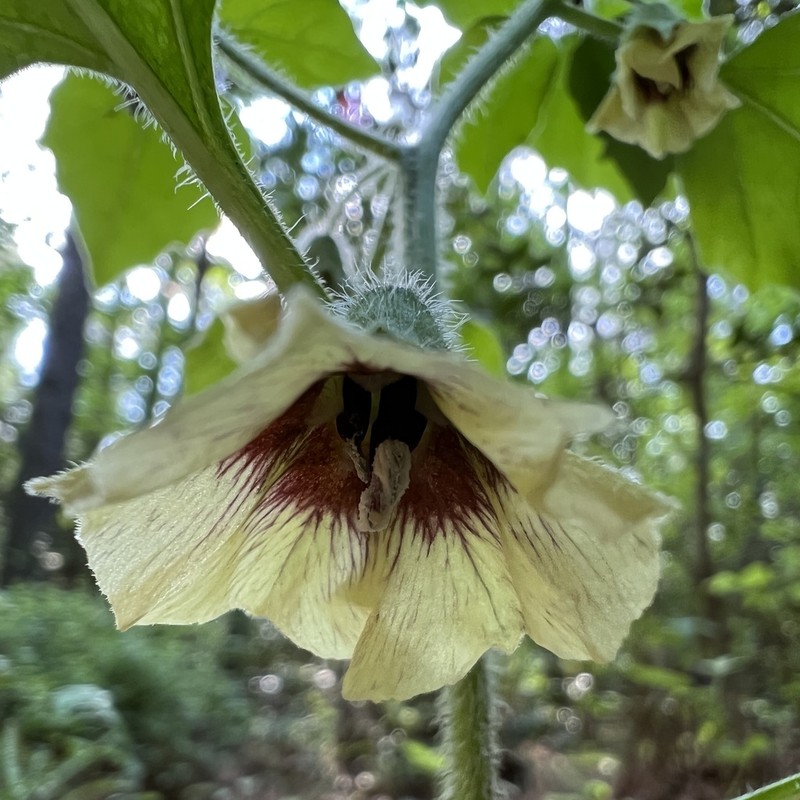
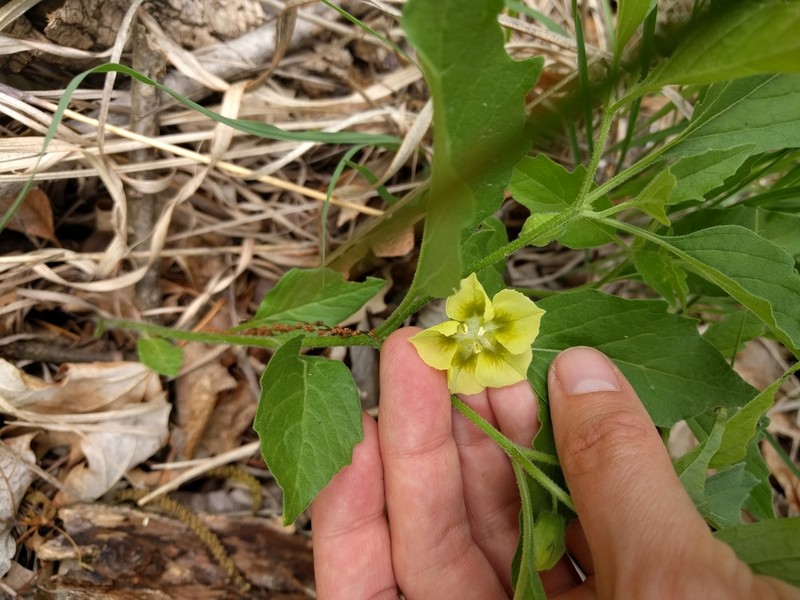
Dave Powell, USDA Forest Service, Bugwood.org
Taxonomy
- Division:
- Magnoliophyta | - Flowering plants
- Family:
- Solanaceae
- Genus:
- Physalis
- Species:
- Physalis virginiana
- USDA Symbol:
- PHVI5
Growth Characteristics
- Life Cycle:
- Perennial
- Growth Habit:
- Forb/herb
- Height:
- 60 cm
- Light Requirements:
- Full Sun
- Drought Tolerance:
- Medium
- Bloom Months:
- may,jun,jul,aug,sep
- Bloom Colors:
- yellow
Wildlife Benefits
- Butterflies & Moths:
- ★☆☆☆☆ Documented Lepidoptera association (GBIF)
- Caterpillars:
- ★☆☆☆☆ Recorded caterpillar host plant (HOSTS Database)
Keystone Species Ranking
- Pollen Specialist Bee Keystone:
- ★☆☆☆☆ Native pollen specialist bee species supported by this genus (NWF)
Host Plant for Caterpillars
Symmetrischema kendallorum, tobacco hornworm (Manduca sexta)
Garden & Ecology Notes
- Wildlife Value:
- birds, butterflies
Soil Requirements
- Soil Type:
- rich, well-drained loamy soil
- pH:
- 6.0 - 7.5 (slightly acidic to neutral)
- Drainage:
- excellent drainage required
- Moisture:
- dry to moderate
- Notes:
- prefers open, sunny habitats
Propagation & Germination
- Stratification:
- Cold/moist stratification required — 30–60 days
- Germination Time:
- 14–30 days
- Notes:
- Seeds germinate after cold stratification; sow in spring after last frost.
Pre-treatment: Single-step cold-moist stratification for temperate woodland species. for 60–120 days
Source: Claude AI
ORGHPS Germination Guide: Sow @ 20°C. Seed germinates within 3 months Requires light or the seed is very fine. Surface sow and expose to light. Pulpy coat inhibits germination. Remove by soaking and rinsing in clean water for approximately 7 days. Discard water. * pulpy coat must be washed of by soaking and rinsing in clean water daily for 2 days