
Garden Tomato
Solanum lycopersicum
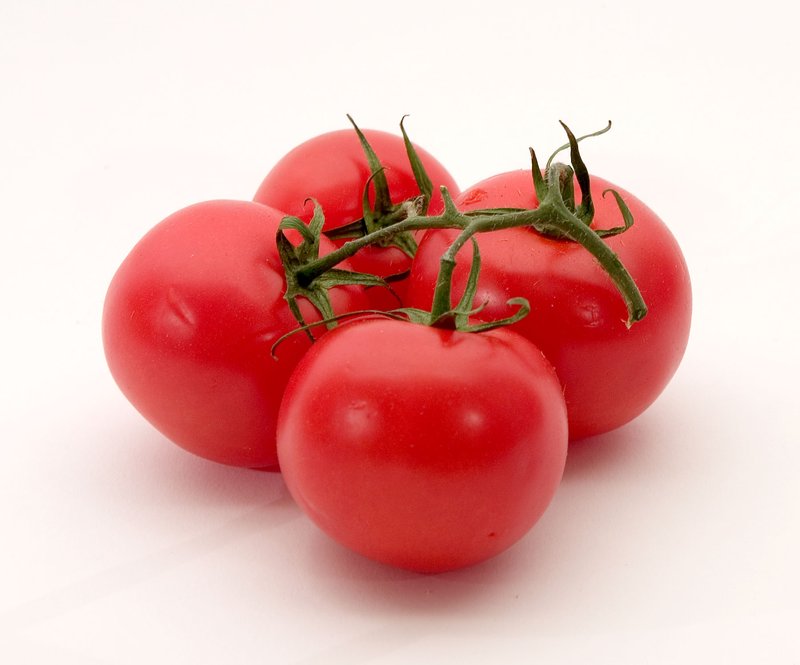
Taxonomy
- Division:
- Magnoliophyta | - Flowering plants
- Family:
- Solanaceae
- Genus:
- Solanum
- Species:
- Solanum lycopersicum
Growth Characteristics
- Life Cycle:
- Annual | Perennial
- Growth Habit:
- Forb/herb
- Height:
- 8-12 ft
- Light Requirements:
- Full Sun
- Drought Tolerance:
- High
- Bloom Months:
- mar, apr, may, sep, oct, nov
- Bloom Colors:
- yellow
- Food Forest:
- Plant contains edible parts
Native Range
United States: Alaska, Alabama, Arkansas, Arizona, California, Connecticut, Delaware, Florida, Georgia, Hawaii, Iowa, Illinois, Indiana, Kansas, Kentucky, Louisiana, Massachusetts, Maryland, Maine, Michigan, Missouri, Mississippi, Montana, North Carolina, North Dakota, Nebraska, New Hampshire, New Jersey, Nevada, New York, Ohio, Oregon, Pennsylvania, Puerto Rico, Palau, Rhode Island, South Carolina, Tennessee, Texas, U.S. Minor Outlying Islands, Utah, Virginia, Virgin Islands, Vermont, Wisconsin, Canada: British Columbia, New Brunswick, Nova Scotia, Ontario, Quebec, Saskatchewan
Host Plant for Caterpillars
African armyworm (Spodoptera exempta), Agrotis orthogonia, Alfalfa Looper (Autographa californica), Army cutworm (Euxoa auxiliaris), beet armyworm (Spodoptera exigua), Bertha armyworm (Mamestra configurata), Black cutworm (Agrotis ipsilon), Burdock Borer (Papaipema cataphracta), Cabbage looper (Trichoplusia ni), clover cutworm (Agrotis gladiaria), corn earworm (Helicoverpa zea), cotton bollworm (Helicoverpa armigera), Cotton leafworm (Alabama argillacea), darksided cutworm (Euxoa messoria), dingy cutworm (Feltia jaculifera), Eggplant fruit and shoot borer (Leucinodes orbonalis), Eggplant fruit borer (Neoleucinodes elegantalis), eggplant leafroller moth (Lineodes integra), Eggplant Webworm Moth (Rhectocraspeda periusalis), European corn borer (Ostrinia nubilalis), Euxoa tessellata, Fall armyworm (Spodoptera frugiperda), Five-spotted hawk moth (Manduca quinquemaculatus), Gothic dart (Feltia subgothica), Greater Red Dart (Abagrotis alternata), Large Yellow Underwing (Noctua pronuba), Mexican leafroller (Amorbia emigratella), Old Man Dart (Agrotis vetusta), Omnivorous Leafroller (Platynota stultana), Potato tuber moth (Phthorimaea operculella), rascal dart moth (Agrotis malefida), rosy rustic (Hydraecia micacea), Setaceous Hebrew Character (Xestia c-nigrum), Southern armyworm (Spodoptera eridania), Soybean Looper (Pseudoplusia includens), Sphinx separatus, Spotted Straw Moth (Heliothis phloxiphaga), stalk borer moth (Papaipema nebris), Striped rice borer (Chilo suppressalis), Sweetpotato Armyworm (Spodoptera dolichos), Tobacco budworm (Heliothis virescens), tobacco hornworm (Manduca sexta), tomato pinworm (Keiferia lycopersicella), True Lover's Knot (Lycophotia porphyrea), underworld dart (Agrotis subterranea), Variegated cutworm (Peridroma saucia), Western yellowstriped armyworm (Spodoptera praefica), White-lined sphinx moth (Hyles lineata), Yellow-striped armyworm (Spodoptera ornithogalli)
Reported Fauna Sightings
Bees: Black and gold bumble bee (Bombus auricomus), Black and gold bumble bee (Bombus auricomus), Common eastern bumble bee (Bombus impatiens), Common eastern bumble bee (Bombus impatiens), Yellow-faced bumble bee (Bombus vosnesenskii), Yellow-faced bumble bee (Bombus vosnesenskii)
Soil Requirements
- Soil Type:
- rich, well-drained loamy soil
- pH:
- 5.5 - 7.5 (slightly acidic to neutral)
- Drainage:
- excellent drainage required
- Moisture:
- consistently moist
- Notes:
- Thrives in nutrient-rich environments with adequate organic matter.