
Loblolly Bay
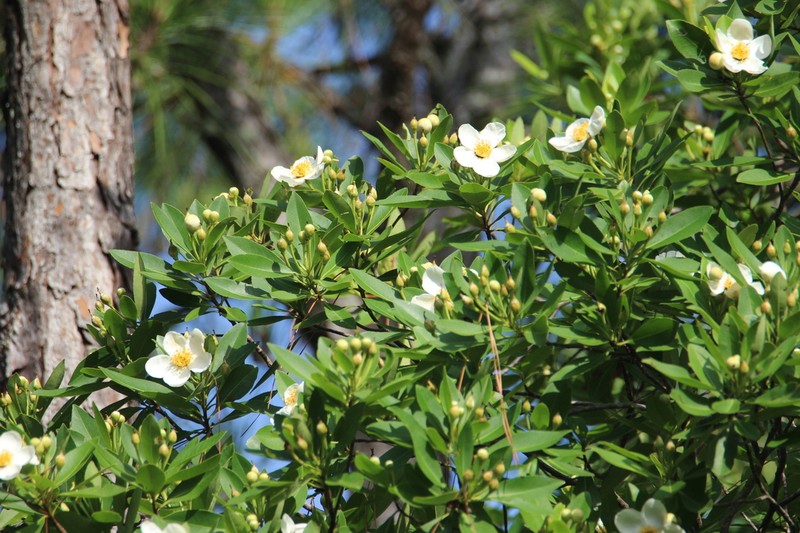
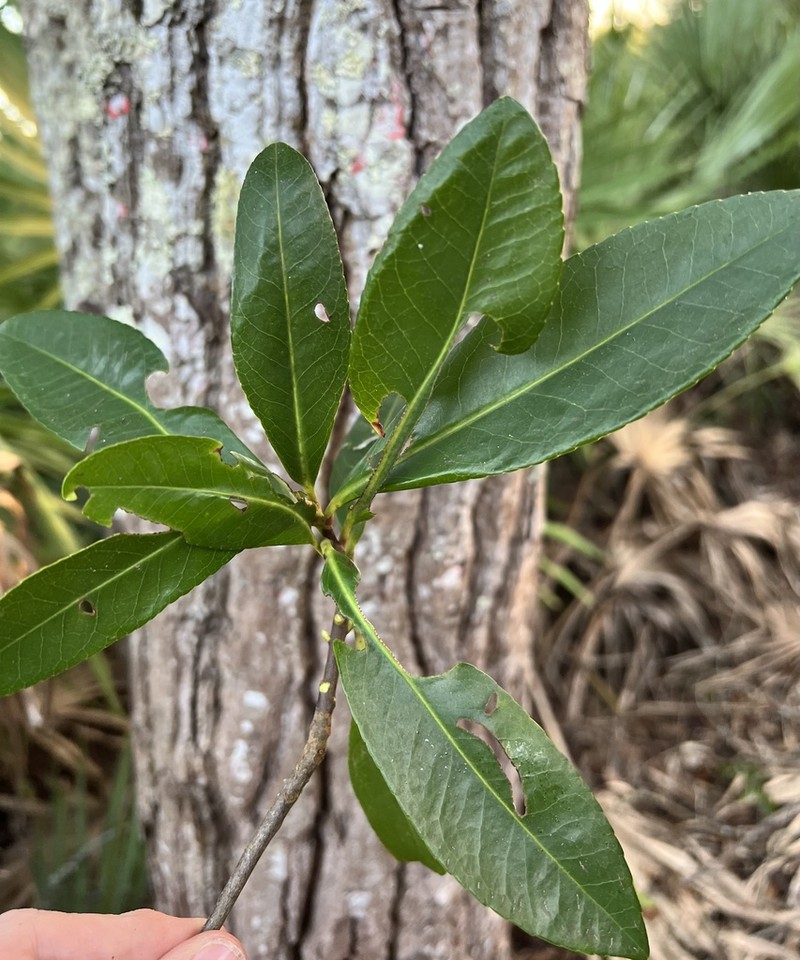
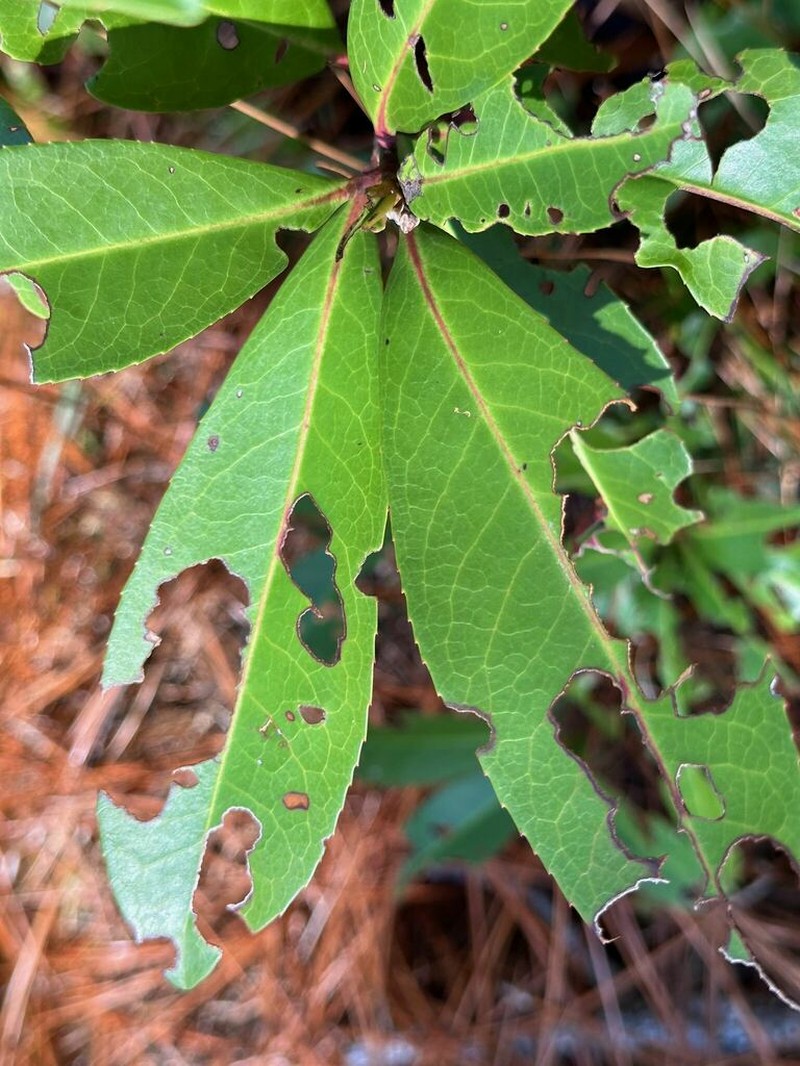
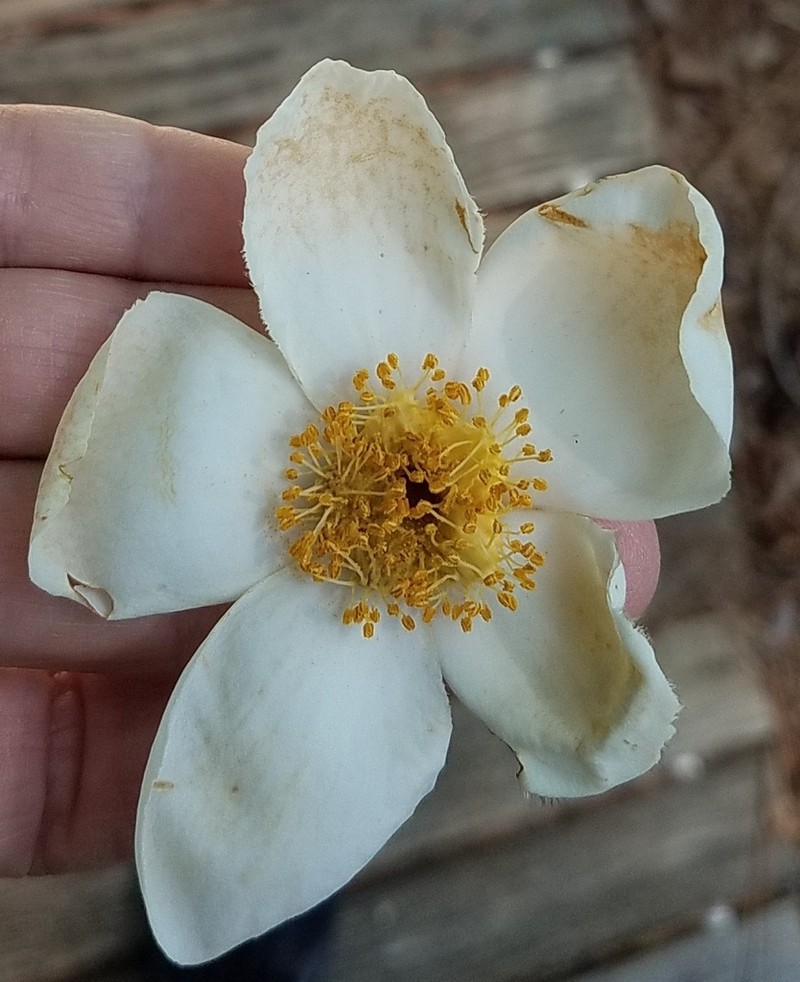
Gordonia lasianthus
- Native to:
- United States
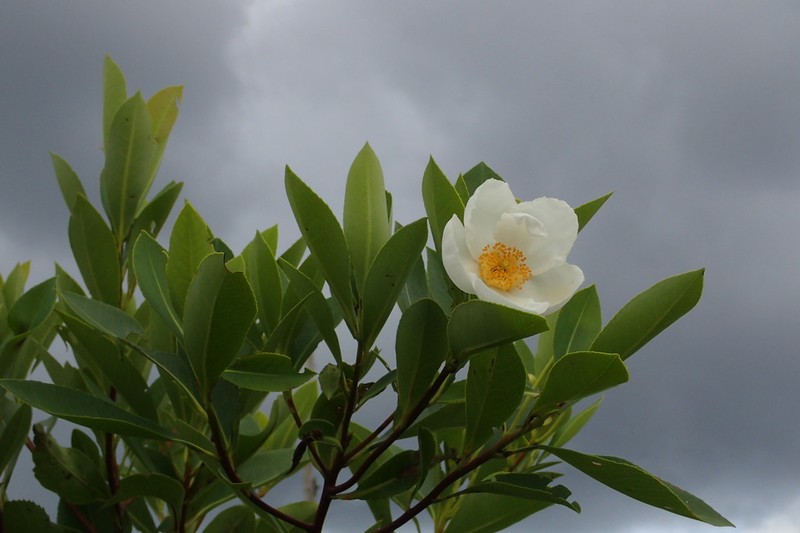
iNaturalist: © autrpy (iNaturalist #66673205)
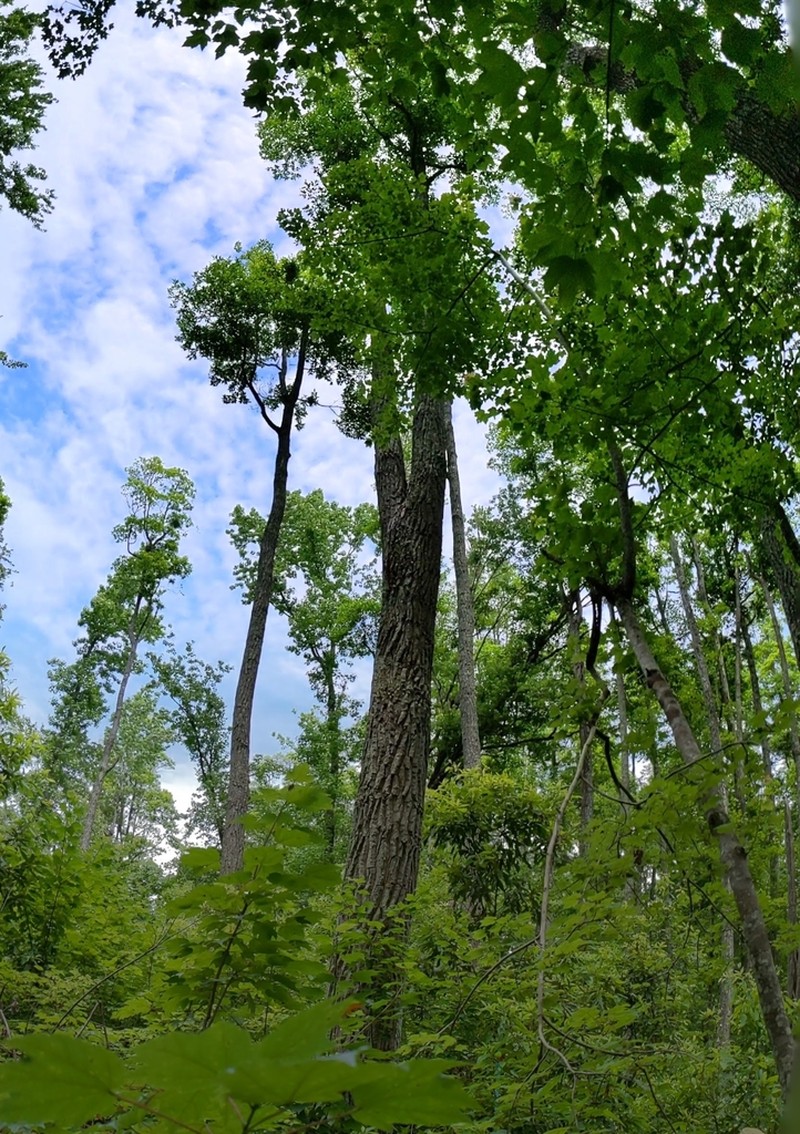
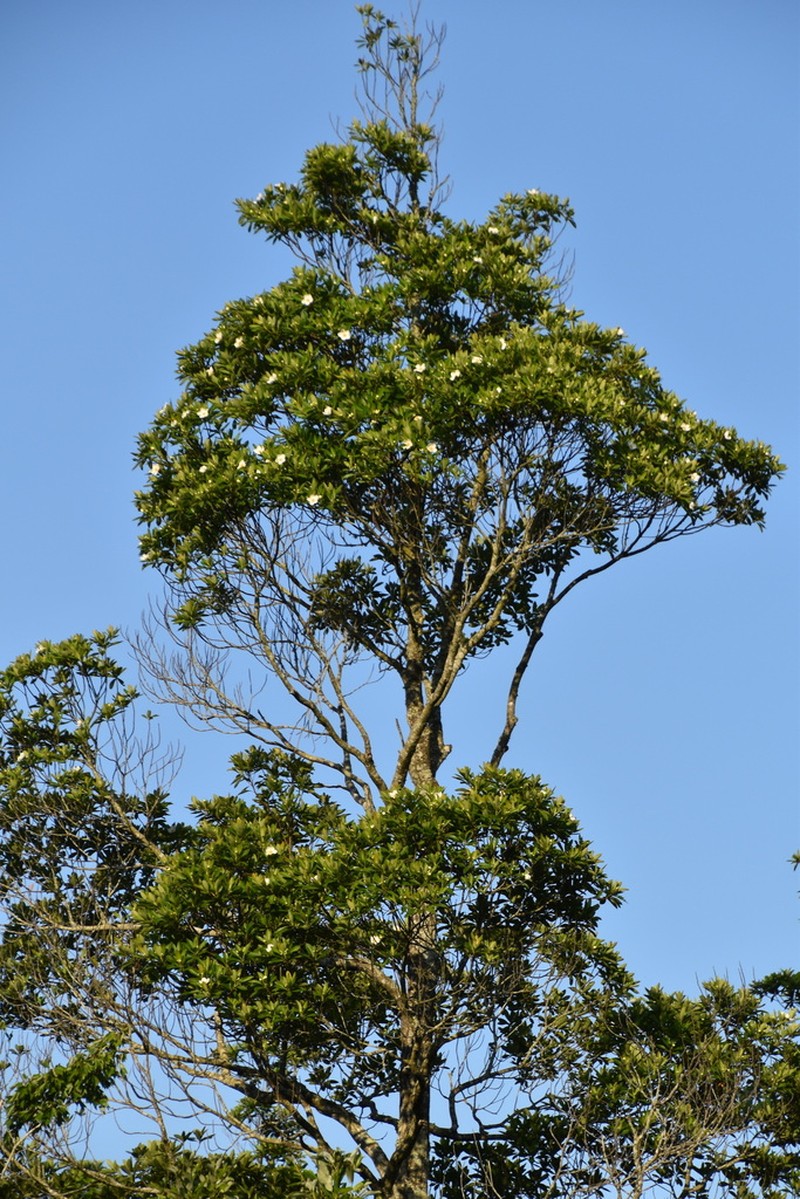
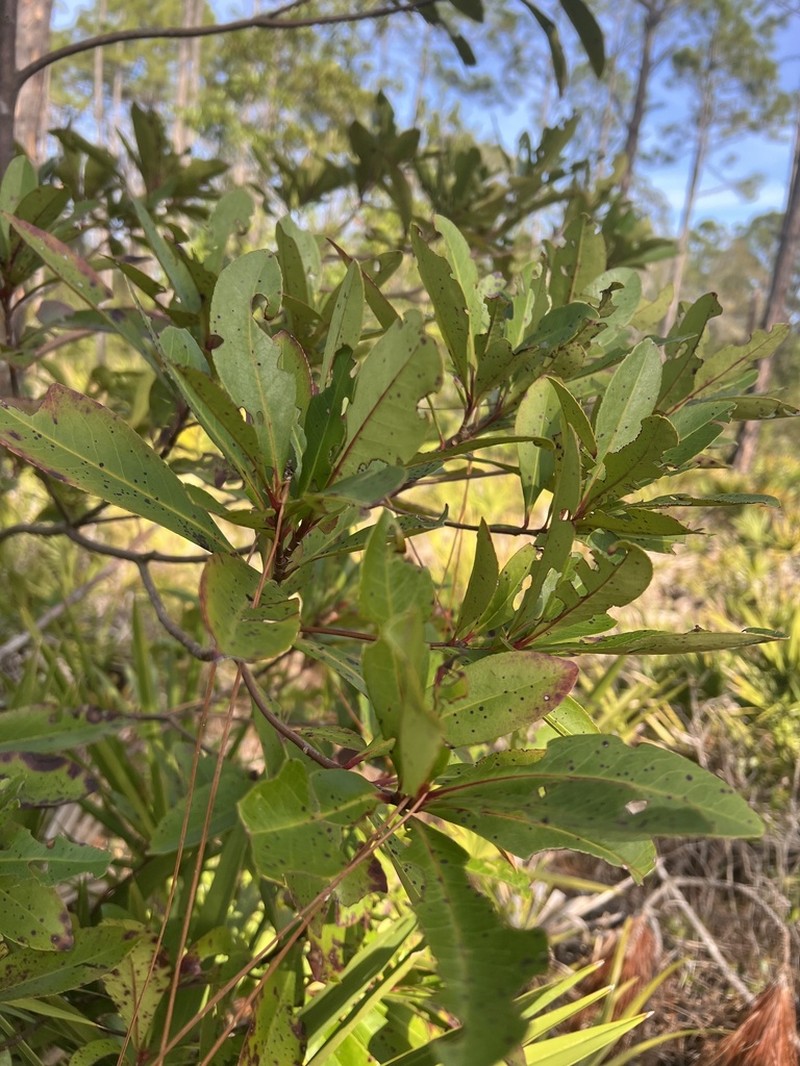
Taxonomy
- Division:
- Magnoliophyta | - Flowering plants
- Family:
- Theaceae
- Genus:
- Gordonia
- Species:
- Gordonia lasianthus
- USDA Symbol:
- GOLA
Growth Characteristics
- Life Cycle:
- Perennial
- Growth Habit:
- Shrub , Tree
- Height:
- 1830 cm
- Light Requirements:
- Full Sun
- Drought Tolerance:
- Low
- Bloom Months:
- jun,jul,aug
- Bloom Colors:
- white
Wildlife Benefits
- Bees:
- ★☆☆☆☆ Documented bee visitation (GBIF)
- Caterpillars:
- ★☆☆☆☆ Recorded caterpillar host plant (HOSTS Database)
Host Plant for Caterpillars
Promethea silkmoth (Callosamia promethea), saucereye silkmoth (Callosamia securifera), White-marked Tussock Moth (Orgyia leucostigma)
Garden & Ecology Notes
- Wildlife Value:
- birds, bees
- Fragrant:
- Yes
- Fall Color:
- red, orange
- Fire Ecology:
- Fire adapted — tolerates or benefits from fire
- Fire Notes:
- Mature trees can survive low-intensity fires; seedlings may be top-killed but resprout.
Soil Requirements
- Soil Type:
- moist, acidic, sandy loam
- pH:
- 4.5 - 6.5 (acidic to slightly acidic)
- Drainage:
- good drainage preferred
- Moisture:
- consistently moist
- Notes:
- native to wetland areas, prefers acidic soils
Propagation & Germination
- Stratification:
- Cold/moist stratification required — 30–60 days
- Germination Time:
- 30–90 days
- Notes:
- Seeds benefit from cold stratification for 30-60 days; sow in moist, acidic soil.
Pre-treatment: Tip cuttings of crisp green wood, stripped of all but 2 to 3 firm leaves near the apical meristem, dipped 5 sec in a 1:10 dilution of Wood's liquid rooting compound. Cuttings were stuck into individual Spin-Out-treated containers filled 1.5:1 perlite:sphagnum peat moss medium.
Establishment: Cuttings in 10 X 10 X 10 cm (4 X 4 X 4 in) square containers had much more robust top growth. The plant produces seeds in quantity from its large, fragrant white flowers that appear through much of the summer, but seedlings are rarely observed in the wild. The mechanism of natural regeneration is unclear.
Source: npn.rngr.net