
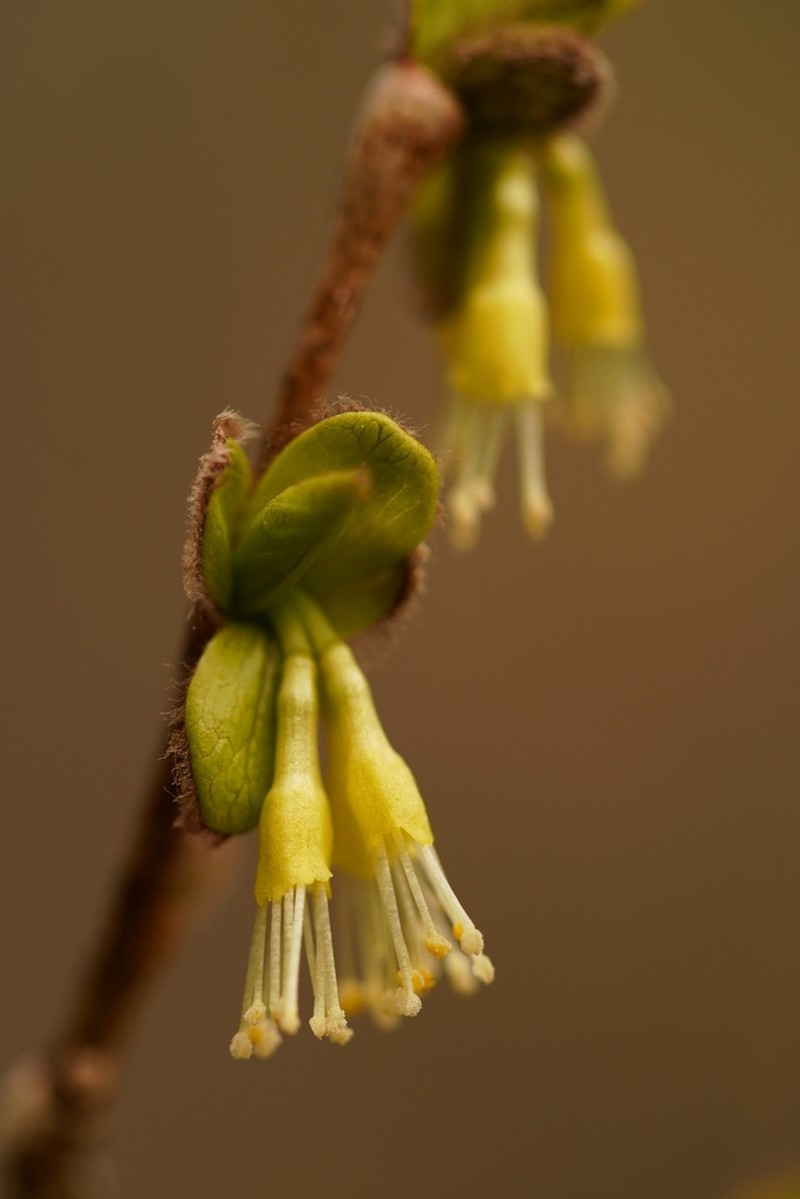
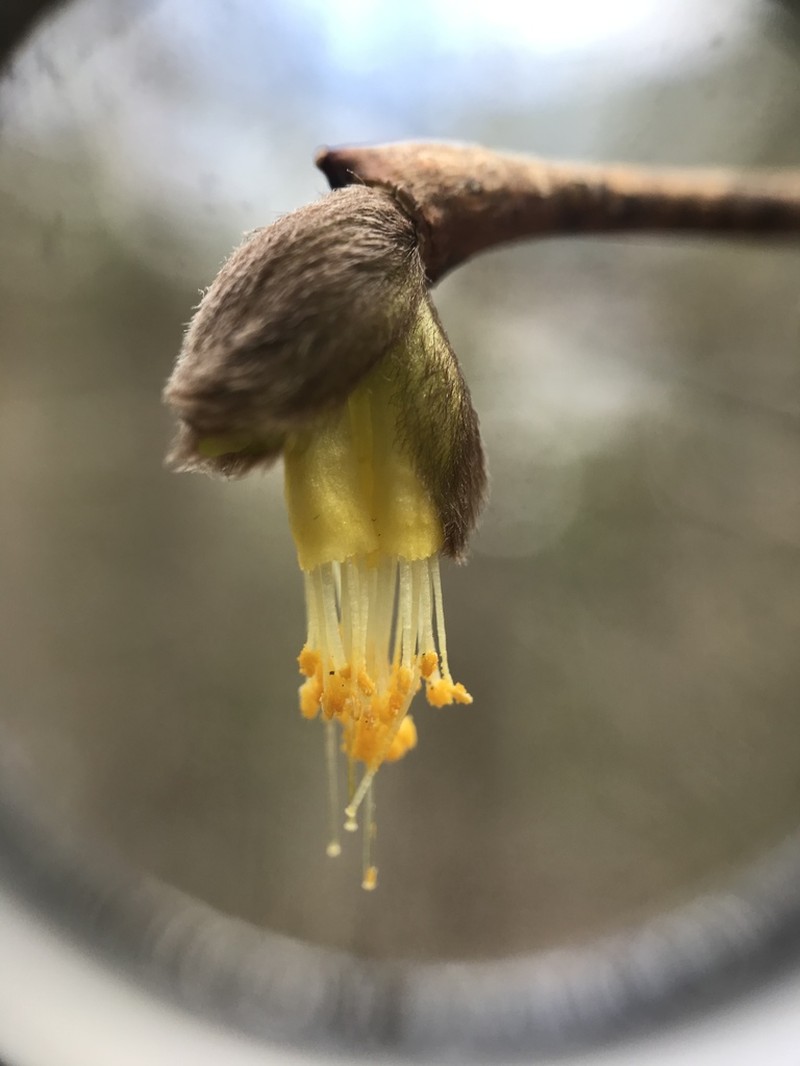
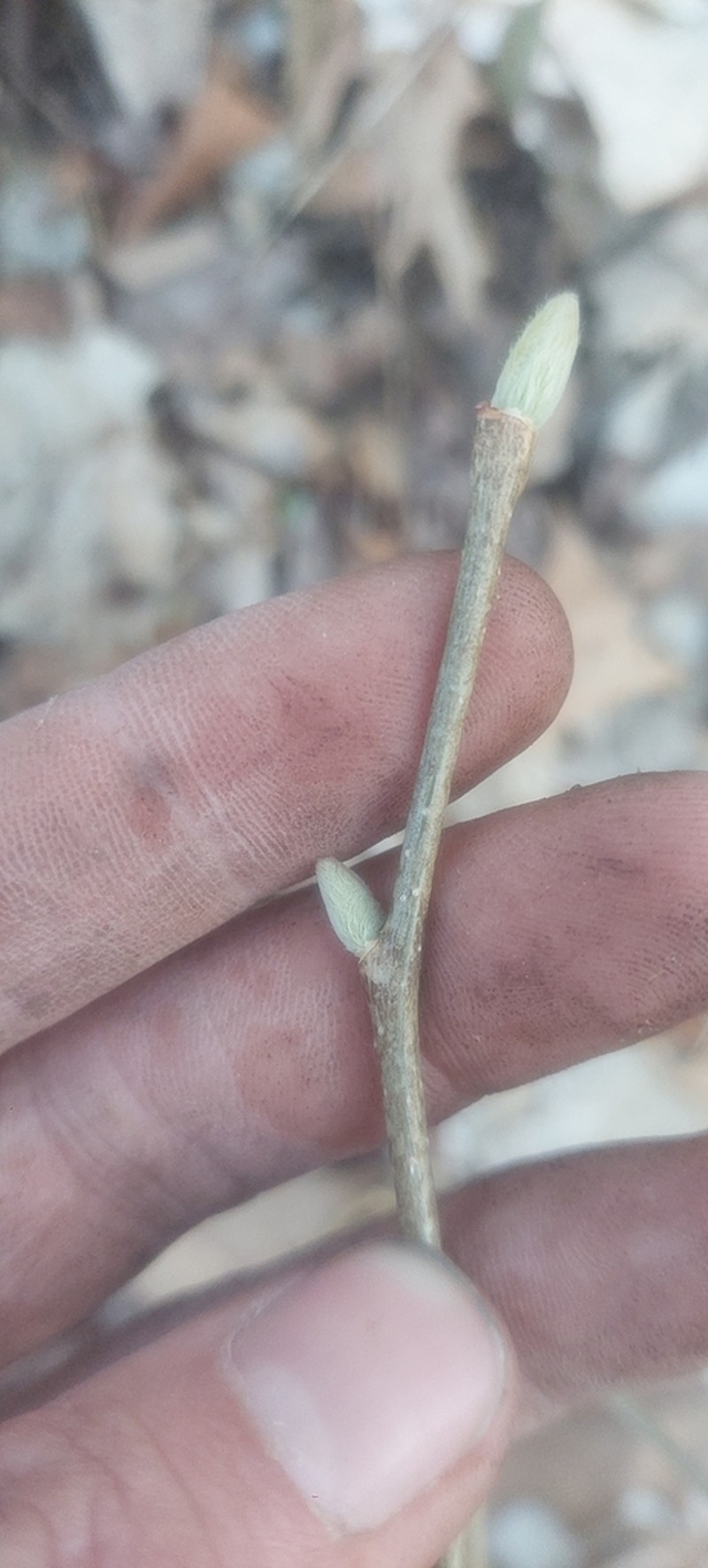
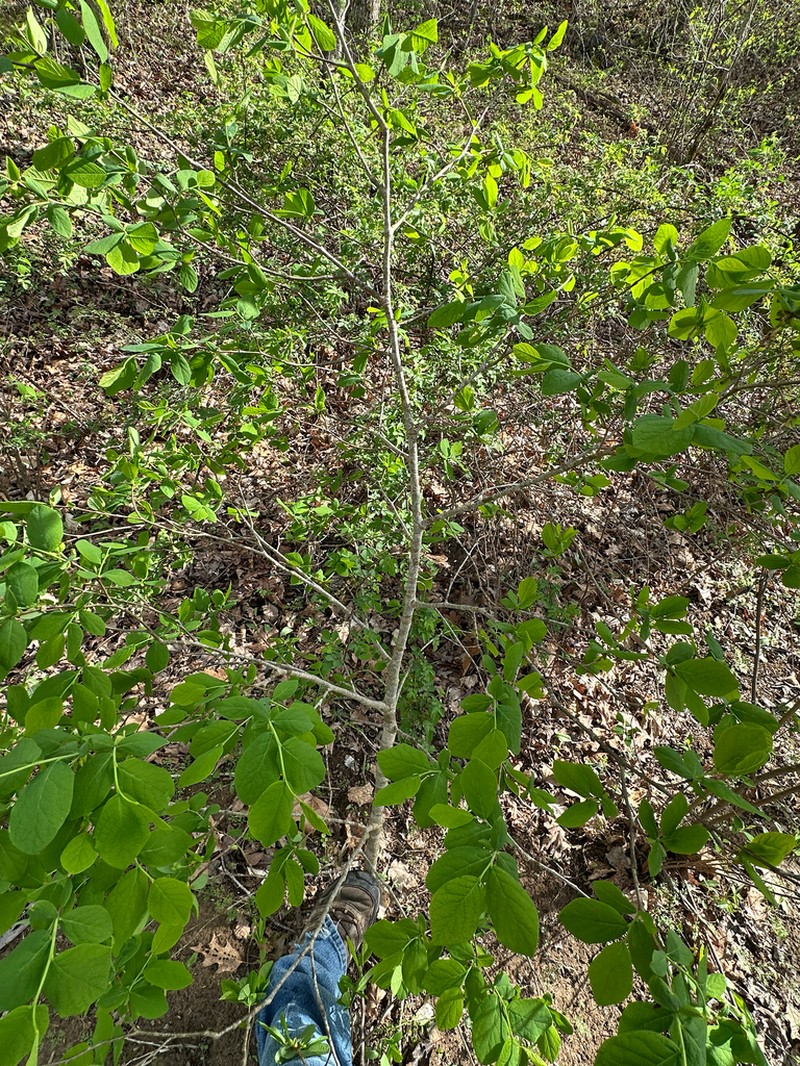
Eastern Leatherwood
Dirca palustris
- Native to:
- Canada, United States, Virgin Islands
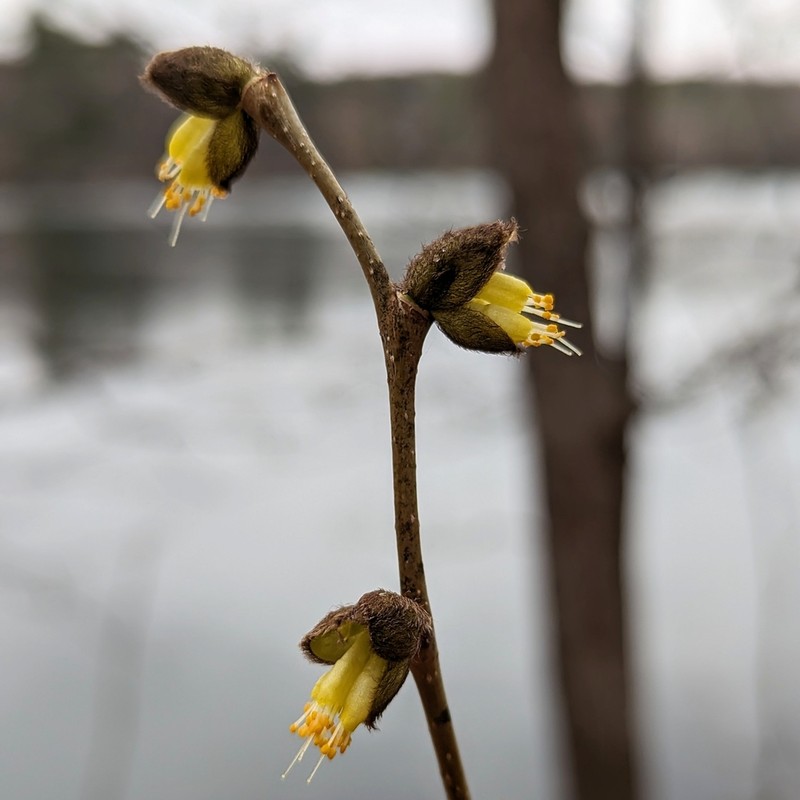
iNaturalist: © frontyardscientist (iNaturalist #207278653)
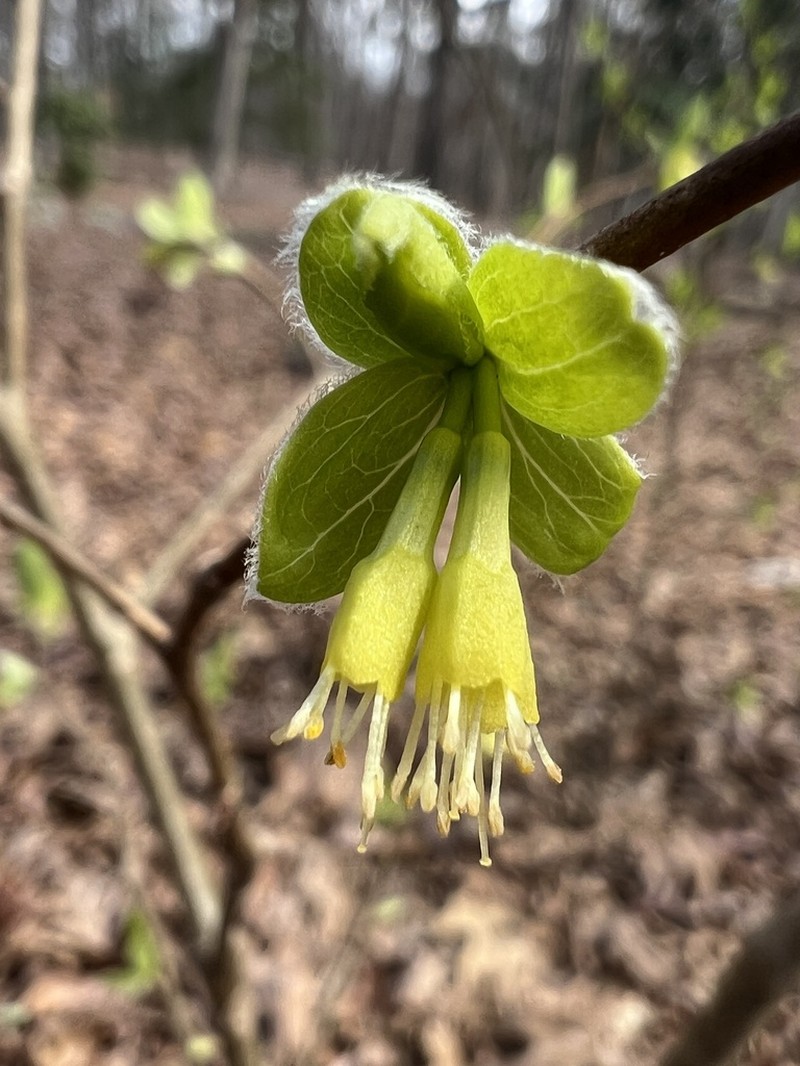
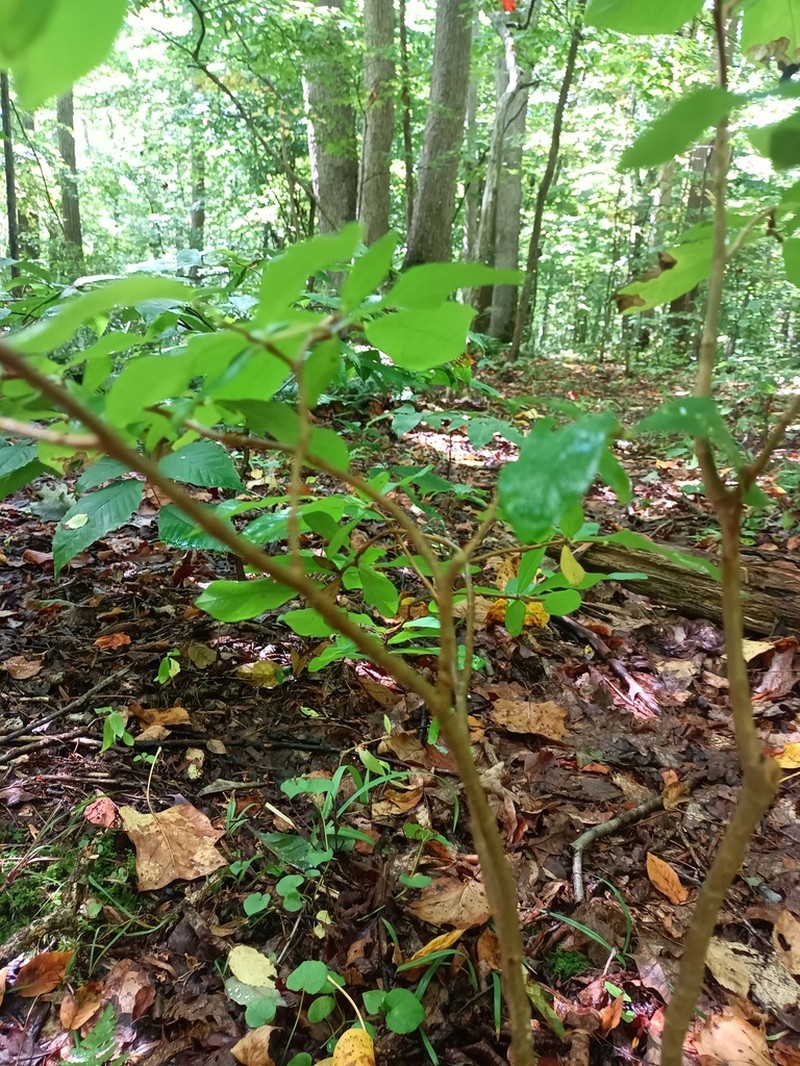
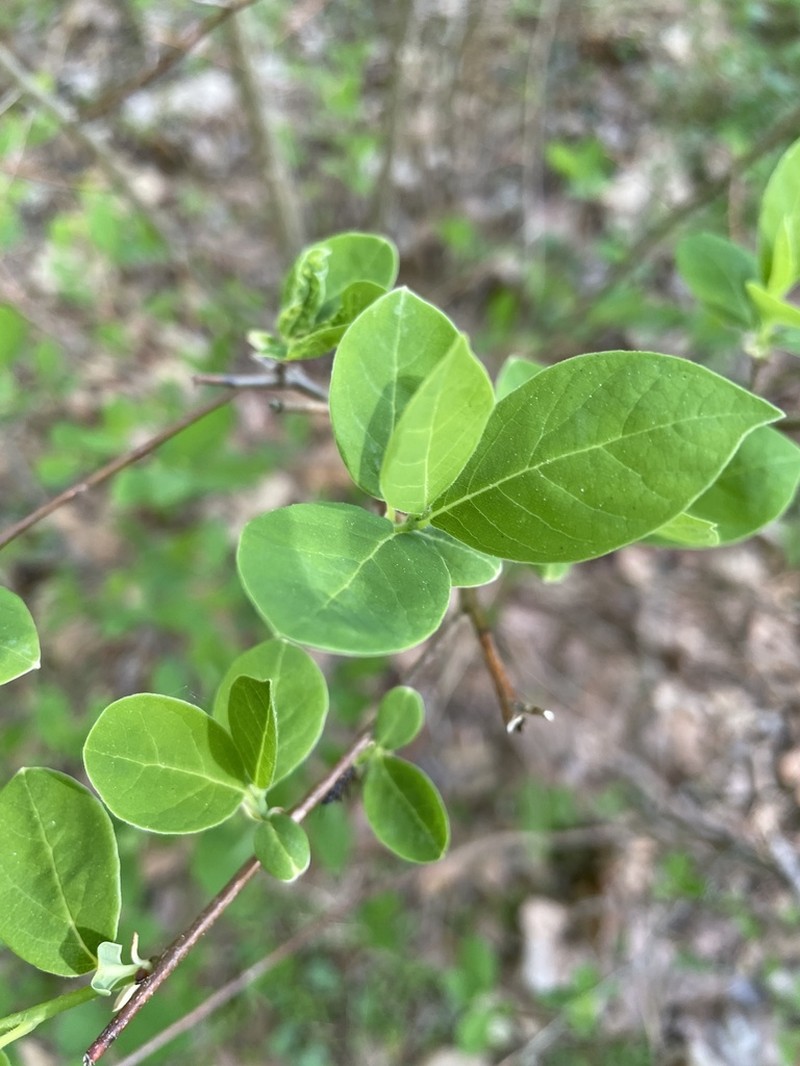
Taxonomy
- Division:
- Magnoliophyta | - Flowering plants
- Family:
- Thymelaeaceae
- Genus:
- Dirca
- Species:
- Dirca palustris
- USDA Symbol:
- DIPA9
Growth Characteristics
- Life Cycle:
- Perennial
- Growth Habit:
- Shrub
- Height:
- 300 cm
- Light Requirements:
- Part Shade,Shade
- Drought Tolerance:
- Low
- Bloom Months:
- mar,apr
- Bloom Colors:
- yellow
- Landscaping Shrub:
- Yes
Wildlife Benefits
- Butterflies & Moths:
- ★★★☆☆ Documented Lepidoptera association (GBIF)
- Caterpillars:
- ★☆☆☆☆ Recorded caterpillar host plant (HOSTS Database)
Host Plant for Caterpillars
Leucanthiza dircella
Reported Fauna Sightings
Moths:Leucanthiza dircella
Garden & Ecology Notes
- Wildlife Value:
- birds, butterflies
- Deer Resistant:
- Yes
- Fall Color:
- yellow
Soil Requirements
- Soil Type:
- rich, well-drained loamy soil
- pH:
- 5.5 - 7.0 (slightly acidic to neutral)
- Drainage:
- tolerates poor drainage
- Moisture:
- consistently moist
- Notes:
- Commonly found in floodplains and wooded areas
Propagation & Germination
- Stratification:
- Cold/moist stratification required — 90–120 days
- Germination Time:
- 30–60 days
- Notes:
- Seeds require cold stratification for 3-4 months; germination occurs in spring.
Pre-treatment: Seeds are cleaned and sown in June, followed by a warm after-ripening period prior to cold, moist stratification.
Establishment: Seeds are sourced from local collectors within a 50 mile radius of the nursery. The red to orange fruits mature in May and June. The plant is common in a variety of forest types throughout the east, from Quebec and Ontario south to Florida, Louisiana, and Oklahoma.
Source: npn.rngr.net
Where to Buy
Nationwide Seller
- Sheffield's Seed (seeds)
- Prairie Moon Nursery (nursery and seeds)