
Broadleaf Cattail
Typha latifolia
- Native to:
- Afghanistan, Albania, Algeria, Argentina, Austria, Baleares, Baltic States, Belarus, Belgium, Bolivia, Bulgaria, Canada, China, Colombia, Corse, Czechia-Slovakia, Denmark, Djibouti, DR Congo, East Aegean Is., Ethiopia, Finland, France, Germany, Great Britain, Greece, Honduras, Hungary, India, Iran, Ireland, Italy, Japan, Kazakhstan, Kenya, Kirgizstan, Korea, Krym, Kuril Is., Lebanon-Syria, Mexico, Morocco, Netherlands, Nigeria, North Caucasus, Norway, NW. Balkan Pen., Pakistan, Palestine, Paraguay, Poland, Portugal, Prince Edward I., Romania, Russia, Rwanda, Sardegna, Sicilia, Spain, Sweden, Switzerland, Tadzhikistan, Transcaucasus, Tunisia, Türkiye, Türkiye-in-Europe, Turkmenistan, Uganda, Ukraine, United States, Uzbekistan, Virgin Islands
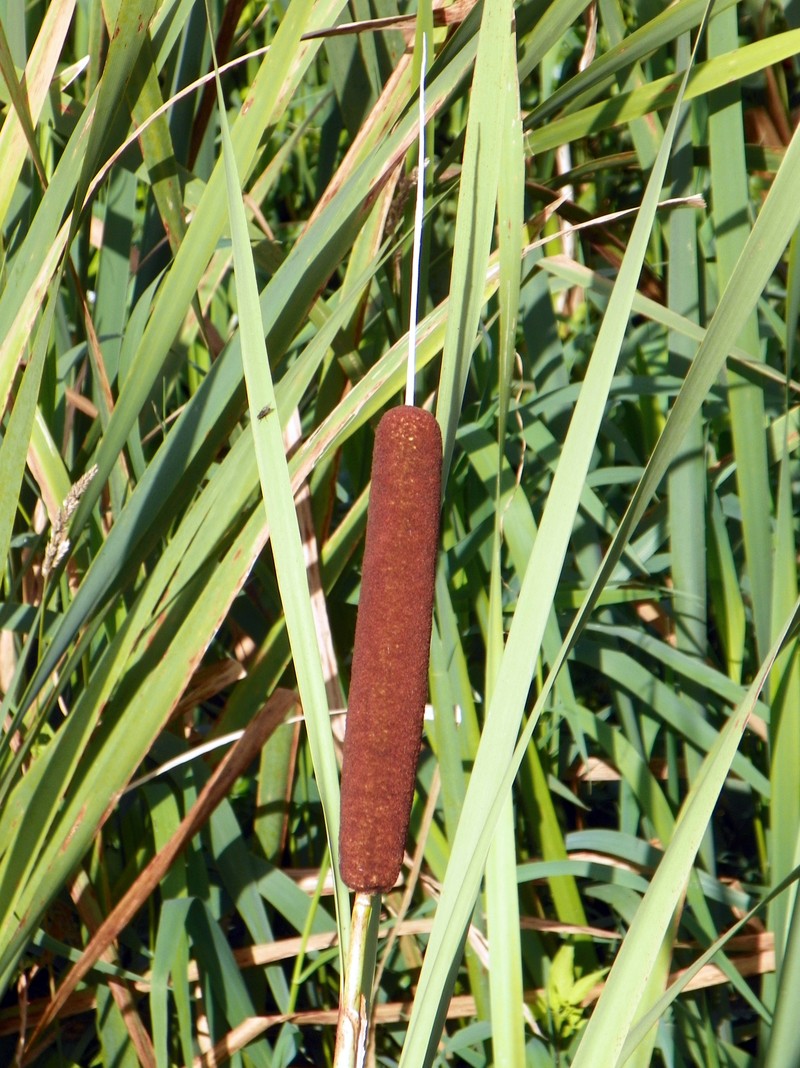
Petritap
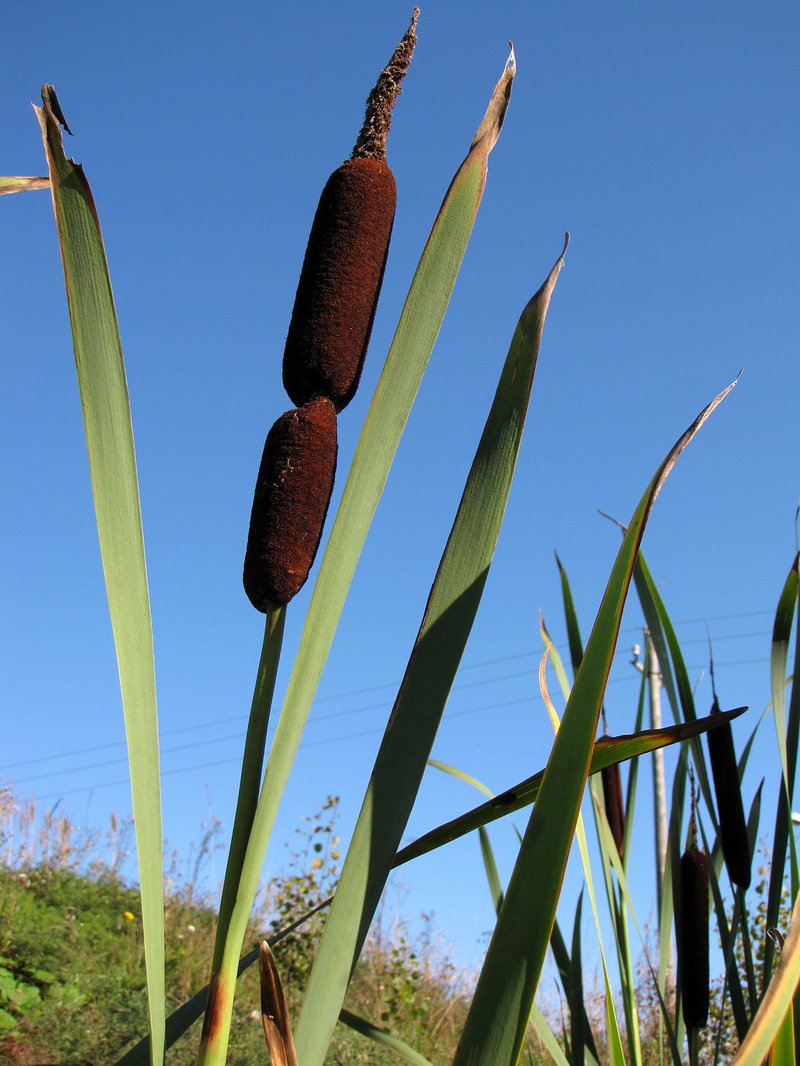
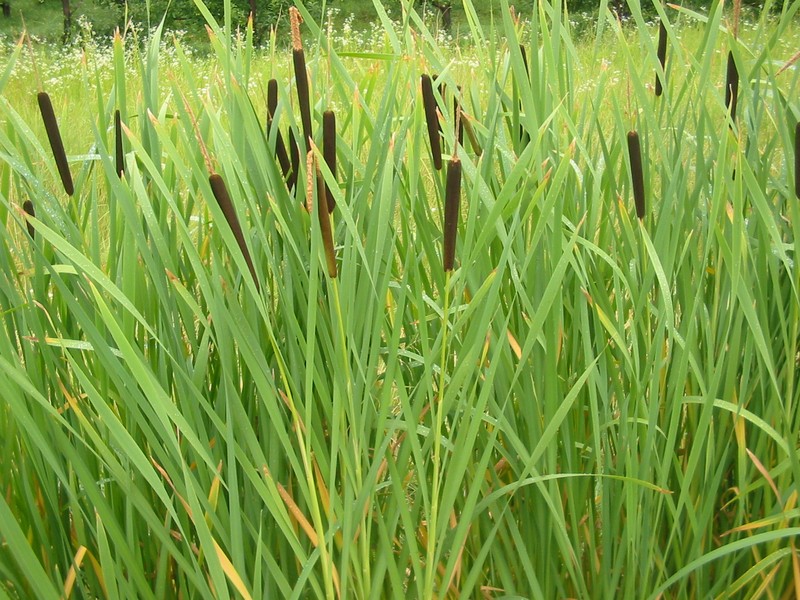
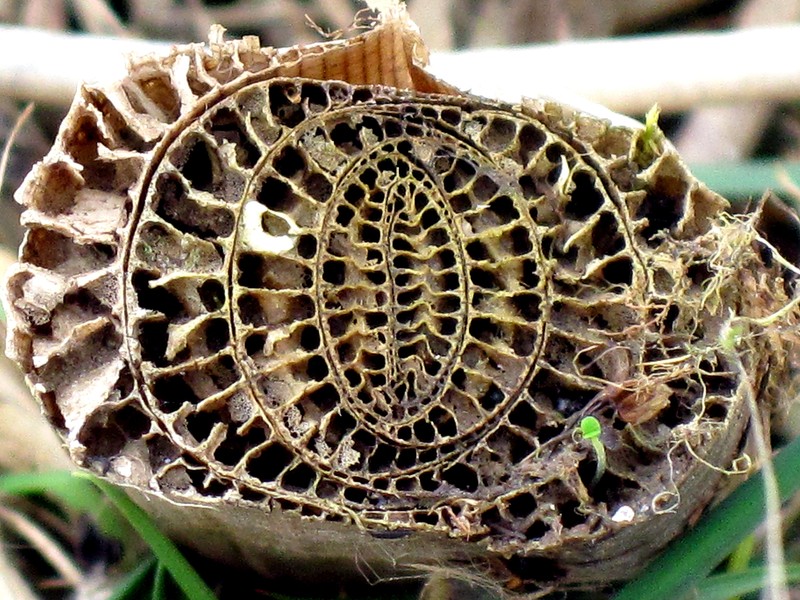
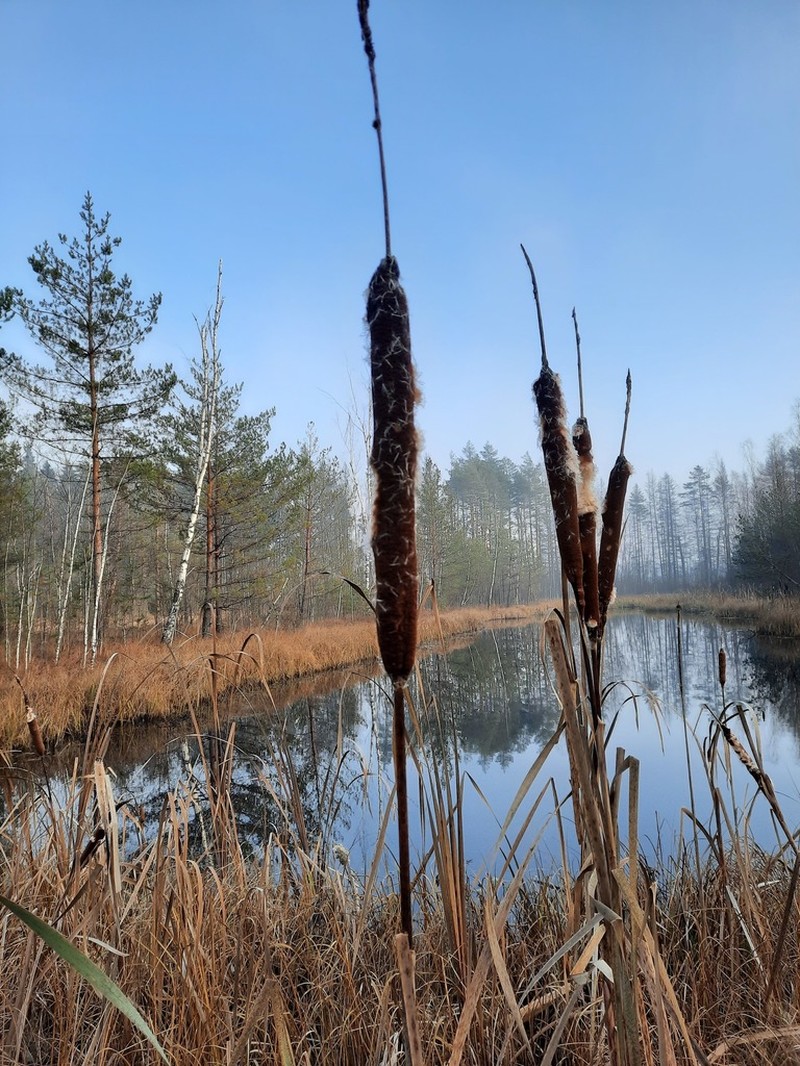
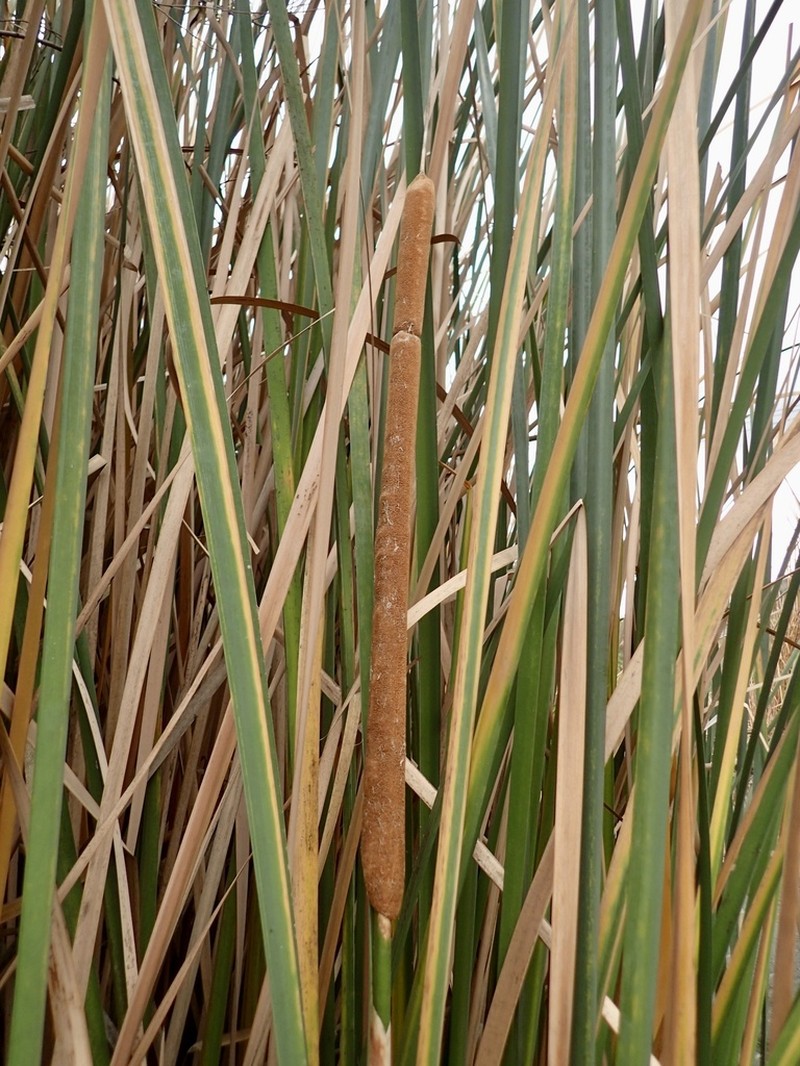
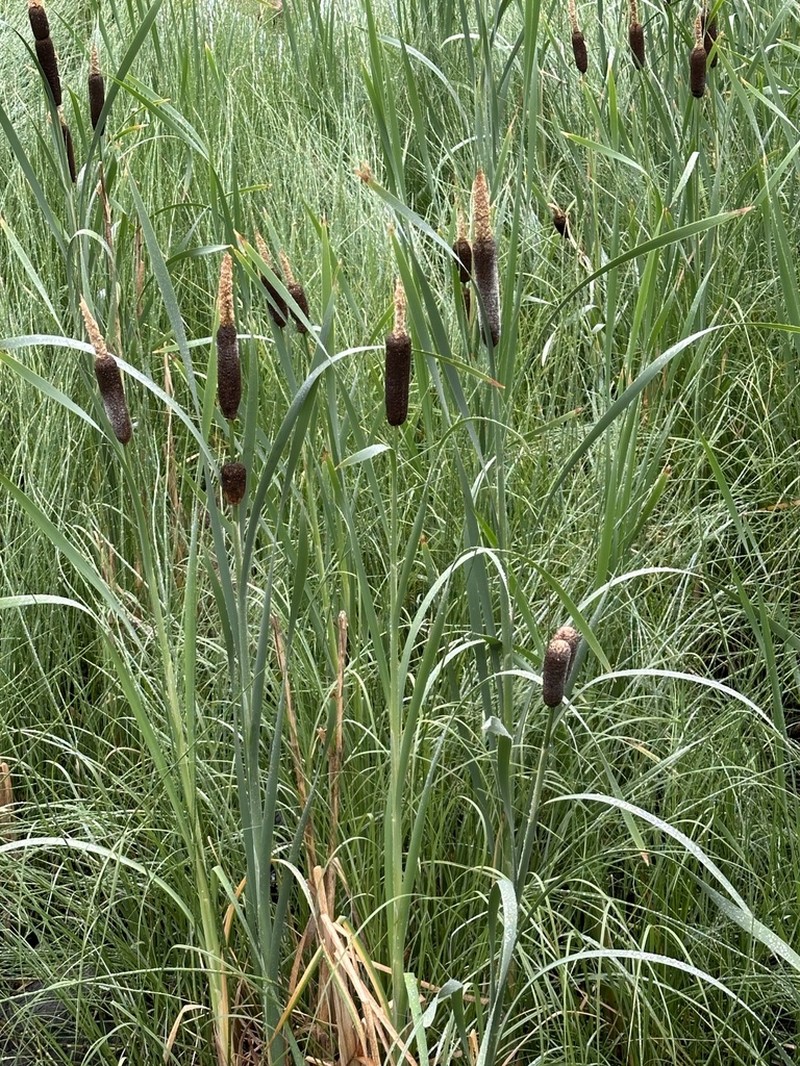
Taxonomy
- Division:
- Magnoliophyta | - Flowering plants
- Family:
- Typhaceae
- Genus:
- Typha
- Species:
- Typha latifolia
- USDA Symbol:
- TYLA
Growth Characteristics
- Life Cycle:
- Perennial
- Growth Habit:
- Forb/herb
- Height:
- 300 cm
- Light Requirements:
- Full Sun,Part Shade
- Drought Tolerance:
- Low
- Bloom Months:
- jun,jul,aug
- Bloom Colors:
- brown, green
- Food Forest:
- Contains edible parts
Wildlife Benefits
- Butterflies & Moths:
- ★★☆☆☆ Documented Lepidoptera association (GBIF)
- Caterpillars:
- ★★☆☆☆ Recorded caterpillar host plant (HOSTS Database)
Host Plant for Caterpillars
, Bactra maiorina, Cattail Borer Moth (Bellura obliqua), Densa Bellura (Bellura densa), Dicymolomia julianalis, false wainscot (Leucania pseudargyria), Obliquebanded leafroller (Choristoneura rosaceana), oblong wainscot (Archanara oblonga), Phragmites veneer (Limnaecia phragmitella), Potato tuber moth (Phthorimaea operculella), Simyra henrici, Smeared Dagger Moth (Acronicta oblinita)
Reported Fauna Sightings
Moths:Acronicta insularis
Garden & Ecology Notes
- Wildlife Value:
- birds, mammals
- Salt Tolerant:
- Yes
- Fire Ecology:
- Fire adapted — tolerates or benefits from fire
- Fire Notes:
- Rhizomes survive fire and resprout vigorously; fire can reduce litter and promote growth.
Soil Requirements
- Soil Type:
- rich, waterlogged, organic soil
- pH:
- 5.5 - 7.5 (slightly acidic to neutral)
- Drainage:
- tolerates poor drainage
- Moisture:
- consistently moist
- Notes:
- Commonly found in marshes, ponds, and wetlands.
Propagation & Germination
- Stratification:
- None required
- Germination Time:
- 14–30 days
- Notes:
- Seeds germinate readily in moist soil with light; no pretreatment required.
Pre-treatment: Seeds require light for germination
Source: npn.rngr.net