
Slippery Elm
Ulmus rubra
- Native to:
- Canada, United States, Virgin Islands
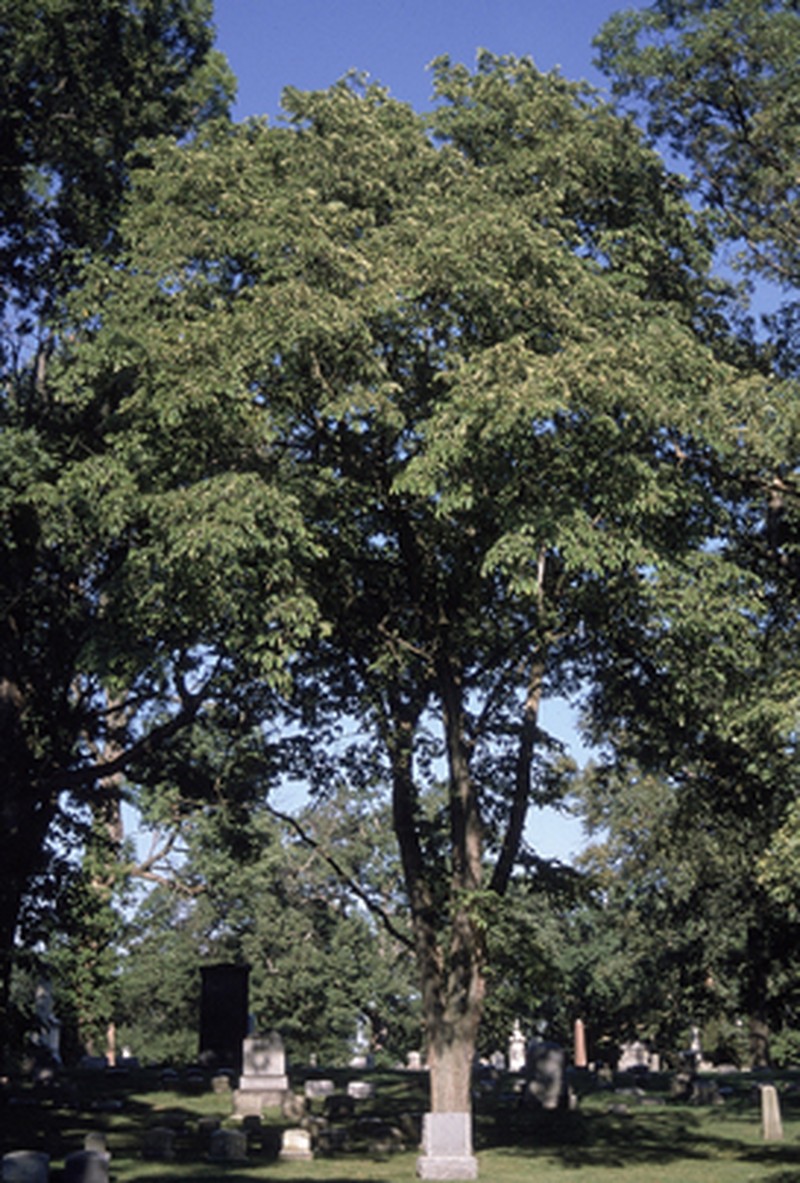
Photo by David J. Stang
Taxonomy
- Division:
- Magnoliophyta | - Flowering plants
- Family:
- Ulmaceae
- Genus:
- Ulmus
- Species:
- Ulmus rubra
- USDA Symbol:
- ULRU
Growth Characteristics
- Life Cycle:
- Perennial
- Growth Habit:
- Tree
- Height:
- 2400 cm
- Light Requirements:
- Full Sun,Part Shade
- Drought Tolerance:
- Medium
- Bloom Months:
- mar,apr
- Bloom Colors:
- green, red
Wildlife Benefits
- Butterflies & Moths:
- ★★★★☆ Documented Lepidoptera association (GBIF)
- Caterpillars:
- ★★★☆☆ Recorded caterpillar host plant (HOSTS Database)
Keystone Species Ranking
- Caterpillar Keystone:
- ★★★★★ Butterfly & moth species supported by this genus (NWF)
Host Plant for Caterpillars
American Dagger Moth (Acronicta americana), Argyresthia undulatella, Banded Tussock Moth (Halysidota tessellaris), Cameraria obstrictella, Cameraria ulmella, Cecropia moth (Hyalophora cecropia), Ectoedemia ulmella, fall cankerworm (Alsophila pometaria), Fall webworm (Hyphantria cunea), Gypsy moth (Lymantria dispar), Hickory Tussock Moth (Lophocampa caryae), Imperial Moth (Eacles imperialis), Io moth (Automeris io), maple-basswood leafroller (Sparganothis pettitana), Phyllonorycter argentinotella, Phyllonorycter occitanica, Spotted Tussock Moth (Lophocampa maculata), Spring cankerworm (Paleacrita vernata), Stigmella apicialbella, three-lined leafroller (Pandemis limitata), white-lined hypena (Hypena abalienalis), White-marked Tussock Moth (Orgyia leucostigma), woodland leafroller (Pandemis lamprosana), yellow-based tussock moth (Dasychira basiflava)
Reported Fauna Sightings
Moths:Cameraria ulmella, Double-toothed prominent (Nerice bidentata), Phyllonorycter argentinotella, Stigmella apicialbella Butterflies:Question Mark (Polygonia interrogationis)
Garden & Ecology Notes
- Wildlife Value:
- birds, small mammals
- Fall Color:
- yellow
Soil Requirements
- Soil Type:
- rich, well-drained loamy soil
- pH:
- 5.5 - 7.5 (slightly acidic to neutral)
- Drainage:
- tolerates poor drainage
- Moisture:
- consistently moist
- Notes:
- Prefers bottomland and floodplain areas
Propagation & Germination
- Stratification:
- Cold/moist stratification required — 60–90 days
- Germination Time:
- 14–30 days
- Notes:
- Seeds require cold stratification for 60-90 days; sow in fall or after stratification in spring.
Pre-treatment: Seeds germinate at 30/20 C.
Establishment: U. rubra is found within temperate deciduous forests of North America.
Source: npn.rngr.net