
Stinging Nettle
Urtica dioica
- Native to:
- Afghanistan, Albania, Algeria, Austria, Baltic States, Belarus, Belgium, Bulgaria, China, Corse, Czechia-Slovakia, Denmark, East Aegean Is., Finland, Føroyar, France, Germany, Great Britain, Greece, Hungary, Iceland, India, Iran, Iraq, Ireland, Italy, Japan, Kazakhstan, Kirgizstan, Korea, Kriti, Krym, Labrador, Lebanon-Syria, Morocco, Nepal, Netherlands, North Caucasus, Norway, NW. Balkan Pen., Pakistan, Poland, Portugal, Romania, Russia, Sardegna, Sicilia, Spain, Sweden, Switzerland, Tadzhikistan, Transcaucasus, Tunisia, Türkiye, Türkiye-in-Europe, Turkmenistan, Ukraine, Uzbekistan
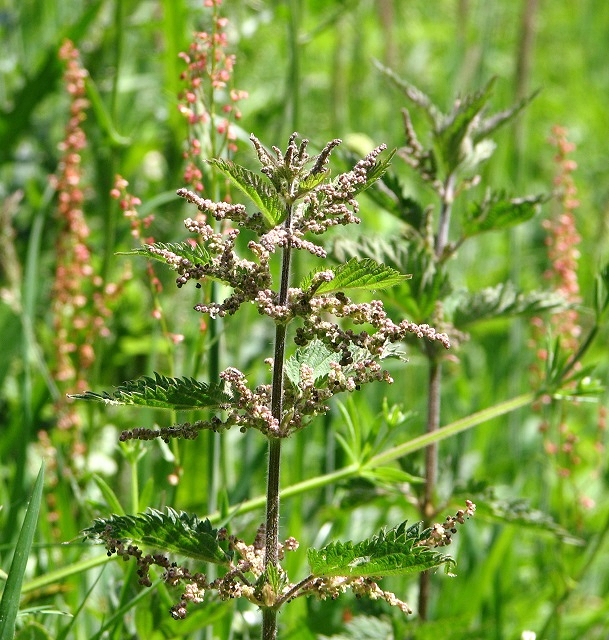
Evelyn Simak (www.geograph.org.uk)

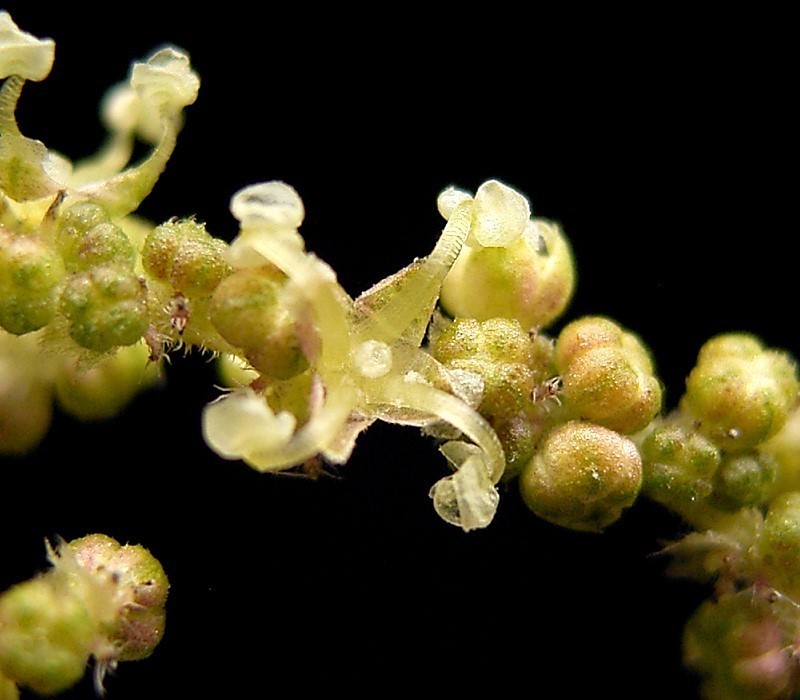
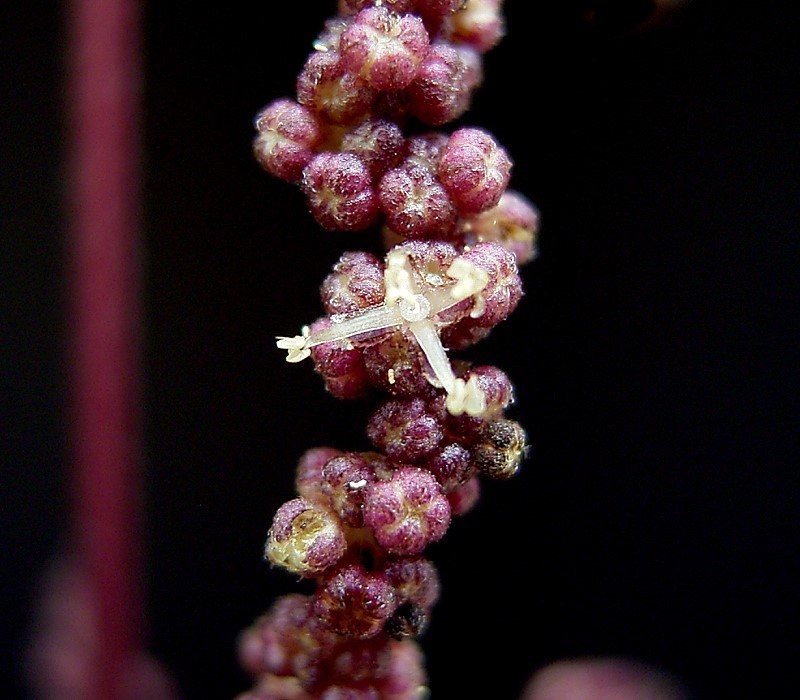
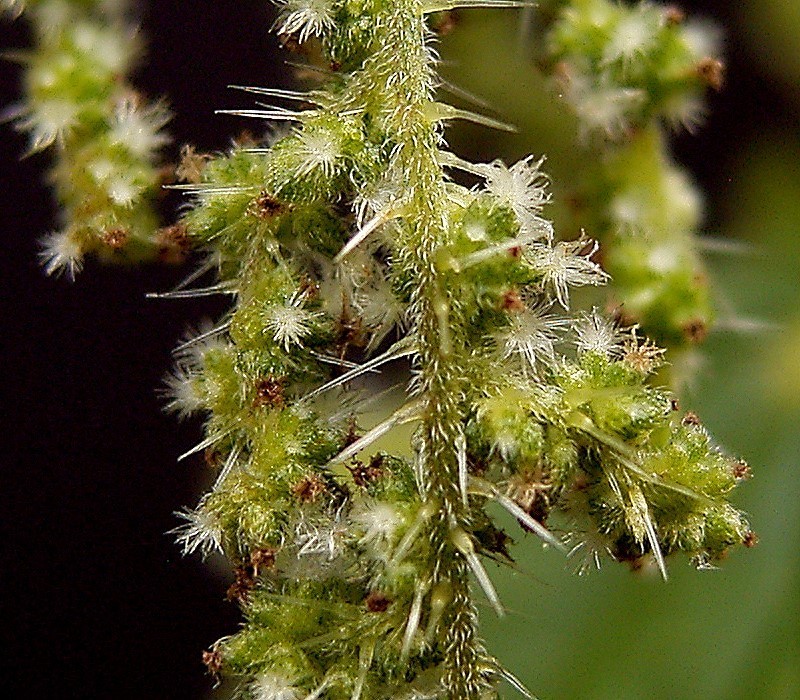
Taxonomy
- Division:
- Magnoliophyta | - Flowering plants
- Family:
- Urticaceae
- Genus:
- Urtica
- Species:
- Urtica dioica
- USDA Symbol:
- URDI
Growth Characteristics
- Life Cycle:
- Perennial
- Growth Habit:
- Forb/herb
- Height:
- 200 cm
- Light Requirements:
- Full Sun,Part Shade,Shade
- Drought Tolerance:
- Low
- Bloom Months:
- jun,jul,aug,sep
- Bloom Colors:
- greenish
- Food Forest:
- Contains edible parts
Wildlife Benefits
- Bees:
- ★☆☆☆☆ Documented bee visitation (GBIF)
- Butterflies & Moths:
- ★★★★★ Documented Lepidoptera association (GBIF)
- Caterpillars:
- ★★★☆☆ Recorded caterpillar host plant (HOSTS Database)
Host Plant for Caterpillars
Brown angle shades (Phlogophora periculosa), California Snout Moth (Hypena californica), Copper Underwing (Amphipyra tragopoginis), Garden Tiger Moth (Arctia caja), Hop Vine Moth (Hypena humuli), Hypena decorata, Hypena modestoides, maple looper moth (Autographa mappa), Oval Abrostola (Abrostola ovalis), spectacled nettle moth (Abrostola urentis), Two-spotted Looper Moth (Autographa bimaculata), woodland leafroller (Pandemis lamprosana), Eastern Comma (Polygonia comma), Milbert's Tortoiseshell (Aglais milberti), Question Mark (Polygonia interrogationis), Red Admiral (Vanessa atalanta), Satyr Comma (Polygonia satyrus), West Coast Lady (Vanessa annabella)
Reported Fauna Sightings
Moths:Banded Tussock Moth (Halysidota tessellaris), spectacled nettle moth (Abrostola urentis), Virginia Tiger Moth (Spilosoma virginica) Butterflies:Eastern Comma (Polygonia comma), Milbert's Tortoiseshell (Aglais milberti), Question Mark (Polygonia interrogationis), Red Admiral (Vanessa atalanta), Satyr Comma (Polygonia satyrus)
Garden & Ecology Notes
- Wildlife Value:
- birds, butterflies, small mammals
Soil Requirements
- Soil Type:
- fertile, moisture-retentive loam
- pH:
- 5.0 - 8.0 (slightly acidic to neutral)
- Drainage:
- tolerates poor drainage
- Moisture:
- consistently moist
- Notes:
- Commonly found in nitrogen-rich soils
Propagation & Germination
- Stratification:
- Cold/moist stratification required — 30–60 days
- Germination Time:
- 14–30 days
- Notes:
- Seeds germinate best after cold stratification; light may improve germination.
Pre-treatment: Seeds afterripened in dry storage and are warm stratified
Establishment: U. dioica is a circumboreal species found throughout North America, Europe and Asia
Source: npn.rngr.net
Where to Buy
Nationwide Seller
- Sheffield's Seed (seeds)
- Butterfield Seeds (seeds)