
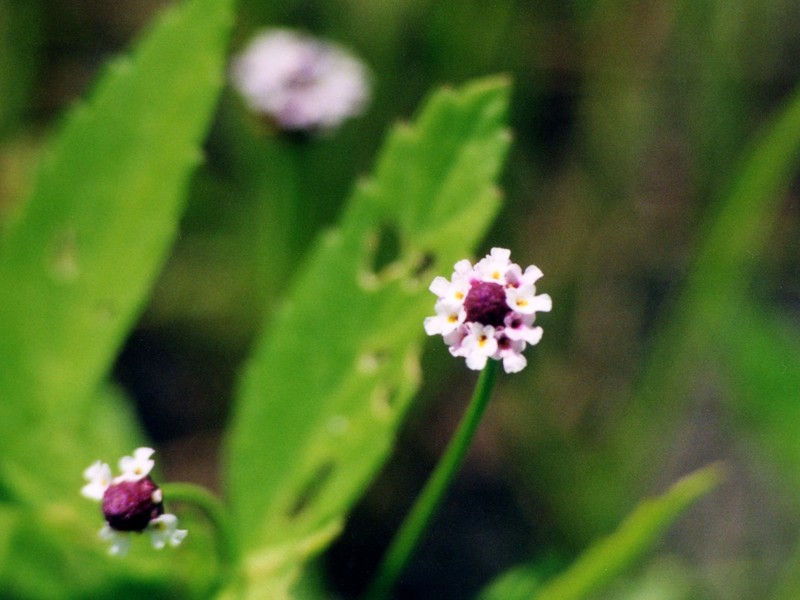
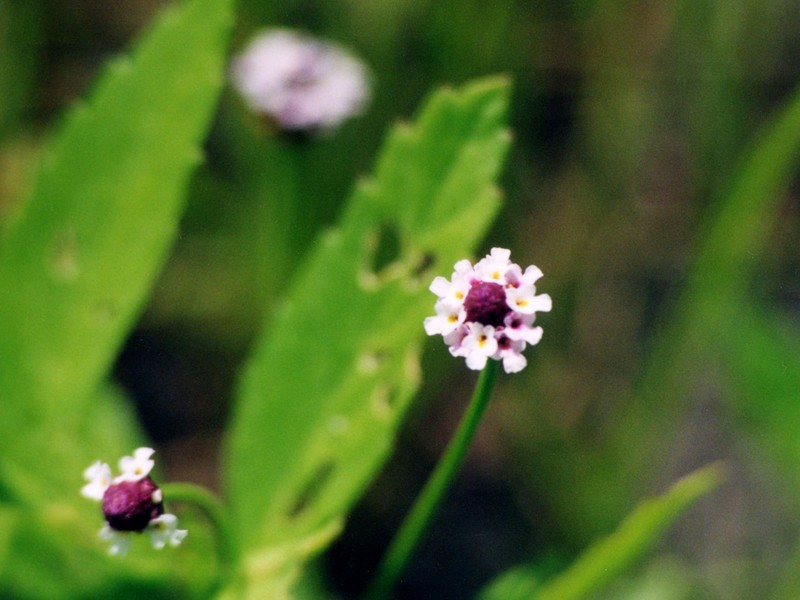
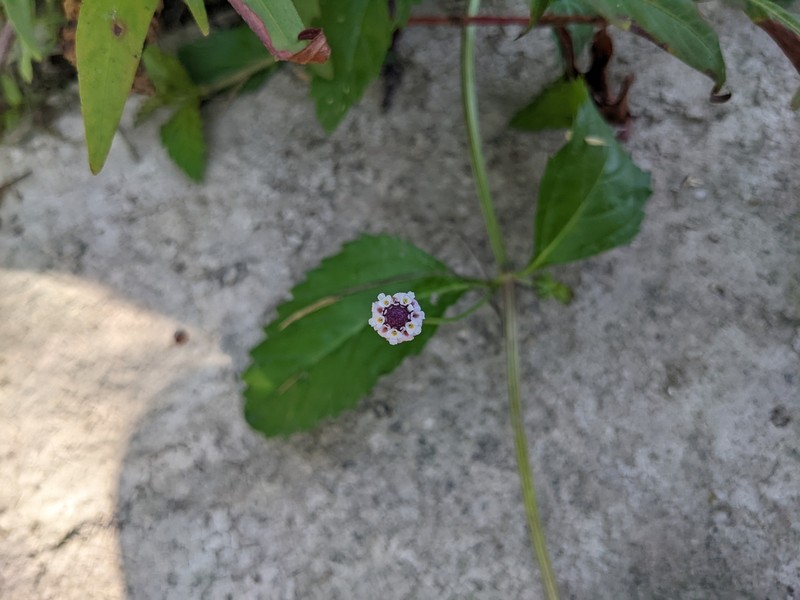
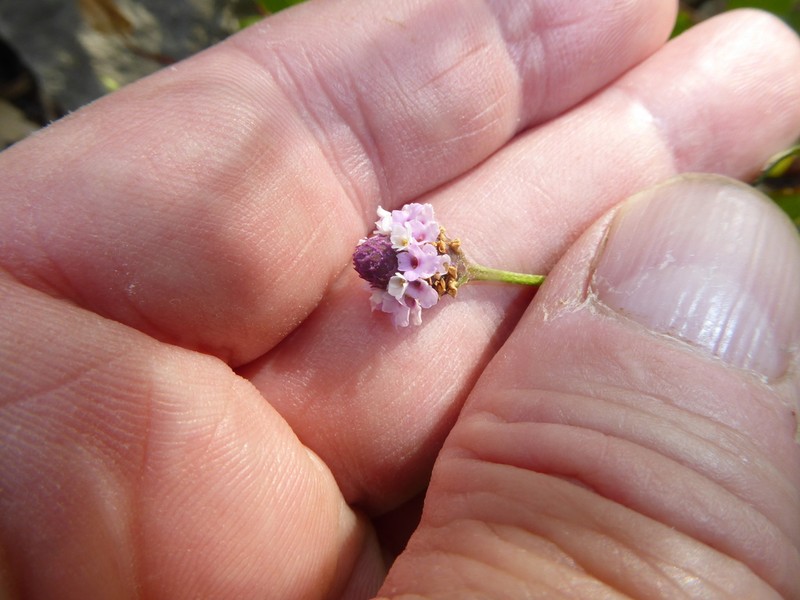
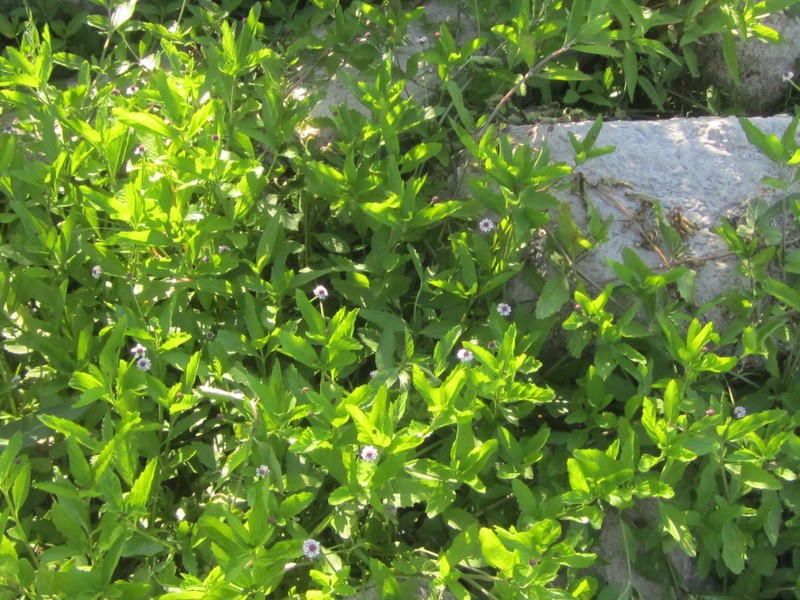
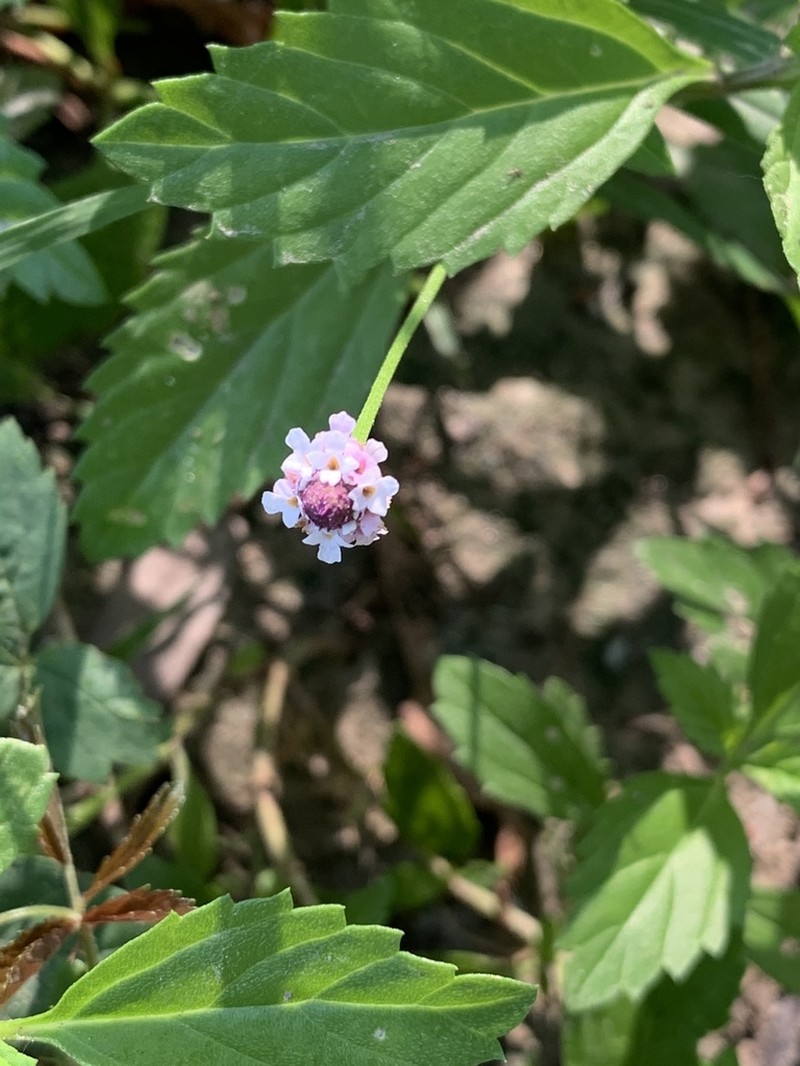
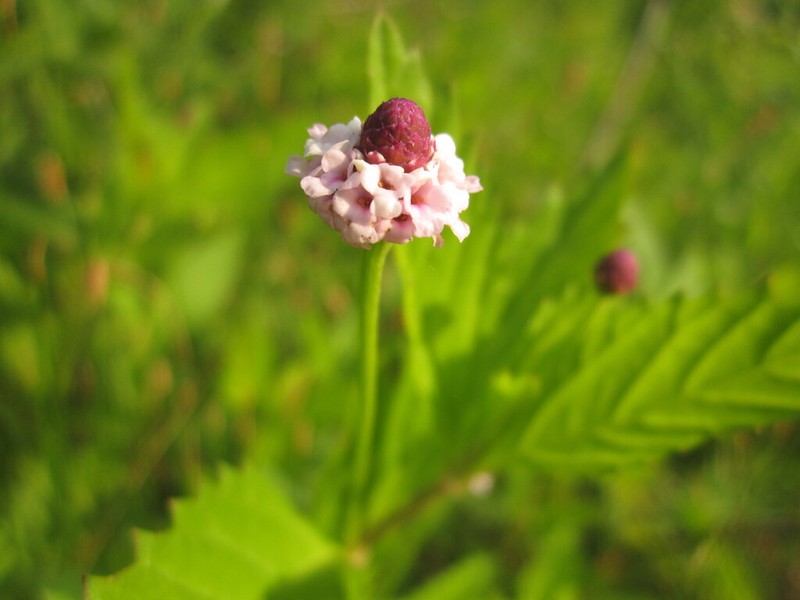
Lanceleaf Fogfruit
Phyla lanceolata
- Native to:
- Canada, Mexico, United States, Virgin Islands
Jennifer Anderson
Taxonomy
- Division:
- Magnoliophyta | - Flowering plants
- Family:
- Verbenaceae
- Genus:
- Phyla
- Species:
- Phyla lanceolata
- USDA Symbol:
- PHLA3
Growth Characteristics
- Life Cycle:
- Perennial
- Growth Habit:
- Forb/herb
- Height:
- 30 cm
- Light Requirements:
- Full Sun
- Drought Tolerance:
- Low
- Bloom Months:
- may,jun,jul,aug,sep,oct
- Bloom Colors:
- white, pink, purple
- Ground Cover:
- Yes
- Lawn Substitute:
- Yes
Wildlife Benefits
- Bees:
- ★★☆☆☆ Documented bee visitation (GBIF)
- Butterflies & Moths:
- ★☆☆☆☆ Documented Lepidoptera association (GBIF)
- Caterpillars:
- ★☆☆☆☆ Recorded caterpillar host plant (HOSTS Database)
Host Plant for Caterpillars
Stenoptilodes taprobanes, Charidryas gorgone, Common Buckeye (Junonia coenia), Phaon Crescent (Phyciodes phaon)
Reported Fauna Sightings
Bees: American bumble bee (Bombus pensylvanicus), Common eastern bumble bee (Bombus impatiens) Butterflies:Checkered White (Pontia protodice), Pearl Crescent (Phyciodes tharos)
Garden & Ecology Notes
- Wildlife Value:
- butterflies, bees
- Deer Resistant:
- Yes
Soil Requirements
- Soil Type:
- moist, fertile, well-drained loam
- pH:
- 5.5 - 7.5 (slightly acidic to neutral)
- Drainage:
- tolerates poor drainage
- Moisture:
- consistently moist
- Notes:
- Commonly found in wet meadows and along stream banks
Propagation & Germination
- Stratification:
- None required
- Germination Time:
- 7–30 days
- Notes:
- Seeds germinate readily without pretreatment in warm, moist conditions.
Where to Buy
Nationwide Seller
- Prairie Moon Nursery (nursery and seeds)
- Native Plants Nursery (nursery)