
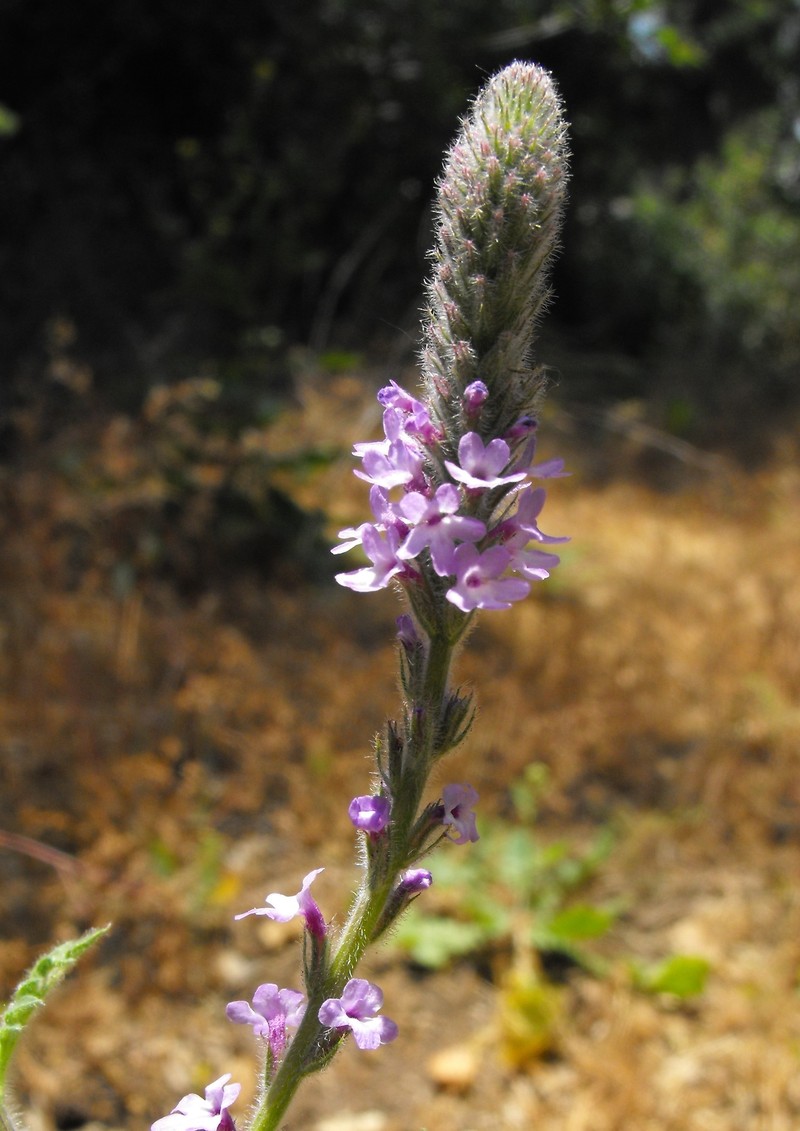
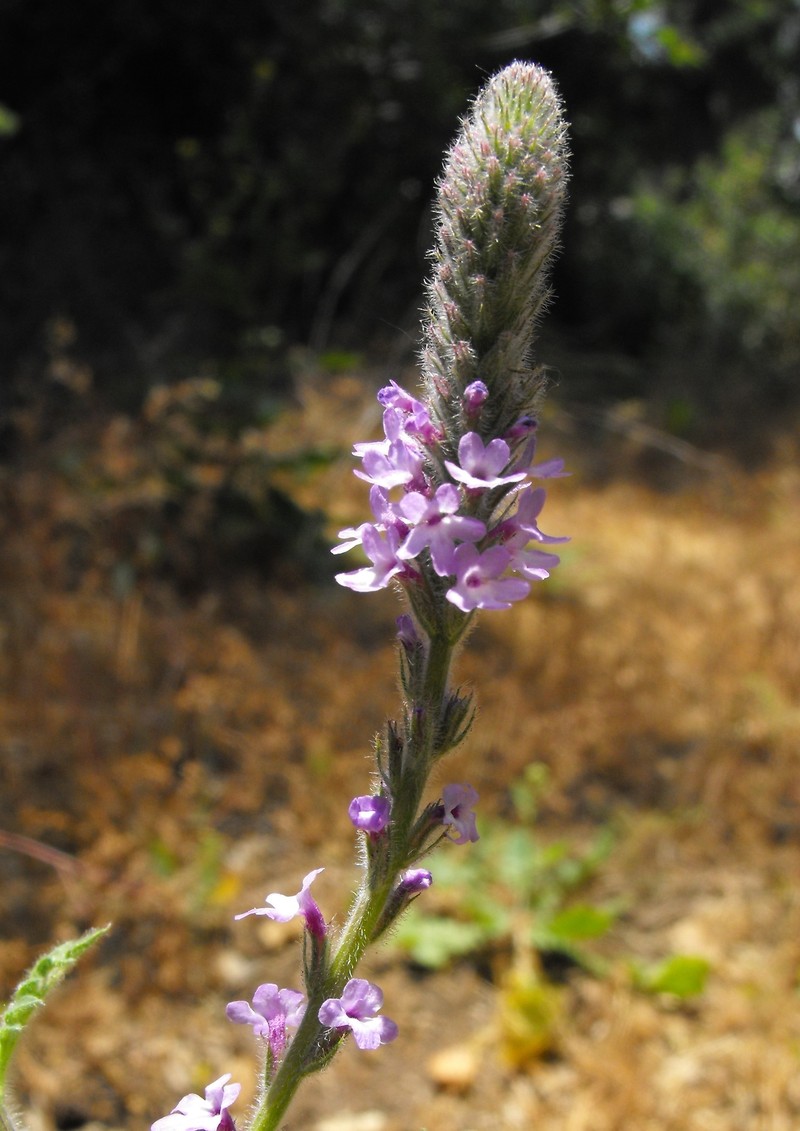
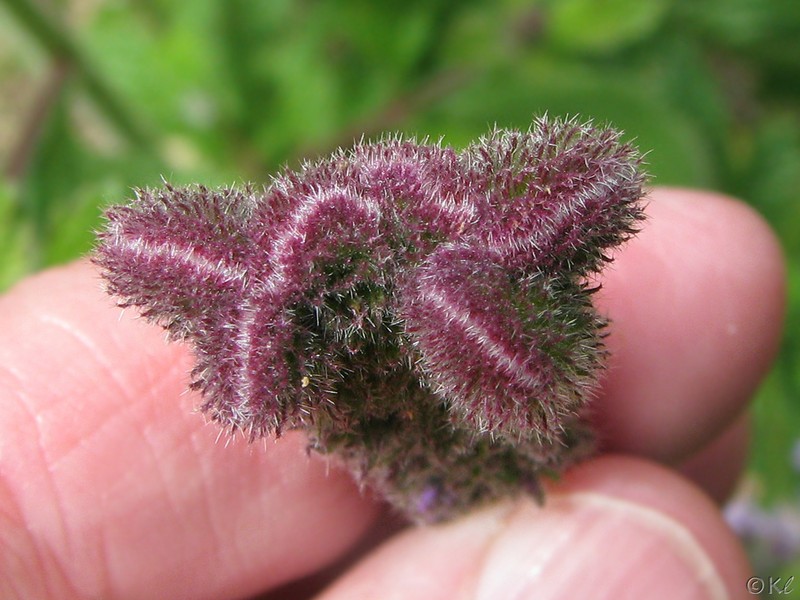
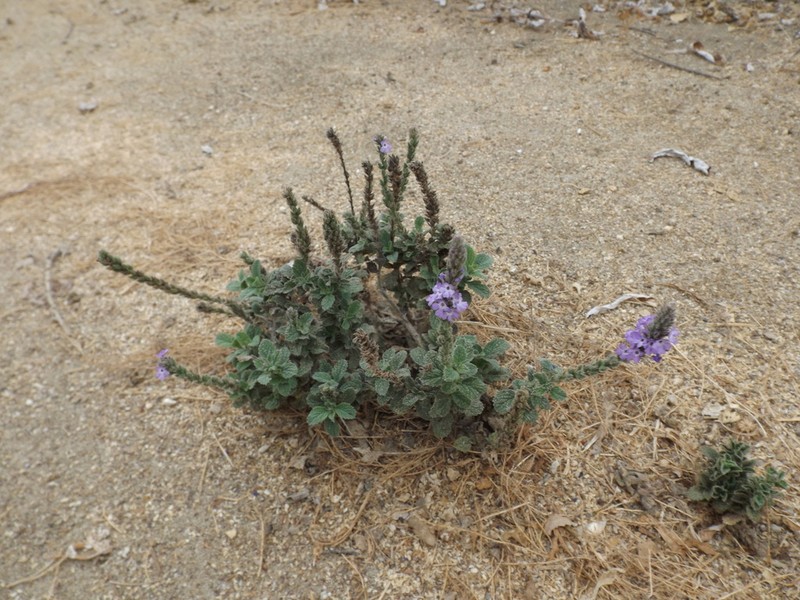
Western Vervain
Verbena lasiostachys
- Native to:
- Mexico, United States
Stickpen
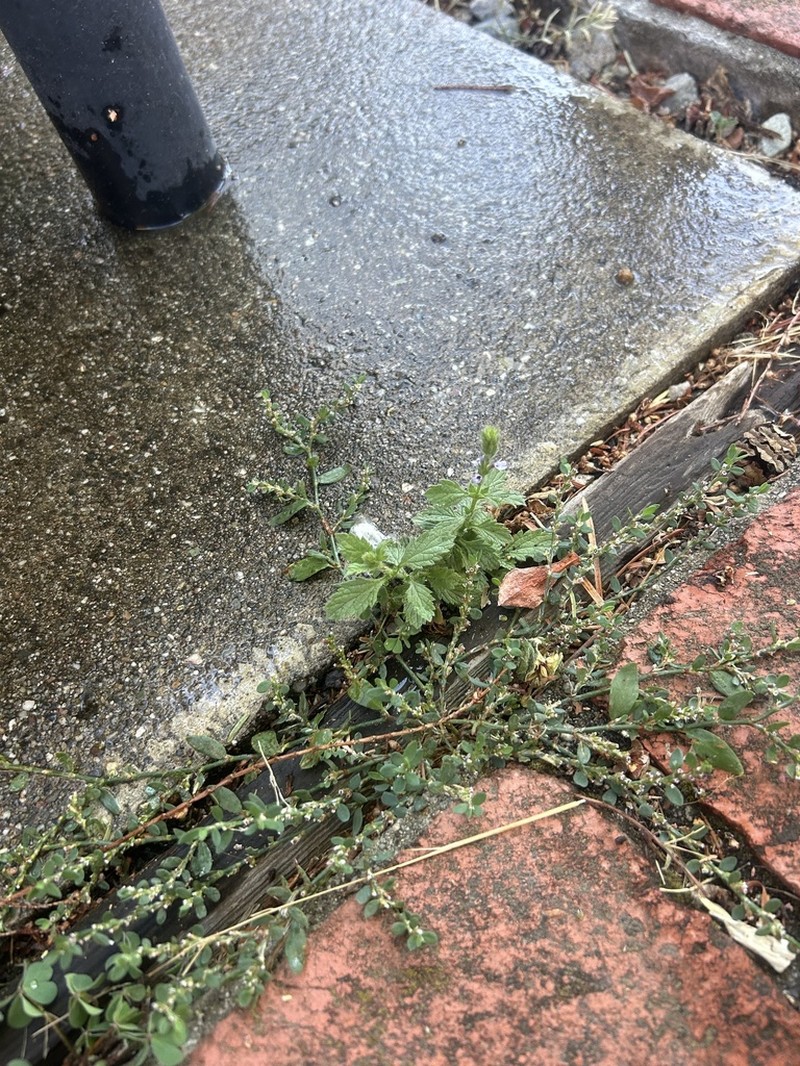
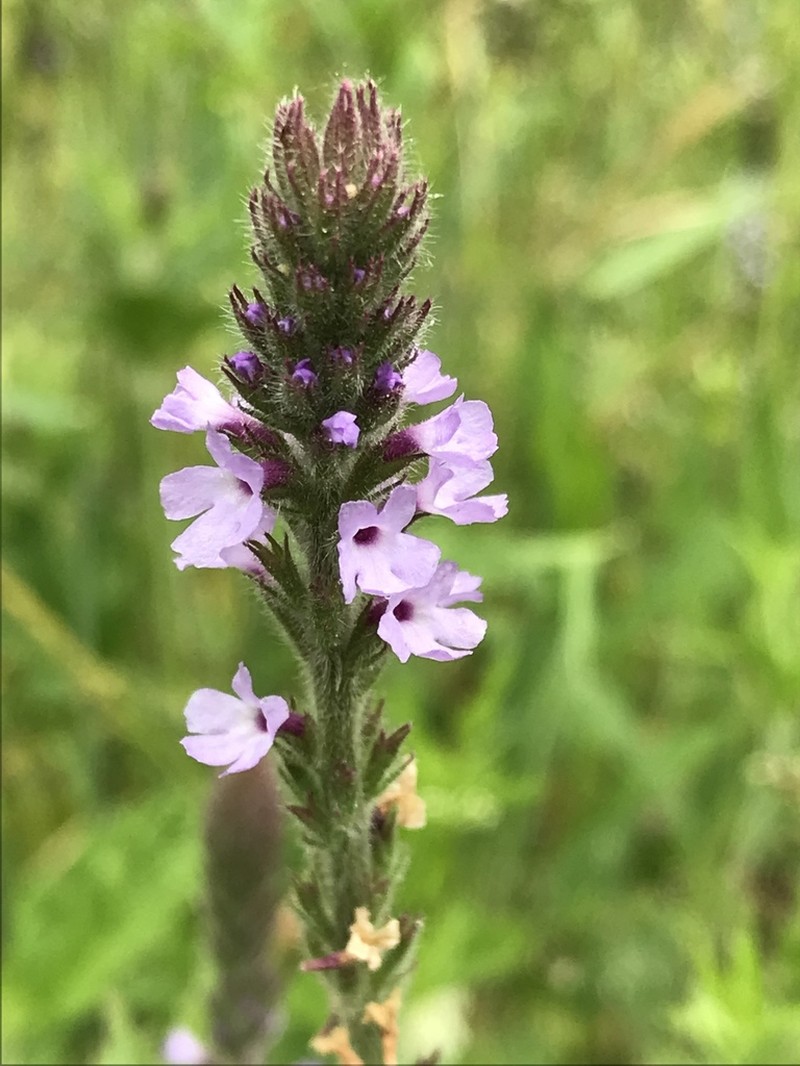
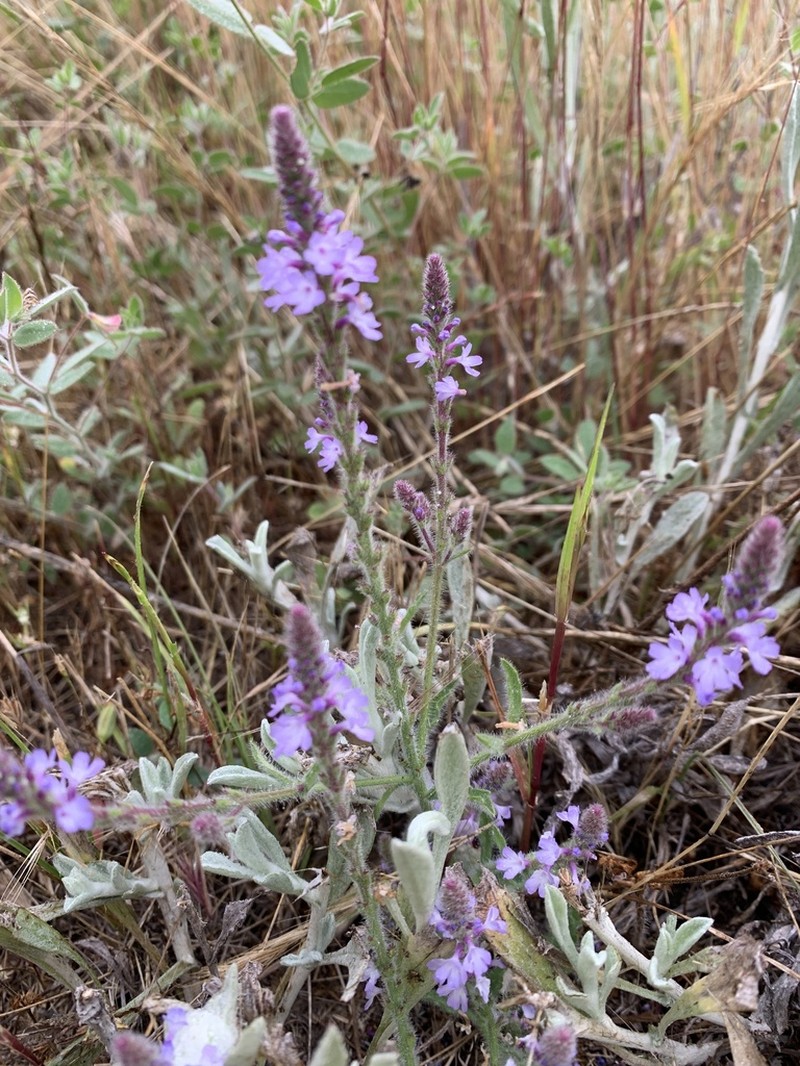
Taxonomy
- Division:
- Magnoliophyta | - Flowering plants
- Family:
- Verbenaceae
- Genus:
- Verbena
- Species:
- Verbena lasiostachys
- USDA Symbol:
- VELA
Growth Characteristics
- Life Cycle:
- Perennial
- Growth Habit:
- Forb/herb
- Height:
- 100 cm
- Light Requirements:
- Full Sun
- Drought Tolerance:
- Medium
- Bloom Months:
- apr,may,jun,jul,aug,sep
- Bloom Colors:
- purple, blue
Wildlife Benefits
- Bees:
- ★☆☆☆☆ Documented bee visitation (GBIF)
- Butterflies & Moths:
- ★☆☆☆☆ Documented Lepidoptera association (GBIF)
- Caterpillars:
- ★☆☆☆☆ Recorded caterpillar host plant (HOSTS Database)
Host Plant for Caterpillars
Catabena lineolata, Common Buckeye (Junonia coenia), Tropical Buckeye (Junonia evarete)
Reported Fauna Sightings
Bees: Black-tailed bumble (Bombus melanopygus) Butterflies:Icaricia acmon, Small White (Pieris rapae)
Garden & Ecology Notes
- Wildlife Value:
- bees, butterflies
Soil Requirements
- Soil Type:
- well-drained sandy or loamy soil
- pH:
- 6.0 - 7.5 (slightly acidic to neutral)
- Drainage:
- excellent drainage required
- Moisture:
- dry to moderate
- Notes:
- native to California, prefers open, sunny habitats
Propagation & Germination
- Stratification:
- Cold/moist stratification required — 30–60 days
- Germination Time:
- 14–30 days
- Notes:
- Seeds benefit from cold stratification for 30-60 days to break dormancy; surface sow on moist soil.
Pre-treatment: Seeds are surface sterilized with a 5% bleach solution for 5 minutes. Cold, moist stratification at 40°F for 6.5 weeks is optional.
Establishment: Seeds are collected when fully matured, typically in July and August. The plant is native to Oregon and California, including the Channel Islands. There is a variation in germination rates, and stratification is not always necessary for successful germination.
Source: npn.rngr.net