
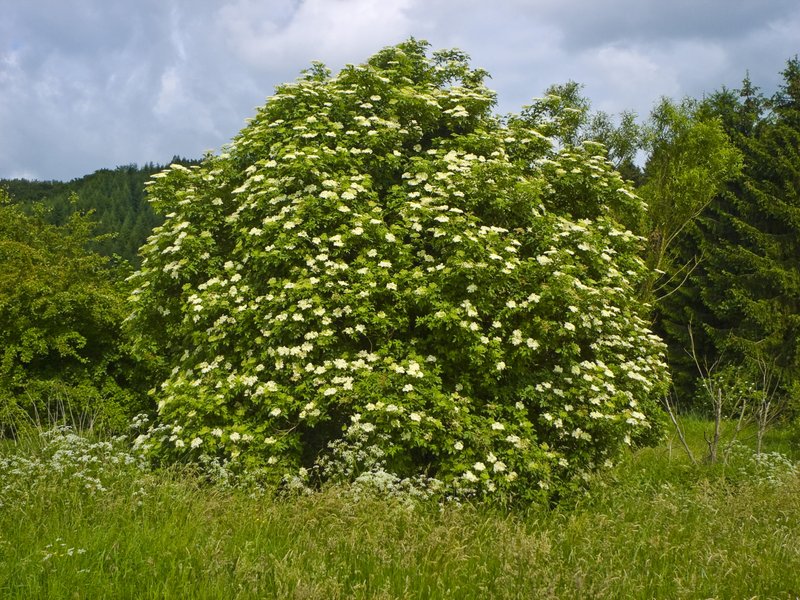
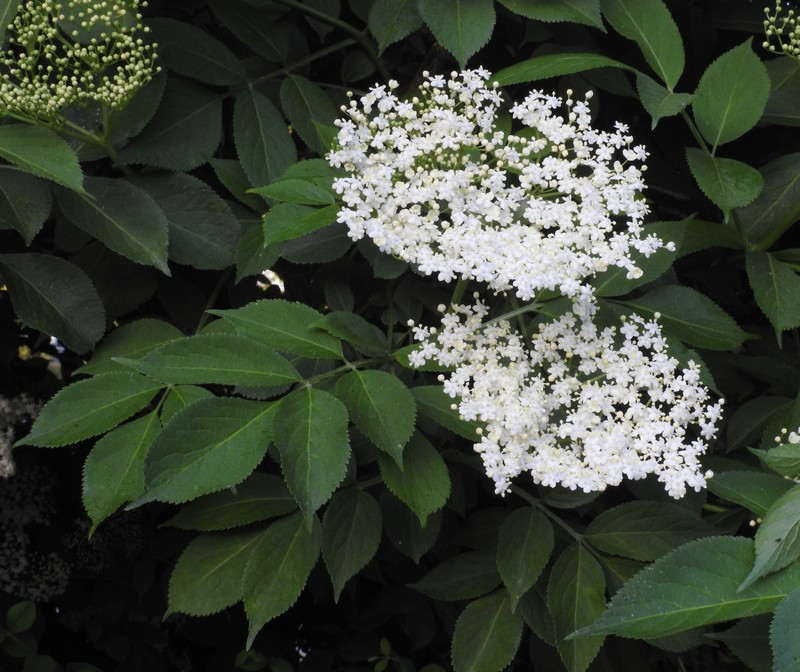
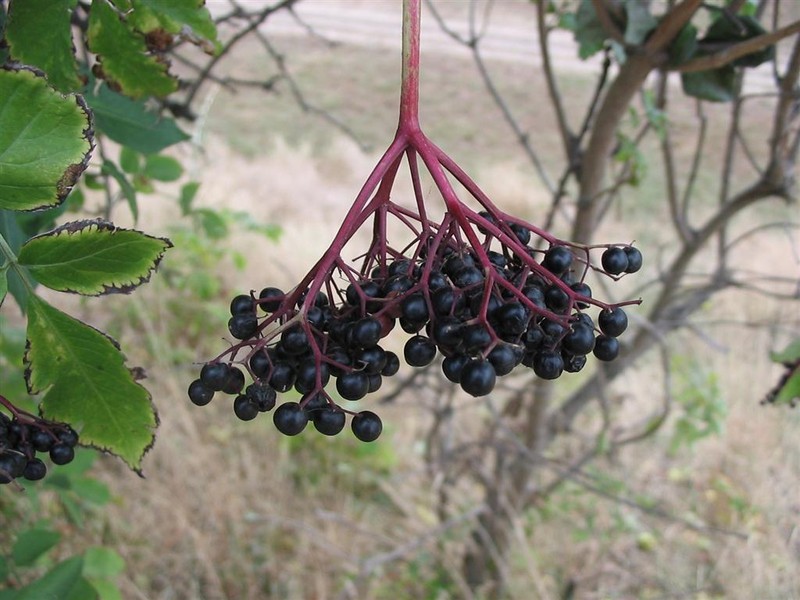
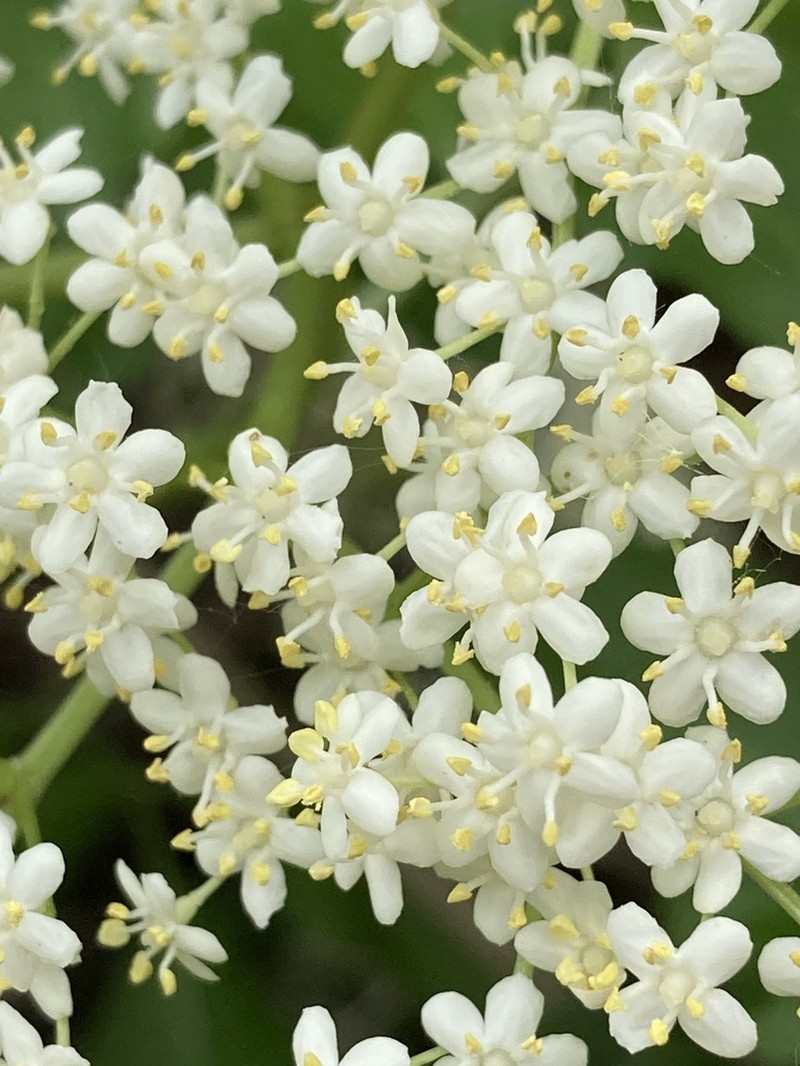
Black Elderberry
Sambucus nigra
- Native to:
- Albania, Austria, Azores, Baltic States, Belarus, Belgium, Bulgaria, Corse, Czechia-Slovakia, Denmark, France, Germany, Great Britain, Greece, Hungary, Iran, Iraq, Ireland, Italy, Krym, Lebanon-Syria, Netherlands, North Caucasus, NW. Balkan Pen., Palau, Palestine, Poland, Portugal, Puerto Rico, Romania, Russia, Sardegna, Sicilia, Spain, Switzerland, Transcaucasus, Türkiye, Türkiye-in-Europe, Ukraine, Virgin Islands
Willow
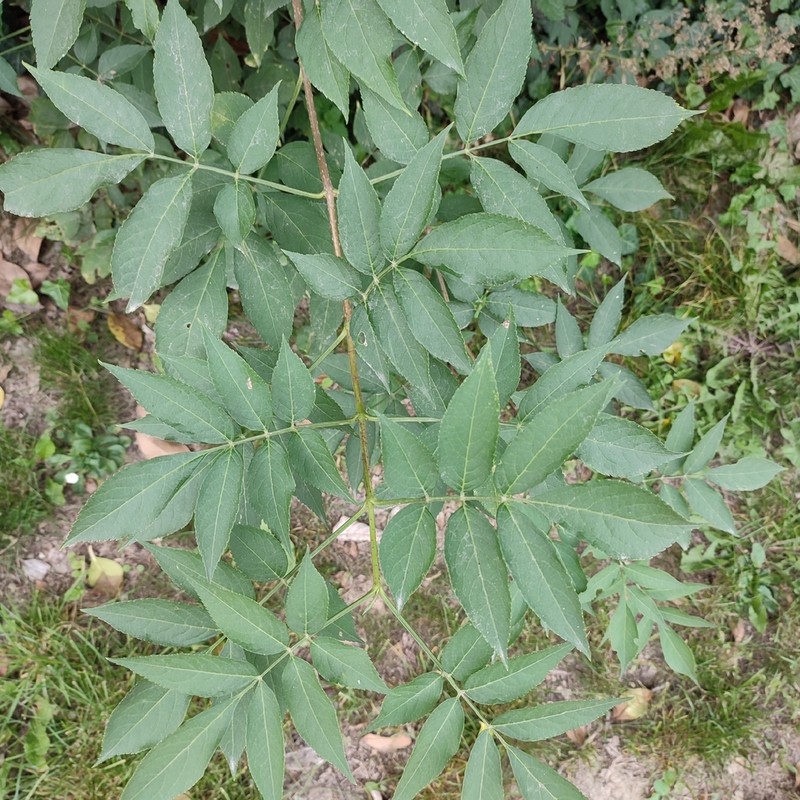
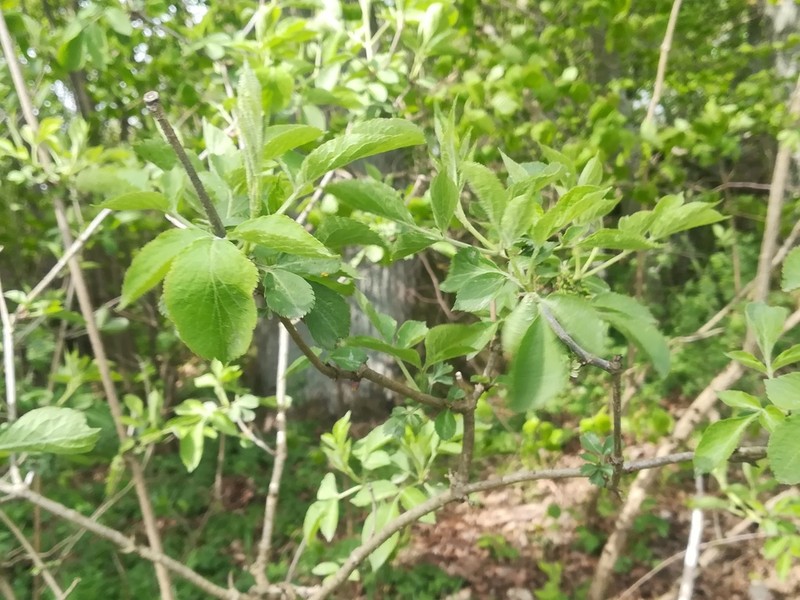
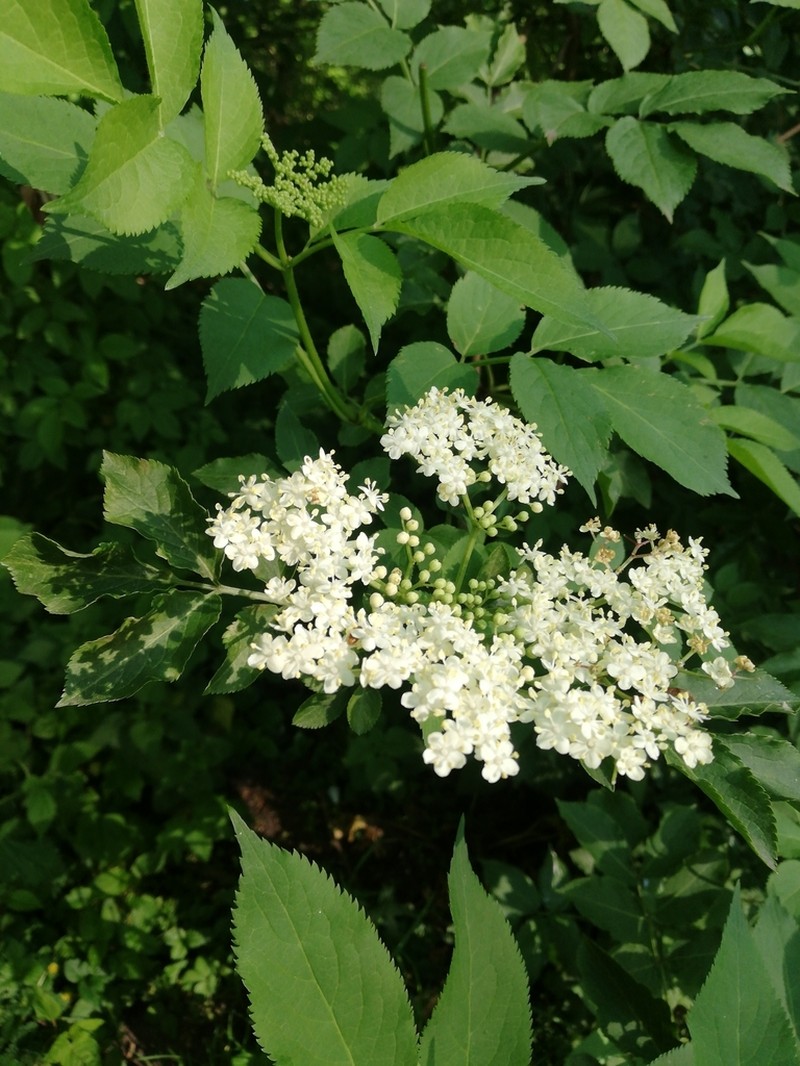
Taxonomy
- Division:
- Magnoliophyta | - Flowering plants
- Family:
- Viburnaceae
- Genus:
- Sambucus
- Species:
- Sambucus nigra
- USDA Symbol:
- SANI4
Growth Characteristics
- Life Cycle:
- Perennial
- Growth Habit:
- Shrub , Tree
- Height:
- 600 cm
- Light Requirements:
- Full Sun
- Drought Tolerance:
- Medium
- Bloom Months:
- may,jun,jul
- Bloom Colors:
- white, cream
- Landscaping Shrub:
- Yes
Wildlife Benefits
- Bees:
- ★★☆☆☆ Documented bee visitation (GBIF)
- Butterflies & Moths:
- ★★★☆☆ Documented Lepidoptera association (GBIF)
- Caterpillars:
- ★★★☆☆ Recorded caterpillar host plant (HOSTS Database)
- Hummingbirds:
- ★☆☆☆☆ Documented hummingbird visits (GBIF)
Keystone Species Ranking
- Caterpillar Keystone:
- ★★★☆☆ Butterfly & moth species supported by this genus (NWF)
Host Plant for Caterpillars
Acerra normalis, Achatodes zeae, Admetovis oxymorus, Alfalfa Looper (Autographa californica), Anaplectoides pressus, Attentive Dart (Eueretagrotis attentus), Brown-tail moth (Euproctis chrysorrhoea), Burdock Borer (Papaipema cataphracta), Callima argenticinctella, Catocaline Dart (Cryptocala acadiensis), Cecropia moth (Hyalophora cecropia), elder sallow (Zotheca tranquilla), Fall webworm (Hyphantria cunea), Feralia februalis, Gypsy moth (Lymantria dispar), Imperial Moth (Eacles imperialis), Paradiarsia littoralis, Phlyctaenia coronata, Proteoteras moffatiana, Smith's Dart (Xestia smithii), stalk borer moth (Papaipema nebris), Tetracis crocallata, Trichordestra tacoma, Unicorn caterpillar moth (Schizura unicornis), wheatear sallow (Lithophane fagina), White-marked Tussock Moth (Orgyia leucostigma), zebra caterpillar moth (Melanchra picta)
Reported Fauna Sightings
Moths:Fall webworm (Hyphantria cunea)
Garden & Ecology Notes
- Wildlife Value:
- birds, butterflies, small mammals
- Fragrant:
- Yes
Soil Requirements
- Soil Type:
- rich, well-drained loamy soil
- pH:
- 5.5 - 7.5 (slightly acidic to neutral)
- Drainage:
- tolerates poor drainage
- Moisture:
- consistently moist
- Notes:
- prefers fertile soils with high organic matter
Propagation & Germination
- Stratification:
- Cold/moist stratification required — 60–90 days
- Germination Time:
- 30–90 days
- Notes:
- Seeds require cold stratification for 2-3 months; germination may be slow and erratic.
Pre-treatment: Seeds require warm and cold stratification for 60 days, with some requiring .001 Molar Gibberellic Acid (GA 3). No scarification required.
Establishment: Seeds are collected from various sources, including local collectors and hand collection. Germination typically occurs in the spring after an overwinter period of cool, moist natural stratification. The length of the establishment phase varies, but is typically 1 month after emergence in the spring or 4-6 months including the natural stratification period.
Source: npn.rngr.net
ORGHPS Germination Guide: Sow @ 20C 6 wks then 4C 6 wks then slowly raise to 10C 6 wks. Repeat if no germination.
Where to Buy
Nationwide Seller
- Sheffield's Seed (seeds)
- Wild Seed Project (seeds)