
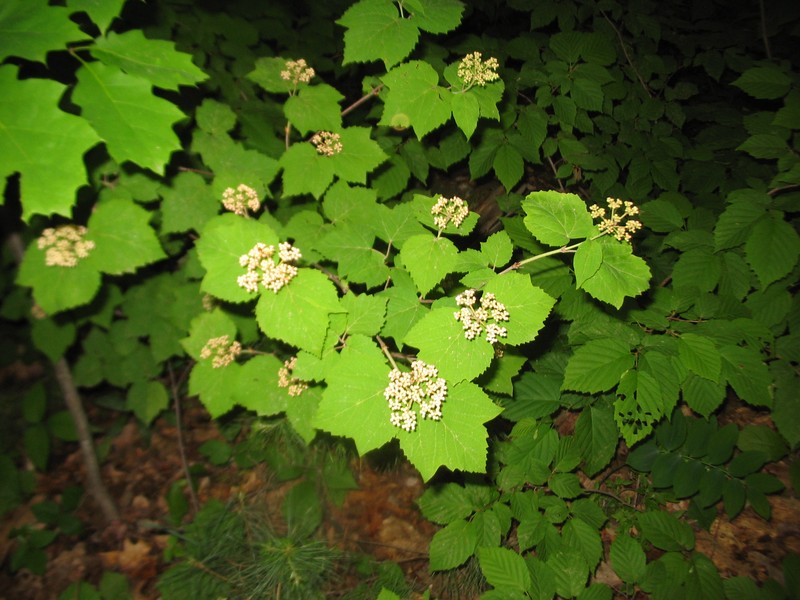
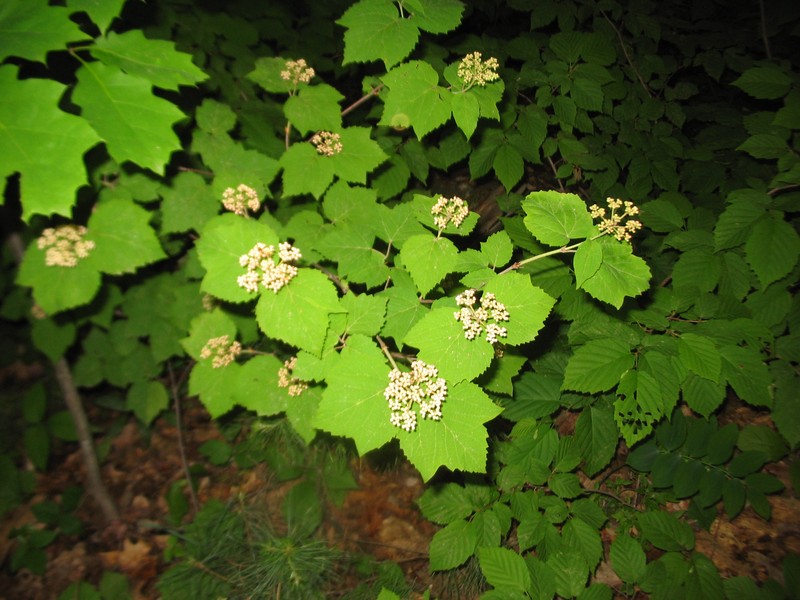
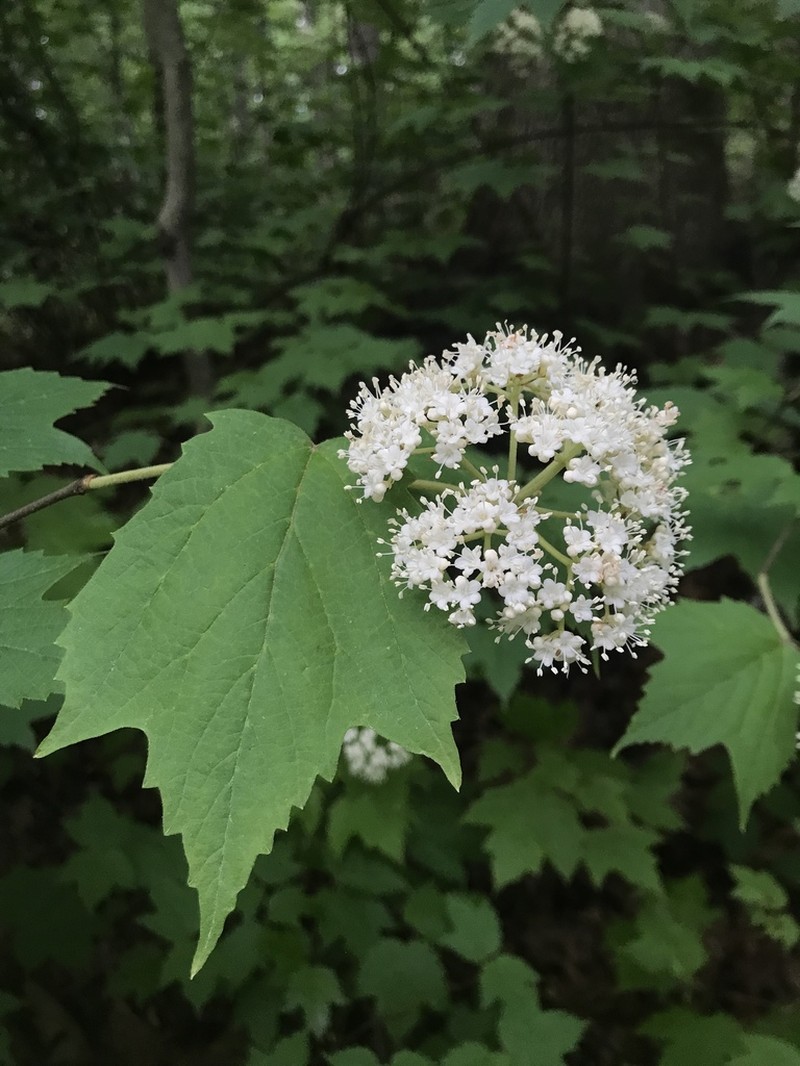
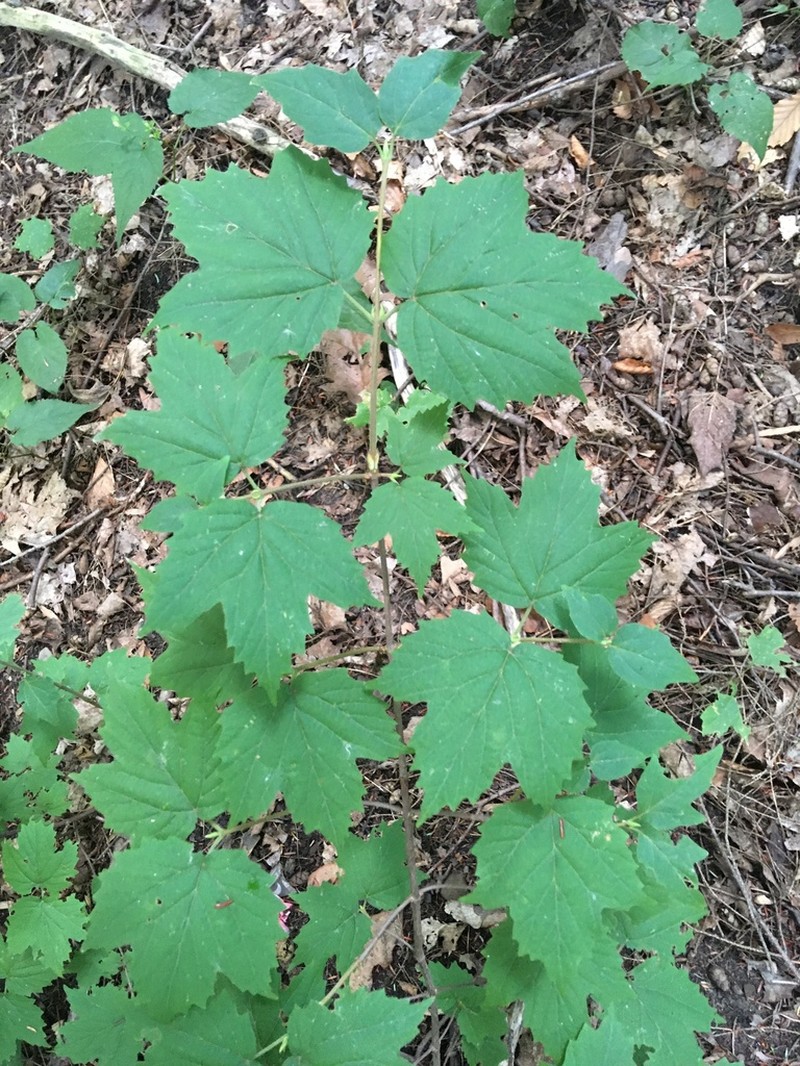
Mapleleaf Viburnum
Viburnum acerifolium
- Native to:
- Canada, United States, Virgin Islands
Jomegat
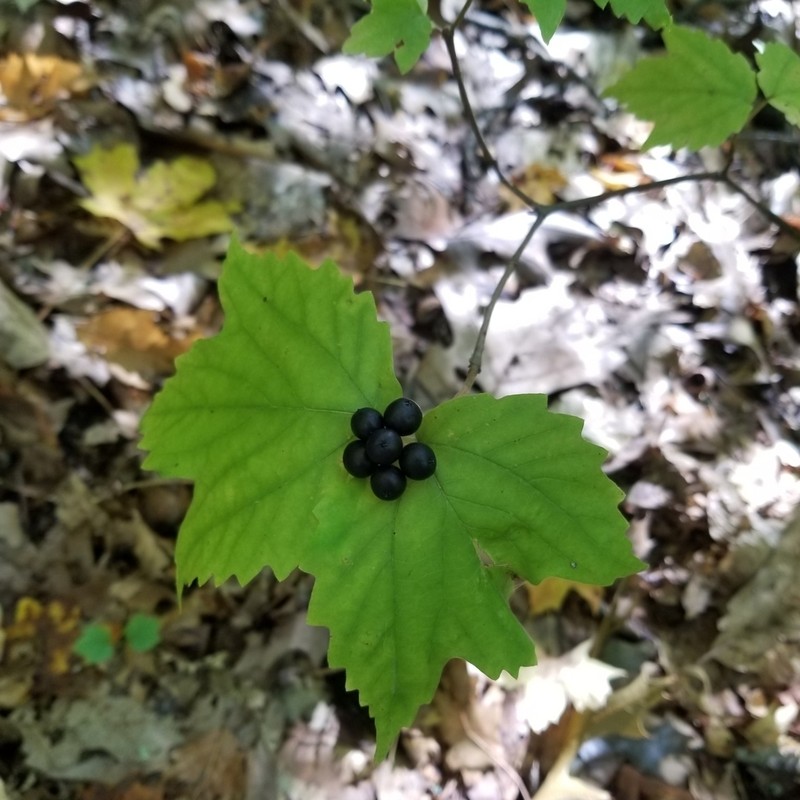
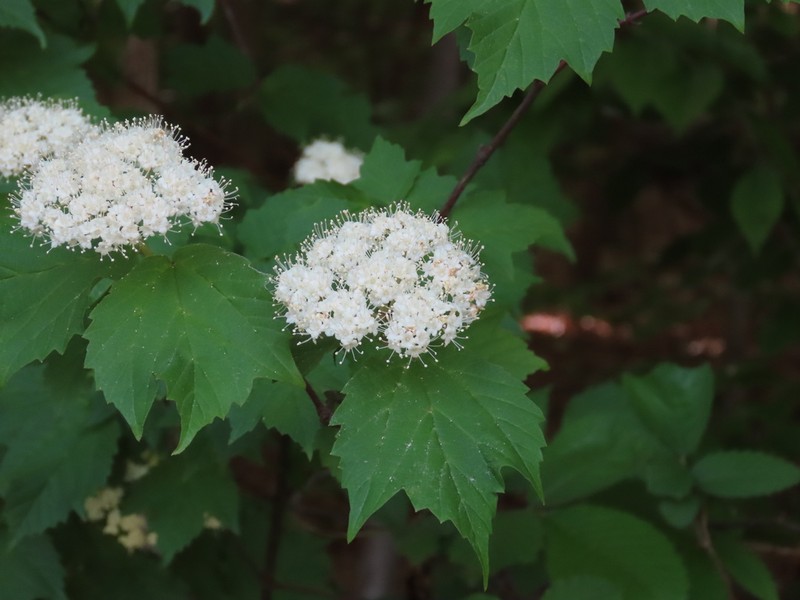
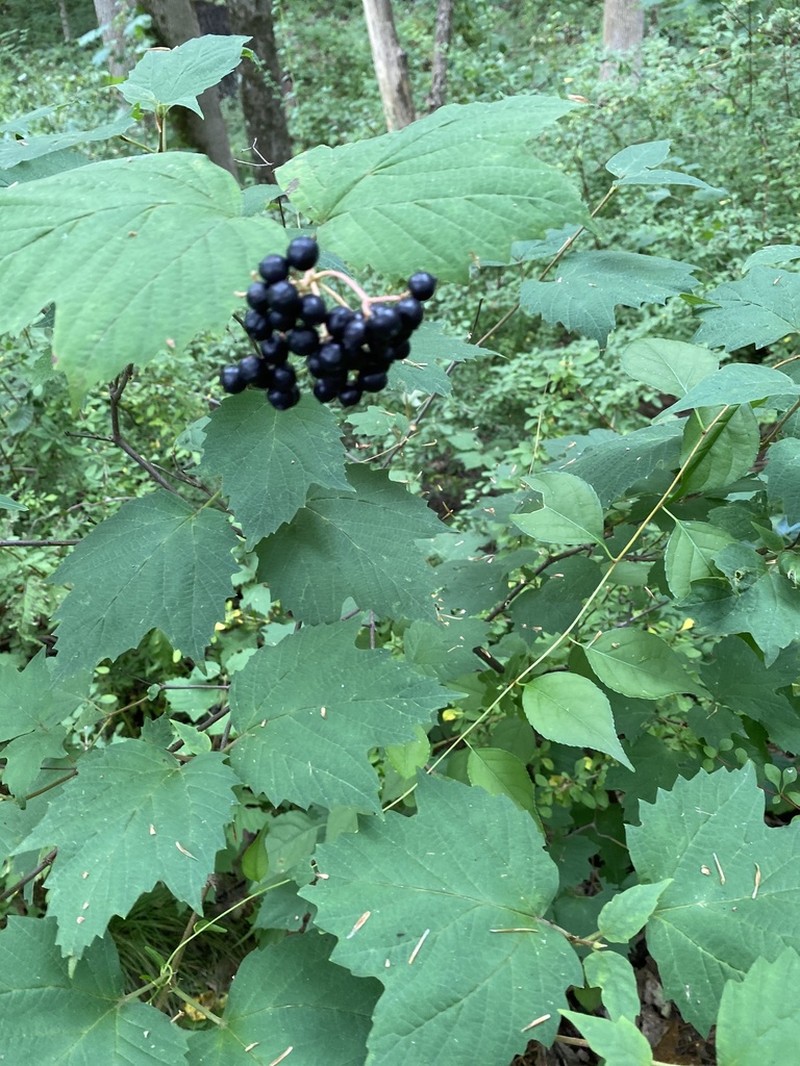
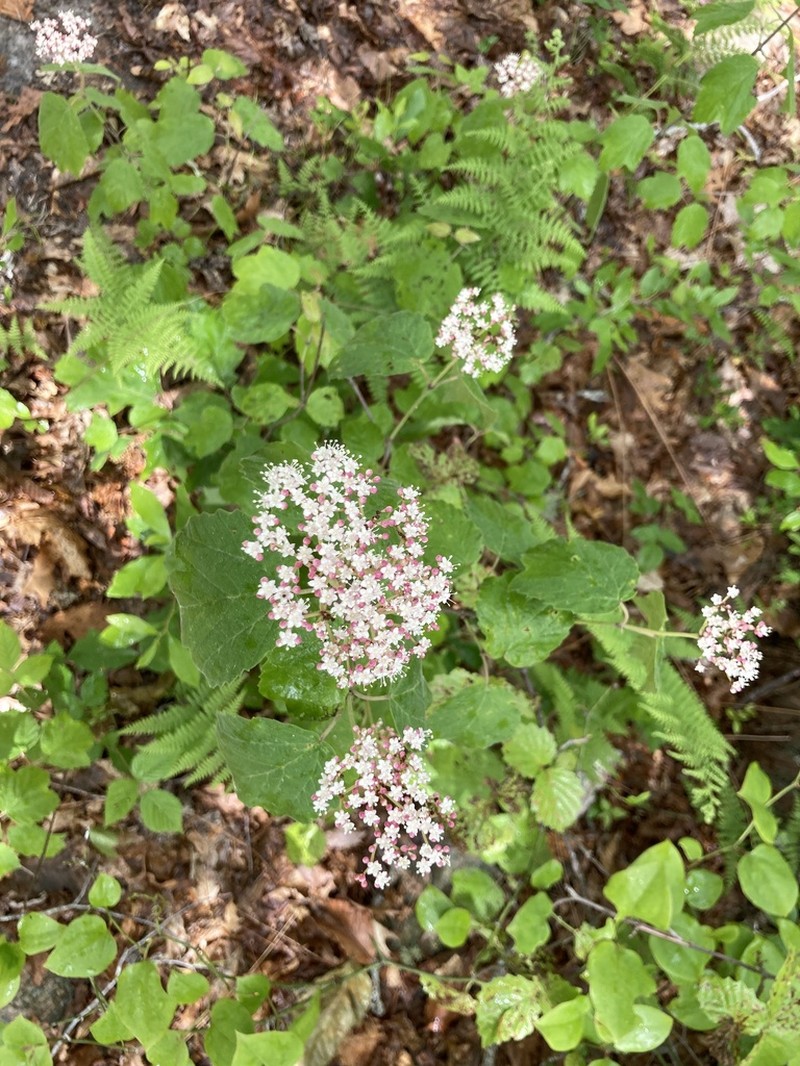
Taxonomy
- Division:
- Magnoliophyta | - Flowering plants
- Family:
- Viburnaceae
- Genus:
- Viburnum
- Species:
- Viburnum acerifolium
- USDA Symbol:
- VIAC
Growth Characteristics
- Life Cycle:
- Perennial
- Growth Habit:
- Shrub , Subshrub
- Height:
- 183 cm
- Light Requirements:
- Full Sun,Part Shade,Shade
- Drought Tolerance:
- Medium
- Bloom Months:
- apr,may,jun
- Bloom Colors:
- white
- Landscaping Shrub:
- Yes
Wildlife Benefits
- Butterflies & Moths:
- ★☆☆☆☆ Documented Lepidoptera association (GBIF)
- Caterpillars:
- ★☆☆☆☆ Recorded caterpillar host plant (HOSTS Database)
Keystone Species Ranking
- Caterpillar Keystone:
- ★★★★★ Butterfly & moth species supported by this genus (NWF)
Host Plant for Caterpillars
Gypsy moth (Lymantria dispar), Pink Prominent (Hyparpax aurora), rose hooktip moth (Oreta rosea), Henry's Elfin (Incisalia henrici), Holly Blue (Celastrina argiolus)
Reported Fauna Sightings
Moths:Marmara viburnella, rose hooktip moth (Oreta rosea)
Garden & Ecology Notes
- Wildlife Value:
- birds, butterflies, small mammals
- Fall Color:
- red, purple
Soil Requirements
- Soil Type:
- rich, well-drained loamy soil
- pH:
- 5.5 - 6.5 (slightly acidic to neutral)
- Drainage:
- tolerates poor drainage
- Moisture:
- consistently moist
- Notes:
- prefers shaded woodland environments
Propagation & Germination
- Stratification:
- Cold/moist stratification required — 60–90 days
- Germination Time:
- 30–60 days
- Notes:
- Seeds require cold stratification for 60-90 days to break dormancy.
Pre-treatment: Not given
Establishment: The provided protocol lacks specific information on propagation source, pre-treatment, establishment protocol, temperature, germination rate, and germination time range for Andromeda polifolia.
Source: npn.rngr.net
Where to Buy
Nationwide Seller
- Sheffield's Seed (seeds)