
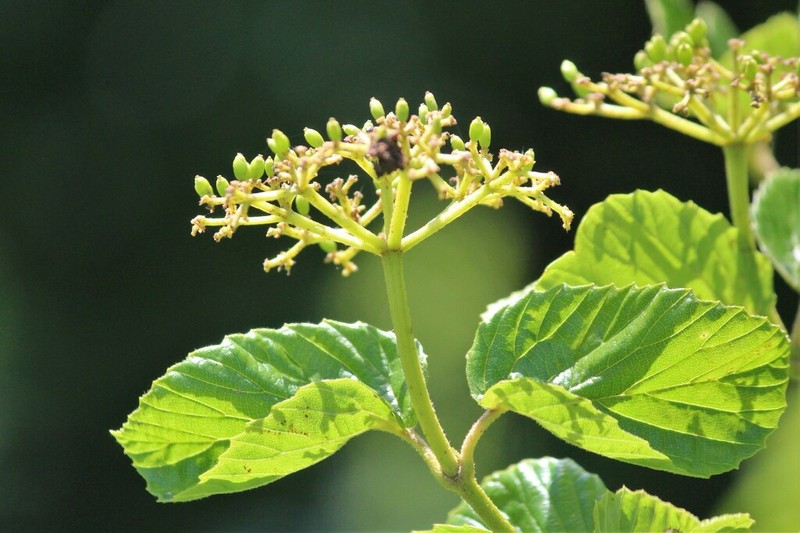
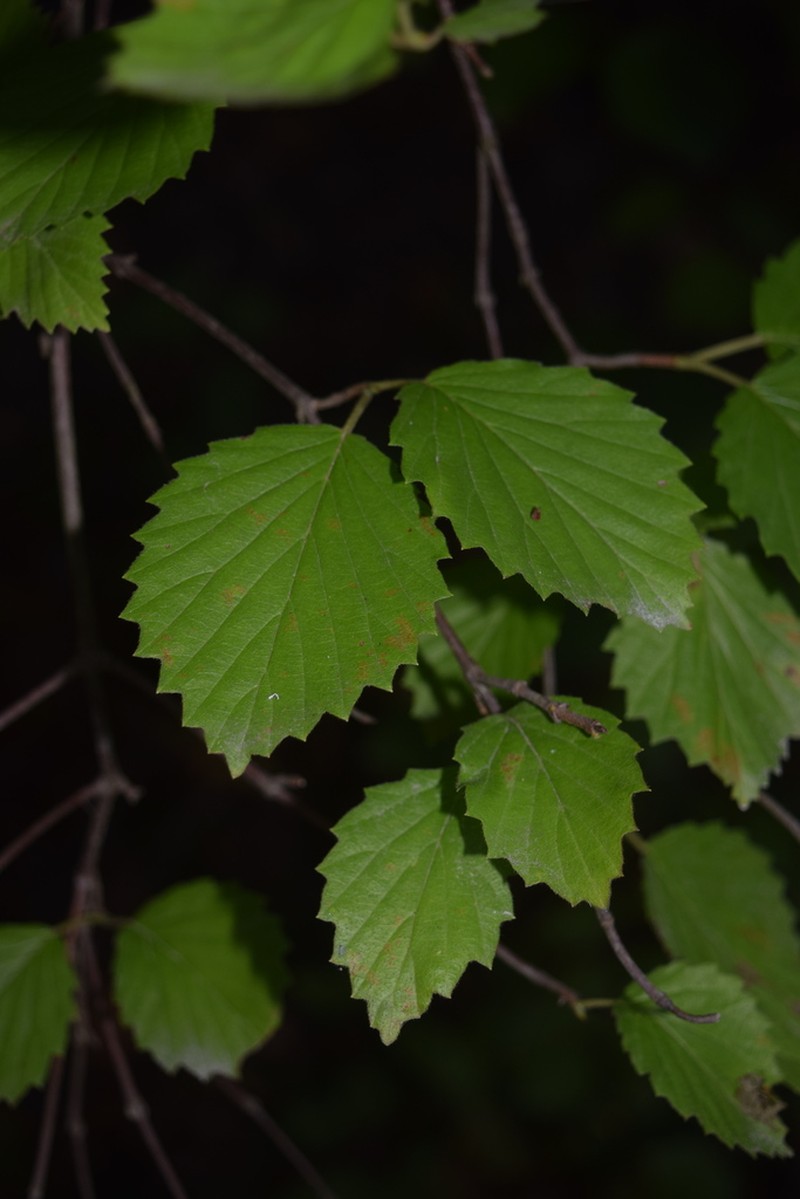
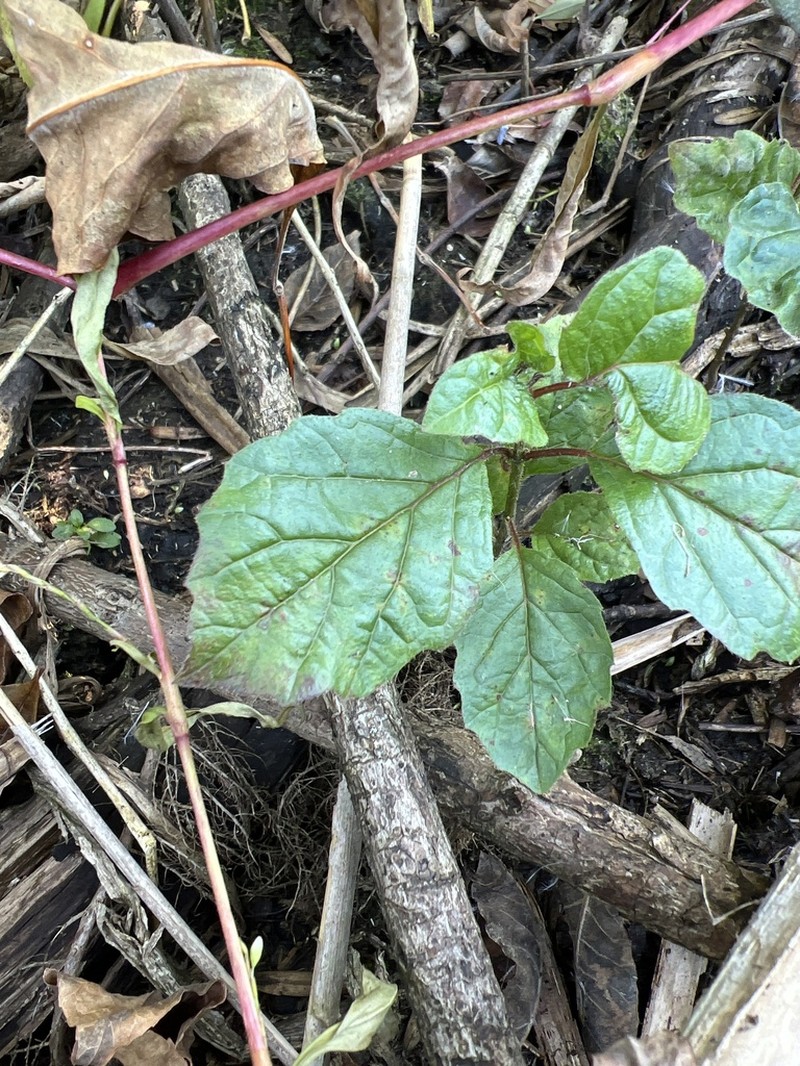
Southern Arrowwood
Viburnum dentatum
- Native to:
- United States, Virgin Islands
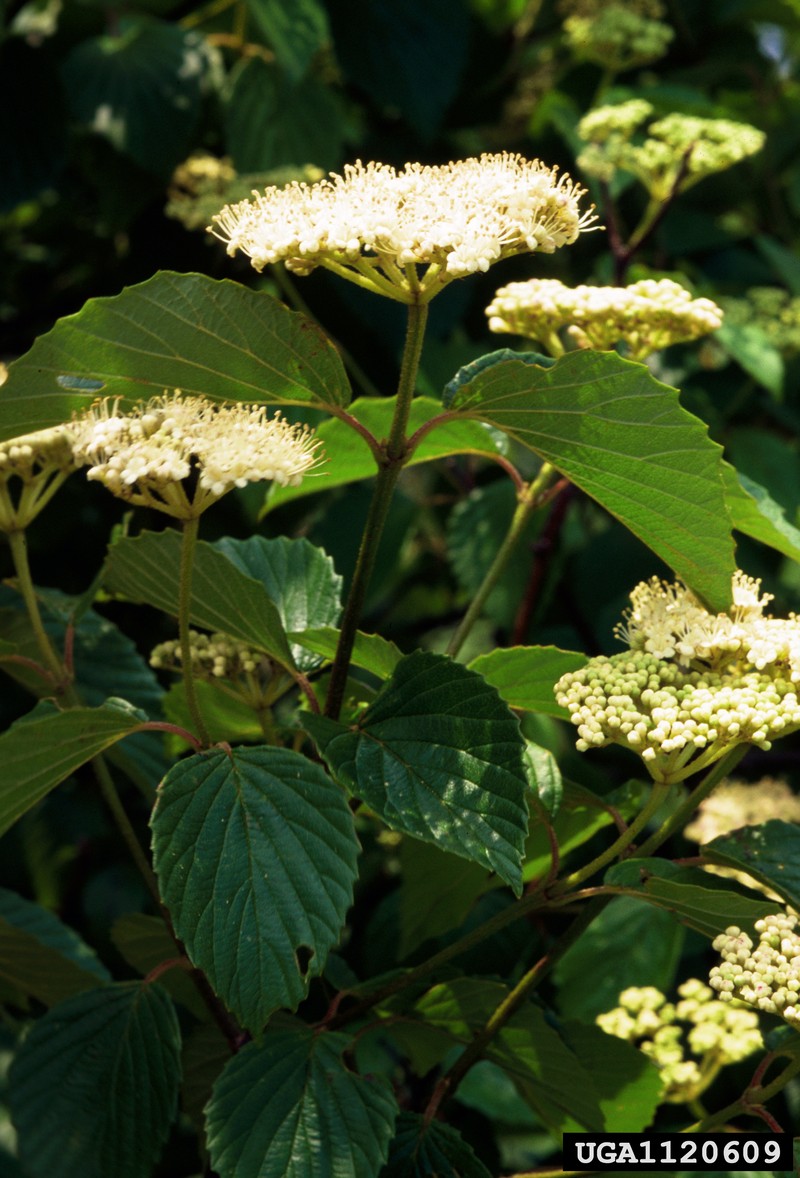
Ted Bodner, Southern Weed Science Society/James H. Miller, USDA Forest Service
Taxonomy
- Division:
- Magnoliophyta | - Flowering plants
- Family:
- Viburnaceae
- Genus:
- Viburnum
- Species:
- Viburnum dentatum
- USDA Symbol:
- VIDE
Growth Characteristics
- Life Cycle:
- Perennial
- Growth Habit:
- Shrub , Tree
- Height:
- 366 cm
- Light Requirements:
- Full Sun,Part Shade,Shade
- Drought Tolerance:
- Medium
- Bloom Months:
- may,jun,jul
- Bloom Colors:
- white
- Landscaping Shrub:
- Yes
Wildlife Benefits
- Bees:
- ★☆☆☆☆ Documented bee visitation (GBIF)
- Butterflies & Moths:
- ★★☆☆☆ Documented Lepidoptera association (GBIF)
- Caterpillars:
- ★★★☆☆ Recorded caterpillar host plant (HOSTS Database)
Keystone Species Ranking
- Caterpillar Keystone:
- ★★★★★ Butterfly & moth species supported by this genus (NWF)
Host Plant for Caterpillars
Agriopodes fallax, Anacampsis rhoifructella, Azalea sphinx (Darapsa choerilus), Cecropia moth (Hyalophora cecropia), Copper Underwing (Amphipyra pyramidoides), Euplexia benesimilis, Glyptocera consobrinella, gray dagger moth (Acronicta grisea), Hummingbird Clearwing (Hemaris thysbe), Imperial Moth (Eacles imperialis), Io moth (Automeris io), Isabella tiger moth (Pyrrharctia isabella), Larger Viburnum Clearwing (Synanthedon viburni), Metaxaglaea inulta, Phyllonorycter viburnella, Pink Prominent (Hyparpax aurora), Baltimore checkerspot (Euphydryas phaeton), Holly Blue (Celastrina argiolus)
Reported Fauna Sightings
Bees: Eastern Carpenter Bee (Xylocopa virginica), Two-spotted Longhorn (Melissodes bimaculatus), ⚠️Western honey bee (Apis mellifera) Moths:Hummingbird Clearwing (Hemaris thysbe), Marmara viburnella, Phyllonorycter viburnella
Garden & Ecology Notes
- Wildlife Value:
- birds, butterflies, small mammals
- Fall Color:
- yellow, red, purple
Soil Requirements
- Soil Type:
- moist, well-drained loamy soil
- pH:
- 5.5 - 6.5 (slightly acidic to neutral)
- Drainage:
- tolerates poor drainage
- Moisture:
- consistently moist
- Notes:
- Commonly found in wetlands and forest edges
Propagation & Germination
- Stratification:
- Cold/moist stratification required — 60–90 days
- Germination Time:
- 30–60 days
- Notes:
- Seeds require cold stratification for 60-90 days to break dormancy.
Pre-treatment: Seeds are planted in late October using a Love seeder set at 3rd gear at 10 setting into prepared field beds.
Establishment: Seeds are collected from local people within a 50 mile radius of the nursery. Fruits are red at maturity and ripen during fall months. The plant is found from Massachusetts south to Florida and east to Texas, as well as Maine to Illinois. It is found in moist or dry sandy soils.
Source: npn.rngr.net
Where to Buy
Nationwide Seller
- Sheffield's Seed (seeds)