
Nannyberry
Viburnum lentago
- Native to:
- Canada, United States, Virgin Islands
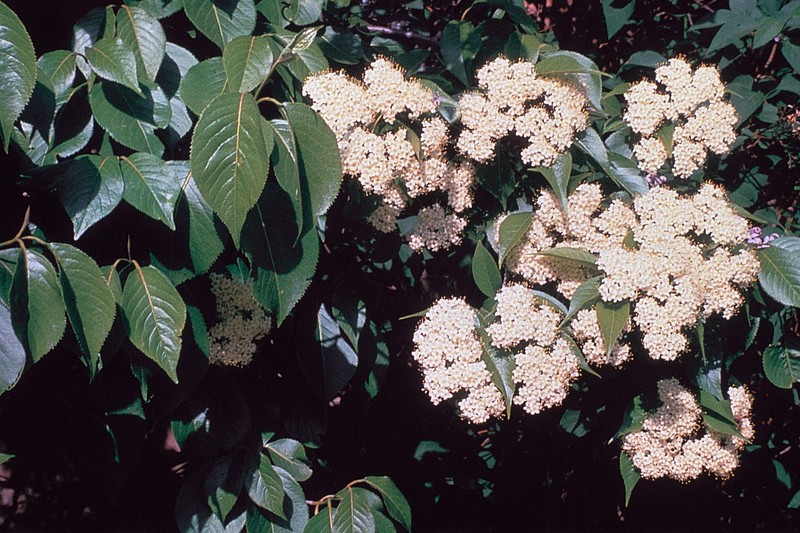
Herman, D.E., et al. 1996. North Dakota tree handbook. USDA NRCS ND State Soil Conservation Committee; NDSU Extension and Western Area Power Administration, Bismarck. Courtesy of ND State Soil Conservation Committee. Provided by USDA NRCS ND State Office.
Taxonomy
- Division:
- Magnoliophyta | - Flowering plants
- Family:
- Viburnaceae
- Genus:
- Viburnum
- Species:
- Viburnum lentago
- USDA Symbol:
- VILE
Growth Characteristics
- Life Cycle:
- Perennial
- Growth Habit:
- Shrub , Tree
- Height:
- 900 cm
- Light Requirements:
- Full Sun,Part Shade,Shade
- Drought Tolerance:
- Medium
- Bloom Months:
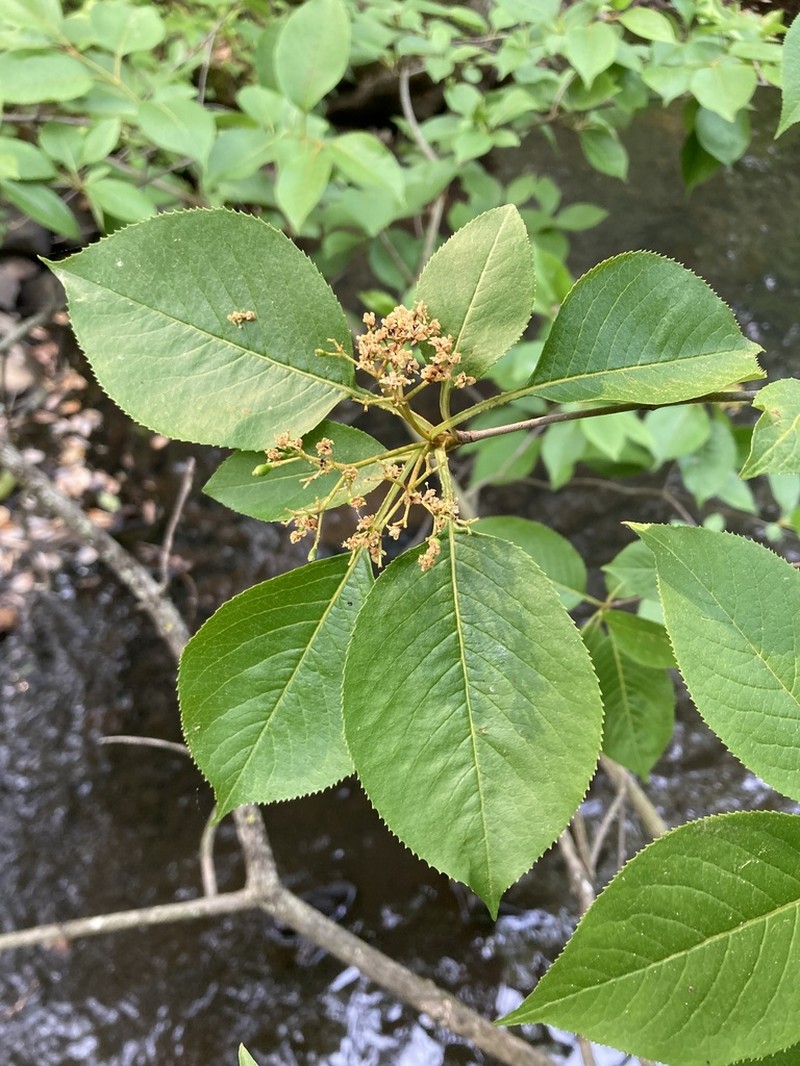
- may,jun
- Bloom Colors:
- white
- Landscaping Shrub:
- Yes
Wildlife Benefits
- Bees:
- ★☆☆☆☆ Documented bee visitation (GBIF)
- Butterflies & Moths:
- ★★★☆☆ Documented Lepidoptera association (GBIF)
- Caterpillars:
- ★★★☆☆ Recorded caterpillar host plant (HOSTS Database)
Keystone Species Ranking
- Caterpillar Keystone:
- ★★★★★ Butterfly & moth species supported by this genus (NWF)
Host Plant for Caterpillars
Garden & Ecology Notes
- Wildlife Value:
- birds, butterflies, small mammals
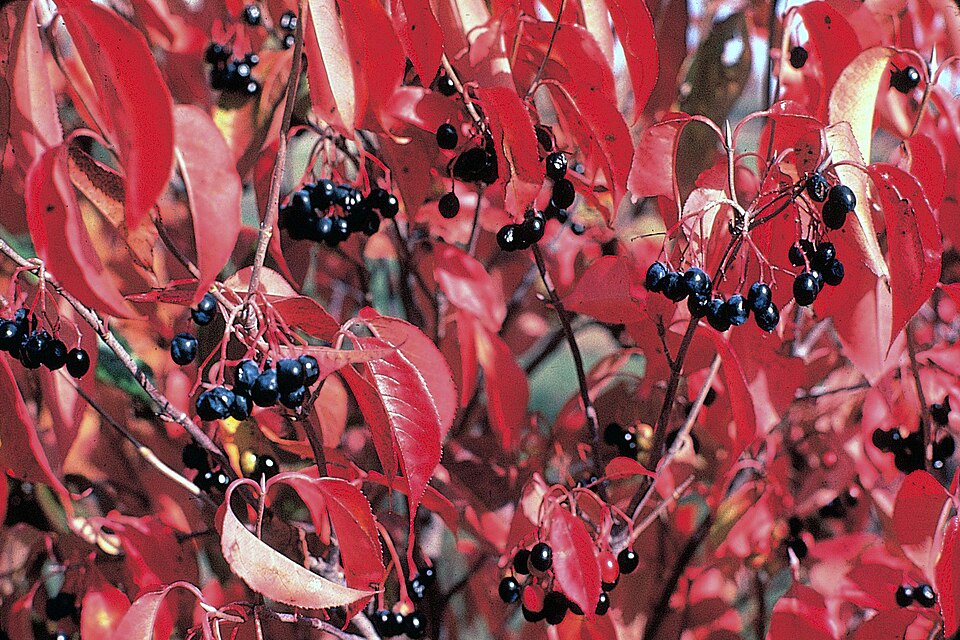
- Fall Color:
- red, purple
Soil Requirements
- Soil Type:
- rich, well-drained loamy soil
- pH:
- 5.5 - 7.5 (slightly acidic to neutral)
- Drainage:
- tolerates poor drainage
- Moisture:
- consistently moist
- Notes:
- Prefers fertile soils in native habitats
Propagation & Germination
- Stratification:
- Cold/moist stratification required — 60–90 days
- Germination Time:
- 30–60 days
- Notes:
- Seeds require cold stratification for 2-3 months to break dormancy.
Pre-treatment: None required
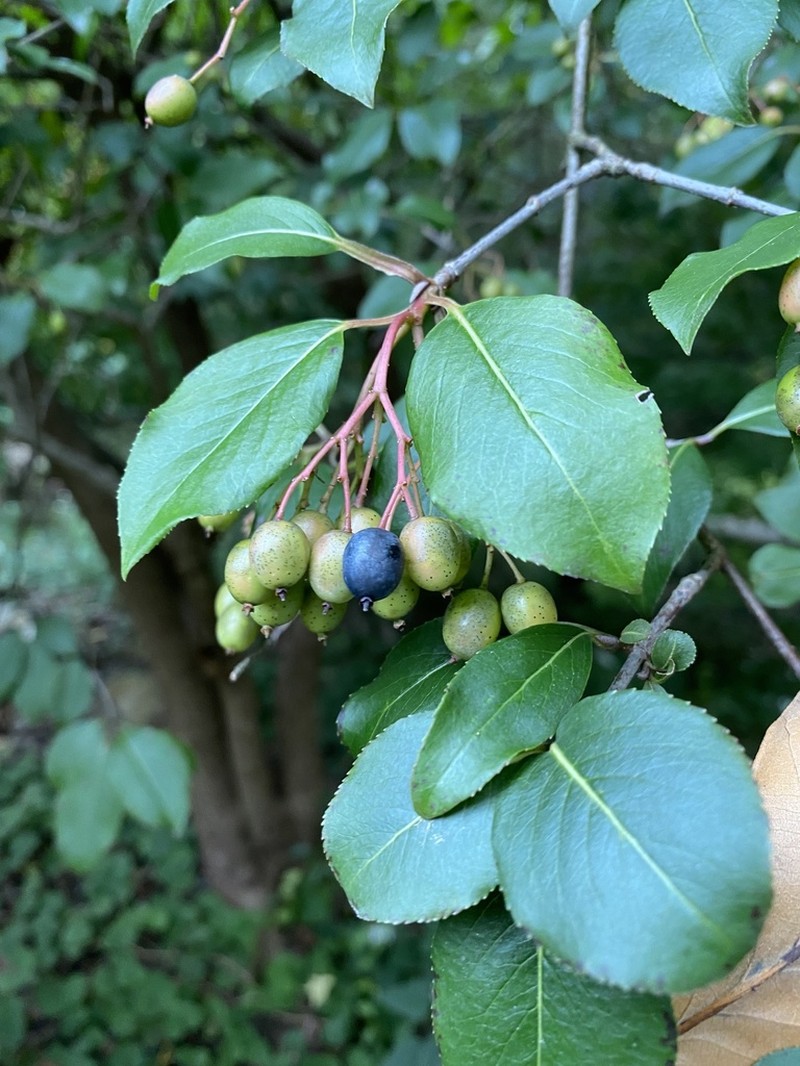
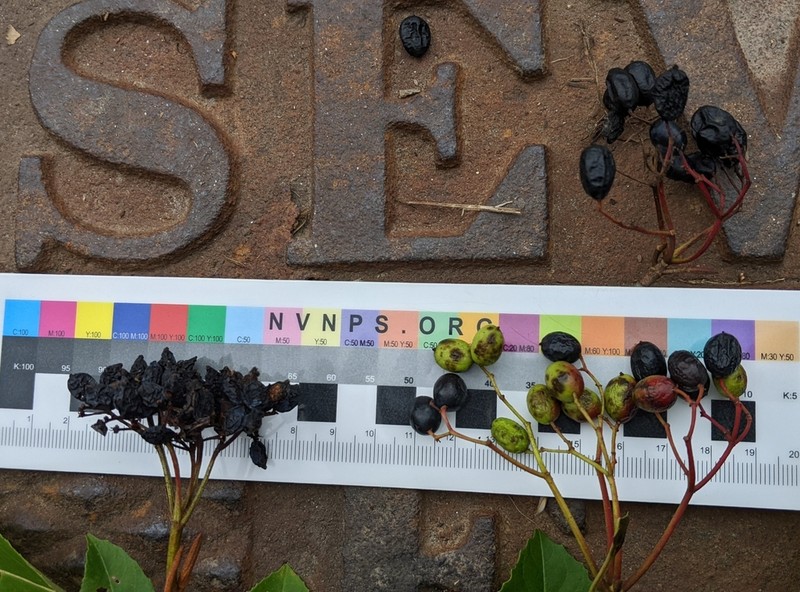
Establishment: Fruit should be collected from multiple plants within the boundaries of the Monongahela National Forest from existing populations. The fruit should be allowed to mature on the plant before harvesting as indicated by the bluish black color of the fruit. Care should be taken to ensure the fruits do not overheat after collection because this could damage the embryo.
Source: npn.rngr.net
ORGHPS Germination Guide: Expose to fluctuating outdoor winter temps incl. freezing for 3 months. Increase light/temp in spring. Pulpy coat -- soak & rinse daily 7 days to remove.
Where to Buy
Nationwide Seller
- Prairie Moon Nursery (nursery and seeds)
- Sheffield's Seed (seeds)