
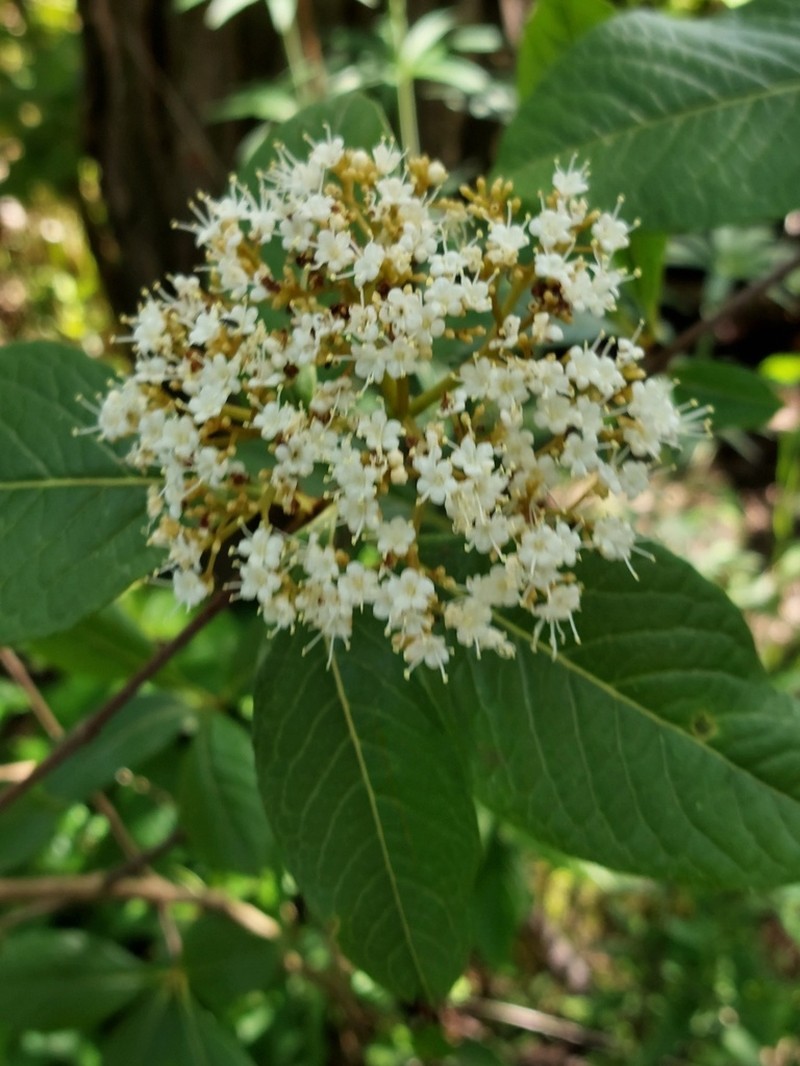
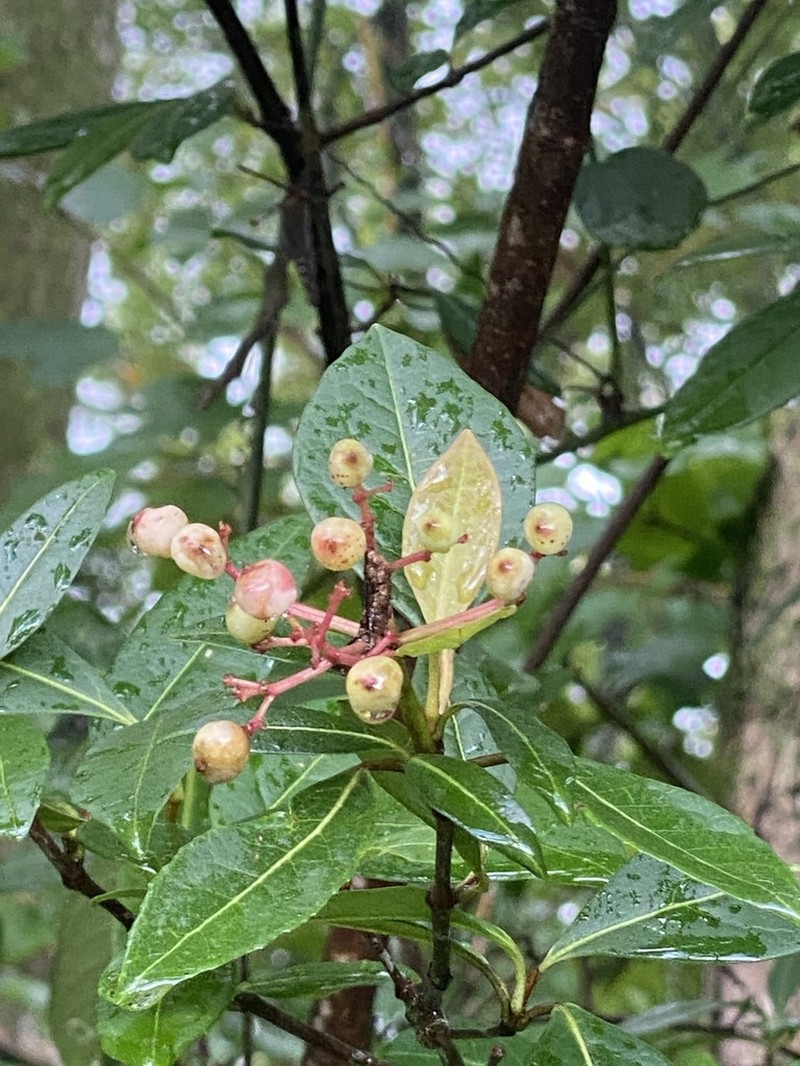
Possumhaw
Viburnum nudum
- Native to:
- Canada, United States, Virgin Islands
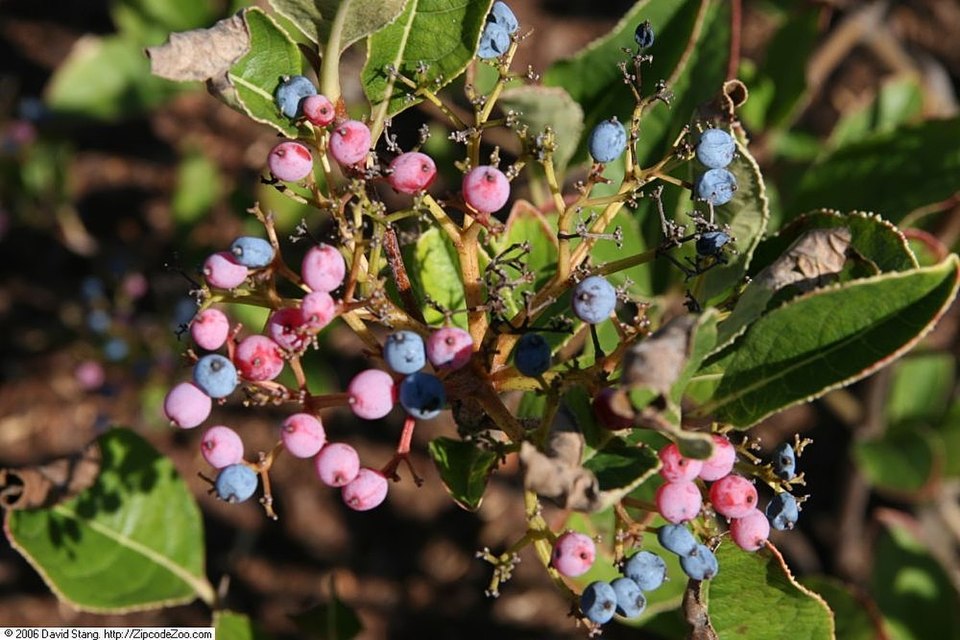
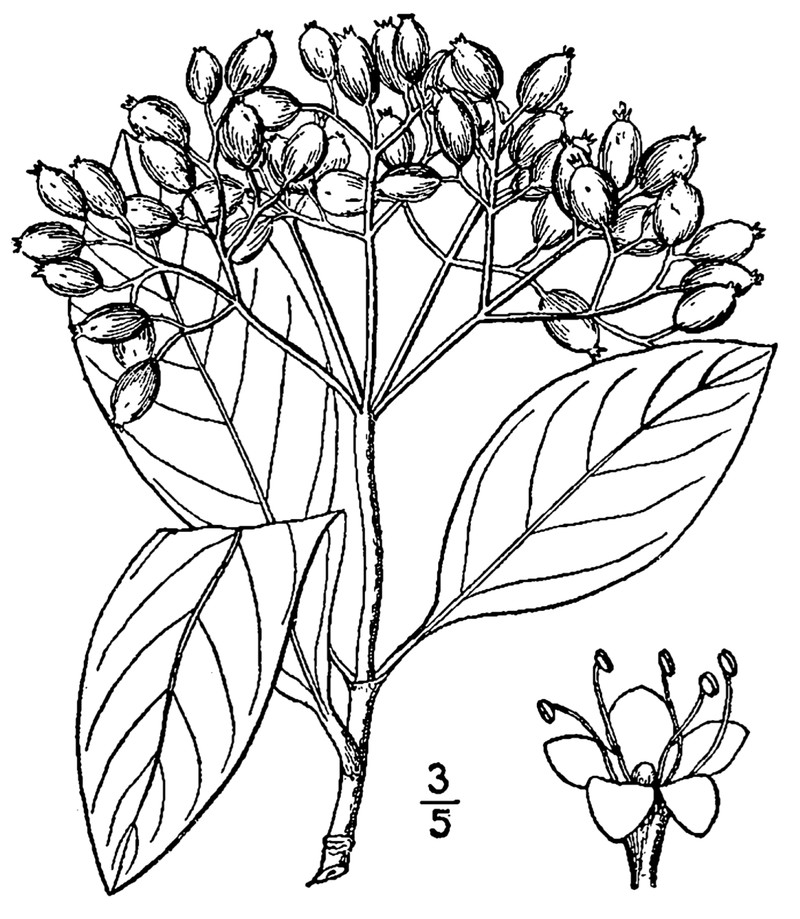
USDA-NRCS PLANTS Database / Britton, N.L., and A. Brown. 1913. An illustrated flora of the northern United States, Canada and the British Possessions. Vol. 3: 273.
Taxonomy
- Division:
- Magnoliophyta | - Flowering plants
- Family:
- Viburnaceae
- Genus:
- Viburnum
- Species:
- Viburnum nudum
- USDA Symbol:
- VINU
Growth Characteristics
- Life Cycle:
- Perennial
- Growth Habit:
- Shrub , Tree
- Height:
- 366 cm
- Light Requirements:
- Full Sun,Part Shade,Shade
- Drought Tolerance:
- Low
- Bloom Months:
- may,jun
- Bloom Colors:
- white
- Landscaping Shrub:
- Yes
Wildlife Benefits
- Butterflies & Moths:
- ★★★★★ Documented Lepidoptera association (GBIF)
- Caterpillars:
- ★★★☆☆ Recorded caterpillar host plant (HOSTS Database)
Keystone Species Ranking
- Caterpillar Keystone:
- ★★★★★ Butterfly & moth species supported by this genus (NWF)
Host Plant for Caterpillars
Agriopodes fallax, Alcoholic Plagodis (Plagodis alcoolaria), Azalea sphinx (Darapsa choerilus), Brown angle shades (Phlogophora periculosa), Brown-tail moth (Euproctis chrysorrhoea), Calledapteryx dryopterata, Cecropia moth (Hyalophora cecropia), Chestnut schizura (Schizura badia), Crocus Geometer (Xanthotype sospeta), Eupithecia ravocostaliata, Eurois astricta, Gypsy moth (Lymantria dispar), Harrisimemna trisignata, Hummingbird Clearwing (Hemaris thysbe), Lacinipolia lorea, large looper moth (Autographa ampla), Metaxaglaea inulta, Olethreutes zelleriana, olive-and-black carpet (Acasis viridata), Polia purpurissata, rose hooktip moth (Oreta rosea), satyr pug (Eupithecia satyrata), Smeared Dagger Moth (Acronicta oblinita), twisted spiny looper (Orthofidonia tinctaria), Winter moth (Operophtera brumata), yellow-veined geometer moth (Orthofidonia flavivenata), Holly Blue (Celastrina argiolus)
Reported Fauna Sightings
Moths:Hummingbird Clearwing (Hemaris thysbe), Marmara viburnella
Garden & Ecology Notes
- Wildlife Value:
- birds, butterflies, small mammals
- Fall Color:
- red, purple
Soil Requirements
- Soil Type:
- moist, rich, well-drained loamy soil
- pH:
- 5.5 - 7.0 (slightly acidic to neutral)
- Drainage:
- tolerates poor drainage
- Moisture:
- consistently moist
- Notes:
- Prefers wetland areas, often found near streams and swamps
Propagation & Germination
- Stratification:
- Cold/moist stratification required — 60–90 days
- Germination Time:
- 30–60 days
- Notes:
- Seeds require cold stratification for 60-90 days to break dormancy.
Pre-treatment: None required
Establishment: The protocol does not provide specific information on propagation source, pre-treatment, establishment protocol, temperature, germination rate, or germination time for Alopecurus alpinus.
Source: npn.rngr.net
Where to Buy
Nationwide Seller
- Sheffield's Seed (seeds)