
European Cranberrybush
Viburnum opulus
Also known as: American Cranberrybush
- Native to:
- Albania, Algeria, Austria, Baltic States, Belarus, Belgium, Bulgaria, Czechia-Slovakia, Denmark, Finland, France, Germany, Great Britain, Greece, Hungary, Ireland, Italy, Kazakhstan, Krym, Netherlands, North Caucasus, Norway, NW. Balkan Pen., Poland, Romania, Russia, Spain, Sweden, Switzerland, Transcaucasus, Türkiye, Ukraine
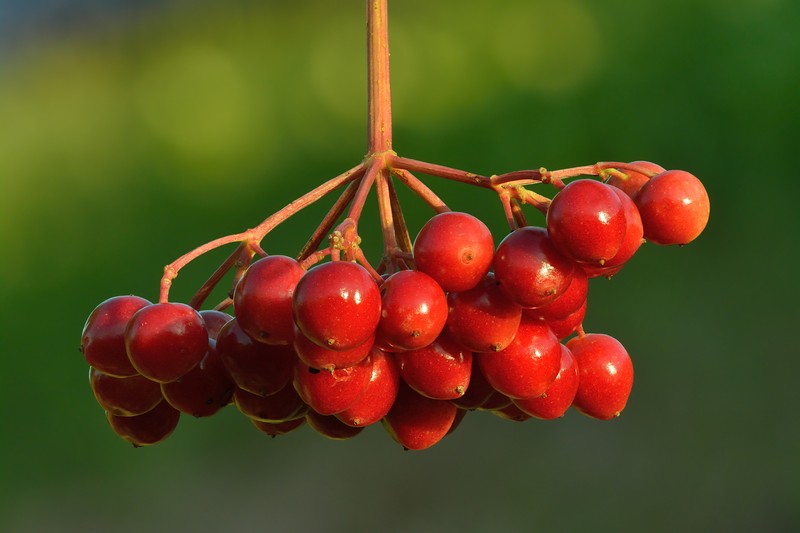
Ivar Leidus
Taxonomy
- Division:
- Magnoliophyta | - Flowering plants
- Family:
- Viburnaceae
- Genus:
- Viburnum
- Species:
- Viburnum opulus
- USDA Symbol:
- VIOP
Growth Characteristics
- Life Cycle:
- Perennial
- Growth Habit:
- Shrub , Tree
- Height:
- 400 cm
- Light Requirements:
- Full Sun,Part Shade,Shade
- Drought Tolerance:
- Medium
- Bloom Months:
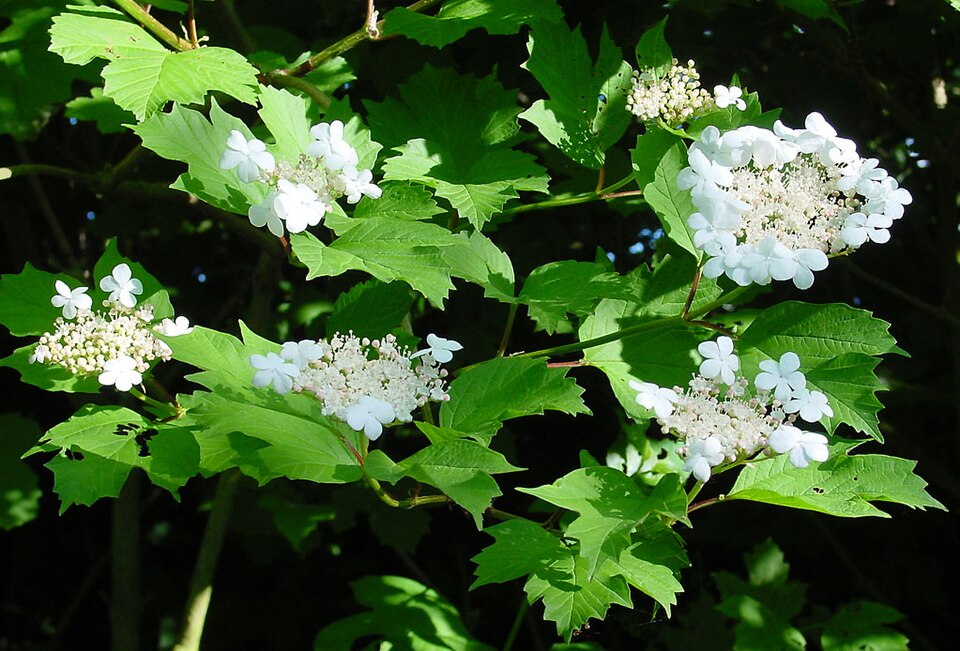
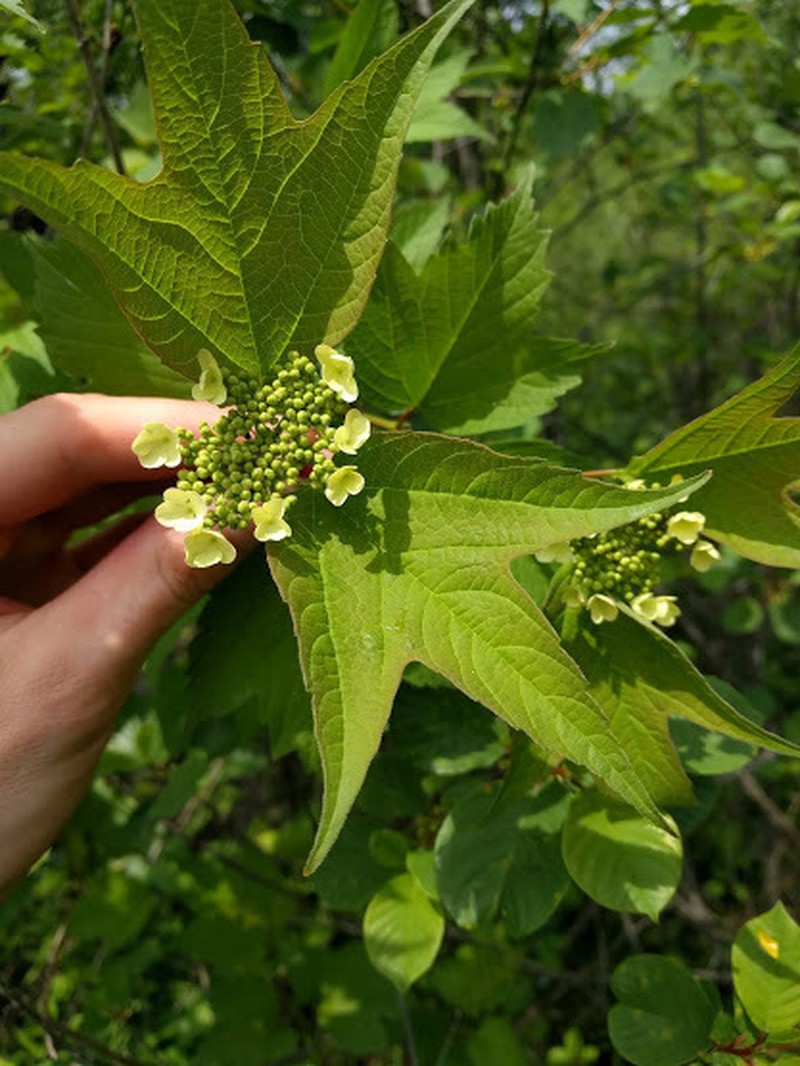
- may,jun
- Bloom Colors:
- white
- Landscaping Shrub:
- Yes
Wildlife Benefits
- Bees:
- ★☆☆☆☆ Documented bee visitation (GBIF)
- Butterflies & Moths:
- ★★★★☆ Documented Lepidoptera association (GBIF)
- Caterpillars:
- ★☆☆☆☆ Recorded caterpillar host plant (HOSTS Database)
Keystone Species Ranking
- Caterpillar Keystone:
- ★★★★★ Butterfly & moth species supported by this genus (NWF)
Host Plant for Caterpillars
Garden & Ecology Notes
- Wildlife Value:
- birds, butterflies, small mammals
- Fall Color:
- red, purple
Soil Requirements
- Soil Type:
- rich, moist, well-drained loamy soil
- pH:
- 5.5 - 7.5 (slightly acidic to neutral)
- Drainage:
- tolerates poor drainage
- Moisture:
- consistently moist
- Notes:
- Prefers fertile soils in its native range
Propagation & Germination
- Stratification:
- Cold/moist stratification required — 60–90 days
- Germination Time:
- 30–90 days
- Notes:
- Seeds require cold stratification for 2-3 months; germination may be slow and erratic.
Pre-treatment: Mix an equal amount of seeds with either perlite or vermiculite in a Ziploc-style bag or a small Rubbermaid-style container. Add a small amount of water (no visible water should be in the bag or container). Place in a refrigerator or garage (33-42 degrees F) for at least 3 months. Seeds can be cold stored until planted (up to 3 years). Alternatively, seeds can be warm and cold stratified for 60 to 90 days.
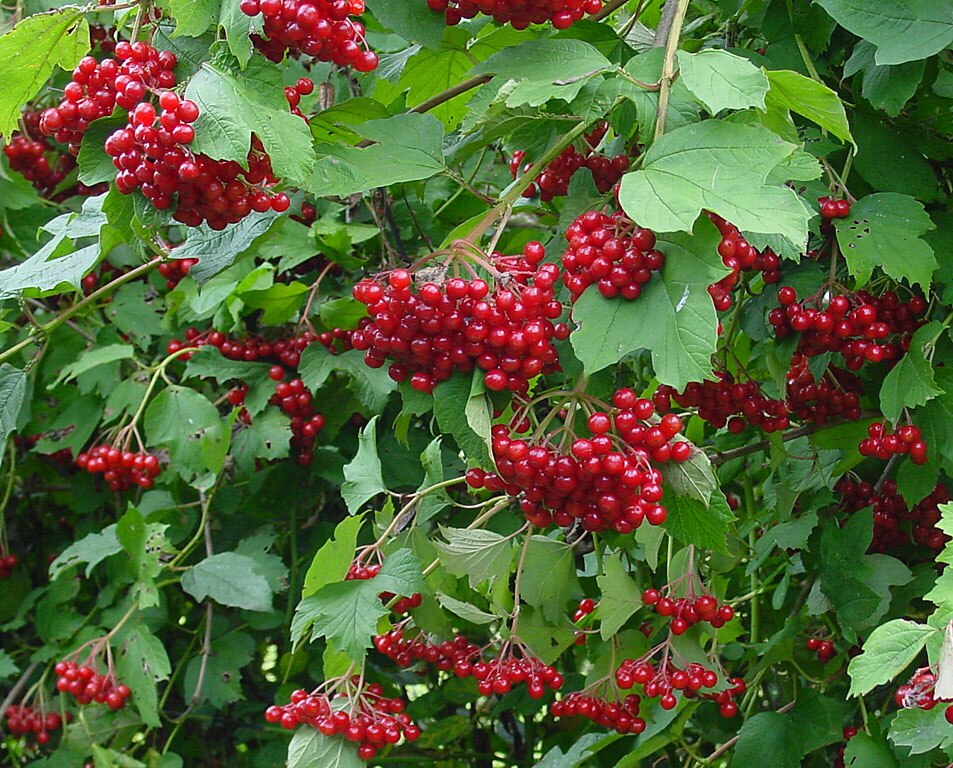
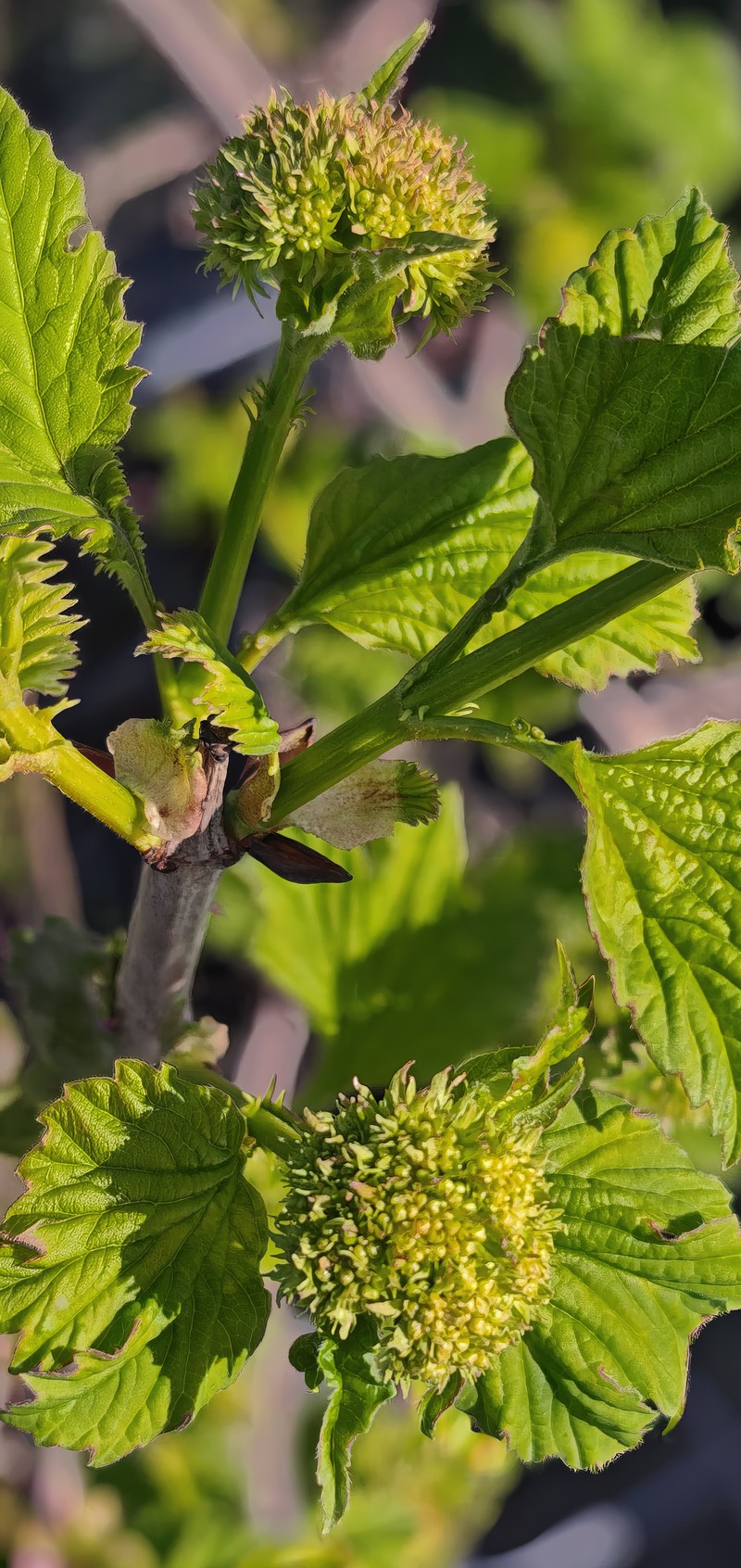
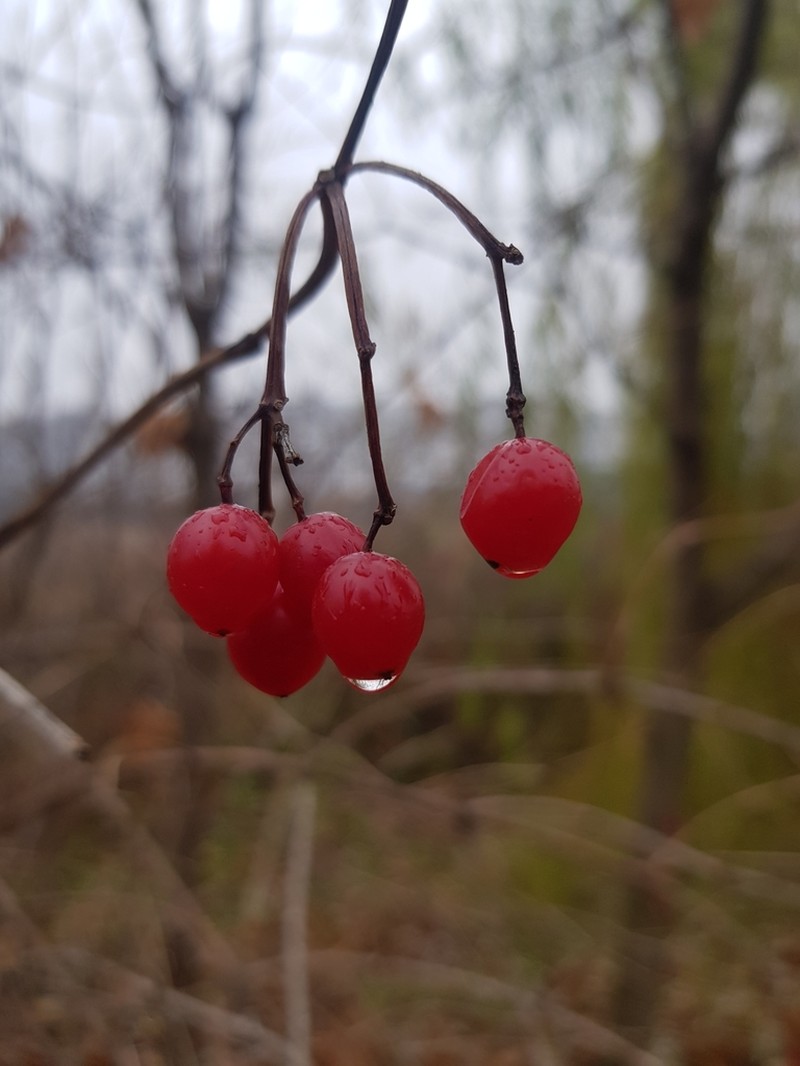
Establishment: Seed is collected from locally native plants within the eastern central Upper Peninsula. Fruit is red and the size of a cranberry. The plant is native to swamps (both hardwood and conifers), borders of woods and shores, wet roadsides, ditches, banks and thickets along rivers and streams, fens. It is a woody multi-stemmed shrub. V. opulus is also native to temperate deciduous forests of North America and Europe.
Source: npn.rngr.net
Where to Buy
Nationwide Seller
- Sheffield's Seed (seeds)
- Sheffield's Seed (seeds)
- Prairie Moon Nursery (nursery and seeds)