
Southern Arrowwood
Viburnum recognitum
- Native to:
- Canada, United States, Virgin Islands
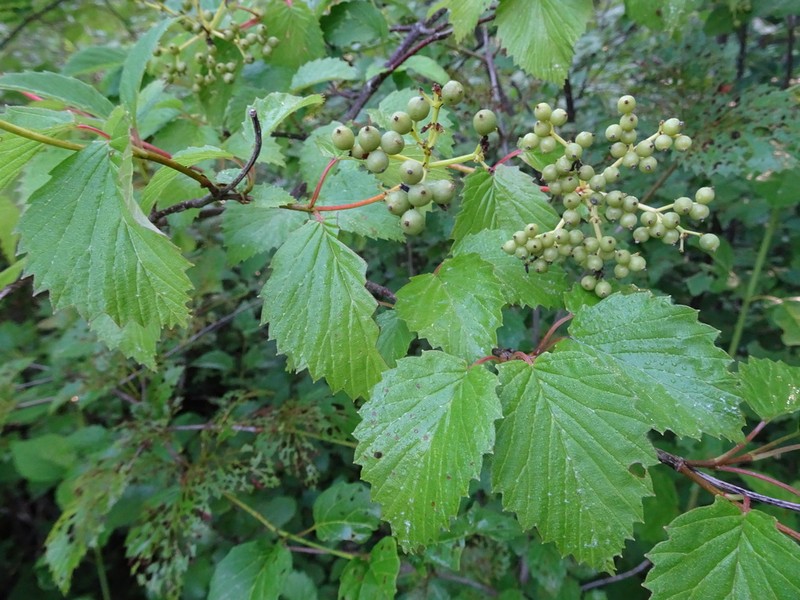
R. A. Nonenmacher
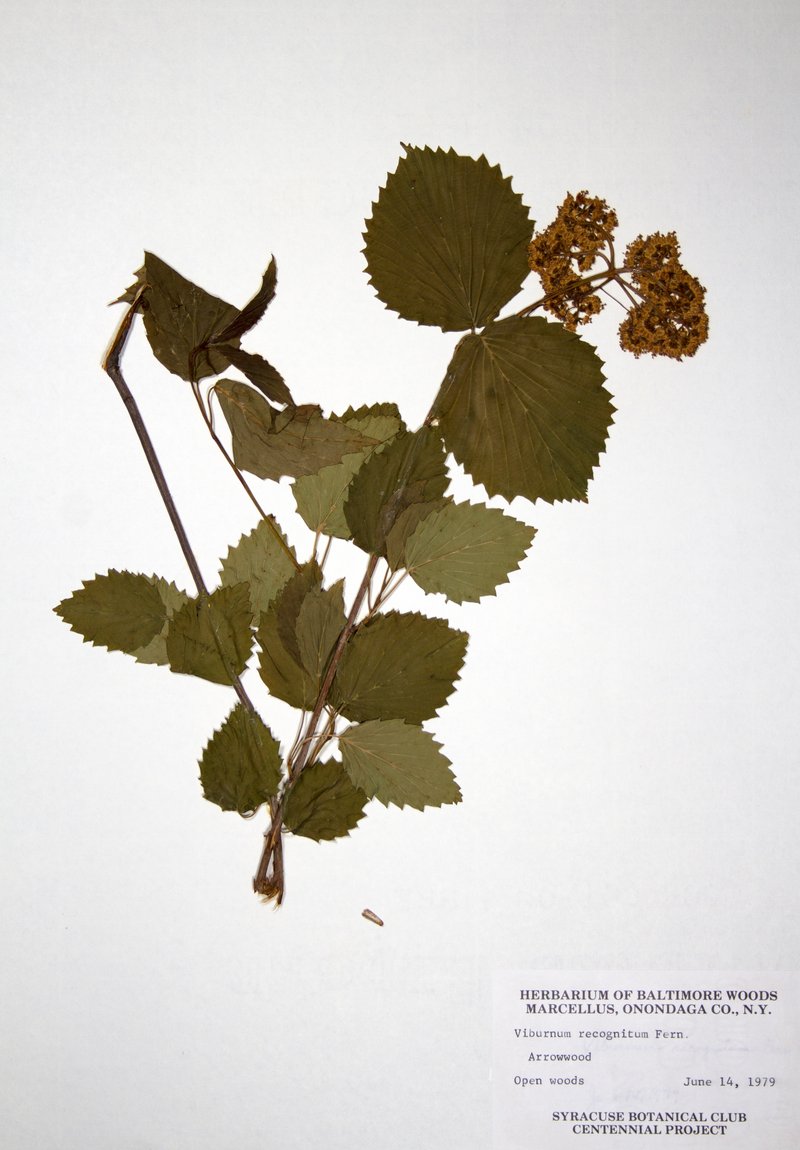
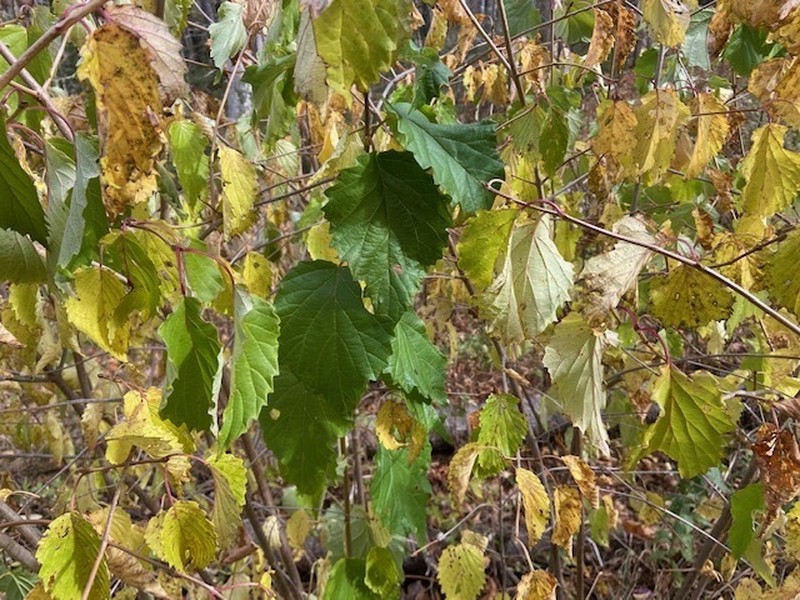
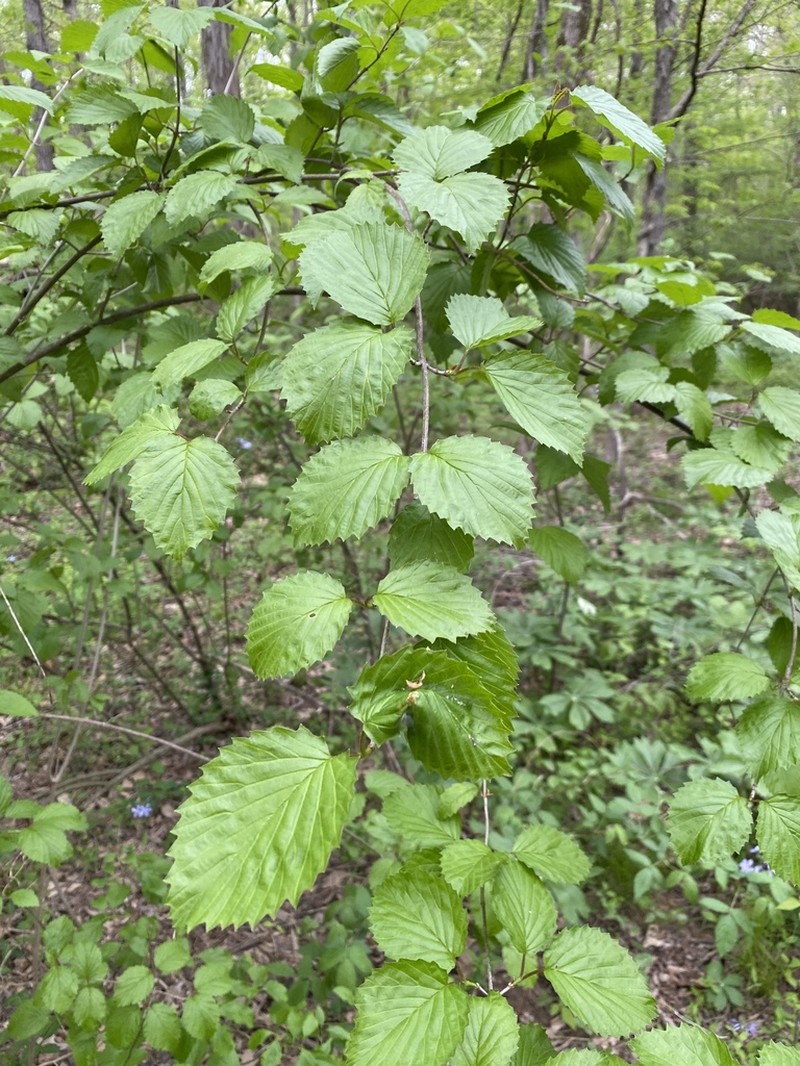
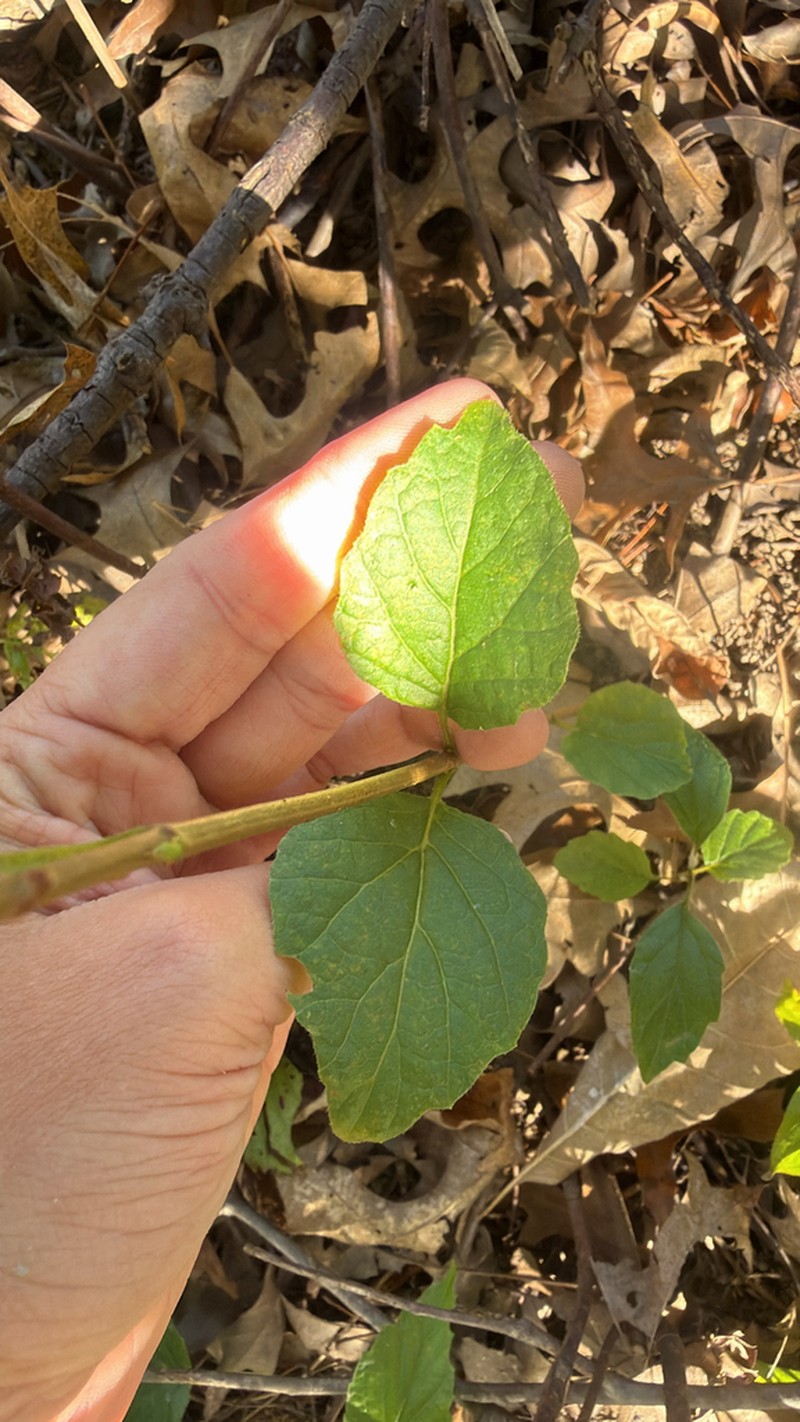
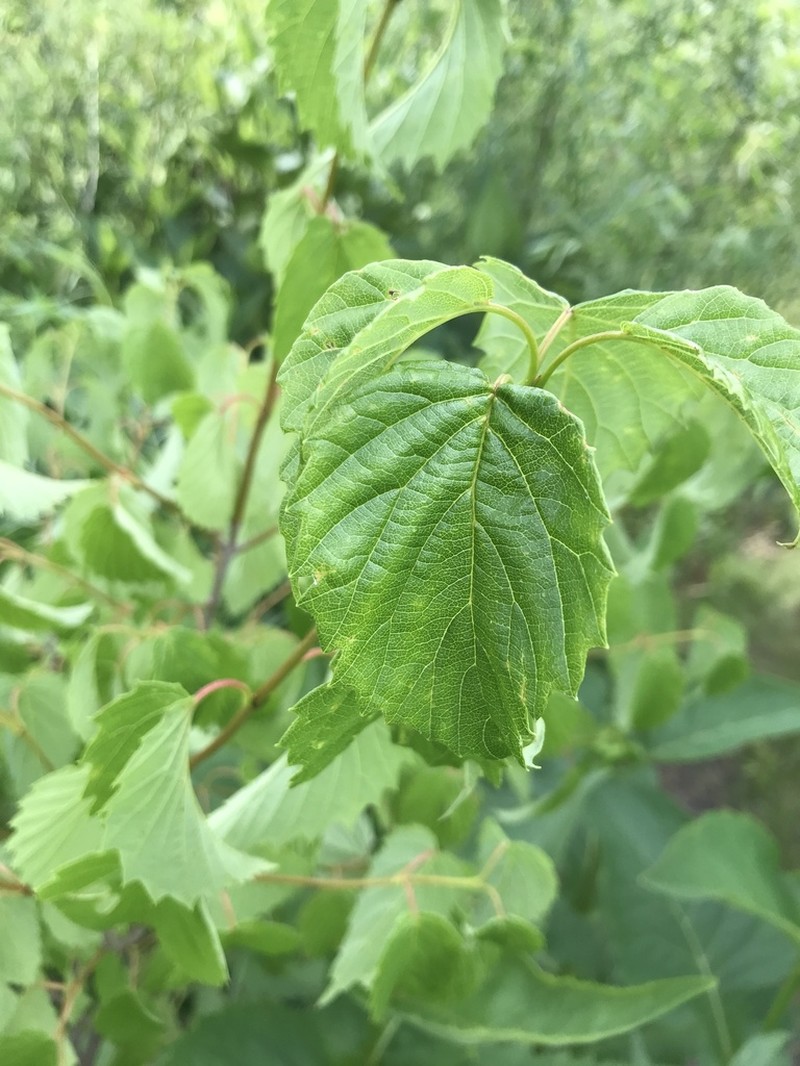
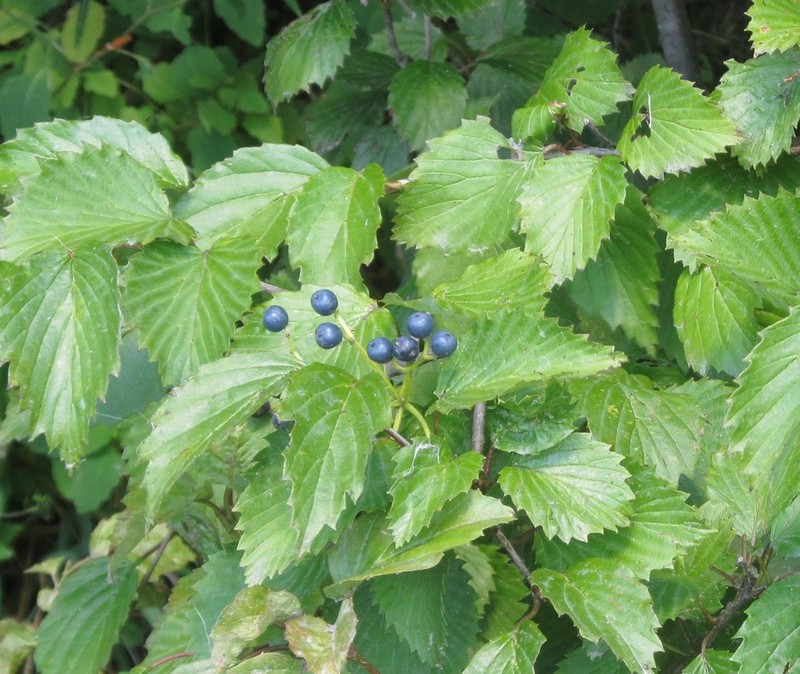
Taxonomy
- Division:
- Magnoliophyta | - Flowering plants
- Family:
- Viburnaceae
- Genus:
- Viburnum
- Species:
- Viburnum recognitum
- USDA Symbol:
- VIRE7
Growth Characteristics
- Life Cycle:
- Perennial
- Growth Habit:
- Shrub , Tree
- Height:
- 300 cm
- Light Requirements:
- Shade
- Drought Tolerance:
- Low
- Bloom Months:
- may,jun
- Bloom Colors:
- white
- Landscaping Shrub:
- Yes
Wildlife Benefits
- Bees:
- ★☆☆☆☆ Documented bee visitation (GBIF)
- Butterflies & Moths:
- ★☆☆☆☆ Documented Lepidoptera association (GBIF)
- Caterpillars:
- ★★★☆☆ Recorded caterpillar host plant (HOSTS Database)
Keystone Species Ranking
- Caterpillar Keystone:
- ★★★★★ Butterfly & moth species supported by this genus (NWF)
Host Plant for Caterpillars
Agriopodes fallax, Anacampsis rhoifructella, Azalea sphinx (Darapsa choerilus), Cecropia moth (Hyalophora cecropia), Copper Underwing (Amphipyra pyramidoides), Euplexia benesimilis, Glyptocera consobrinella, gray dagger moth (Acronicta grisea), Hummingbird Clearwing (Hemaris thysbe), Imperial Moth (Eacles imperialis), Io moth (Automeris io), Isabella tiger moth (Pyrrharctia isabella), Larger Viburnum Clearwing (Synanthedon viburni), Metaxaglaea inulta, Phyllonorycter viburnella, Pink Prominent (Hyparpax aurora), Baltimore checkerspot (Euphydryas phaeton), Holly Blue (Celastrina argiolus)
Garden & Ecology Notes
- Wildlife Value:
- birds, butterflies, small mammals
- Fall Color:
- red, purple
Soil Requirements
- Soil Type:
- rich, well-drained loamy soil
- pH:
- 5.5 - 7.0 (slightly acidic to neutral)
- Drainage:
- tolerates poor drainage
- Moisture:
- consistently moist
- Notes:
- Common in wetlands and moist woodlands
Propagation & Germination
- Stratification:
- Cold/moist stratification required — 60–90 days
- Germination Time:
- 30–60 days
- Notes:
- Seeds require cold stratification for 60-90 days to break dormancy.
Pre-treatment: Cold-moist stratification for 30 days at 1–5°C (34–41°F).; then Cold-moist stratification for 60 days.
Source: Claude AI