
Rusty Blackhaw
Viburnum rufidulum
- Native to:
- Mexico, United States, Virgin Islands
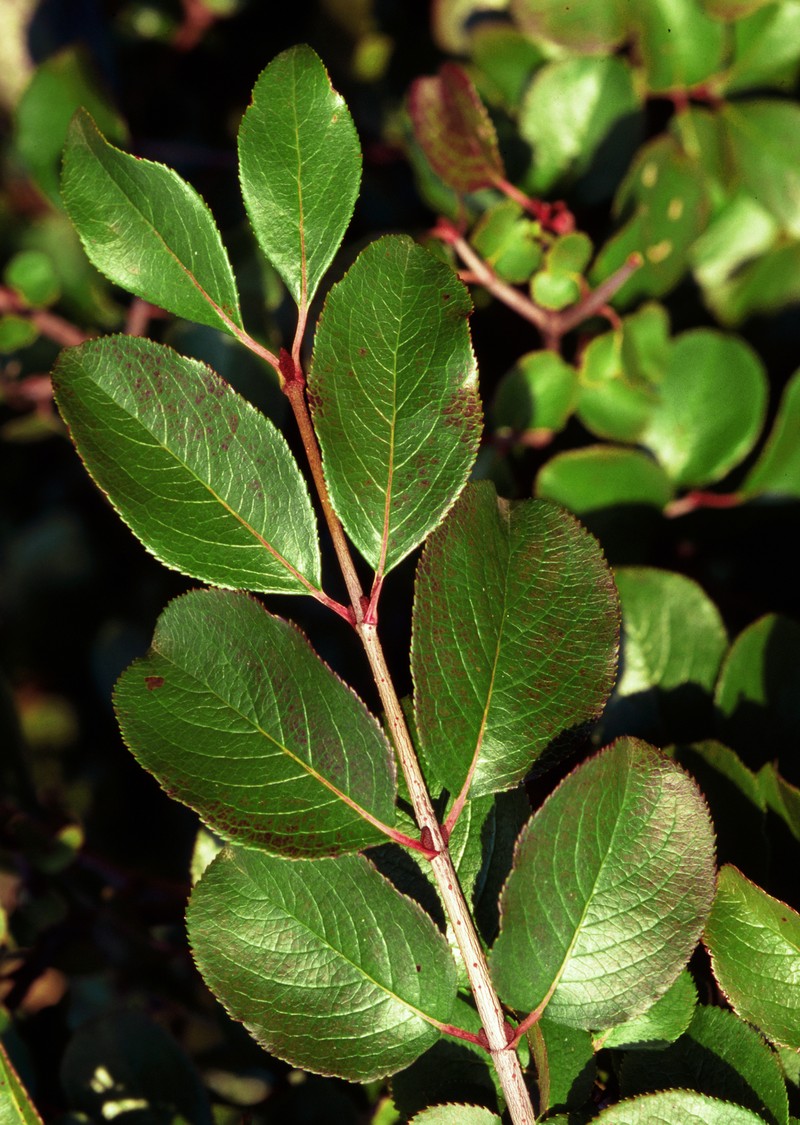
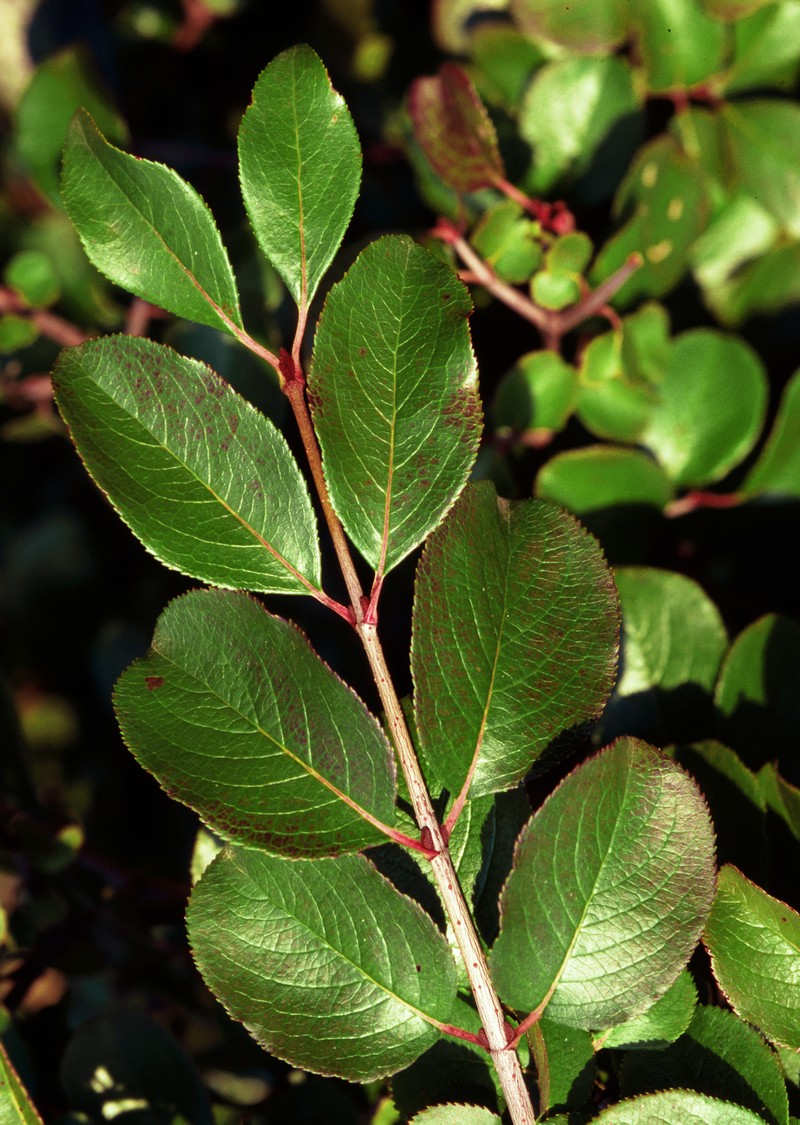
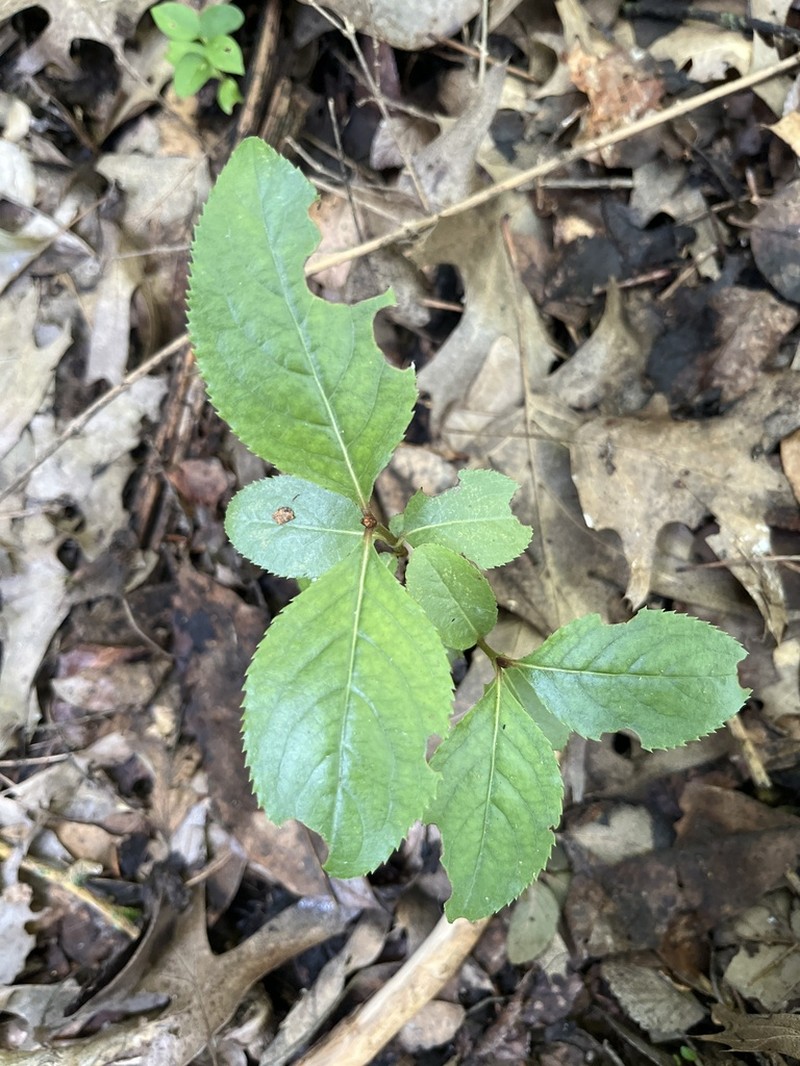
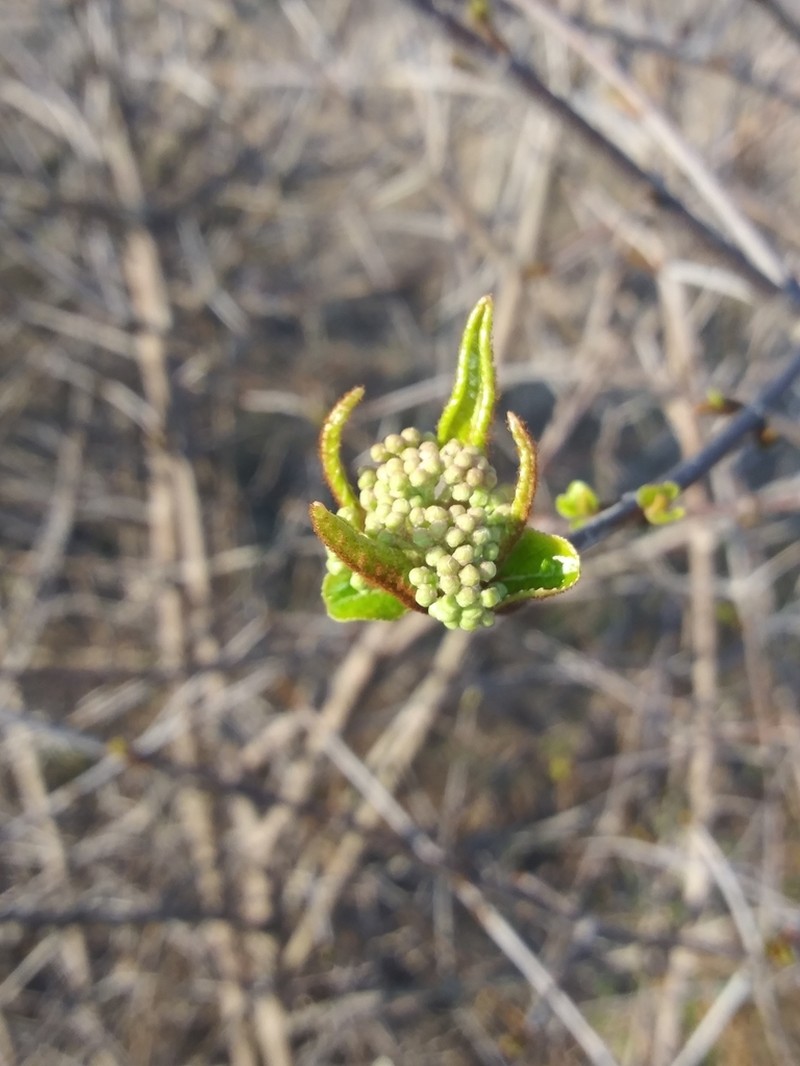
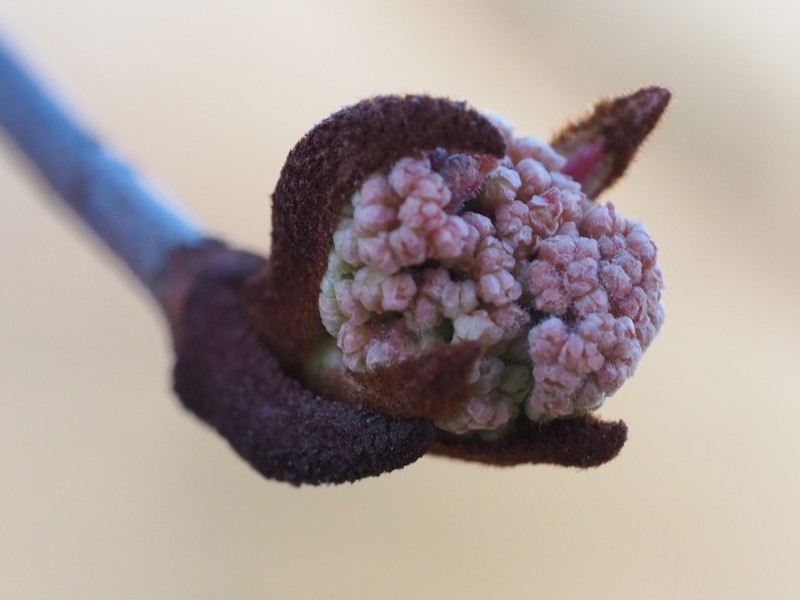
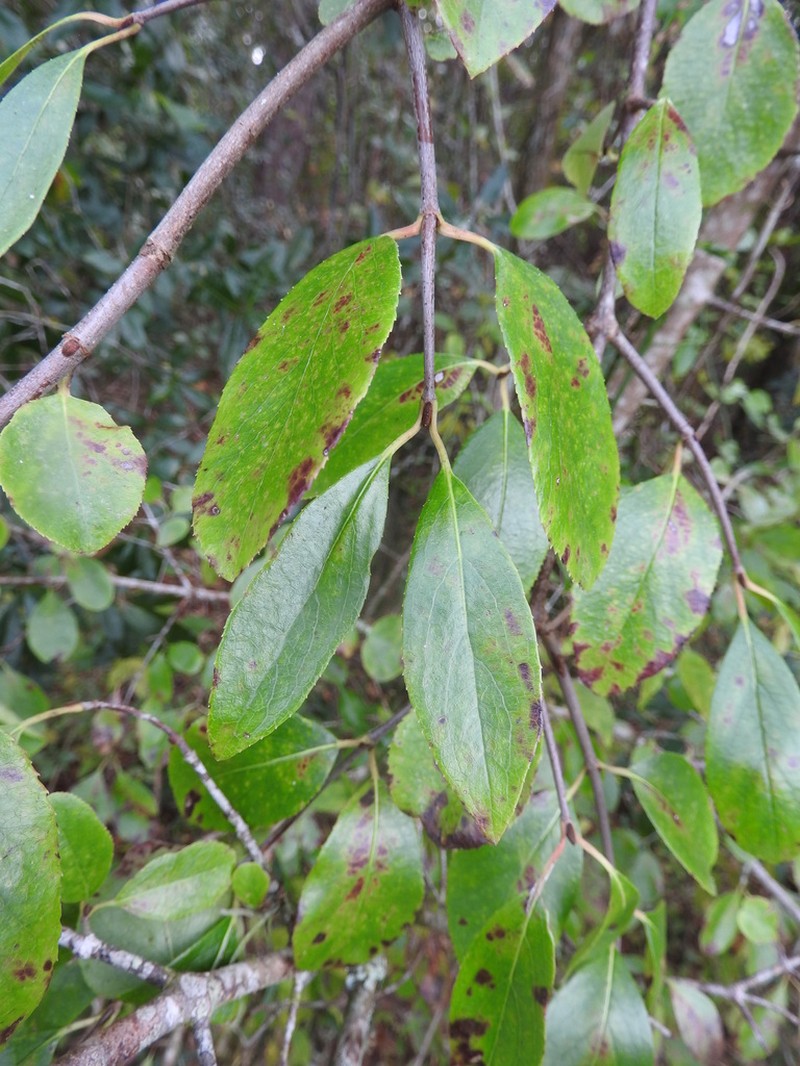
Source: Wikimedia; Credit: Ted Bodner, Southern Weed Science Society / James H. Miller, USDA Forest Service
Taxonomy
- Division:
- Magnoliophyta | - Flowering plants
- Family:
- Viburnaceae
- Genus:
- Viburnum
- Species:
- Viburnum rufidulum
- USDA Symbol:
- VIRU
Growth Characteristics
- Life Cycle:
- Perennial
- Growth Habit:
- Shrub , Tree
- Height:
- 900 cm
- Drought Tolerance:
- Medium
- Bloom Months:
- apr,may
- Bloom Colors:
- white
- Landscaping Shrub:
- Yes
Wildlife Benefits
- Butterflies & Moths:
- ★★☆☆☆ Documented Lepidoptera association (GBIF)
- Caterpillars:
- ★☆☆☆☆ Recorded caterpillar host plant (HOSTS Database)
Keystone Species Ranking
- Caterpillar Keystone:
- ★★★★★ Butterfly & moth species supported by this genus (NWF)
Host Plant for Caterpillars
Calledapteryx dryopterata, Coleophora viburniella, green cloverworm moth (Platynota idaeusalis), Holly Blue (Celastrina argiolus)
Reported Fauna Sightings
Moths:Marmara viburnella
Garden & Ecology Notes
- Wildlife Value:
- birds, butterflies, small mammals
- Fragrant:
- Yes
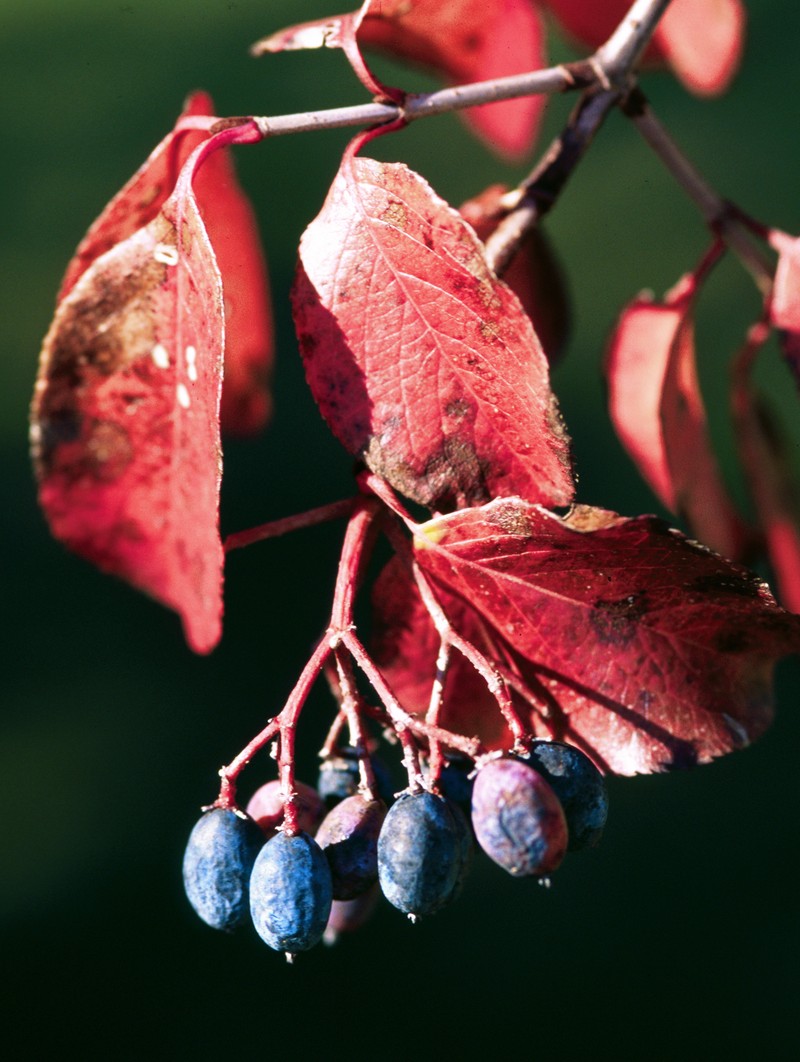
- Fall Color:
- red, purple
Propagation & Germination
- Stratification:
- Cold/moist stratification required — 60–90 days
- Germination Time:
- 30–60 days
- Notes:
- Seeds benefit from cold stratification for 60-90 days to break dormancy.
Pre-treatment: Warm stratification for 6 to 17 months followed by cold stratification for 3 to 4 months. Gibberellic acid treatments can be used but results may be poor. Best results when seeds are planted soon after collection in the fall.
Establishment: Seeds often germinate prematurely during the stratification treatment period, which can lead to etiolated seedlings in the stratification containers. It is recommended to wait two years for the seedlings to germinate after planting the seeds.
Source: npn.rngr.net
Where to Buy
Nationwide Seller
- Sheffield's Seed (seeds)