
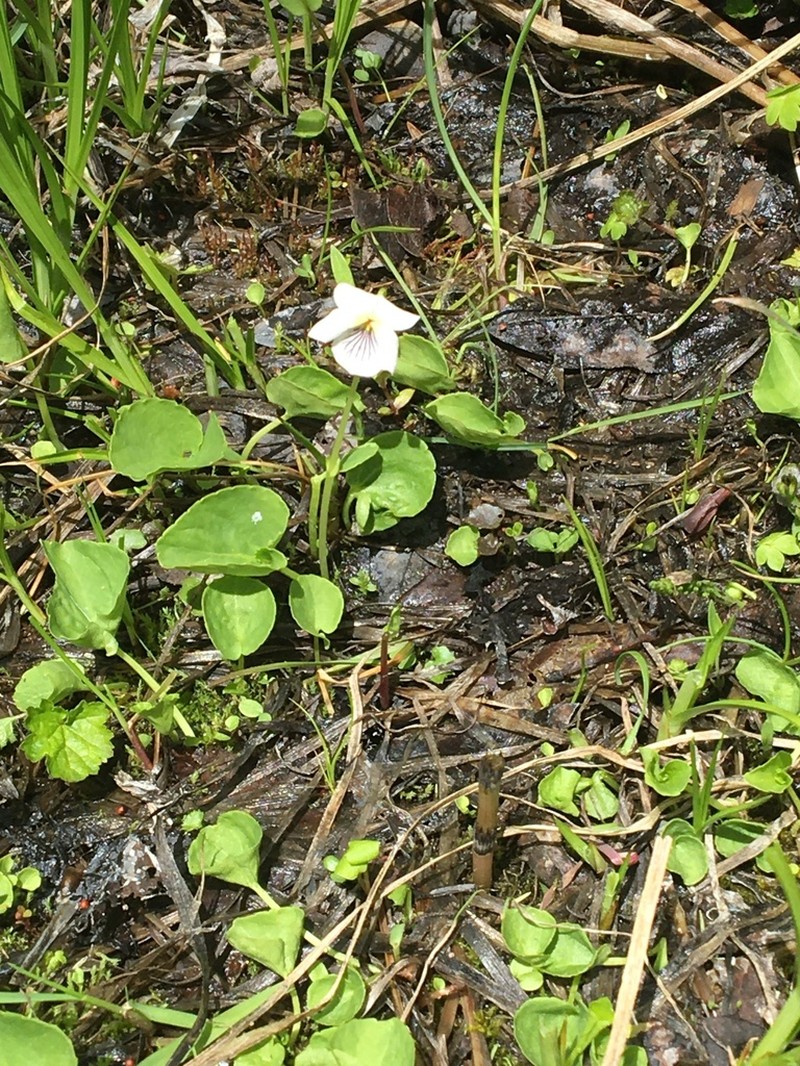
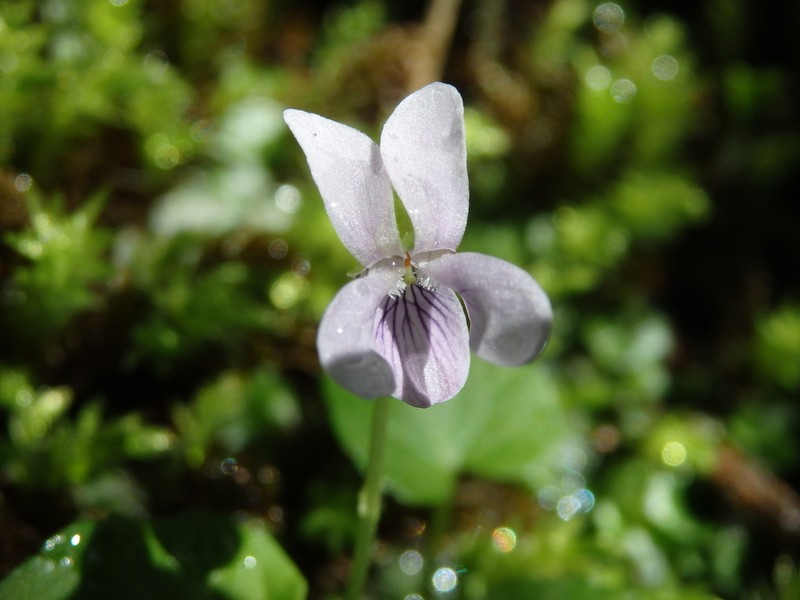
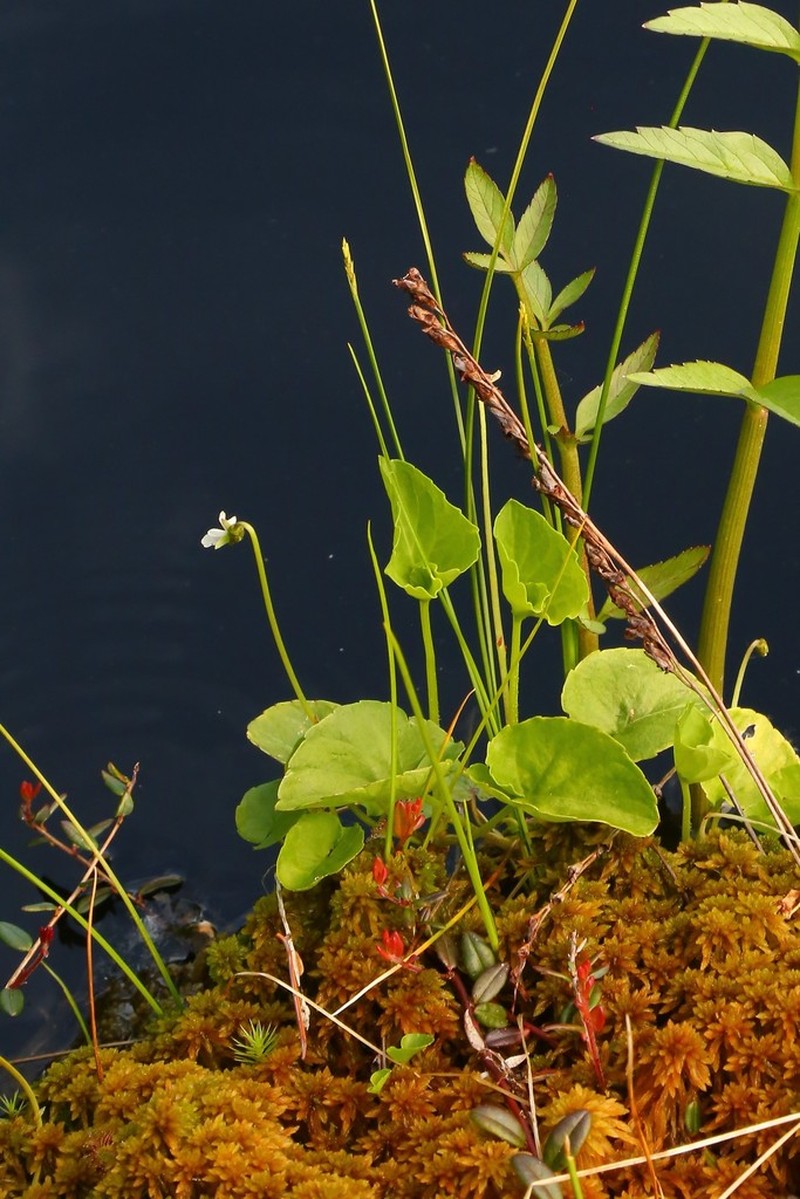
Marsh Violet
Viola palustris
- Native to:
- Austria, Azores, Baltic States, Belarus, Belgium, Bulgaria, Canada, Corse, Czechia-Slovakia, Denmark, Finland, Føroyar, France, Germany, Great Britain, Greece, Greenland, Hungary, Iceland, Ireland, Italy, Labrador, Morocco, Netherlands, Norway, NW. Balkan Pen., Poland, Portugal, Romania, Russia, Spain, Sweden, Switzerland, Ukraine, United States
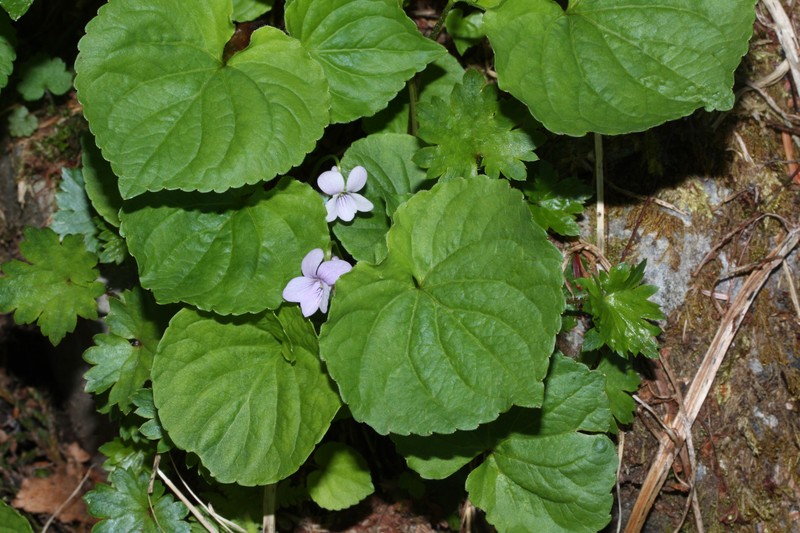
Walter Siegmund (talk)
Taxonomy
- Division:
- Magnoliophyta | - Flowering plants
- Family:
- Violaceae
- Genus:
- Viola
- Species:
- Viola palustris
- USDA Symbol:
- VIPA4
Growth Characteristics
- Life Cycle:
- Perennial
- Growth Habit:
- Forb/herb
- Height:
- 15 cm
- Light Requirements:
- Part Shade
- Drought Tolerance:
- Low
- Bloom Months:
- apr,may,jun
- Bloom Colors:
- violet, white
- Ground Cover:
- Yes
Wildlife Benefits
- Butterflies & Moths:
- ★★★★☆ Documented Lepidoptera association (GBIF)
- Caterpillars:
- ★☆☆☆☆ Recorded caterpillar host plant (HOSTS Database)
Keystone Species Ranking
- Caterpillar Keystone:
- ★★★☆☆ Butterfly & moth species supported by this genus (NWF)
- Pollen Specialist Bee Keystone:
- ★★★★★ Native pollen specialist bee species supported by this genus (NWF)
Host Plant for Caterpillars
Great Spangled Fritillary (Speyeria cybele), Mormon fritillary (Speyeria mormonia)
Garden & Ecology Notes
- Wildlife Value:
- butterflies, small mammals
Soil Requirements
- Soil Type:
- rich, moist, peaty soil
- pH:
- 4.5 - 6.5 (acidic to slightly acidic)
- Drainage:
- tolerates poor drainage
- Moisture:
- consistently moist
- Notes:
- Common in bogs and wet meadows
Propagation & Germination
- Stratification:
- Cold/moist stratification required — 60–90 days
- Germination Time:
- 21–60 days
- Notes:
- Seeds require cold stratification for 60-90 days; sow in fall or early spring.
Pre-treatment: Seeds were cold stratified for 90 days
Source: npn.rngr.net