
Virginia Creeper
Parthenocissus quinquefolia
- Native to:
- Bahamas, Bermuda, Canada, Cuba, El Salvador, Guam, Guatemala, Mexico, United States, Virgin Islands
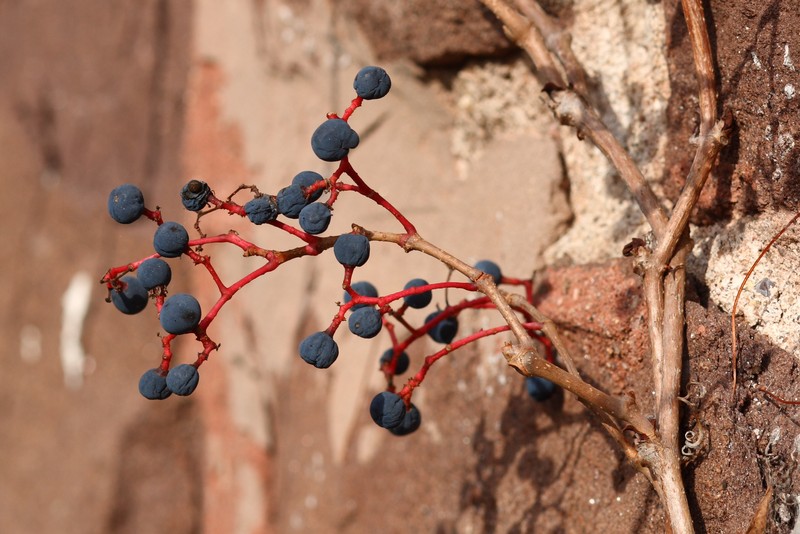
Ragesoss
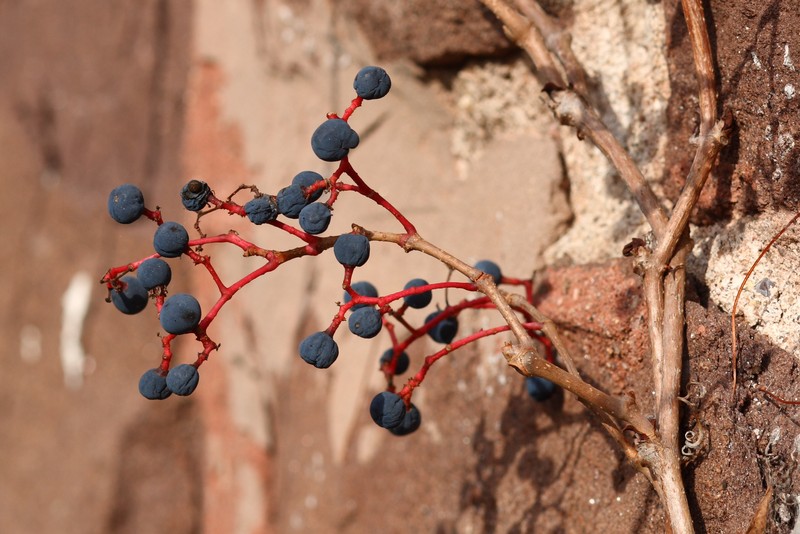
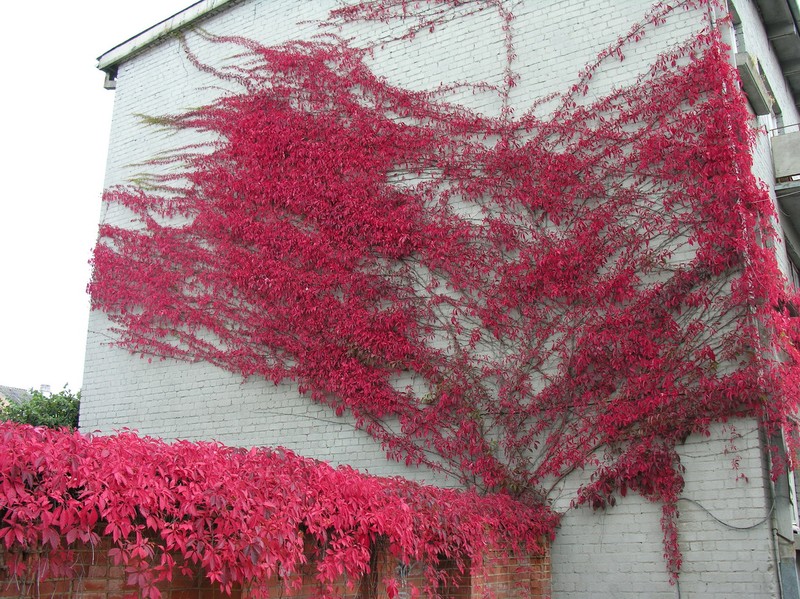
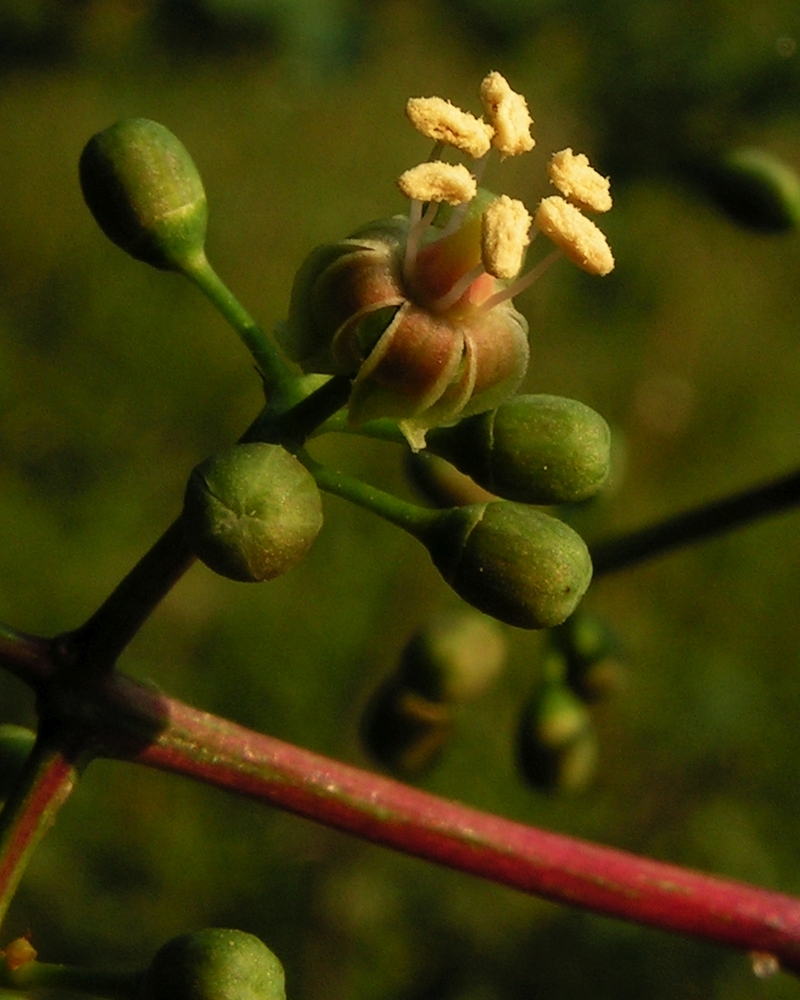
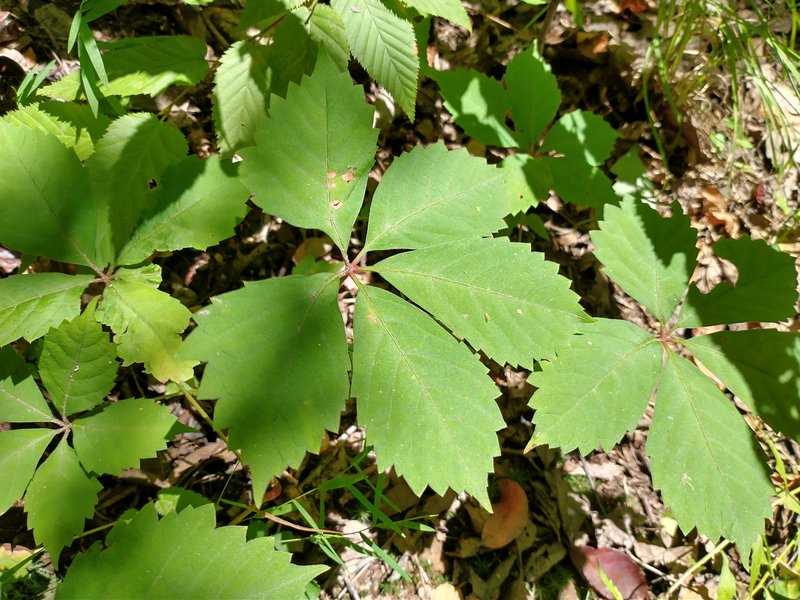
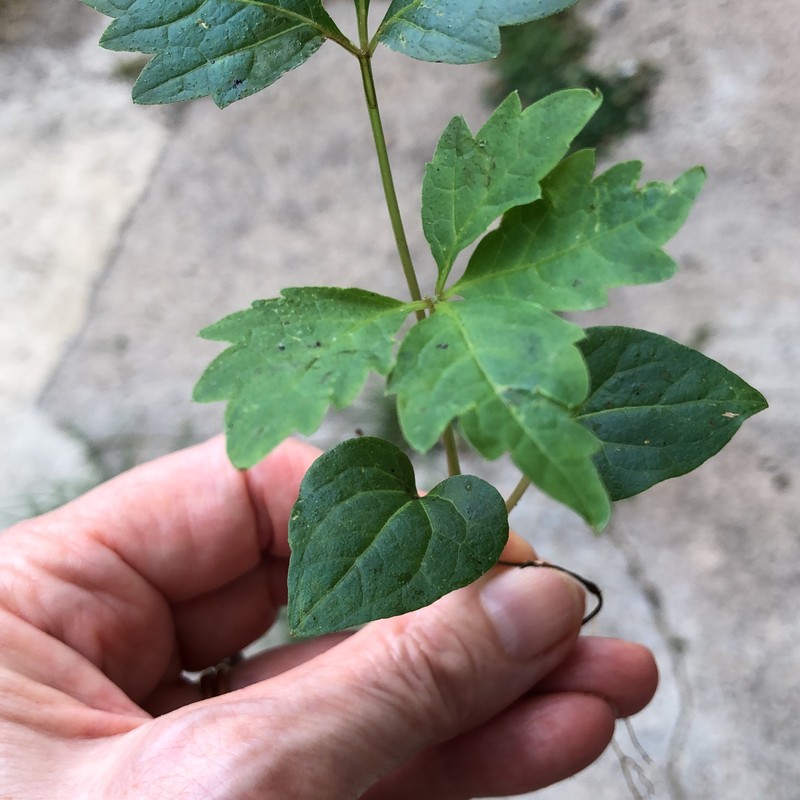
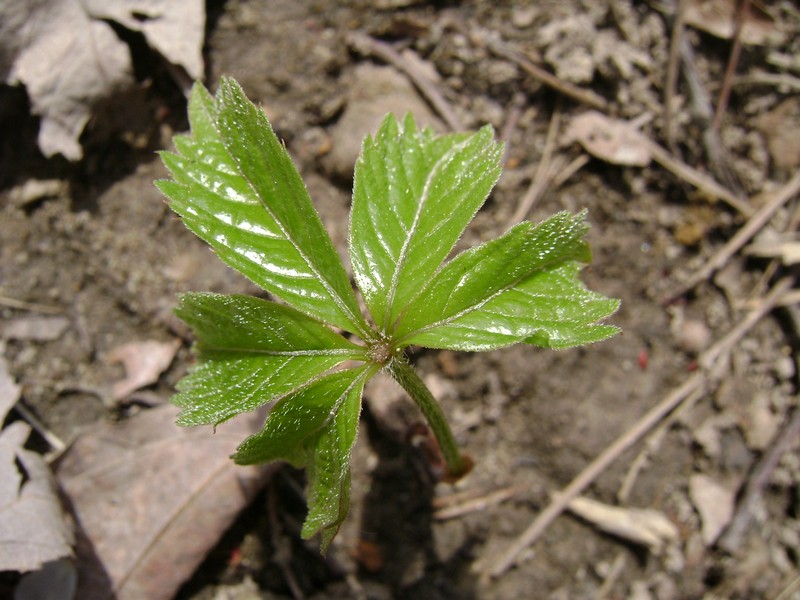
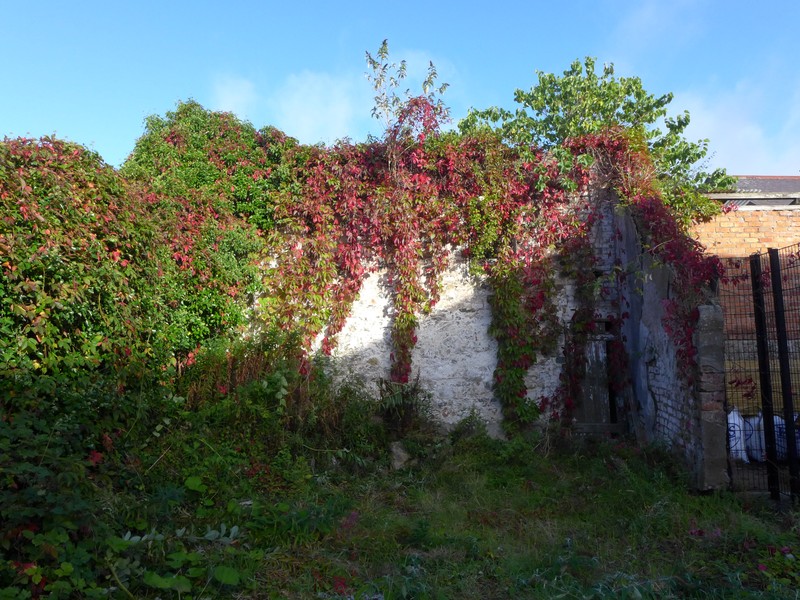
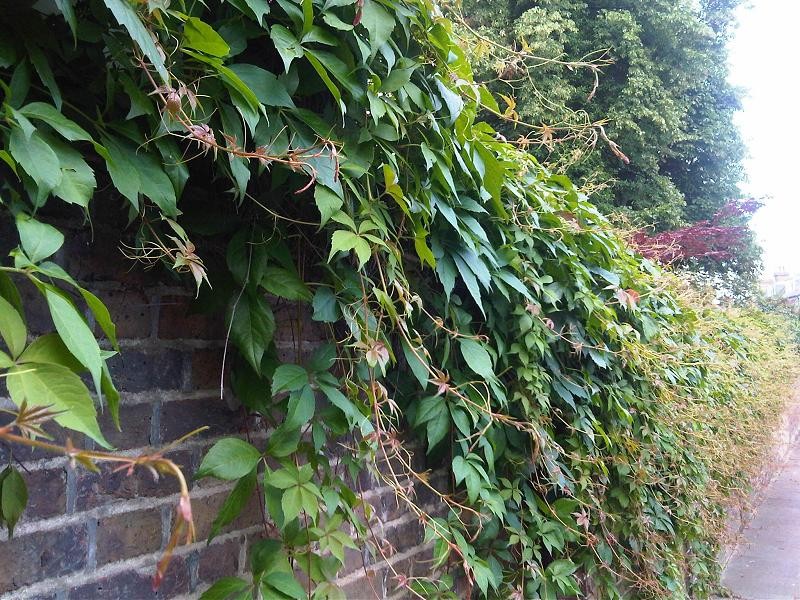
Taxonomy
- Division:
- Magnoliophyta | - Flowering plants
- Family:
- Vitaceae
- Genus:
- Parthenocissus
- Species:
- Parthenocissus quinquefolia
- USDA Symbol:
- PAQU2
Growth Characteristics
- Life Cycle:
- Perennial
- Growth Habit:
- Vine
- Height:
- 1829 cm
- Light Requirements:
- Full Sun,Part Shade,Shade
- Drought Tolerance:
- Medium
- Bloom Months:
- may,jun,jul
- Bloom Colors:
- greenish-white
- Ground Cover:
- Yes
Wildlife Benefits
- Bees:
- ★★☆☆☆ Documented bee visitation (GBIF)
- Butterflies & Moths:
- ★★★★★ Documented Lepidoptera association (GBIF)
- Caterpillars:
- ★★★★☆ Recorded caterpillar host plant (HOSTS Database)
- Hummingbirds:
- ★☆☆☆☆ Documented hummingbird visits (GBIF)
Keystone Species Ranking
- Caterpillar Keystone:
- ★★★☆☆ Butterfly & moth species supported by this genus (NWF)
Host Plant for Caterpillars
Abbott's sphinx (Sphecodina abbottii), Achemon sphinx (Eumorpha achemon), Albuna fraxini, American lappet moth (Phyllodesma americana), Azalea sphinx (Darapsa choerilus), bad-wing (Dyspteris abortivaria), Beautiful Wood Nymph (Eudryas grata), brilliant grapeleaf skeletonizer (Harrisina brillians), Brown-tail moth (Euproctis chrysorrhoea), Cecropia moth (Hyalophora cecropia), Copper Underwing (Amphipyra pyramidoides), Eight-spotted Forester (Alypia octomaculata), Fall webworm (Hyphantria cunea), Grape Leaffolder (Desmia funeralis), Grapeleaf skeletonizer (Harrisina americana), Greater Grapevine Looper (Eulithis gracilineata), Harrisina coracina, Hickory Tussock Moth (Lophocampa caryae), Isabella tiger moth (Pyrrharctia isabella), Langton's Forester (Alypia langtoni), lesser grape root borer (Vitacea scepsiformis), Lesser grapevine looper (Eulithis diversilineata), Lettered Sphinx (Deidamia inscriptum), Monochroa absconditella, Mournful sphinx (Enyo lugubris), Nessus sphinx (Amphion floridensis), Pandorus Sphinx (Eumorpha pandorus), Phyllocnistis ampelopsiella, satellite sphinx (Eumorpha satellitia), Sparganothis sp., Virginia creeper sphinx (Darapsa myron), Virginia Tiger Moth (Spilosoma virginica), White-lined sphinx moth (Hyles lineata), White-marked Tussock Moth (Orgyia leucostigma)
Reported Fauna Sightings
Bees: Common eastern (Bombus impatiens), Eastern Carpenter Bee (Xylocopa virginica), ⚠️Western honey bee (Apis mellifera) Hummingbirds: Black-chinned Hummingbird (Archilochus alexandri) Moths:Abbott's sphinx (Sphecodina abbottii), Achemon sphinx (Eumorpha achemon), Albuna fraxini, Aspilanta ampelopsifoliella, Beautiful Wood Nymph (Eudryas grata), Copper Underwing (Amphipyra pyramidoides), Desmia Westwood, Eight-spotted Forester (Alypia octomaculata), Fall webworm (Hyphantria cunea), Giant leopard moth (Hypercompe scribonia), Grapeleaf skeletonizer (Harrisina americana), grapevine leafminer (Phyllocnistis vitegenella), Lettered Sphinx (Deidamia inscriptum), Mournful sphinx (Enyo lugubris), Nessus sphinx (Amphion floridensis), Pandorus Sphinx (Eumorpha pandorus), Phyllocnistis ampelopsiella, Phyllocnistis vitifoliella, Virginia creeper sphinx (Darapsa myron) Butterflies:Question Mark (Polygonia interrogationis)
Garden & Ecology Notes
- Wildlife Value:
- birds, small mammals
- Salt Tolerant:
- Yes
- Fall Color:
- red, purple
Soil Requirements
- Soil Type:
- rich, well-drained loamy soil
- pH:
- 5.5 - 7.5 (slightly acidic to neutral)
- Drainage:
- tolerates poor drainage
- Moisture:
- dry to moderate
- Notes:
- adaptable to various soil types
Propagation & Germination
- Stratification:
- Cold/moist stratification required — 60–90 days
- Germination Time:
- 30–60 days
- Notes:
- Seeds benefit from cold stratification for 60-90 days to break dormancy.
Pre-treatment: Seeds are cool stratified in mesh bags in moist sand at 40°F, 35% relative humidity for 60 days. Seeds are then drenched with fungicide to prevent mildew.
Establishment: Seeds were collected in Cumberland Gap National Historical Park, George Washington Memorial Parkway, Kentucky. The plant is generally distributed from Maine to Ohio, Iowa, and Nebraska, south to Florida and Texas, and grows in moist soil.
Source: npn.rngr.net
Where to Buy
Nationwide Seller
- Sheffield's Seed (seeds)
- Sheffield's Seed (seeds)
- Ernst Seeds (seeds)