
Fox Grape
Vitis labrusca
- Native to:
- United States, Virgin Islands
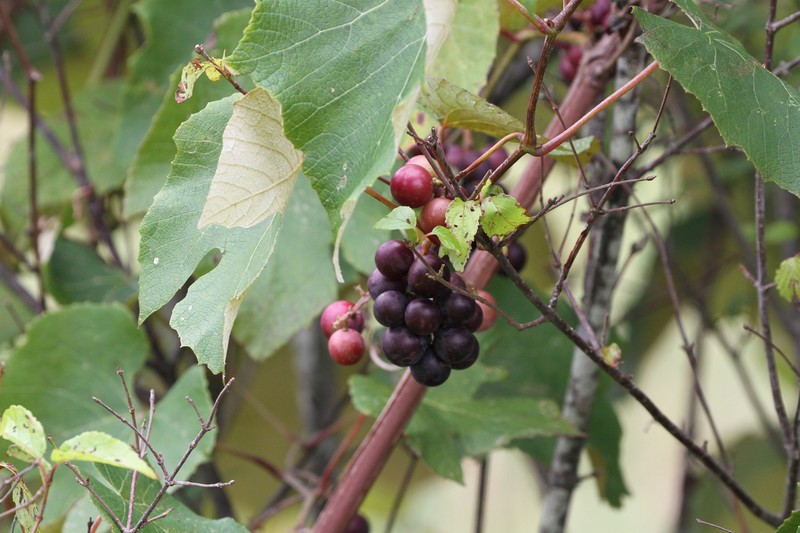
Lucy Keith-Diagne (www.inaturalist.org)
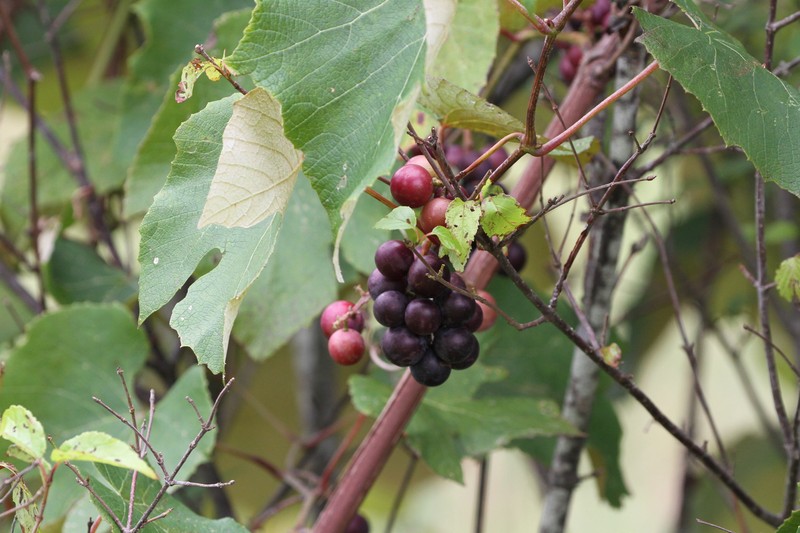
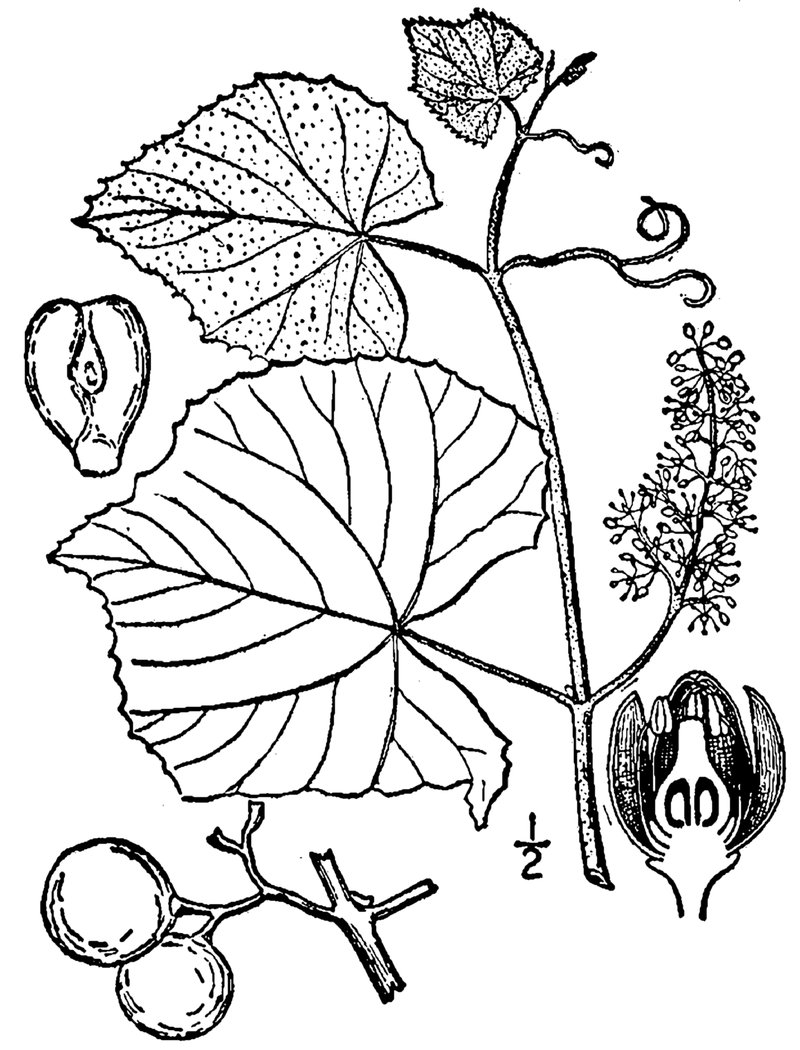
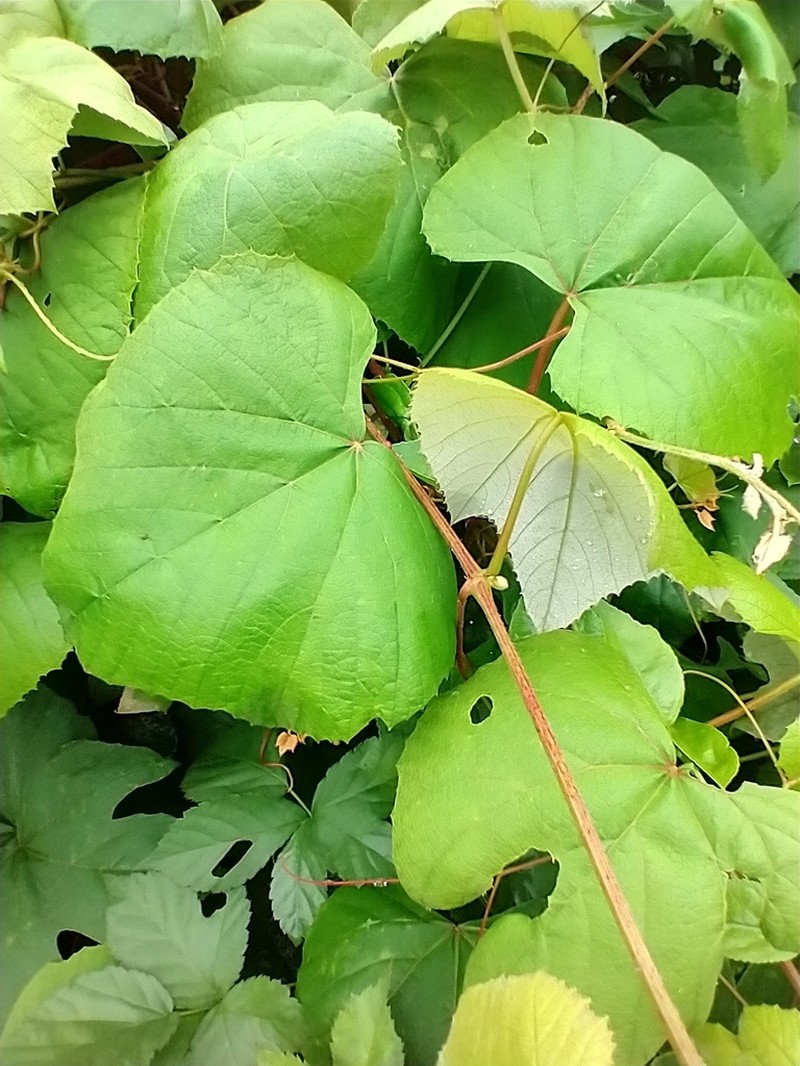
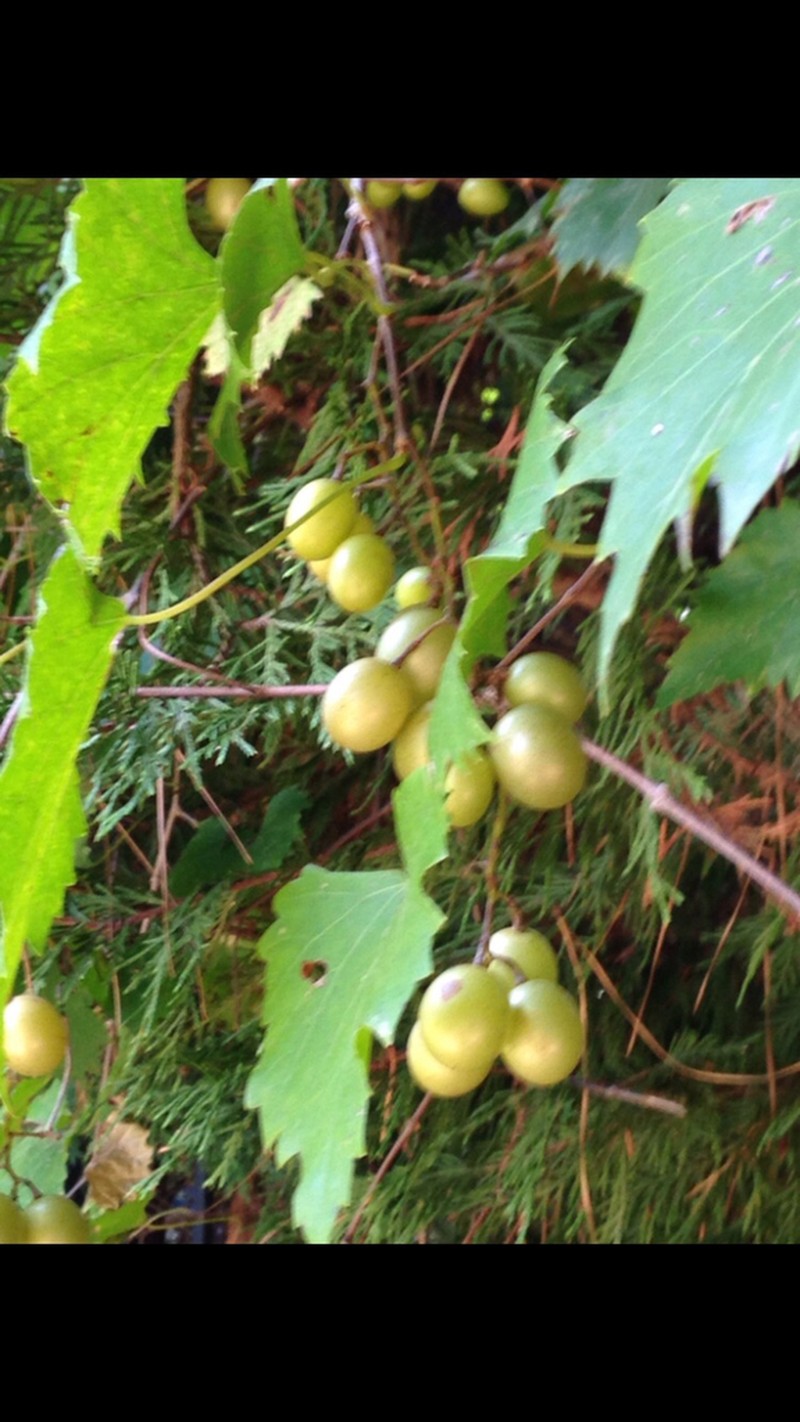
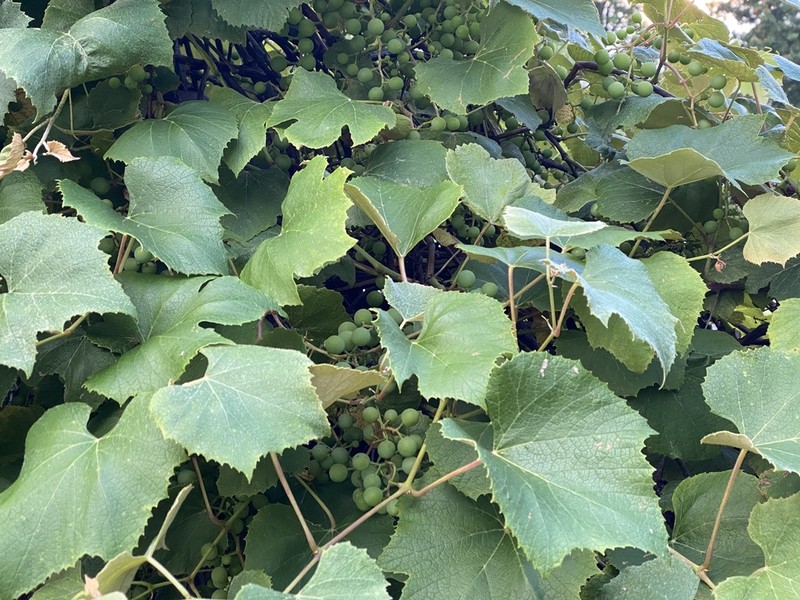
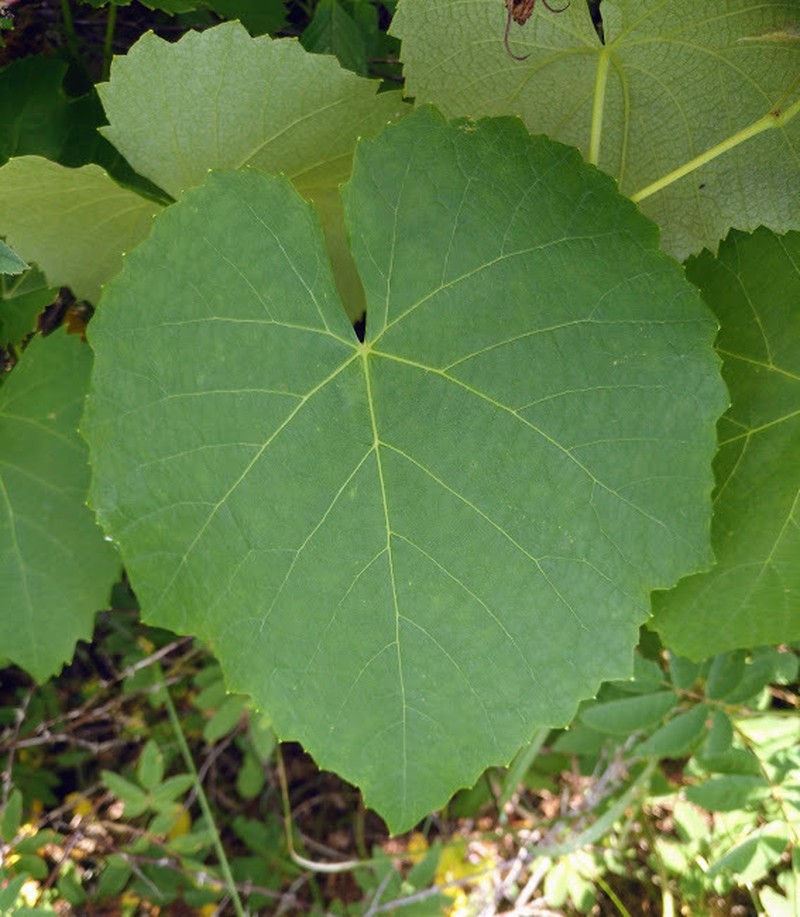
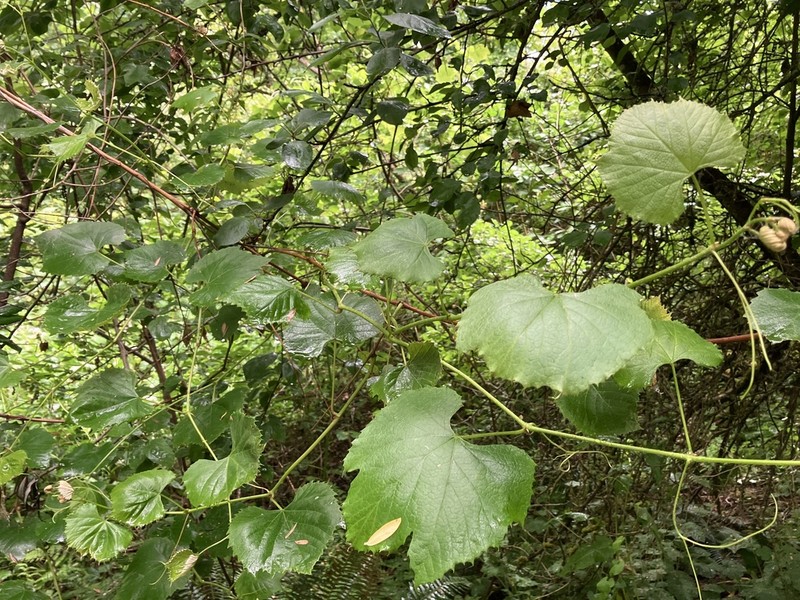
Taxonomy
- Division:
- Magnoliophyta | - Flowering plants
- Family:
- Vitaceae
- Genus:
- Vitis
- Species:
- Vitis labrusca
- USDA Symbol:
- VILA8
Growth Characteristics
- Life Cycle:
- Perennial
- Growth Habit:
- Vine
- Height:
- 1500 cm
- Light Requirements:
- Full Sun,Part Shade,Shade
- Drought Tolerance:
- Medium
- Bloom Months:
- may,jun,jul
- Bloom Colors:
- greenish
- Food Forest:
- Contains edible parts
Wildlife Benefits
- Butterflies & Moths:
- ★★☆☆☆ Documented Lepidoptera association (GBIF)
- Caterpillars:
- ★☆☆☆☆ Recorded caterpillar host plant (HOSTS Database)
Keystone Species Ranking
- Caterpillar Keystone:
- ★★★★☆ Butterfly & moth species supported by this genus (NWF)
Host Plant for Caterpillars
Copper Underwing (Amphipyra pyramidoides), Grape root borer (Vitacea polistiformis), Isabella tiger moth (Pyrrharctia isabella), Virginia creeper sphinx (Darapsa myron), Virginia Tiger Moth (Spilosoma virginica)
Reported Fauna Sightings
Moths:Antispila isabella, Eight-spotted Forester (Alypia octomaculata), Grapeleaf skeletonizer (Harrisina americana), grapevine leafminer (Phyllocnistis vitegenella), Heliozela aesella, Phyllocnistis vitifoliella, Virginia creeper sphinx (Darapsa myron)
Garden & Ecology Notes
- Wildlife Value:
- birds, mammals
- Fragrant:
- Yes
- Fall Color:
- yellow, red
Soil Requirements
- Soil Type:
- fertile, well-drained loamy soil
- pH:
- 5.5 - 7.0 (slightly acidic to neutral)
- Drainage:
- excellent drainage required
- Moisture:
- consistently moist
- Notes:
- Prefers soils rich in organic matter
Propagation & Germination
- Stratification:
- Cold/moist stratification required — 60–90 days
- Germination Time:
- 30–60 days
- Notes:
- Seeds require cold stratification for 2-3 months; germination occurs in spring.
Pre-treatment: Single-step cold-moist stratification for temperate woodland species. for 60–120 days
Source: Claude AI