
Muscadine
Vitis rotundifolia
- Native to:
- Bahamas, Mexico, United States, Virgin Islands
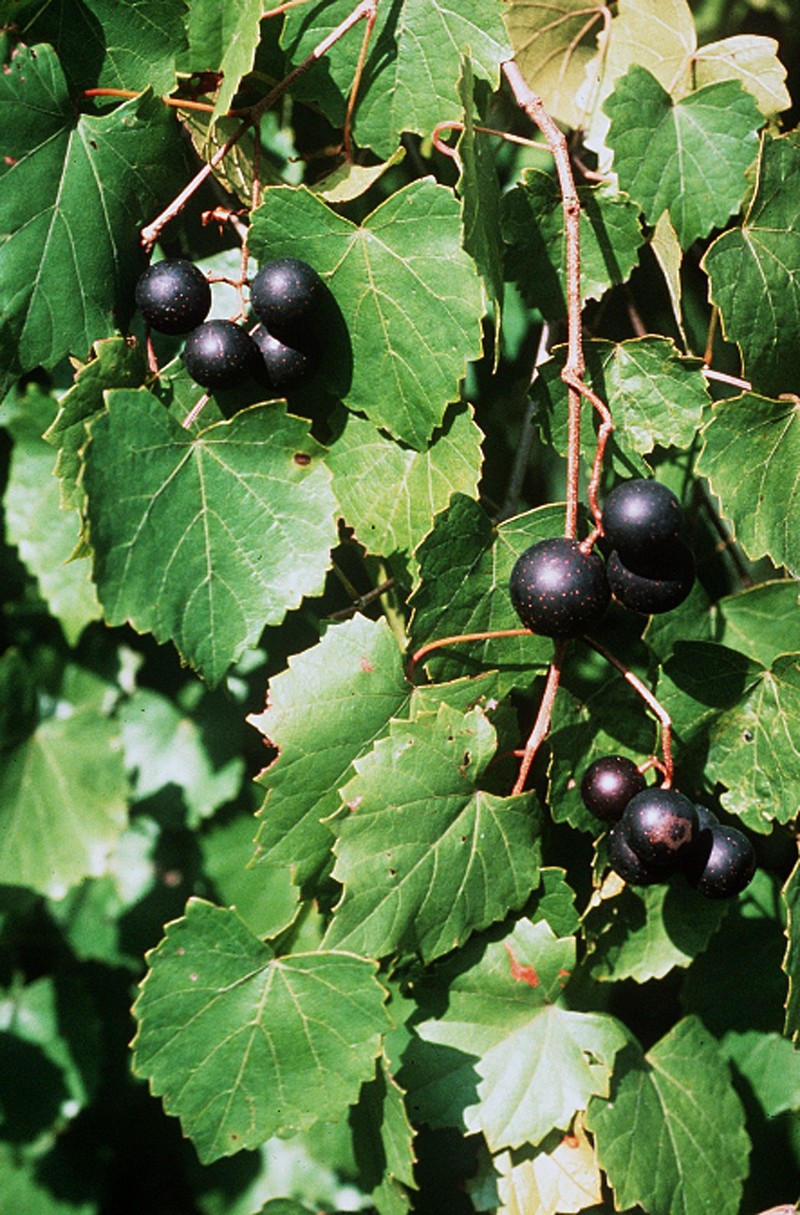
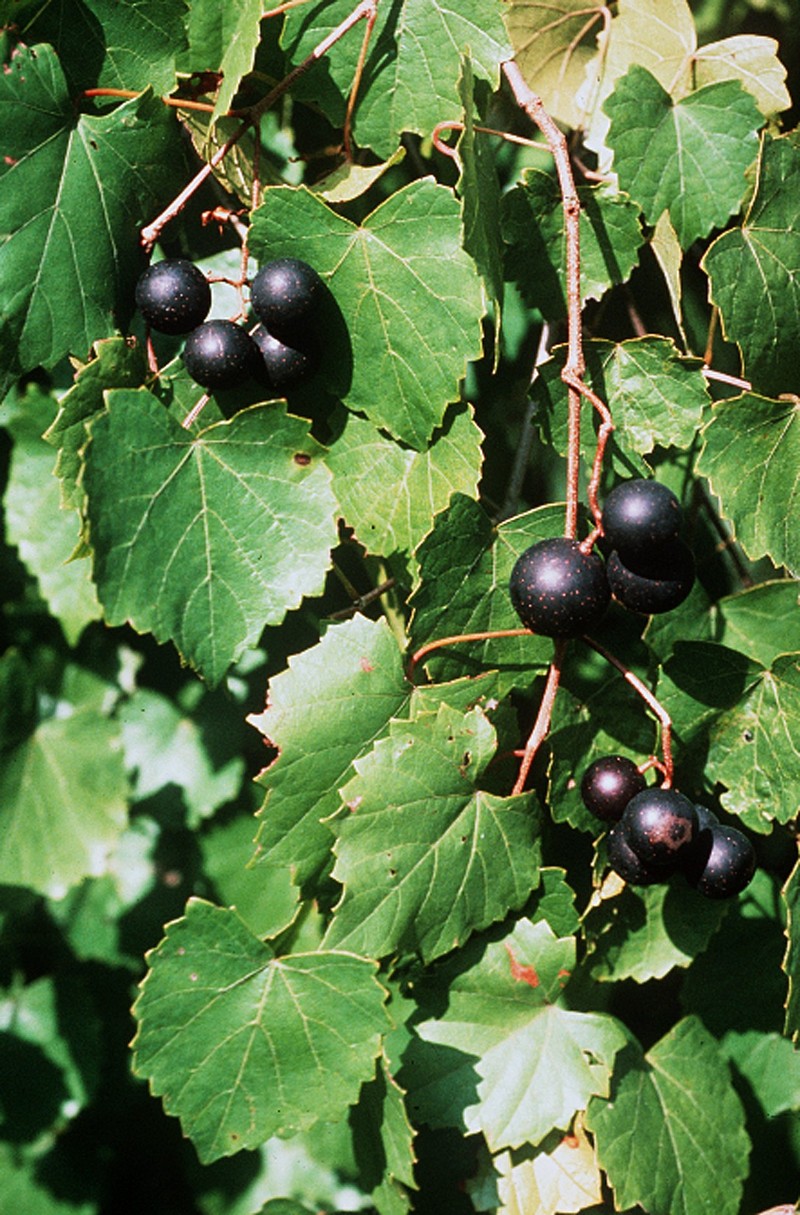
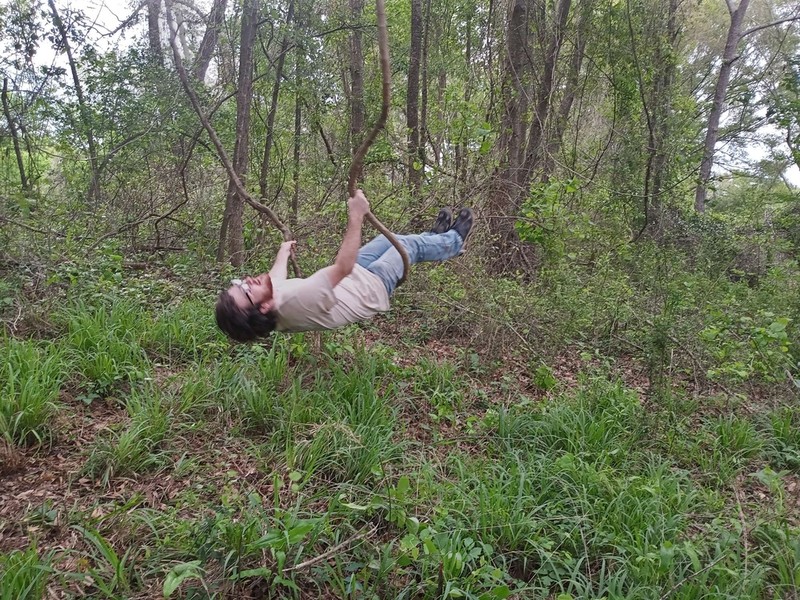
iNaturalist: © safron (iNaturalist #154556872)
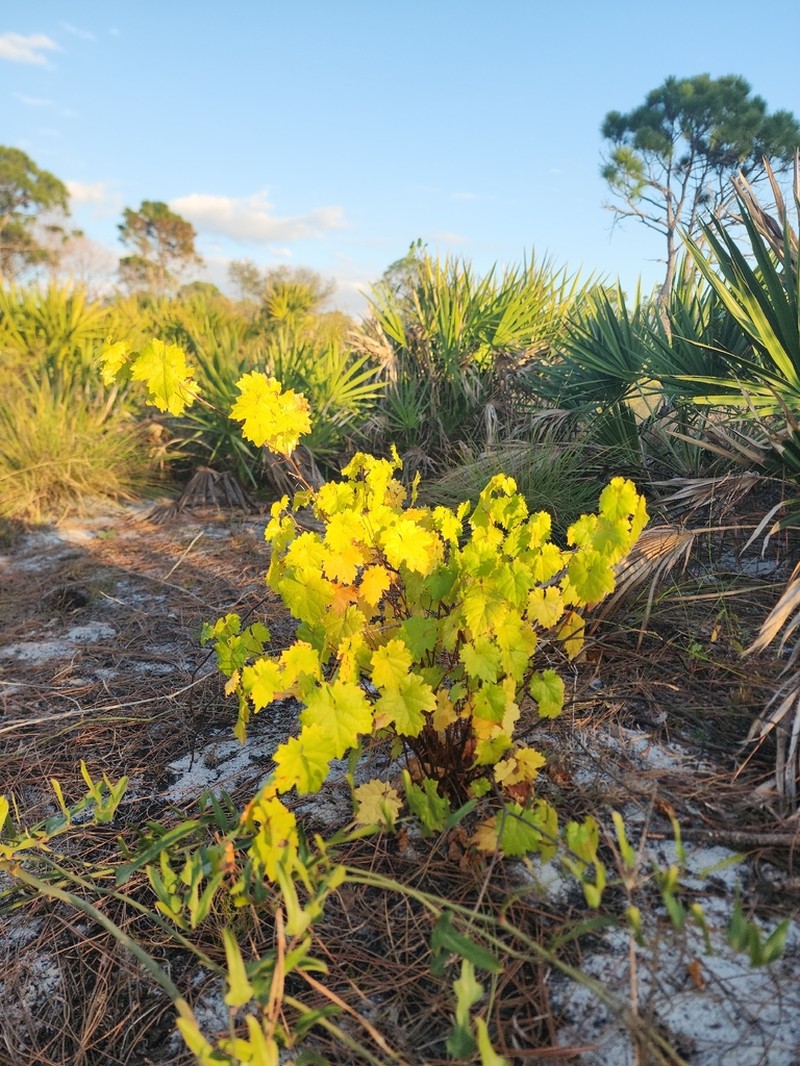
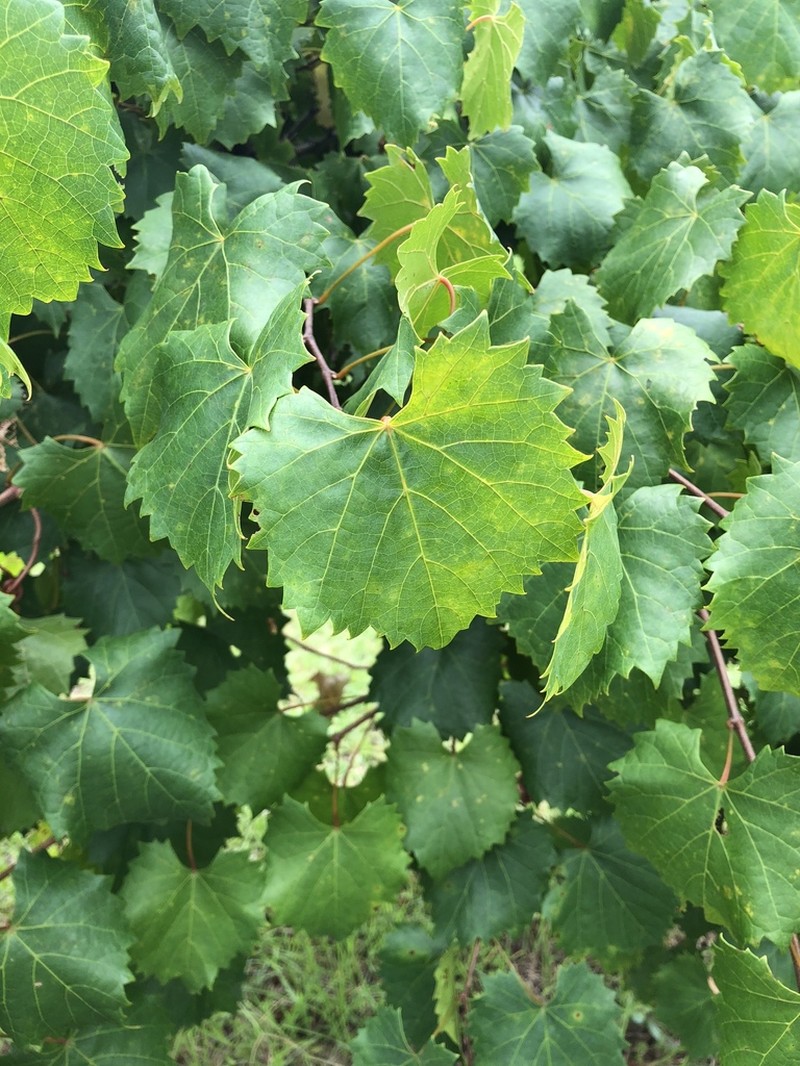
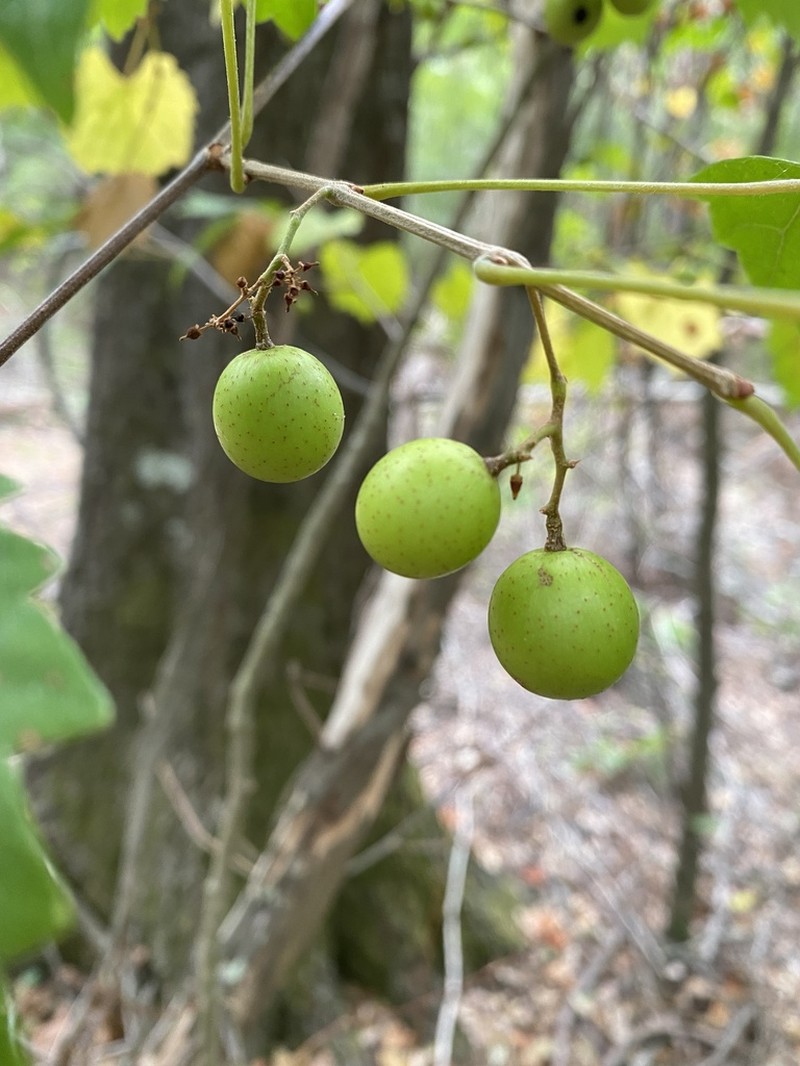
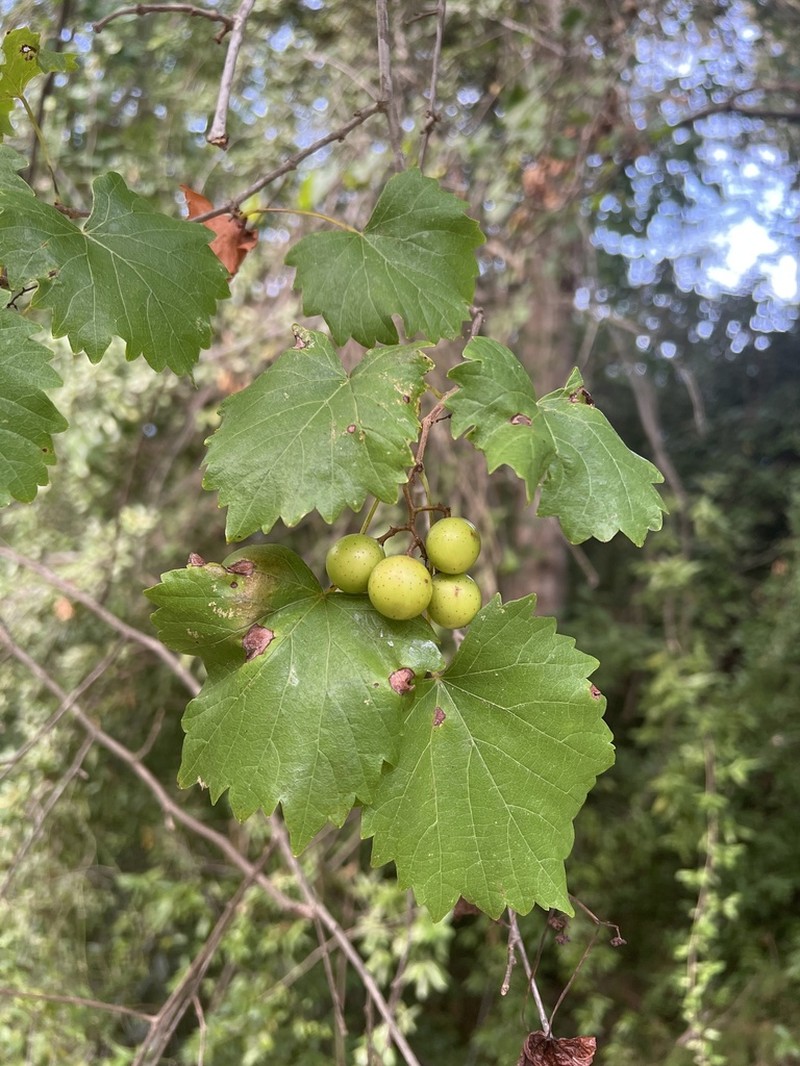
Taxonomy
- Division:
- Magnoliophyta | - Flowering plants
- Family:
- Vitaceae
- Genus:
- Vitis
- Species:
- Vitis rotundifolia
- USDA Symbol:
- VIRO3
Growth Characteristics
- Life Cycle:
- Perennial
- Growth Habit:
- Vine
- Height:
- 3000 cm
- Light Requirements:
- Part Shade
- Drought Tolerance:
- Medium
- Bloom Months:
- may,jun,jul
- Bloom Colors:
- greenish
- Food Forest:
- Contains edible parts
Wildlife Benefits
- Bees:
- ★☆☆☆☆ Documented bee visitation (GBIF)
- Butterflies & Moths:
- ★★★☆☆ Documented Lepidoptera association (GBIF)
Keystone Species Ranking
- Caterpillar Keystone:
- ★★★★☆ Butterfly & moth species supported by this genus (NWF)
Reported Fauna Sightings
Moths:grapevine leafminer (Phyllocnistis vitegenella), Phyllocnistis vitifoliella
Garden & Ecology Notes
- Wildlife Value:
- birds, mammals
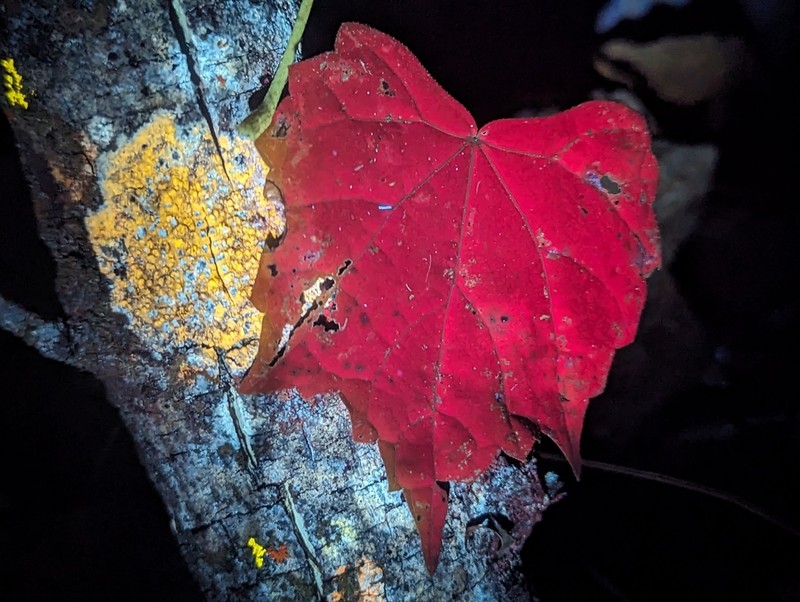
- Fall Color:
- red, purple
Soil Requirements
- Soil Type:
- sandy, well-drained, moderately fertile
- pH:
- 4.5 - 6.5 (acidic to slightly acidic)
- Drainage:
- excellent drainage required
- Moisture:
- dry to moderate
- Notes:
- Prefers soils with good organic matter content
Propagation & Germination
- Stratification:
- Cold/moist stratification required — 60–90 days
- Germination Time:
- 30–60 days
- Notes:
- Seeds benefit from cold stratification for 2-3 months to break dormancy.
Where to Buy
Nationwide Seller
- Sheffield's Seed (seeds)