
Jamaican Feverplant
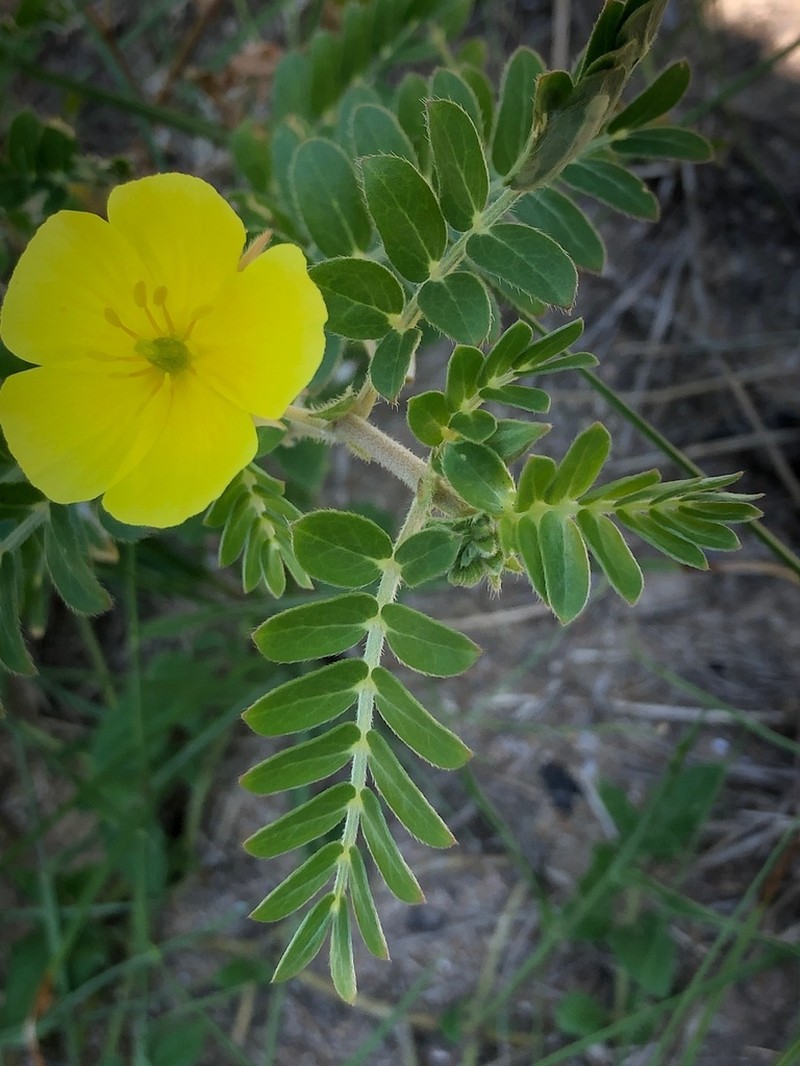
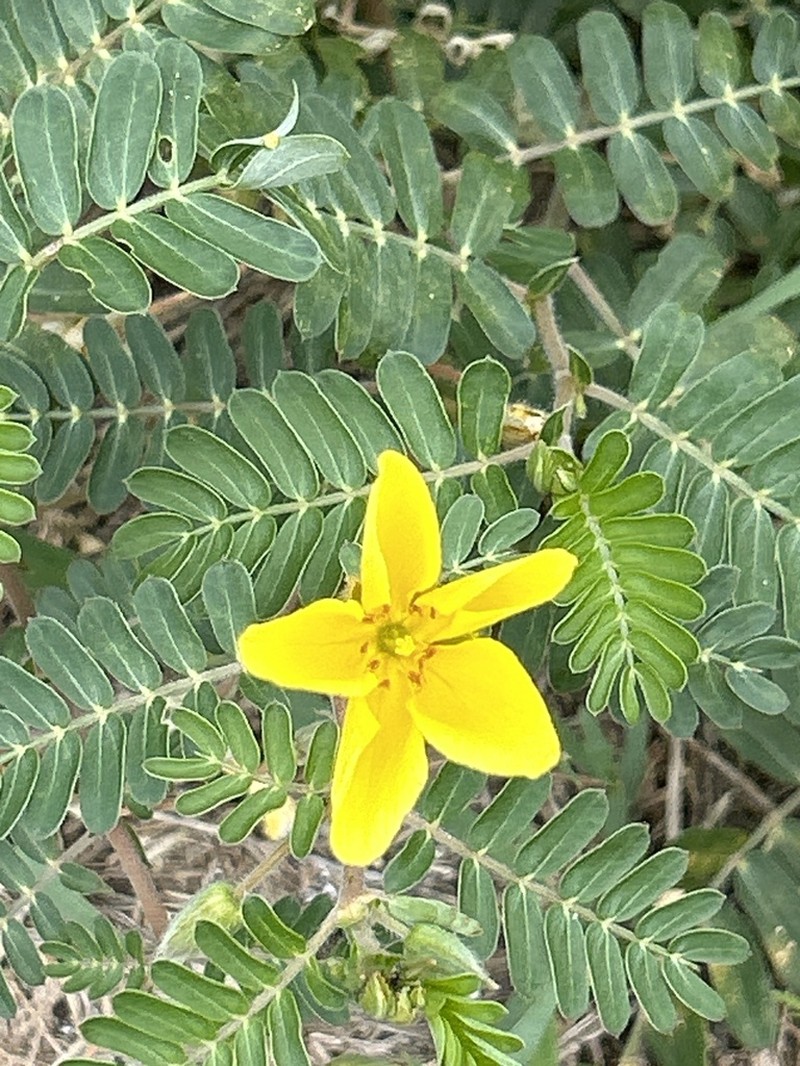
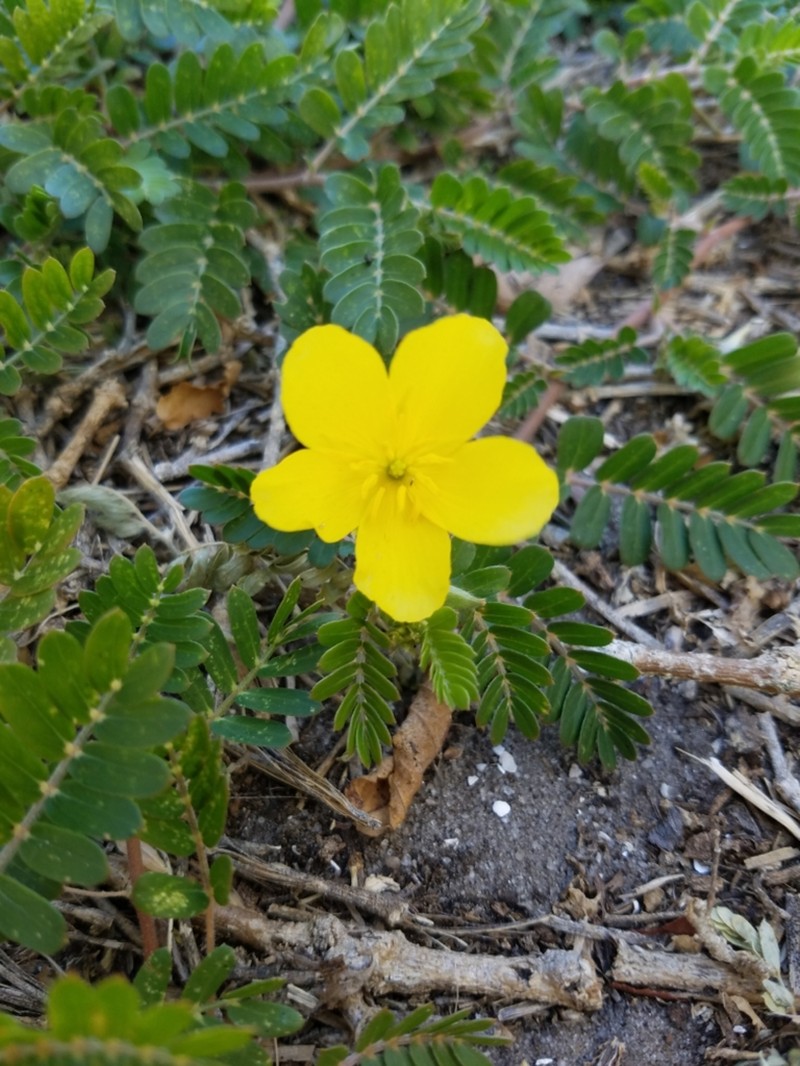
Tribulus cistoides
- Native to:
- Australia, Cape Verde, China, Comoros, Eritrea, Ethiopia, Gilbert Is., Guam, Hainan, Howland-Baker Is., Jawa, Kenya, Lesser Sunda Is., Line Is., Madagascar, Maluku, Marianas, Marquesas, Marshall Is., Marshall Islands, Mozambique, Mozambique Channel Is., Navassa Island, New Caledonia, New Guinea, Northern Mariana Islands, Phoenix Is., Somalia, South China Sea, Sudan-South Sudan, Sulawesi, Taiwan, Tanzania, Thailand, Tokelau-Manihiki, U.S. Minor Outlying Islands, United States, Vietnam, Wake I.
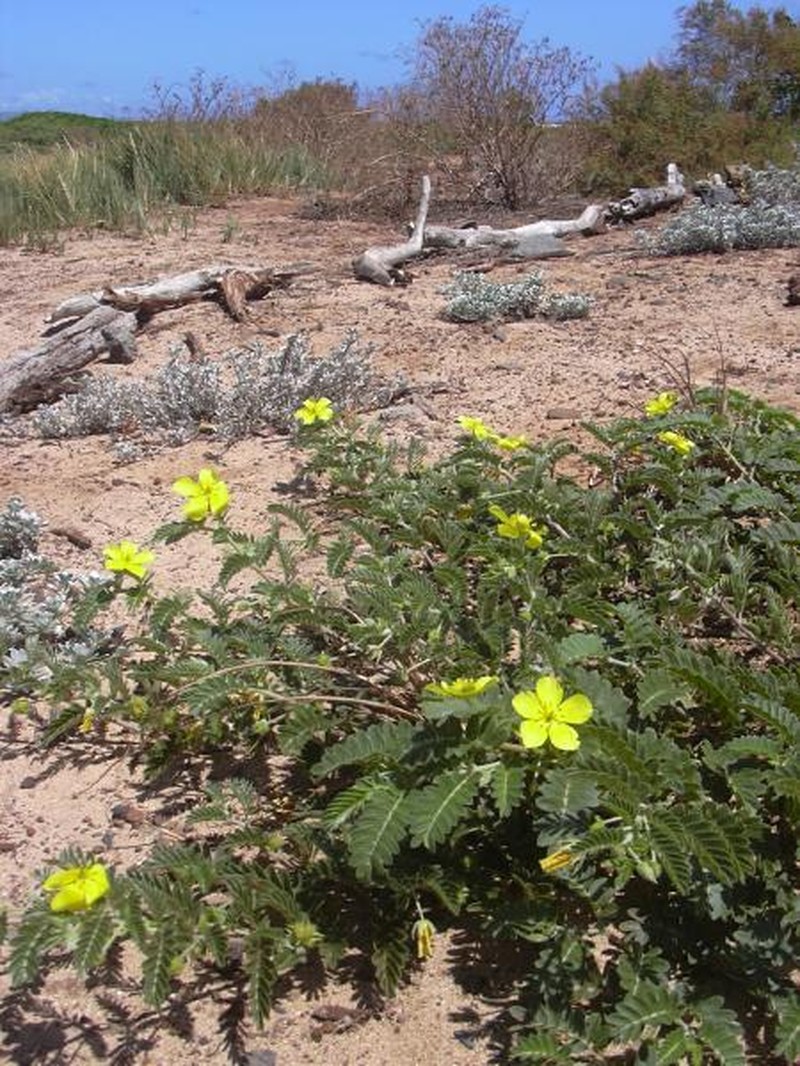
JerryFriedman (en.wikipedia.org) at en.wikipedia
Taxonomy
- Division:
- Magnoliophyta | - Flowering plants
- Family:
- Zygophyllaceae
- Genus:
- Tribulus
- Species:
- Tribulus cistoides
- USDA Symbol:
- TRCI2
Growth Characteristics
- Life Cycle:
- Perennial
- Growth Habit:
- Forb/herb , Subshrub , Vine
- Height:
- 30 cm
- Light Requirements:
- Full Sun
- Drought Tolerance:
- High
- Bloom Months:
- mar,apr,may,jun,jul,aug,sep,oct
- Bloom Colors:
- yellow
- Ground Cover:
- Yes
Wildlife Benefits
- Bees:
- ★☆☆☆☆ Documented bee visitation (GBIF)
- Butterflies & Moths:
- ★☆☆☆☆ Documented Lepidoptera association (GBIF)
Garden & Ecology Notes
- Wildlife Value:
- bees, butterflies
- Deer Resistant:
- Yes
- Salt Tolerant:
- Yes
Soil Requirements
- Soil Type:
- sandy, well-drained, nutrient-poor soil
- pH:
- 6.0 - 8.0 (slightly acidic to alkaline)
- Drainage:
- excellent drainage required
- Moisture:
- dry to moderate
- Notes:
- thrives in coastal and desert regions
Propagation & Germination
- Scarification:
- Seed coat scarification required before sowing
- Germination Time:
- 14–30 days
- Notes:
- Seeds require scarification (nicking or sanding) to break the hard seed coat; soak in warm water for 24 hours before planting.
Pre-treatment: For seeds: Soak overnight in water. For cuttings: Cut plants into 6-8 inch lengths with at least 3 nodes per strand. Place about 3 strands in each pot filled 1/3 with well-drained potting mix.
Establishment: The plant is indigenous to Hawai'i and is found in coastal habitats. It is also used by many seabirds for nesting materials. Propagation can be done by both seeds and cuttings, but cuttings have a higher germination rate.
Source: npn.rngr.net