
Western Brackenfern
Pteridium aquilinum
- Native to:
- Albania, Algeria, Antipodean Is., Austria, Azores, Baleares, Baltic States, Belarus, Belgium, Bulgaria, Canada, Canary Is., Chatham Is., Corse, Cyprus, Czechia-Slovakia, Denmark, Ethiopia, Finland, France, Germany, Great Britain, Greece, Hawaii, Hungary, Iran, Ireland, Italy, Kazakhstan, Kermadec Is., Kriti, Krym, Kuril Is., Lebanon-Syria, Madeira, Morocco, Netherlands, New Zealand, North Caucasus, Norway, NW. Balkan Pen., Palestine, Poland, Portugal, Romania, Russia, Sardegna, Selvagens, Sicilia, Socotra, Spain, Sweden, Switzerland, Transcaucasus, Tunisia, Türkiye, Türkiye-in-Europe, Ukraine, United States, Yemen
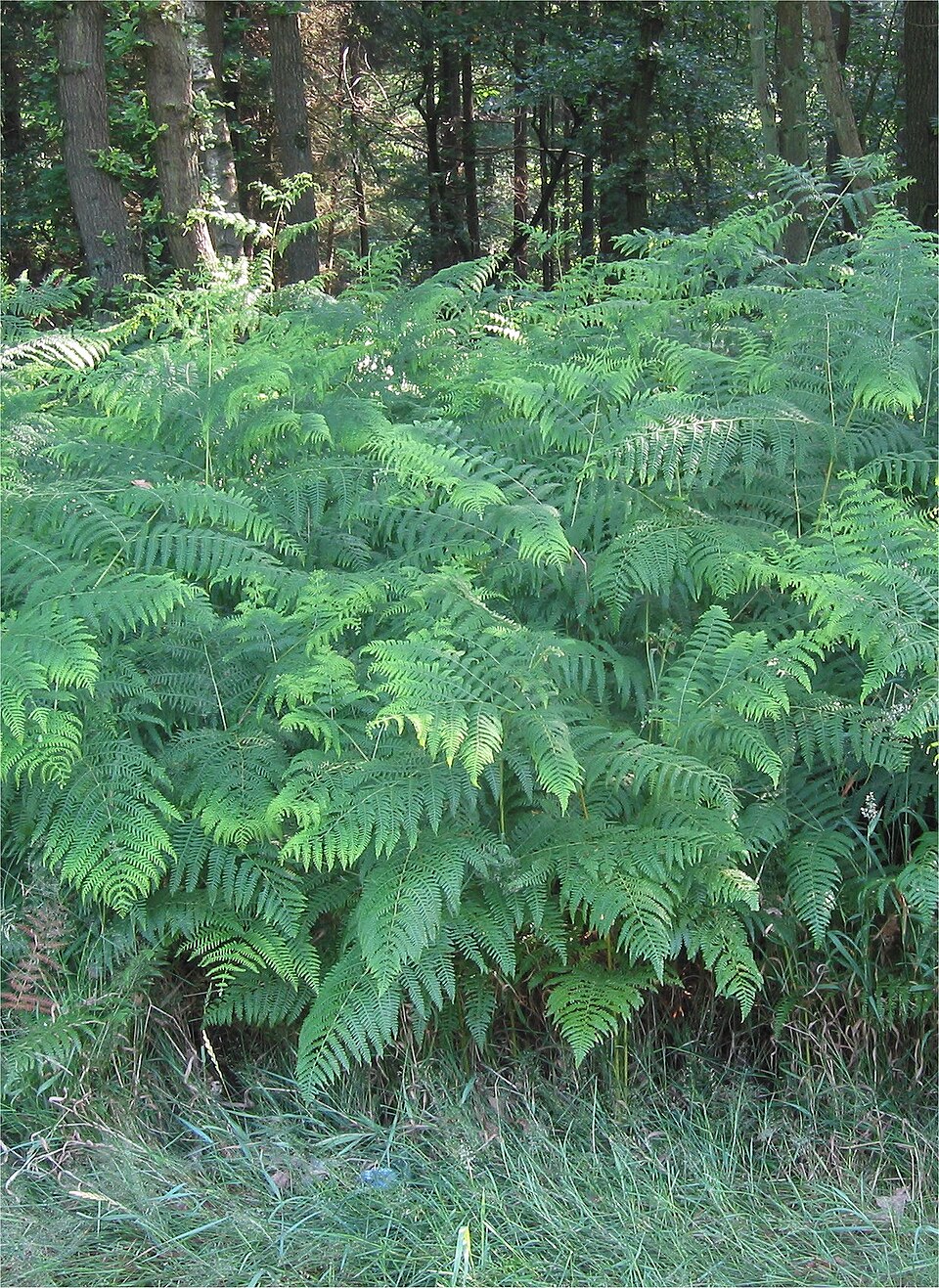
Suntooooth
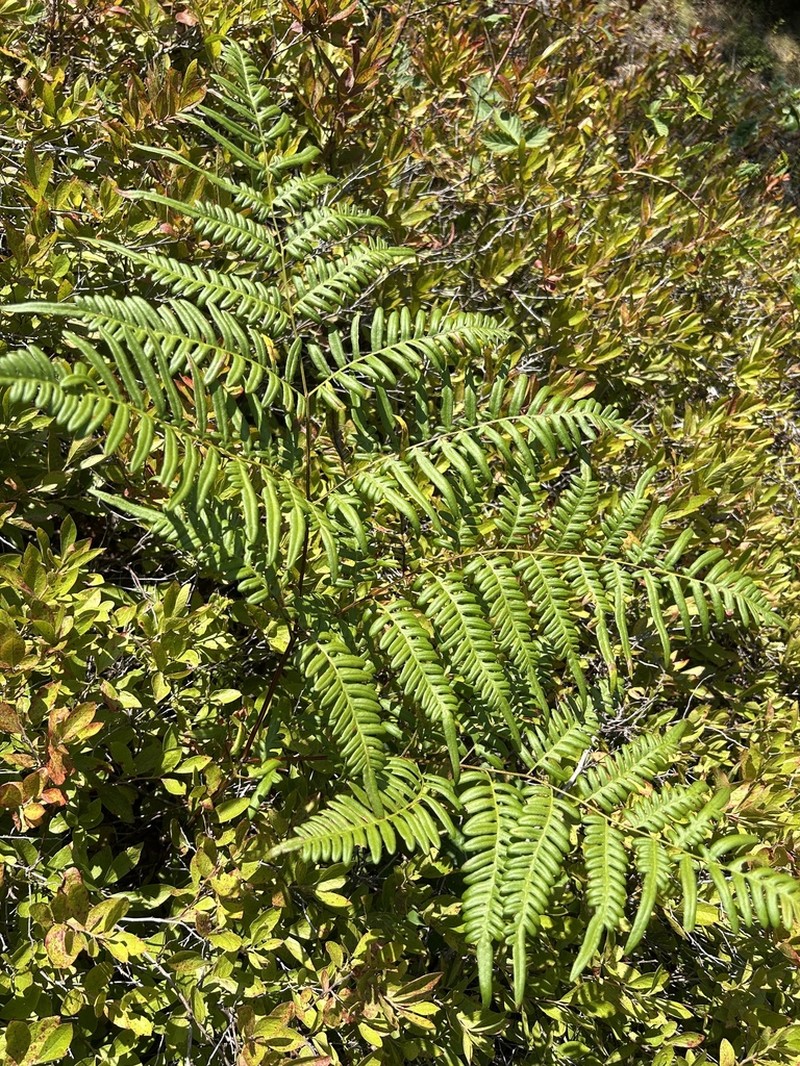
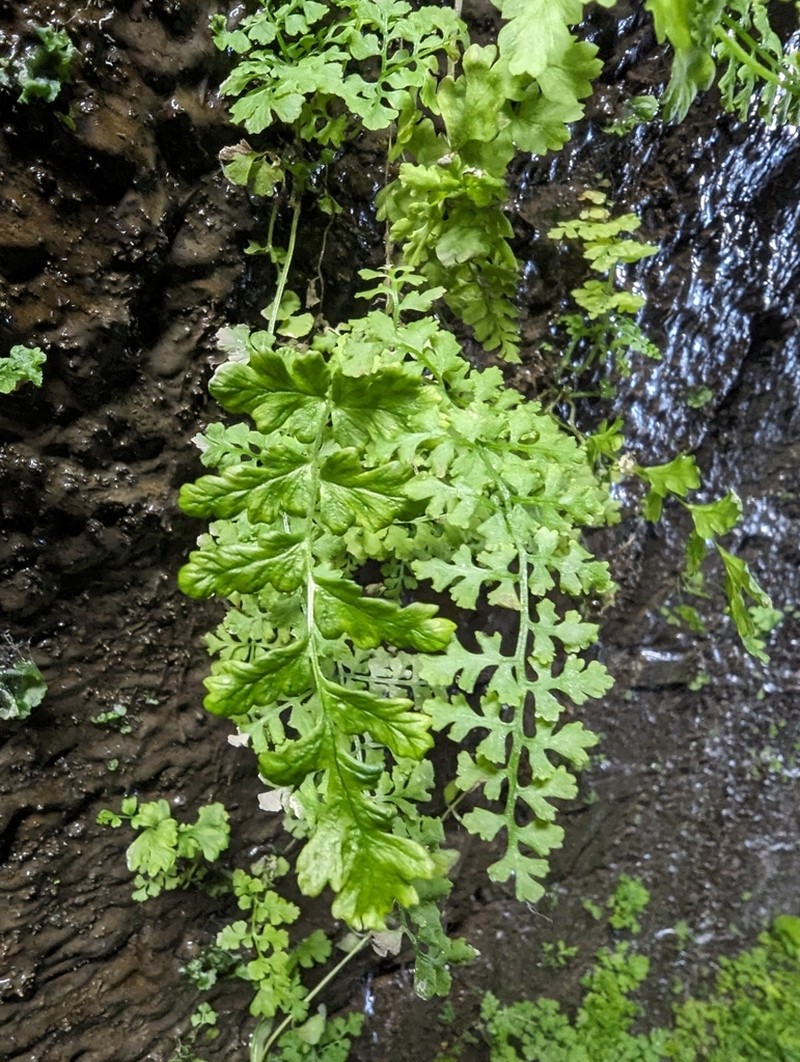
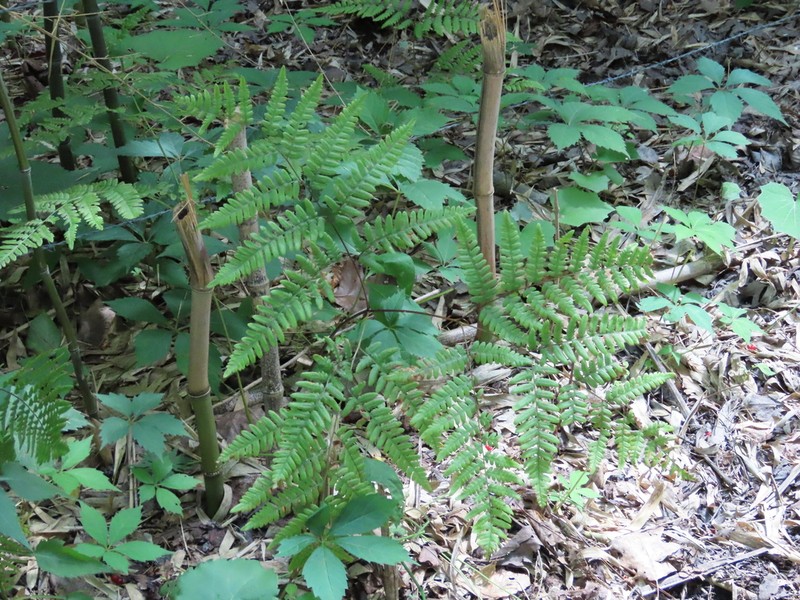
Taxonomy
- Division:
- Pteridophyta | - Ferns
- Family:
- Dennstaedtiaceae
- Genus:
- Pteridium
- Species:
- Pteridium aquilinum
- USDA Symbol:
- PTAQ
Growth Characteristics
- Life Cycle:
- Perennial
- Growth Habit:
- Forb/herb
- Height:
- 150 cm
- Light Requirements:
- Part Shade,Shade
- Drought Tolerance:
- Medium
Wildlife Benefits
- Bees:
- ★☆☆☆☆ Documented bee visitation (GBIF)
- Butterflies & Moths:
- ★★★★★ Documented Lepidoptera association (GBIF)
- Caterpillars:
- ★★★☆☆ Recorded caterpillar host plant (HOSTS Database)
- Hummingbirds:
- ★★★★☆ Documented hummingbird visits (GBIF)
Keystone Species Ranking
- Caterpillar Keystone:
- ★★☆☆☆ Butterfly & moth species supported by this genus (NWF)
Host Plant for Caterpillars
Garden & Ecology Notes
- Wildlife Value:
- birds, small mammals
- Fire Ecology:
- Fire adapted — tolerates or benefits from fire
- Fire Notes:
- Rhizomes survive fire and resprout vigorously; often increases after fire.
Soil Requirements
- Soil Type:
- sandy, acidic, nutrient-poor soil
- pH:
- 4.5 - 6.5 (acidic to slightly acidic)
- Drainage:
- excellent drainage required
- Moisture:
- dry to moderate
- Notes:
- commonly found in open woodlands and heathlands
Propagation & Germination
- Stratification:
- None required
- Notes:
- Spores germinate readily on moist, sterile soil; no pretreatment needed.
Pre-treatment: Collect spores from the surface of paper and surface sow in sterilized flats filled with sterile, finely milled peat moss that has been moistened with distilled water. Water spores with distilled water and seal flats with clear plastic wrap to seal in moisture and prevent fungal contamination. Place sealed flats in greenhouse set at 75/55 16/8 day/night temperature cycle.
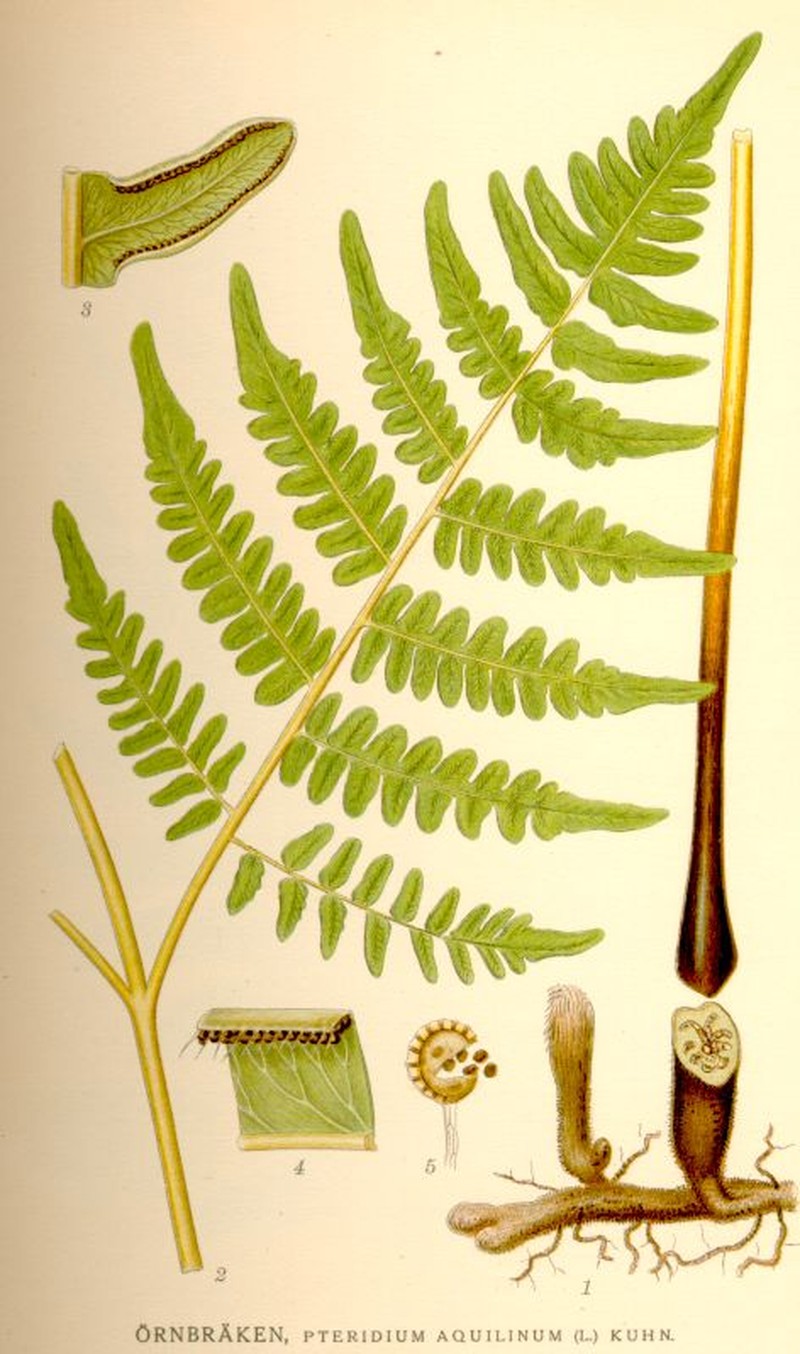
Establishment: A unique characteristic of bracken fern is that the sterile (non-spore bearing frond) frond margins are covered by inrolled 'false' indusium that contains no spores. Collectors must be able to distinguish between fertile spore bearing fronds and non-fertile fronds. Collect spores just as the indusium begins to lift and spores become visible underneath.
Source: npn.rngr.net