
Old World Forkedfern
Dicranopteris linearis
Also known as: Gleichenia linearis
- Native to:
- American Samoa, Andaman Is., Angola, Australia, Bangladesh, Bismarck Archipelago, Borneo, Burundi, Cambodia, Cameroon, Caroline Is., China, Comoros, Cook Is., DR Congo, Equatorial Guinea, Eswatini, Ethiopia, Federated States of Micronesia, Fiji, Gabon, Ghana, Guam, Guinea, Gulf of Guinea Is., Hainan, Hawaii, India, Ivory Coast, Japan, Jawa, Kenya, Laos, Lesser Sunda Is., Liberia, Madagascar, Malawi, Malaya, Maluku, Marianas, Marquesas, Mauritius, Mozambique, Myanmar, Nansei-shoto, Nepal, New Caledonia, New Guinea, New Zealand, Nicobar Is., Nigeria, Northern Mariana Islands, Palau, Philippines, Pitcairn Is., Réunion, Rwanda, Samoa, Seychelles, Sierra Leone, Society Is., Solomon Is., South Africa, Sri Lanka, Sulawesi, Sumatera, Taiwan, Tanzania, Thailand, Tonga, Tuamotu, Tubuai Is., Uganda, United States, Vanuatu, Vietnam, Wallis-Futuna Is., Zambia, Zimbabwe
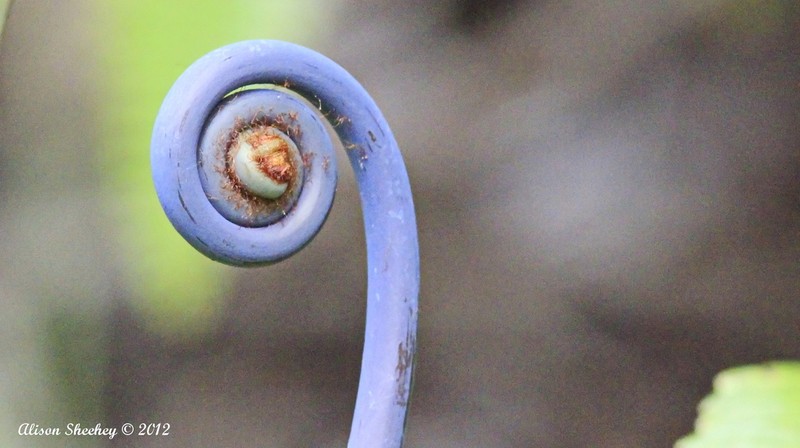
iNaturalist: © natureali (iNaturalist #9954035)
Taxonomy
- Division:
- Pteridophyta | - Ferns
- Family:
- Gleicheniaceae
- Genus:
- Dicranopteris
- Species:
- Dicranopteris linearis
- USDA Symbol:
- DILI
Growth Characteristics
- Life Cycle:
- Perennial
- Growth Habit:
- Forb/herb , Vine
- Height:
- 150 cm
- Light Requirements:
- Full Sun
- Drought Tolerance:
- Low
- Ground Cover:
- Yes
Wildlife Benefits
- Butterflies & Moths:
- ★★★★★ Documented Lepidoptera association (GBIF)
Garden & Ecology Notes
- Deer Resistant:
- Yes
- Fire Ecology:
- Fire adapted — tolerates or benefits from fire
- Fire Notes:
- Resprouts vigorously after fire; often increases in dominance post-fire in Hawaiian forests.
Soil Requirements
- Soil Type:
- sandy, acidic, nutrient-poor soil
- pH:
- 4.5 - 6.5 (acidic to slightly acidic)
- Drainage:
- excellent drainage required
- Moisture:
- dry to moderate
- Notes:
- commonly found in open, disturbed areas
Propagation & Germination
Pre-treatment: Individual 5.0 mg packets of D. linearis spores were portioned using an analytical balance. A fine paintbrush was used to disperse spores onto the medium. The brush was held approximately 5 cm above the medium’s surface and spores were sown by lightly tapping the brush.
Source: npn.rngr.net