
Royal Fern
Osmunda regalis
- Native to:
- Albania, Algeria, Angola, Azores, Belgium, Bulgaria, Burkina, Burundi, Cameroon, Canada, Cape Verde, Central African Republic, Corse, Czechia-Slovakia, Denmark, DR Congo, Eswatini, Ethiopia, France, Germany, Great Britain, Greece, Guinea, Gulf of Guinea Is., Hungary, Iran, Ireland, Italy, Kenya, Kriti, Lebanon-Syria, Lesotho, Liberia, Madagascar, Malawi, Mali, Mauritius, Morocco, Mozambique, Netherlands, Nigeria, North Caucasus, Norway, NW. Balkan Pen., Palestine, Poland, Portugal, Réunion, Rwanda, Sardegna, Sicilia, Sierra Leone, South Africa, Spain, Sudan-South Sudan, Sweden, Switzerland, Tanzania, Transcaucasus, Tunisia, Türkiye, Türkiye-in-Europe, Uganda, United States, Zambia, Zimbabwe
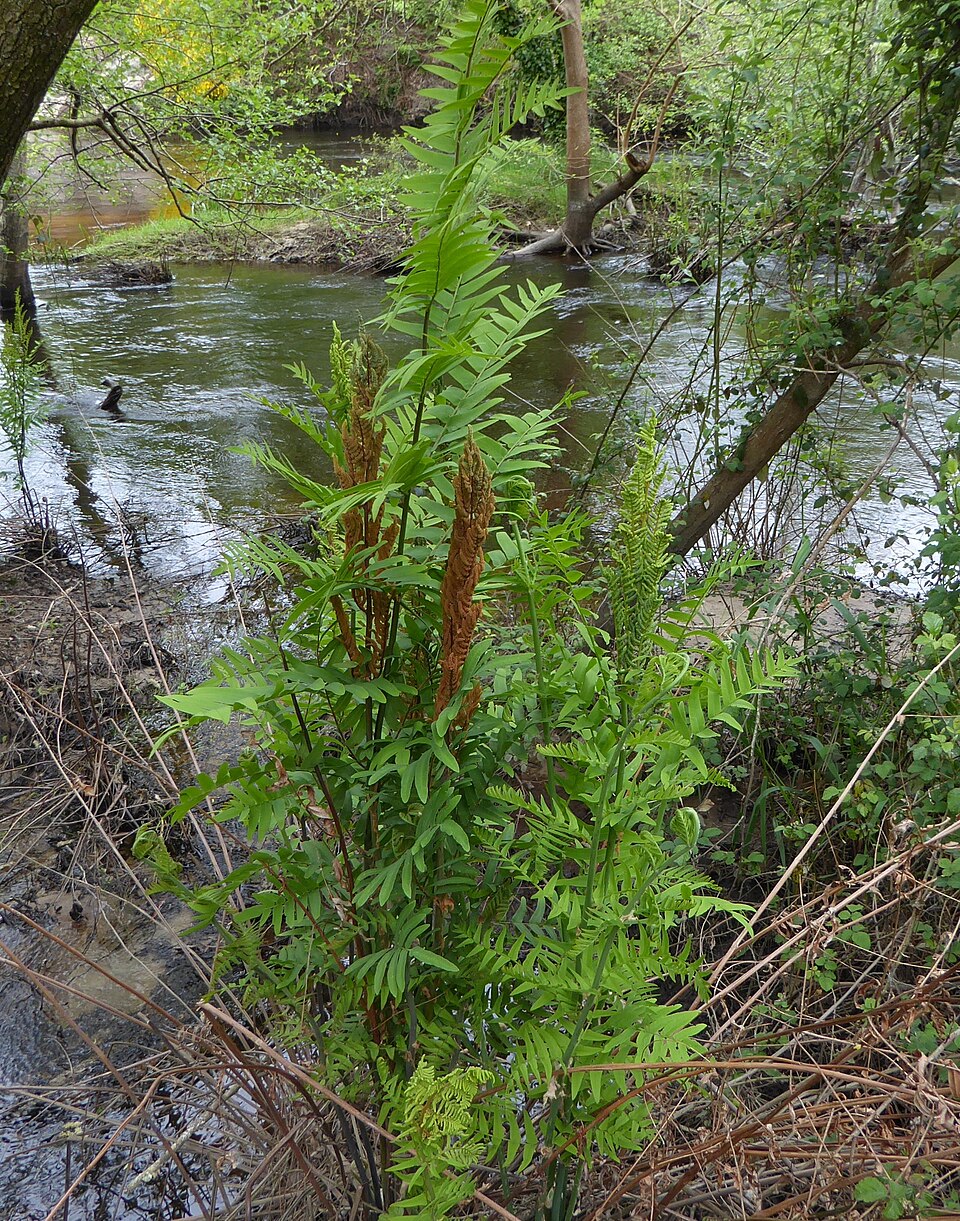
Ayotte, Gilles, 1948-
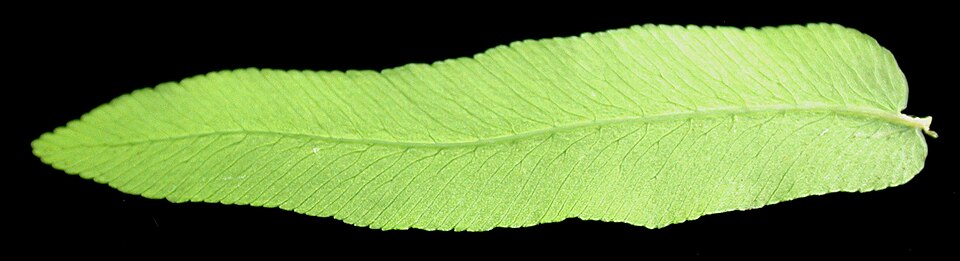
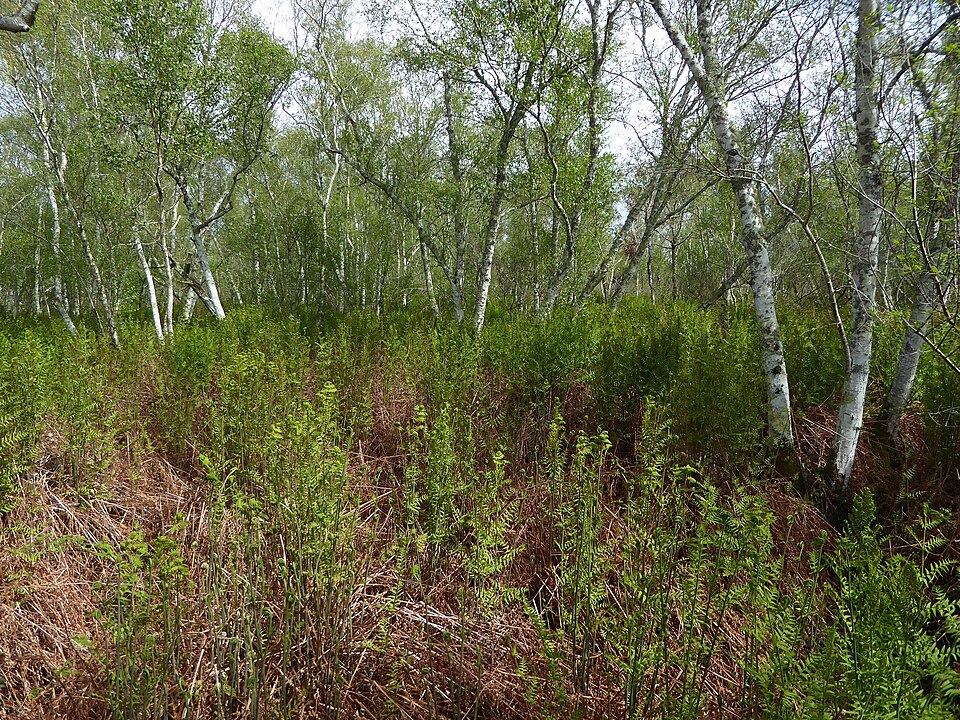
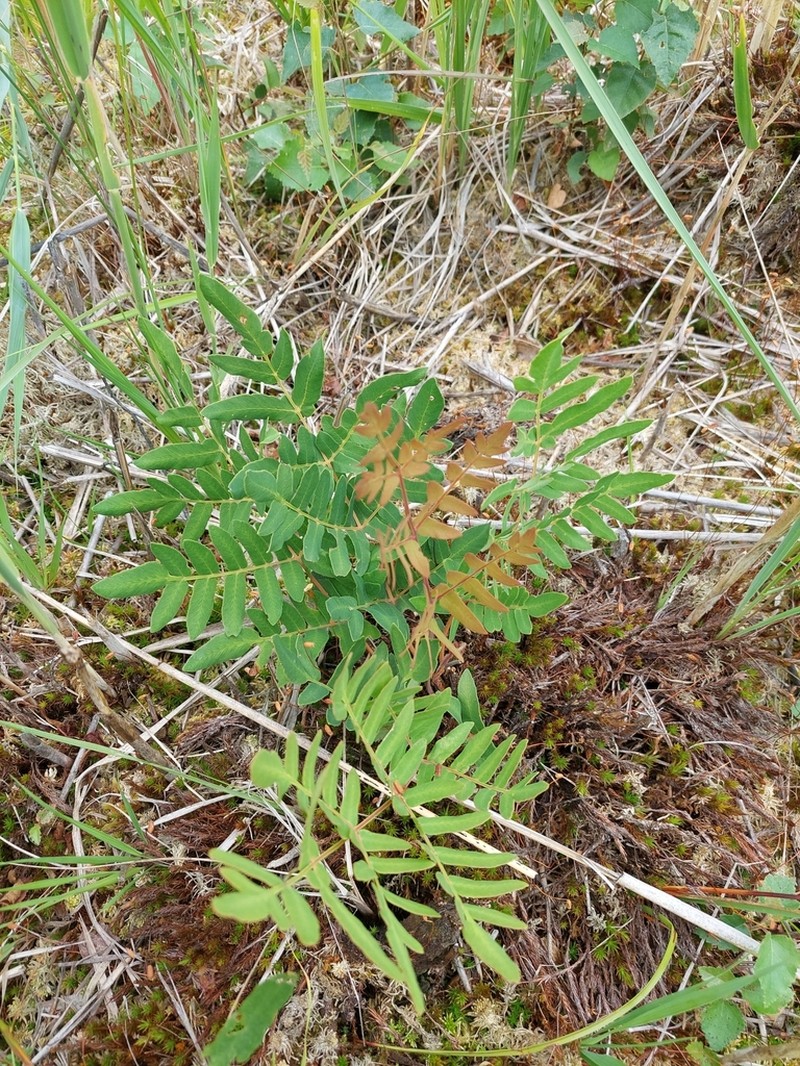
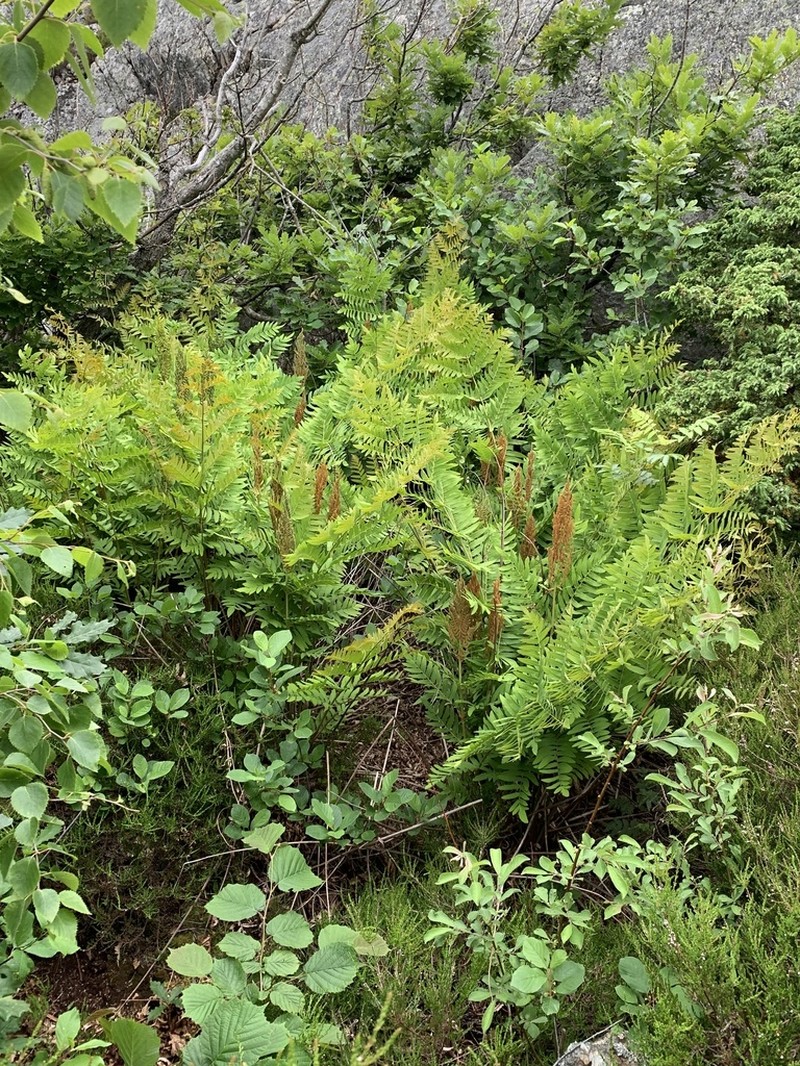
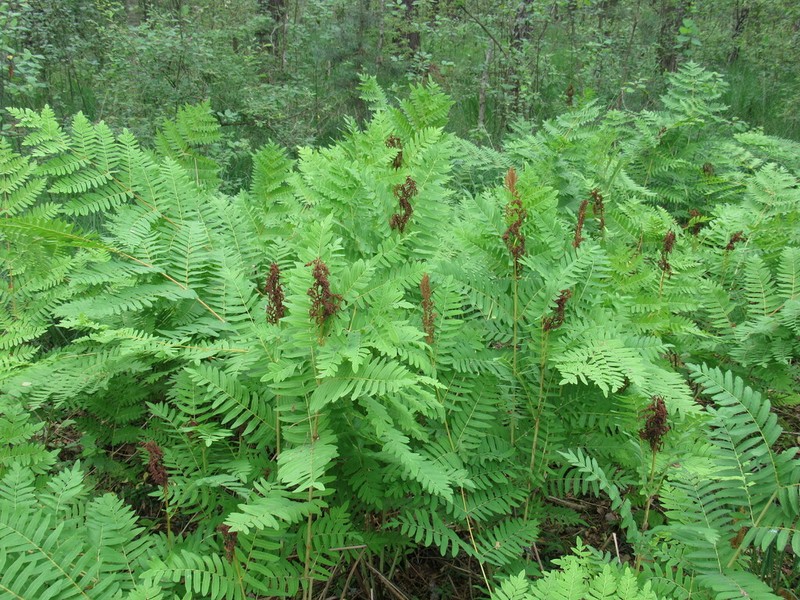
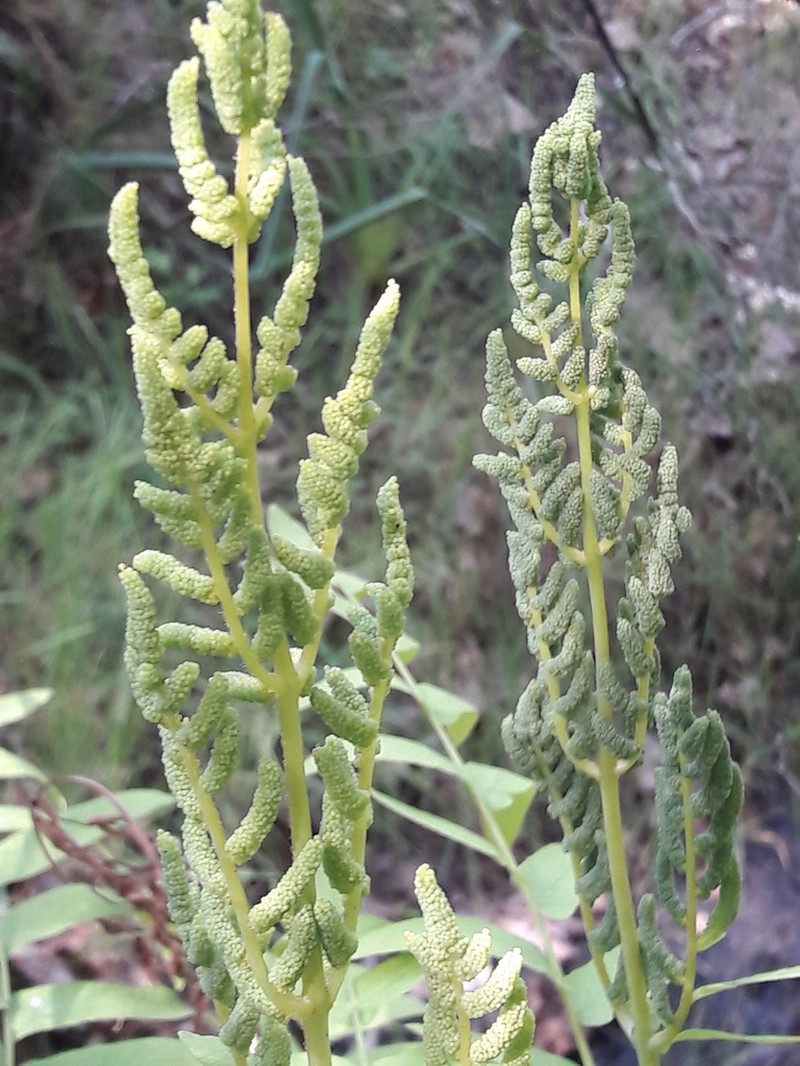
Taxonomy
- Division:
- Pteridophyta | - Ferns
- Family:
- Osmundaceae
- Genus:
- Osmunda
- Species:
- Osmunda regalis
- USDA Symbol:
- OSRE
Growth Characteristics
- Life Cycle:
- Perennial
- Growth Habit:
- Forb/herb
- Height:
- 150 cm
- Light Requirements:
- Part Shade,Shade
- Drought Tolerance:
- Low
Wildlife Benefits
- Butterflies & Moths:
- ★★★☆☆ Documented Lepidoptera association (GBIF)
- Caterpillars:
- ★☆☆☆☆ Recorded caterpillar host plant (HOSTS Database)
Keystone Species Ranking
- Caterpillar Keystone:
- ★★☆☆☆ Butterfly & moth species supported by this genus (NWF)
Host Plant for Caterpillars
Olethreutes osmundana, osmunda borer moth (Papaipema speciosissima)
Reported Fauna Sightings
Moths:osmunda borer moth (Papaipema speciosissima)
Soil Requirements
- Soil Type:
- rich, moisture-retentive, organic soil
- pH:
- 4.5 - 6.5 (acidic to slightly acidic)
- Drainage:
- tolerates poor drainage
- Moisture:
- consistently moist
- Notes:
- Prefers wetland areas like swamps and bogs
Propagation & Germination
Pre-treatment: None required
Source: npn.rngr.net
ORGHPS Germination Guide: Sow @ 20°C. Seed germinates within 3 months * spores lose viability in 3 days; pour boiling water over milled sphagnum moss, sow seeds, enclose in plastic bag
Where to Buy
Nationwide Seller
- Native Plants Nursery (nursery)
- North Creek Nurseries (nursery)